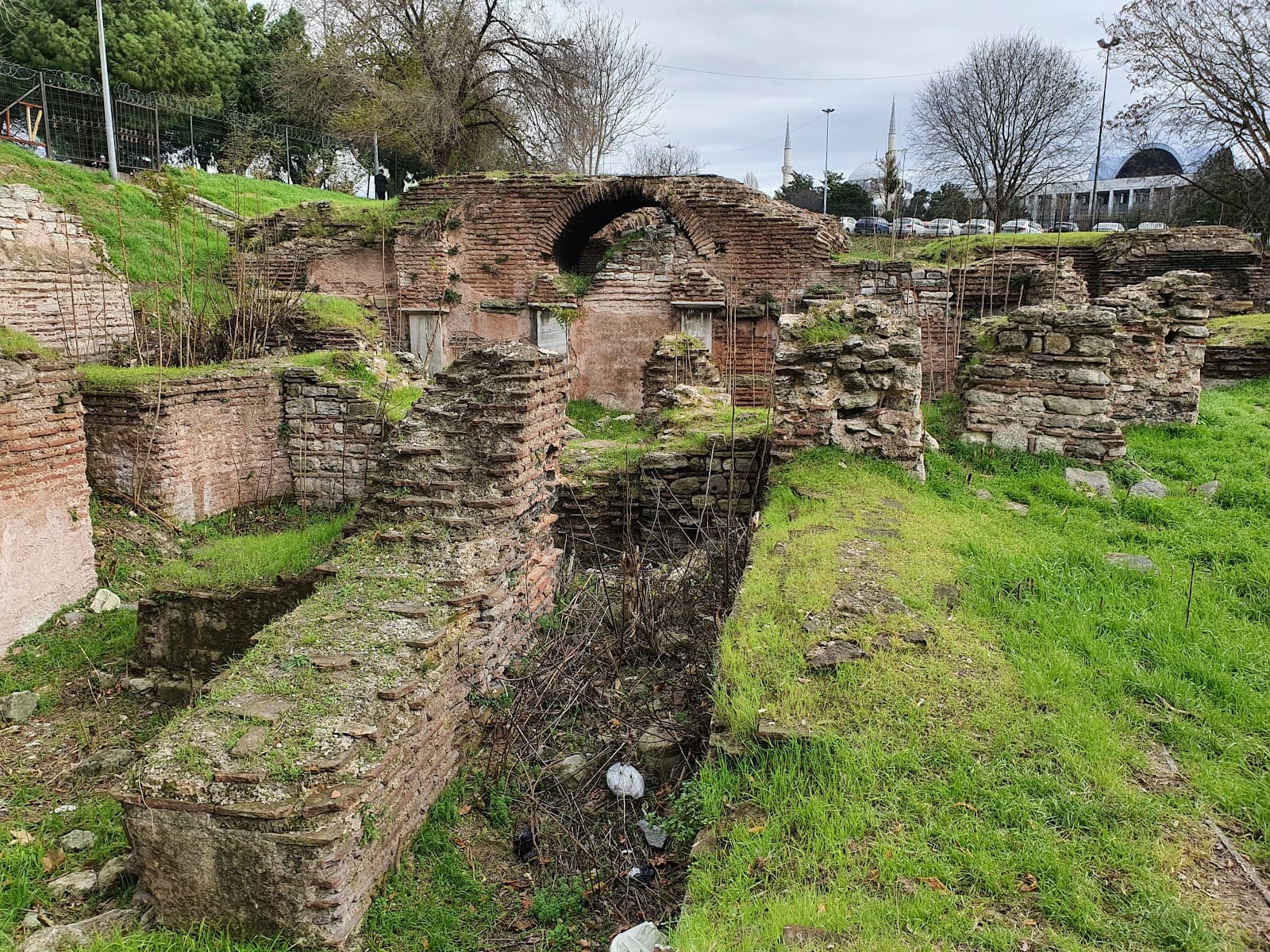
St. Polyeuctus Church Ruins Istanbul
Discover the remnants of Constantinople's grandest church, a potential inspiration for Hagia Sophia, showcasing Byzantine ambition.
Highlights
Must-see attractions

Social
From TikTok & Reddit
Best Time
Fewer crowds, better light
St. Polyeuctus Church Ruins Istanbul
Best Time
Fewer crowds, better light
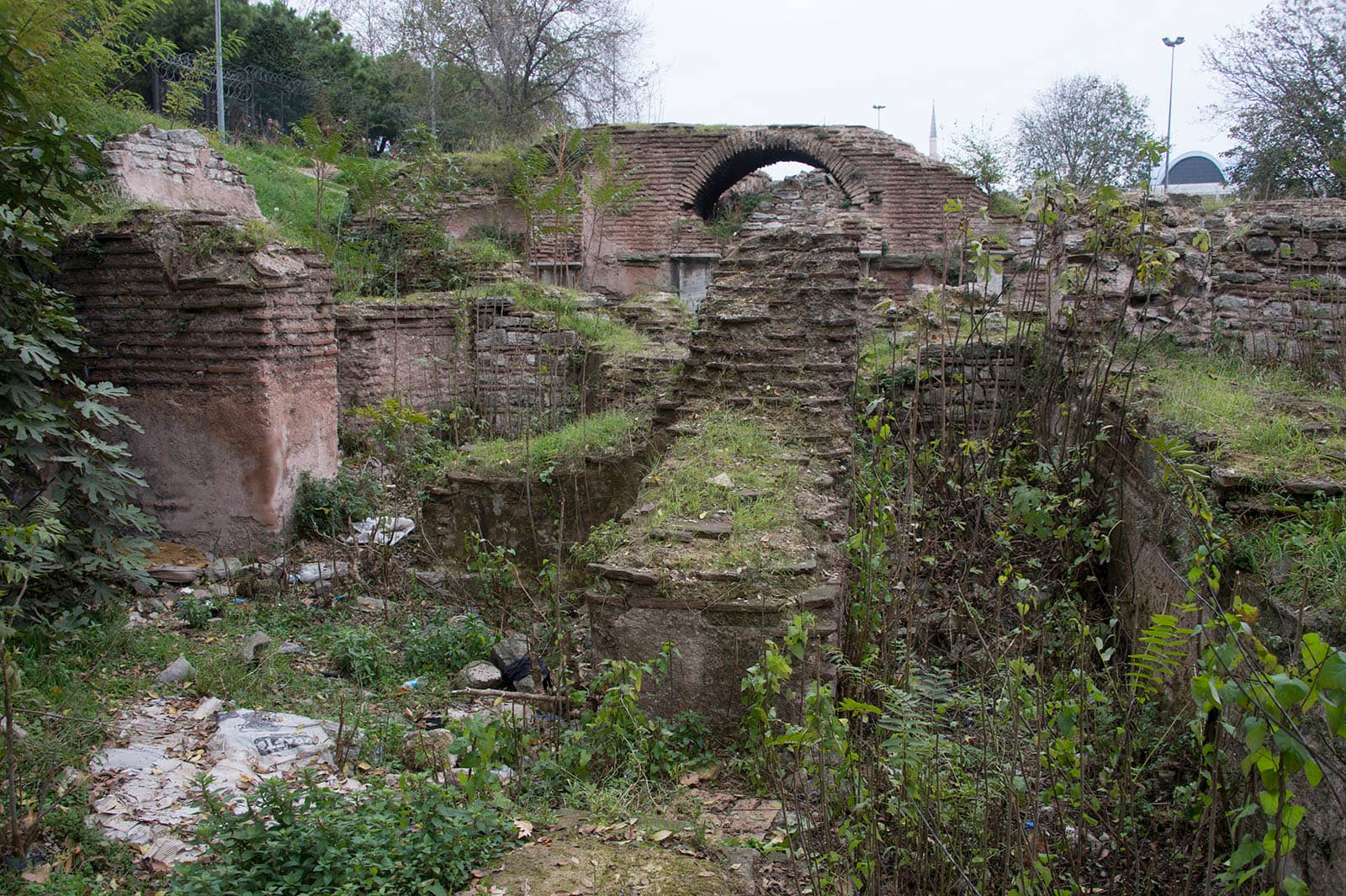
Highlights
Must-see attractions
Discover the remnants of Constantinople's grandest church, a potential inspiration for Hagia Sophia, showcasing Byzantine ambition.
"A historically significant site, though largely fenced off, offering a glimpse into Byzantine grandeur."
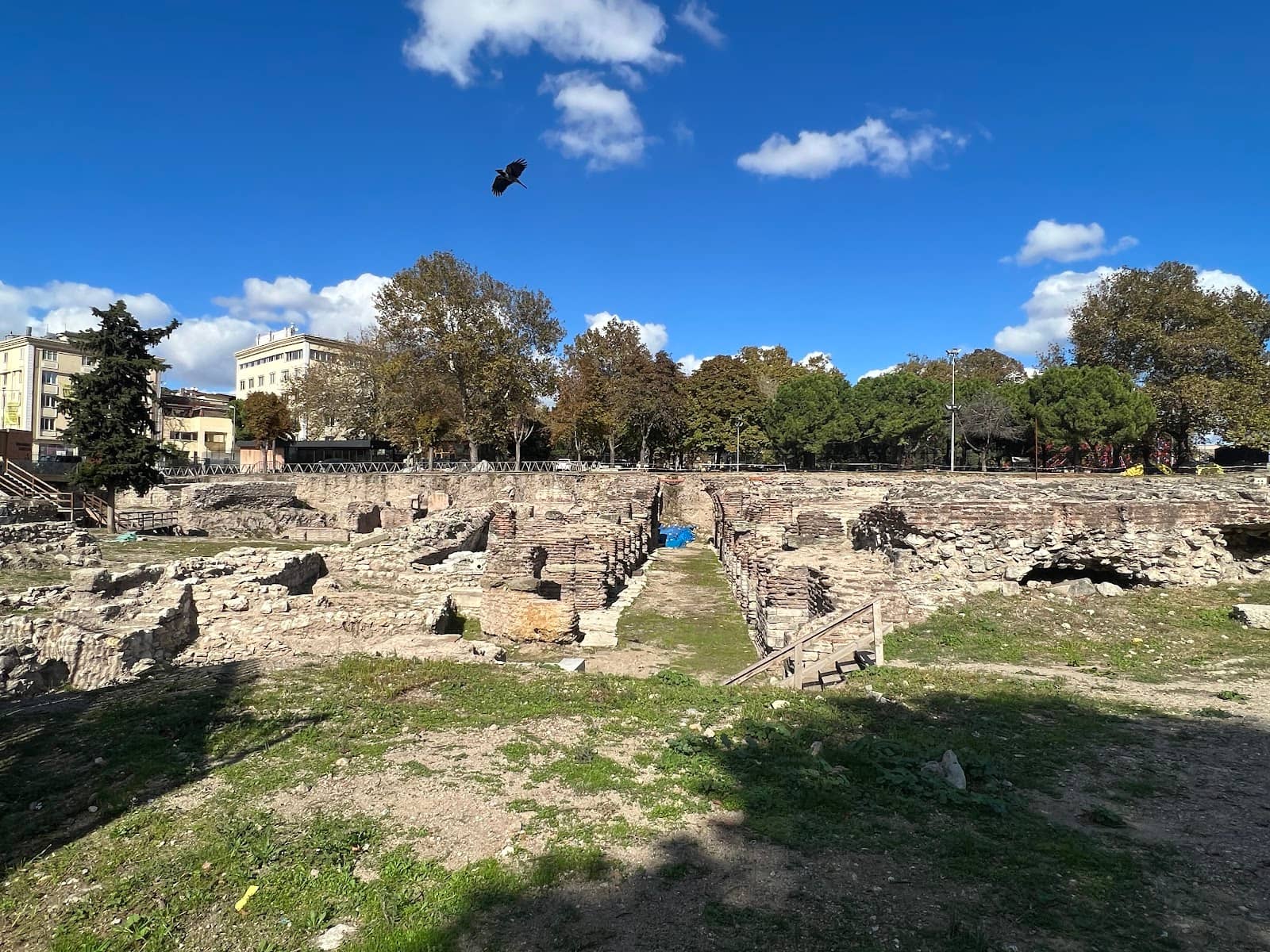
View from the Fence
You can see most of the ruins through the surrounding fence. Sculptures are in the Archaeological Museum. :camerawithflash:
Historical Context is Key
Research the rivalry between Anicia Juliana and Empress Theodora for a richer understanding. 📚

Quick Facts
Rating
4.2 · 99 reviews
Type
Historical Landmark
Highlights
Discover the most iconic attractions and experiences
The Grand Basilica Ruins
Saraçhane
Glimpse the remnants of Constantinople's largest church, a precursor to Hagia Sophia, showcasing Byzantine architectural ambition.
Anicia Juliana's Legacy
Saraçhane
Discover the story of the noblewoman who commissioned this lavish church, a symbol of her imperial lineage and influence.
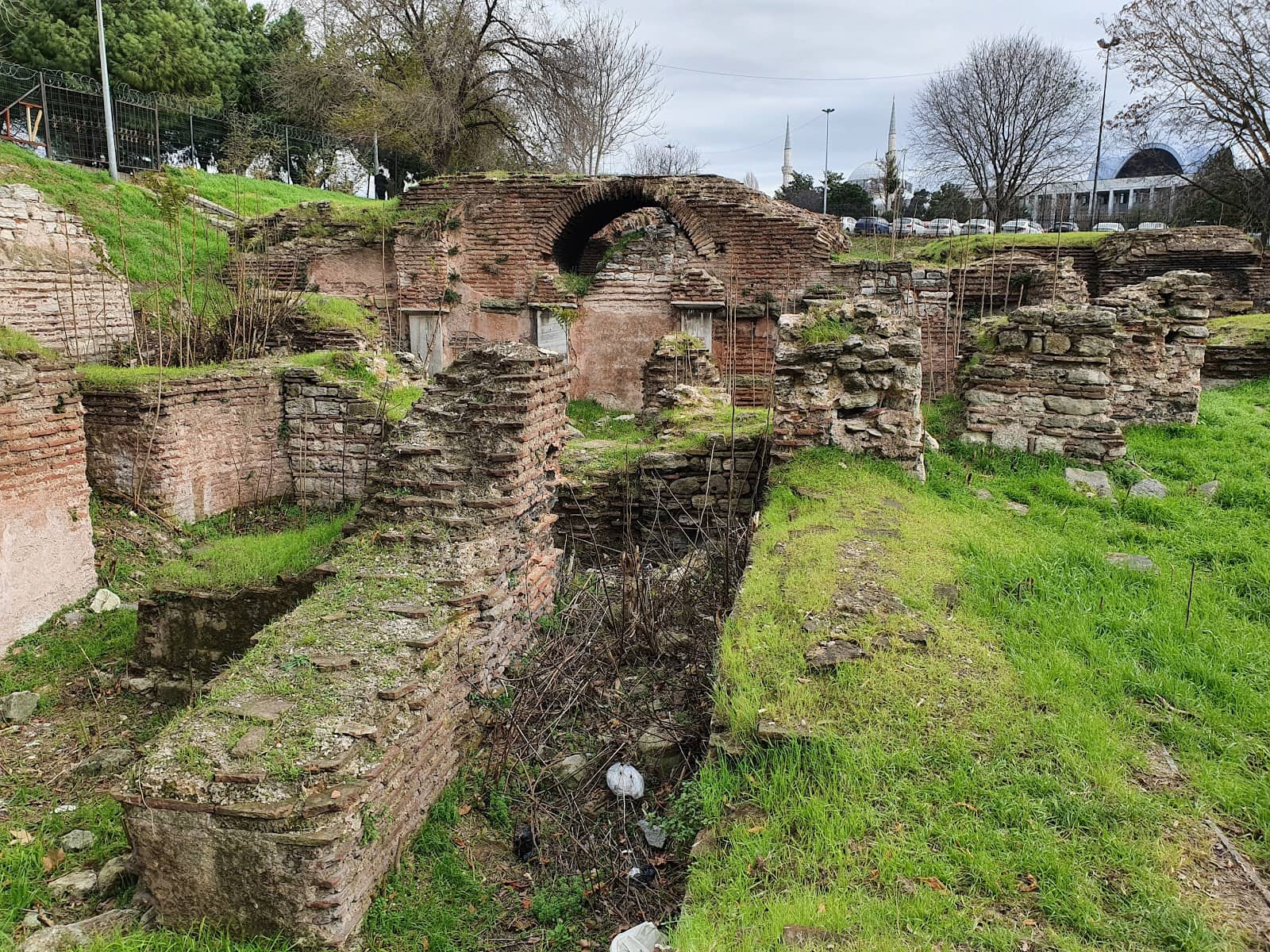
Architectural Innovation
Saraçhane
See evidence of early domed basilica design and Sassanid Persian decorative elements that influenced later Byzantine architecture.
Plans like a pro.
Thinks like you
Planning Your Visit
Access and Preservation
Historical Significance
Best Times
Insider Tips
from TikTok, Instagram & Reddit
View from the Fence
You can see most of the ruins through the surrounding fence. Sculptures are in the Archaeological Museum. :camerawithflash:
Historical Context is Key
Research the rivalry between Anicia Juliana and Empress Theodora for a richer understanding. 📚
Combine with Nearby Sites
Visit the Istanbul Archaeological Museum to see the original sculptures. :museum:
Morning Run Spot
A peaceful spot for an early morning run, offering a unique perspective on history. :runner:
Tips
from all over the internet
View from the Fence
You can see most of the ruins through the surrounding fence. Sculptures are in the Archaeological Museum. :camerawithflash:
Historical Context is Key
Research the rivalry between Anicia Juliana and Empress Theodora for a richer understanding. 📚
Combine with Nearby Sites
Visit the Istanbul Archaeological Museum to see the original sculptures. :museum:
Morning Run Spot
A peaceful spot for an early morning run, offering a unique perspective on history. :runner:
What Travellers Say
Reviews Summary
Visitors acknowledge the immense historical significance of the St. Polyeuctus Church ruins as a precursor to Hagia Sophia. However, many express disappointment with the limited access due to fencing and the site's upkeep. The removal of sculptures to the Archaeological Museum is also noted.
"The Church of St. Polyeuctus (Greek: Ἅγιος Πολύευκτος, translit. Hagios Polyeuktos; Turkish: Ayios Polieuktos Kilisesi) was an ancient Byzantine church in Constantinople (now Istanbul, Turkey) built by the noblewoman Anicia Juliana and dedicated to Saint Polyeuctus. Intended as an assertion of Juliana's own imperial lineage, it was a lavishly decorated building, and the largest church of the city before the construction of the Hagia Sophia. It introduced the large-scale use of Sassanid Persian decorative elements, and may have inaugurated the new architectural type of domed basilica, perfected in the later Hagia Sophia.
Little is known of the church's history after its construction. The building survived until the 11th century, after which it fell into decay, while several architectural elements were removed and reused in Constantinople and other cities. After being built over in the Ottoman period, the site of the church was rediscovered during excavations in the 1960s. The area, directly opposite the Istanbul Metropolitan Municipality City Hall, is now a preserved archaeological site open to visitors, although the sculptures have been removed to the Istanbul Archaeological Museum."
IMRAN Chaudhry
"The history for this church is quite interesting. Unfortunately it is completely fenced off so unable to access. You can see bits through the fence"
Lori Austin
"This location iş very important in Byzantium"
ezop secret
What People Like
What People Dislike
Frequently Asked Questions
🚇 🗺️ Getting There
The ruins are located in the Saraçhane district, opposite the Istanbul Metropolitan Municipality City Hall. You can reach it via public transport, including buses that stop nearby. It's also accessible by taxi or ride-sharing services. 🚌 🚕
While the site is accessible by public transport, the ruins themselves are largely fenced off, limiting direct access to the main floor. You can view them from outside the perimeter. :world_map:
Many visitors find it best to combine a visit with the Istanbul Archaeological Museum, as the original sculptures are housed there. :museum:
🎫 🎫 Tickets & Entry
The ruins are generally accessible from the outside without a ticket, as they are an open archaeological site. However, direct access to the main floor is restricted. 🎟️
As an open-air archaeological site, there are no strict opening hours. However, it's best to visit during daylight hours for optimal viewing and safety. 🕐
Typically, there is no entrance fee to view the ruins from the perimeter. Access to the Istanbul Archaeological Museum, where the sculptures are displayed, will have a separate admission fee. :moneywithwings:
No, direct access to the main floor of the ruins is generally not permitted due to preservation efforts. You can observe the site through the fencing. :noentrysign:
🎫 🏛️ Onsite Experience
You can see the foundational remains of what was once Constantinople's largest church. While the main structures are gone, the scale of the original basilica is still evident. :statueofliberty:
Official guided tours specifically for the ruins might be limited. However, many general Istanbul history tours will cover the significance of this site. It's also recommended to do some research beforehand. :guide_dog:
The ruins are preserved as an archaeological site, but some visitors note that they could benefit from more upkeep. The site is fenced off for protection. :construction_worker:
The area is generally safe, but as with any urban area, be aware of your surroundings. Some social media posts mention the presence of individuals who might approach visitors. 🛡️
The best photo opportunities are through the fence, capturing the scale of the ruins against the city backdrop. Early morning or late afternoon light can enhance the atmosphere. :camerawithflash:
📸 📸 Photography
Yes, photography is generally allowed for personal use. Capturing the ruins through the fence offers a unique perspective on this historical site. :camerawithflash:
The golden hours of early morning and late afternoon provide beautiful lighting for photographs, highlighting the textures of the ancient stones. 🌅
Drone usage is typically restricted in urban areas and around historical sites in Istanbul. It's advisable to check local regulations before flying a drone. :noentrysign:
Social
from TikTok, Instagram & Reddit