
Taşkınpaşa Complex
A remarkably preserved 14th-century Karamanid complex and authentic village, offering a glimpse into 'true Turkey.'
Highlights
Must-see attractions

Social
From TikTok & Reddit
Best Time
Pleasant weather, fewer crowds
Taşkınpaşa Complex
Best Time
Pleasant weather, fewer crowds
Highlights
Must-see attractions
A remarkably preserved 14th-century Karamanid complex and authentic village, offering a glimpse into 'true Turkey.'
"It is the true Turkey. As authentic as it gets. Incredible."

🤝 Embrace Local Hospitality
Be open to invitations for tea or dinner; it's a highlight of the authentic experience.
🚶♀️ Explore the Village
Wander the streets beyond the complex for a true taste of local life.

Quick Facts
Rating
4.8 · 36 reviews
Type
Mosque
Highlights
Discover the most iconic attractions and experiences
Taşkınpaşa Mosque
Taşkınpaşa Village
A stunning example of Karamanid architecture with intricate stonework and a preserved walnut mihrab.
Taşkınpaşa Tomb
Complex Courtyard
The domed, two-story mausoleum believed to be the resting place of the complex's founder.

Hızır Bey Tomb
Complex Courtyard
A unique hexagonal open tomb housing marble sarcophagi, offering a glimpse into 14th-century burial customs.
Taşkınpaşa Village
Surrounding the Complex
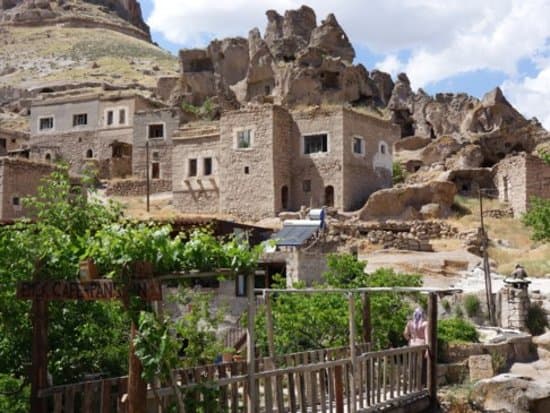
Wander through this authentic village, often described as the 'prettiest' and 'most amazing' in Cappadocia.
Plans like a pro.
Thinks like you
Planning Your Visit
Embrace Authenticity
Historical Depths
Best Times
Insider Tips
from TikTok, Instagram & Reddit
🤝 Embrace Local Hospitality
Be open to invitations for tea or dinner; it's a highlight of the authentic experience.
🚶♀️ Explore the Village
Wander the streets beyond the complex for a true taste of local life.
🏛️ Admire the Architecture
Pay close attention to the detailed stonework and unique Karamanid art.
🕰️ Allow ample time
Don't rush; soak in the history and serene atmosphere of this special place.
Tips
from all over the internet
🤝 Embrace Local Hospitality
Be open to invitations for tea or dinner; it's a highlight of the authentic experience.
🚶♀️ Explore the Village
Wander the streets beyond the complex for a true taste of local life.
🏛️ Admire the Architecture
Pay close attention to the detailed stonework and unique Karamanid art.
🕰️ Allow ample time
Don't rush; soak in the history and serene atmosphere of this special place.
What Travellers Say
Reviews Summary
Visitors consistently praise Taşkınpaşa Complex for its authenticity and historical significance, often describing the village as the 'true Turkey.' The genuine hospitality of locals and the well-preserved Karamanid architecture, including the mosque and tombs, are major highlights. Some note the limited dining options and the remote location as minor drawbacks.
"This town is the absolute prettiest, most amazing town there is in all of Cappadocia. We were just walking the streets and invited into someone’s home for dinner. It was fantastic.
You must see this place. It is the true Turkey. As authentic as it gets. Incredible.
The church is beautiful too, but the town is something else."
Drew
"It was built by Taşkın Pasha, one of the Karamanid emirs, in the mid-14th century. The mosque, whose exact date is unknown due to the inscription on the mosque's portal being missing, is believed to have been built in the mid-14th century based on two mausoleum inscriptions found in its courtyard, dating it from 1342 to 1355. The mosque, which embodies the distinctive characteristics of Karamanid art, is today used for worship in its original form.
The mosque, dome, and tomb are located within a courtyard wall. Constructed of cut stone, the mosque has a rectangular, almost square, plan. The original wooden mihrab and pulpit of the three-nave mosque are preserved in the Ankara Ethnography Museum. The mihrab, made of walnut inlay, is significant as it is the only surviving example of a wooden mihrab.
TOMB-TOMB
The benefactor of the tomb located to the east of the mosque is unknown, but it is suggested that it may have been Taşkın Pasha. The two-story tomb, constructed of cut stone, has a dome surmounted by an octagonal drum on the interior and a pyramidal spire on the exterior.
The Hızır Bey Tomb is located to the northeast of the mosque. While the tomb has no inscription, it is believed to have been built between 1350 and 1355, based on the dates found on the sarcophagi within. The hexagonal structure, situated on the seating area, is an open tomb constructed by connecting six pillars with pointed arches. Inside the tomb are three marble sarcophagi. These sarcophagi are believed to have belonged to Emir Hızır Bey, his son İlyas Bey, and his grandson Hasan Bey.
All of these structures, which embody the distinctive characteristics of Karamanid art, have survived to the present day. The madrasah, which took its current form after a recent restoration, is still used as a library, while the mosque is still used for worship.
Who was Taşkın (Taşhun) Pasha?
Taşkın Pasha, a Karamanli emir, built a madrasah, a mosque, and a tomb in the village of Taşkınpaşa (Damsa) in Ürgüp in the mid-14th century and allocated some foundation revenues to these works.
Taşkın Pasha was one of Rukneddin Kılıçarslan IV's commanders and played a significant role in the Turkification of Ürgüp and the surrounding area. He gave his name to the village of Taşkınpaşa, formerly known as Damsa. The village's name appears as Tamisa in records from 912 and as Damsa in records from 1926.
Following the Mongol invasion in Kayseri, places bearing the names of Oghuz tribes proliferated, such as Yazor, Kozok, Kınık, Salur, and Kayı. In the early 14th century, a Uyghur family settled in Kayseri and founded the Tac-ı Kızıl neighborhood. It is believed that the neighborhood's founder, the famous commander Esen Kutluğ, died in Kayseri.
In the period following Abu Said Bahadır Khan, the Uyghurs became a settled ethnic group in Anatolia. The Eretna principality in Sivas, which they founded in 1342, can be considered a second Uyghur state established by the Uyghurs, apart from Ötüken.
The foundation records indicate that Taşkın (Taşhun) Pasha, son of Zahireddin Mahmud Esen Kutlug, and his family lived in Damsa, now known as "Taşkın Pasha/Taşhun Pasha Village," in the Ürgüp district of Nevşehir. The artifacts they left behind indicate that the Pasha's own tomb is located in the garden of the social complex, which includes a mosque, madrasah, fountain, and cemetery. There is a bill of sale dated Dhul-Hijjah 751/January-February 1350, indicating that Taşkın Pasha, son of Emir Zahireddin Mahmud, purchased the village of Gumartaş in Konya."
Abdurrahim Vural
"The Tomb and Mosque complex, where my ancestors migrated to Mersin, and the tomb of Taşkınpaşa, its founder, are located. When we asked Uncle Mevlüt Erkal, one of the villagers, where Taşkınpaşa's tomb was, he said, "I was going to pray, but I'll show you around." Thankfully, he hopped in our car and spent half an hour with us. He's been researching Taşkınpaşa's family history for years but hasn't been able to find anything. I've heard it's in the state archives in Konya, but he says he can't find any information. Each of the column capitals inside the mosque is a different, spolia, clearly belonging to ancient civilizations. The mosque's architecture reminded me of church architecture, a somber structure with sharp curves. I haven't found any information suggesting that the mosque was converted from a church. Given the geography of monasteries and churches, it wouldn't be surprising if it was. Fairy chimneys surround the village and mosque. I'm happy to have been able to visit this ancestral homeland."
Mustafa Taşkın
What People Like
What People Dislike
Frequently Asked Questions
🚇 🗺️ Getting There
Taşkınpaşa Complex is located in the village of Taşkınpaşa, about 15-20 minutes drive from Ürgüp. Renting a car is the most convenient option for exploring Cappadocia's less-visited sites. Alternatively, you can arrange a taxi or a private tour from Ürgüp or Göreme.
Public transport directly to Taşkınpaşa village is limited. It's best to combine a visit with other nearby attractions if using local buses, or opt for a private vehicle for ease of access.
The closest major towns are Ürgüp and Mustafapaşa. These towns offer more accommodation and dining options and serve as good starting points for visiting Taşkınpaşa.
Yes, it's possible to visit Taşkınpaşa Complex as part of a day trip from Göreme, especially if you have a rental car or have arranged a private tour. It's often included in itineraries that focus on the 'Red Tour' or 'Green Tour' routes, though it's a bit off the beaten path.
Yes, there is usually ample space for parking in the village near the complex. It's generally not an issue, even during busier times.
🎫 🎫 Tickets & Entry
The Taşkınpaşa Complex, including the mosque and tombs, is generally free to enter. The madrasah, now a library, may have specific opening hours.
The mosque is still used for worship, so it's generally accessible during daylight hours. Be mindful of prayer times if you plan to visit.
No, there is no entrance fee for the tombs within the complex. They are part of the historical site and freely accessible.
The madrasah has been restored and is currently used as a library. Its opening hours might vary, so it's best to check locally if you wish to visit it specifically.
As the mosque is an active place of worship, visitors should dress modestly and be respectful. Otherwise, there are no significant restrictions on exploring the historical structures.
🎫 🏛️ Onsite Experience
The complex includes a mosque, two mausoleums (Taşkınpaşa Tomb and Hızır Bey Tomb), and a restored madrasah now serving as a library. The architecture and historical significance are the main draws.
Allow at least 1-2 hours to fully appreciate the complex and wander through the surrounding village. If you engage with locals or explore further, you might spend longer.
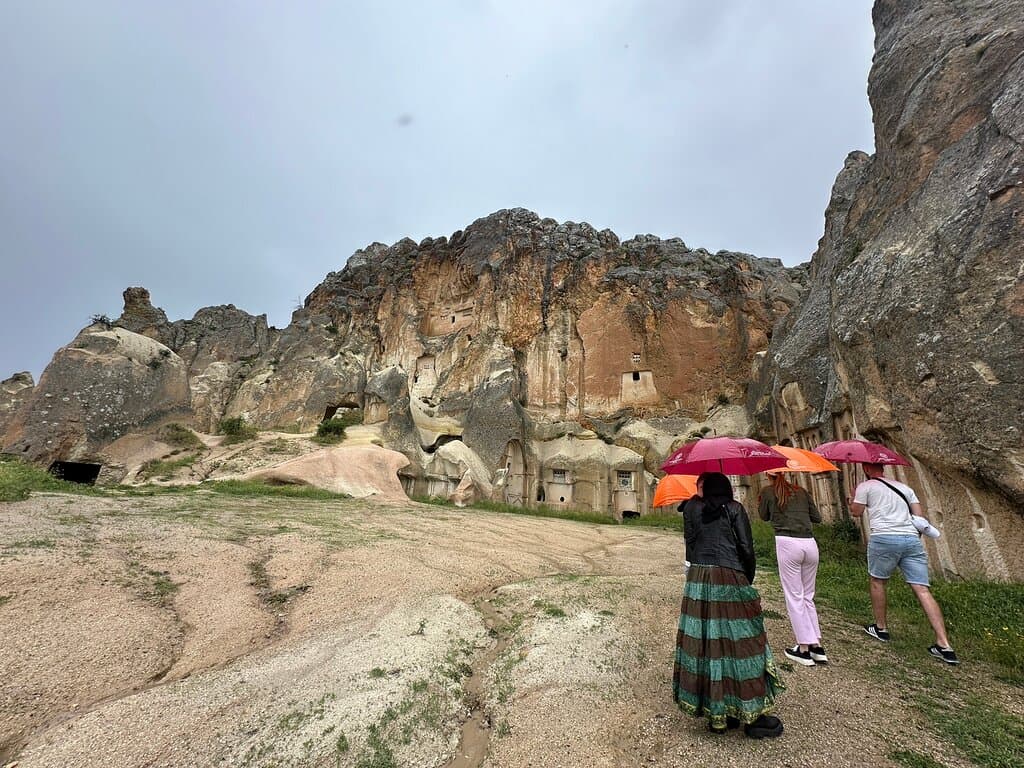
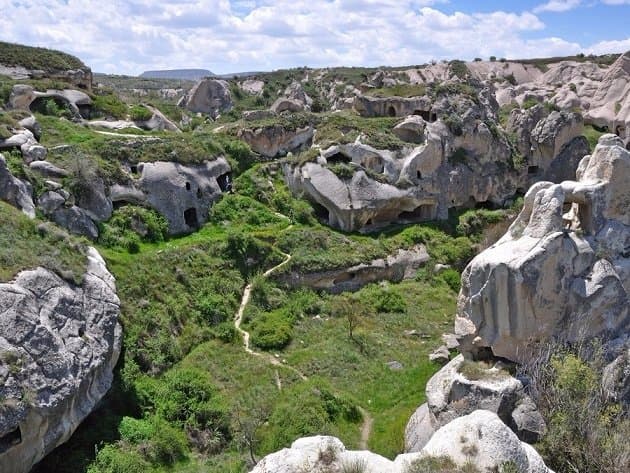
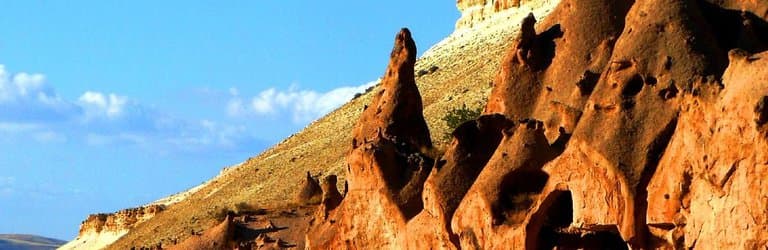
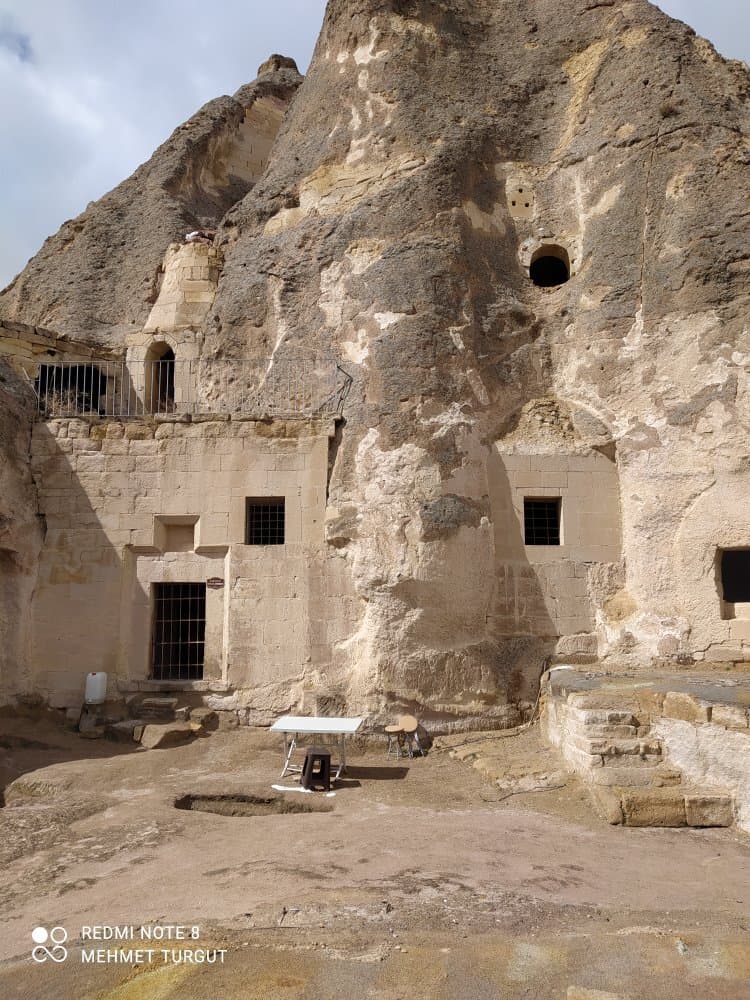
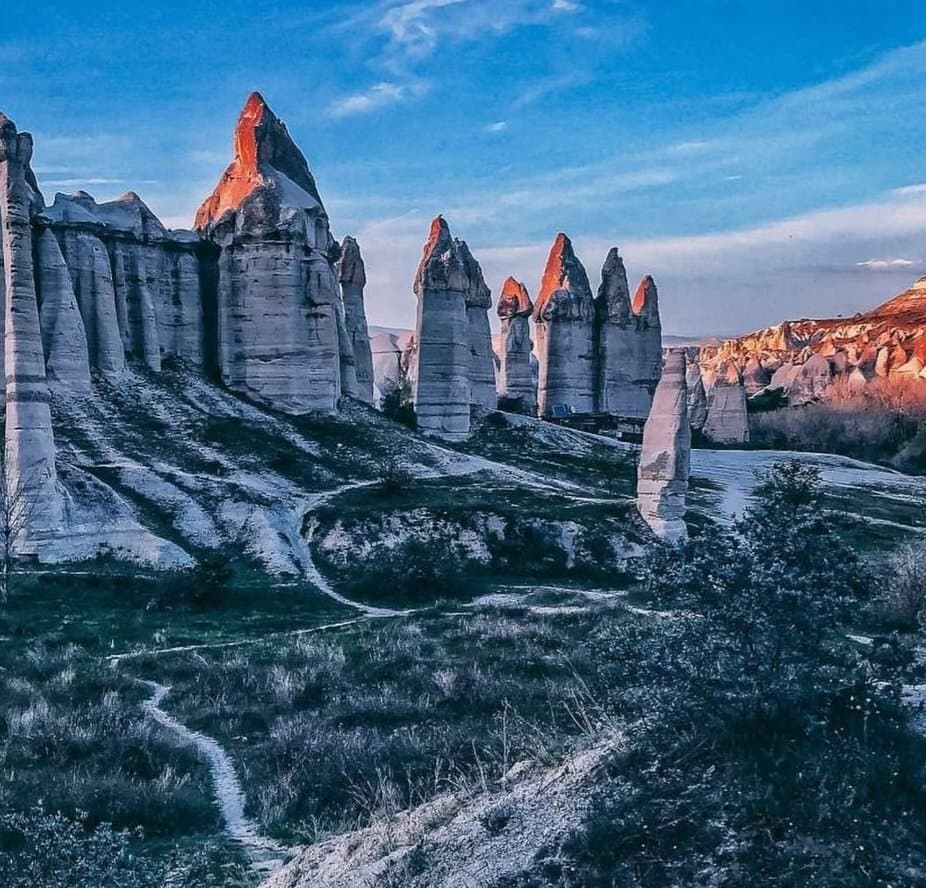
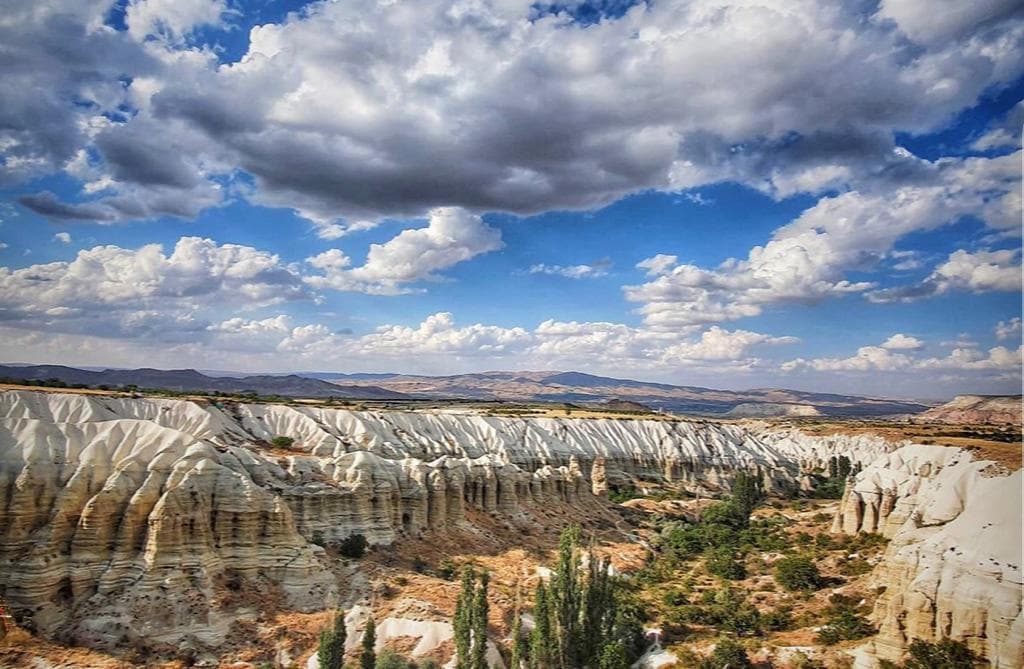
Absolutely! The intricate stonework, historical structures, and the village setting offer numerous photographic opportunities. The surrounding fairy chimneys also add to the scenic beauty.
Built in the mid-14th century by Taşkın Pasha, a Karamanid emir, it's a prime example of Karamanid art and played a role in the Turkification of the region.
While official guided tours might be limited, local villagers are often very welcoming and may offer insights. Hiring a local guide in Ürgüp or Göreme who specializes in historical sites can also enhance your visit.
🍽️ 🍽️ Food & Dining
Taşkınpaşa village is small and primarily residential. While there might be a very local eatery or two, dining options are limited. It's advisable to eat in Ürgüp or Göreme before or after your visit.
For a more authentic culinary experience, look for small, family-run restaurants in nearby towns like Mustafapaşa or Ürgüp. These often serve traditional Turkish dishes.
Expect hearty Anatolian cuisine, including kebabs, stews, pide (Turkish pizza), and local vegetable dishes. Testi kebab (pottery kebab) is a regional specialty.
Some visitors have reported being invited into local homes for meals, which is a testament to the village's hospitality. This is a rare and special experience, not something to be expected but cherished if it happens.
Snack options are minimal in the village itself. It's best to bring water and any snacks you might need, especially if you plan to explore the surrounding area.
📸 📸 Photography
Capture the intricate stonework of the mosque, the unique architecture of the tombs, and the overall atmosphere of the complex. The surrounding village and landscape also offer great shots.
Golden hour, during sunrise and sunset, offers the most dramatic lighting for the historical structures and the village. Midday can be harsh, but still offers good opportunities for detail shots.
Drone usage in Turkey is subject to strict regulations and requires permits. It's advisable to check current laws and obtain necessary permissions before flying a drone in the area.
A versatile lens (e.g., 24-70mm) is useful for capturing both architectural details and wider village scenes. A wide-angle lens can be great for interiors and expansive views.
Yes, you can photograph the interior of the mosque, but be respectful of worshippers. The walnut mihrab is a particularly photogenic element.


Social
from TikTok, Instagram & Reddit