Kaiji Tianhou Temple
Taiwan's earliest Mazu temple, a national monument preserving Ming Dynasty relics and unique spiritual traditions.
Highlights
Must-see attractions

Social
From TikTok & Reddit
Best Time
Fewer crowds, peaceful atmosphere
Kaiji Tianhou Temple
Best Time
Fewer crowds, peaceful atmosphere
Highlights
Must-see attractions
Taiwan's earliest Mazu temple, a national monument preserving Ming Dynasty relics and unique spiritual traditions.
"This temple witnessed the history of immigration and faith, deeply rooted in the core of the city's belief. "
🎯 Respectful Attire
Dress modestly when visiting this sacred site.
🙏 Embrace the Serenity
Take your time to soak in the peaceful atmosphere and historical ambiance.
Quick Facts
Hours
Rating
4.6 · 387 reviews
Type
Place of Worship
Highlights
Discover the most iconic attractions and experiences
Three-Claw Dragon Pillar
Witness Taiwan's oldest Ming Dynasty dragon pillar, a unique symbol of Mazu's pre-imperial title.
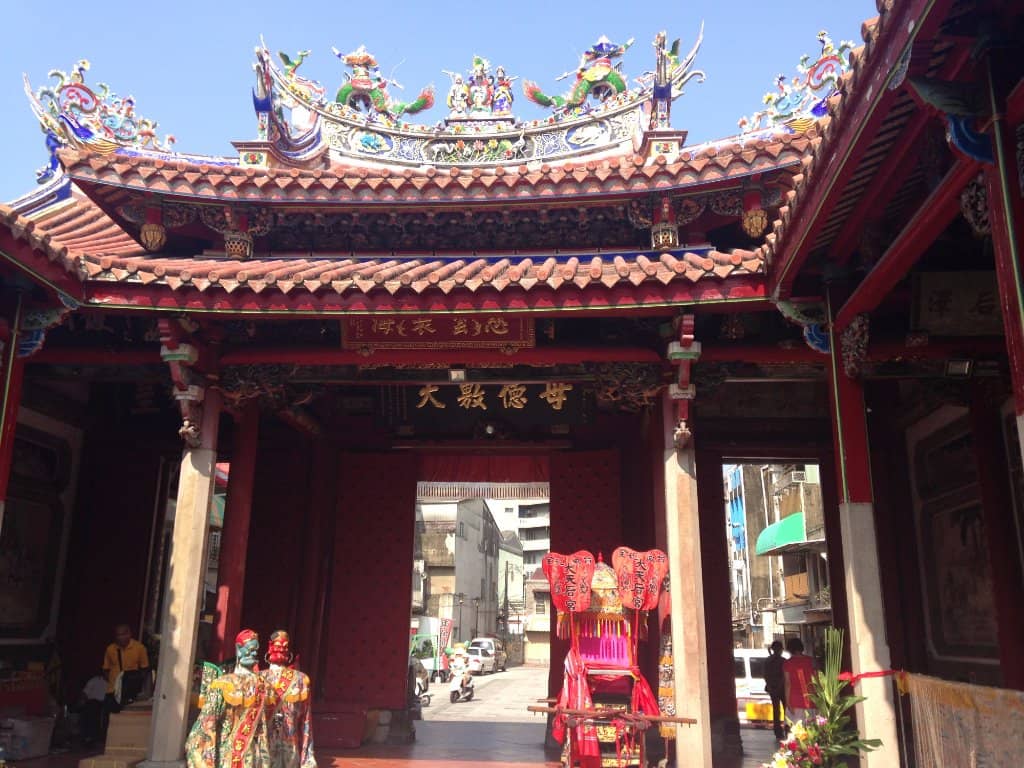
Chongzhen Mazu Statue
See the 'Chongzhen Mazu' statue, brought by Zheng Chenggong's fleet, a significant historical artifact.
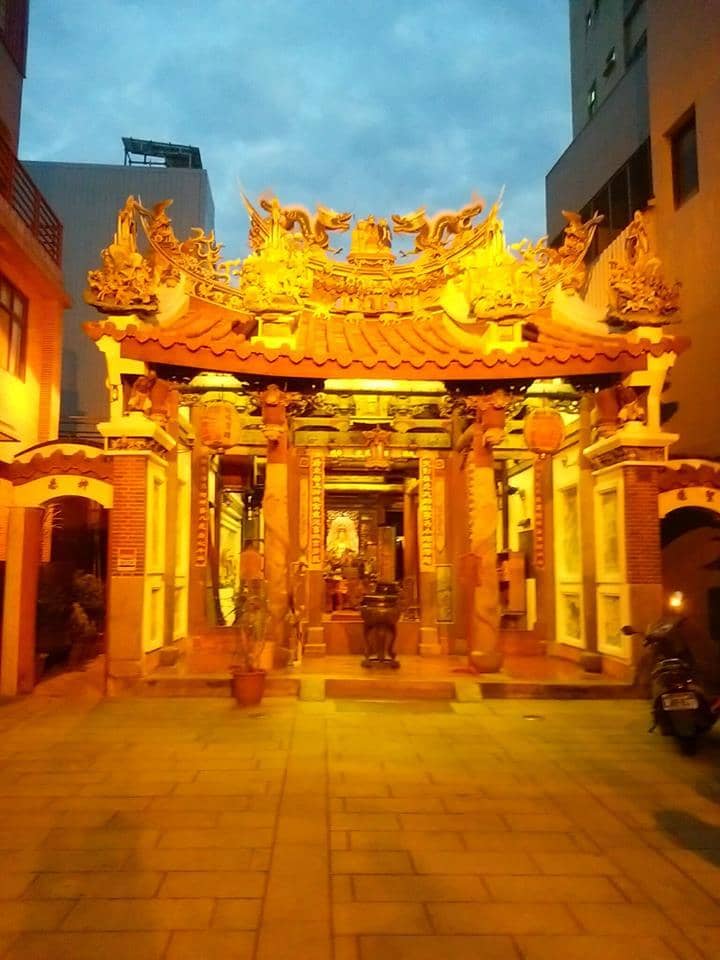
Powder-faced Mazu
Encounter the 'most fashionable Mazu' adorned with modern accessories during temple tours.
Plans like a pro.
Thinks like you
Planning Your Visit
Timing is Key for a Peaceful Visit
Understand Its Historical Significance
Best Times
Insider Tips
from TikTok, Instagram & Reddit
🎯 Respectful Attire
Dress modestly when visiting this sacred site. 
🙏 Embrace the Serenity
Take your time to soak in the peaceful atmosphere and historical ambiance.
🗣️ Engage with Locals
Temple keepers are often friendly and happy to share insights.
📸 Capture the Details
Focus on the intricate carvings and historical artifacts for stunning photos.
Tips
from all over the internet
🎯 Respectful Attire
Dress modestly when visiting this sacred site.
🙏 Embrace the Serenity
Take your time to soak in the peaceful atmosphere and historical ambiance.
🗣️ Engage with Locals
Temple keepers are often friendly and happy to share insights.
📸 Capture the Details
Focus on the intricate carvings and historical artifacts for stunning photos.
What Travellers Say
Reviews Summary
Visitors praise Kaiji Tianhou Temple for its deep historical significance as Taiwan's earliest Mazu temple and its well-preserved ancient artifacts, including unique dragon pillars and statues. The temple offers a peaceful and spiritual atmosphere, with friendly keepers who are happy to share information. Some visitors note that despite its historical importance, the temple isn't as grand or bustling as expected, which can be seen as a positive for those seeking tranquility.
"Shuizaiwei Kaiji Tianhou Temple was founded in the 16th year of the Yongli reign of the Ming Dynasty (1662). It is the earliest Mazu temple on the main island of Taiwan, so it is named "Kaiji". Its other names "Little Mazu Temple" or "Little Tianhou Temple" are derived from the fact that it corresponds to the larger official temple "Big Tianhou Temple". Because it is located on the south bank of Deqing River, which was formerly known as "Shuizaiwei", it is also called "Shuizaiwei Mazu Temple". It is now a national monument (designated in 1985).
Architectural and cultural relics features
- Three-claw dragon pillar:
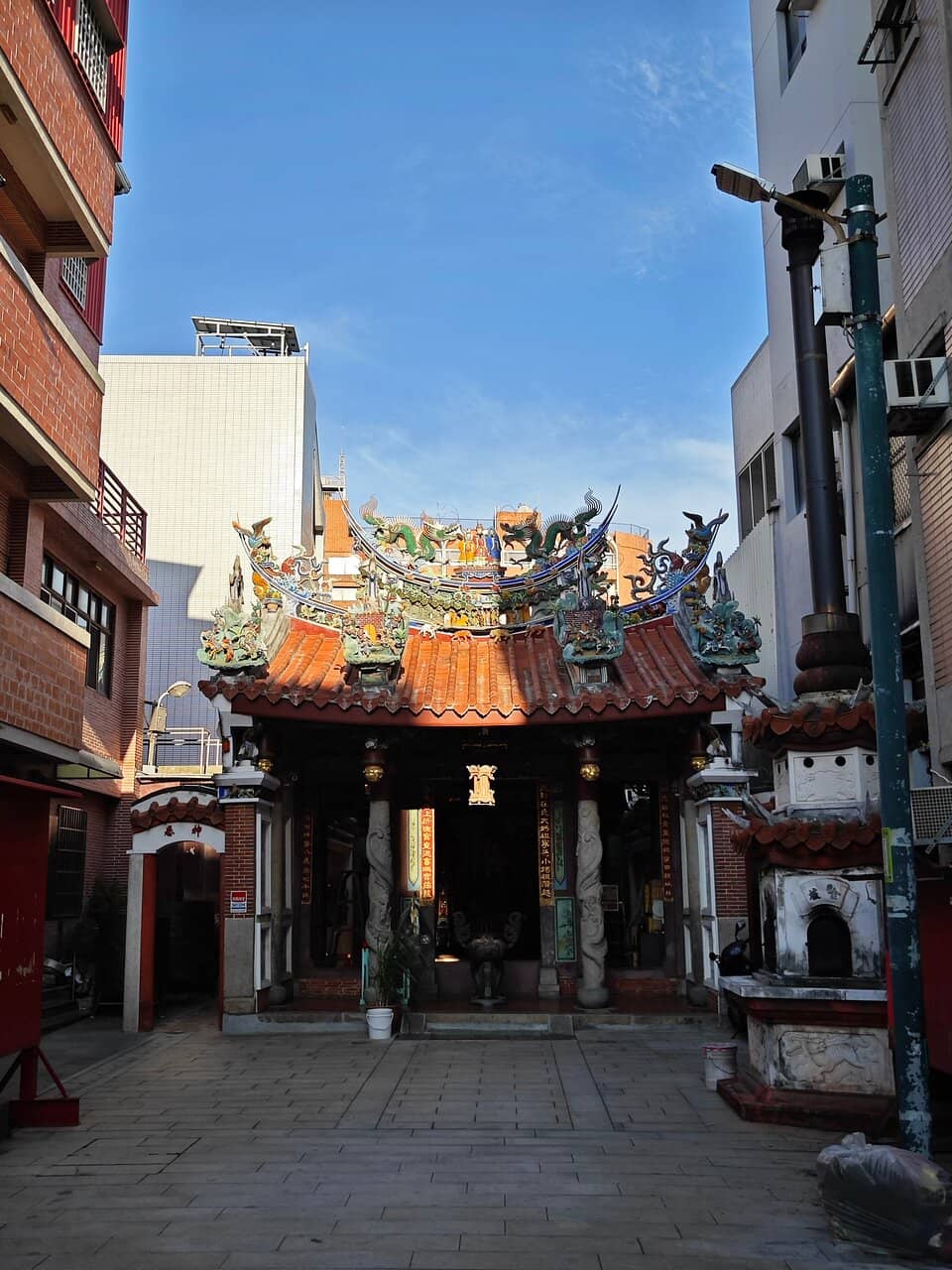
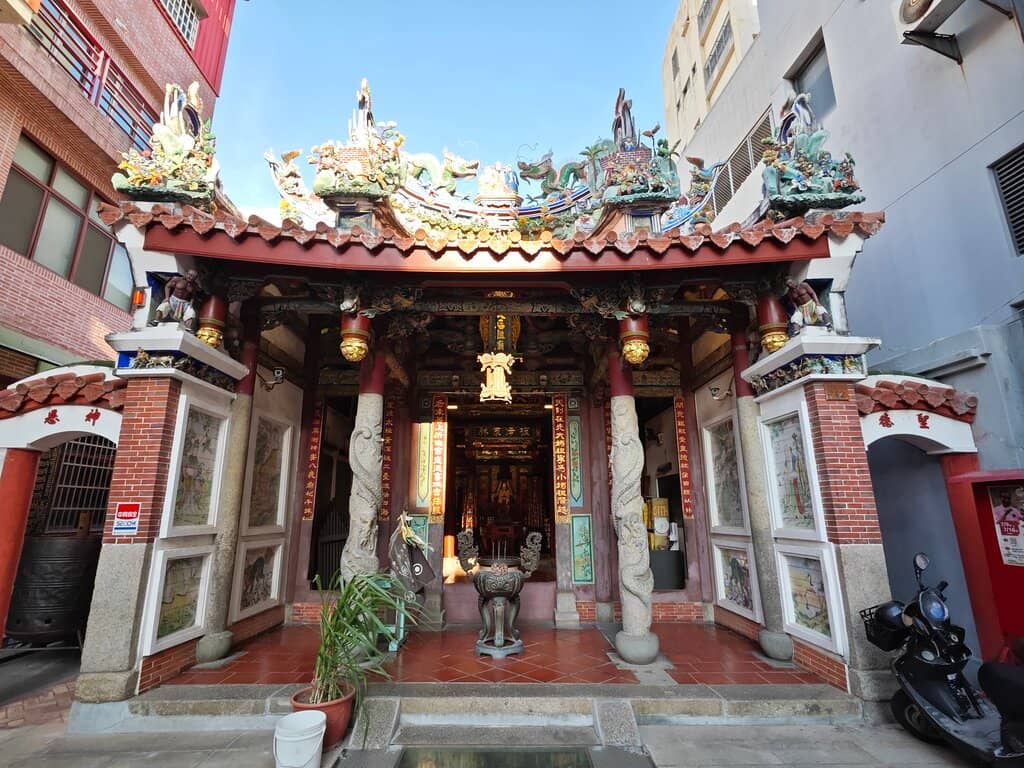
The temple preserves the oldest Ming Dynasty dragon pillar in Taiwan, with only three claws on its feet, reflecting the architectural features of Mazu before she was conferred the title of "Tianhou" by Emperor Kangxi of the Qing Dynasty.
- Precious statues:
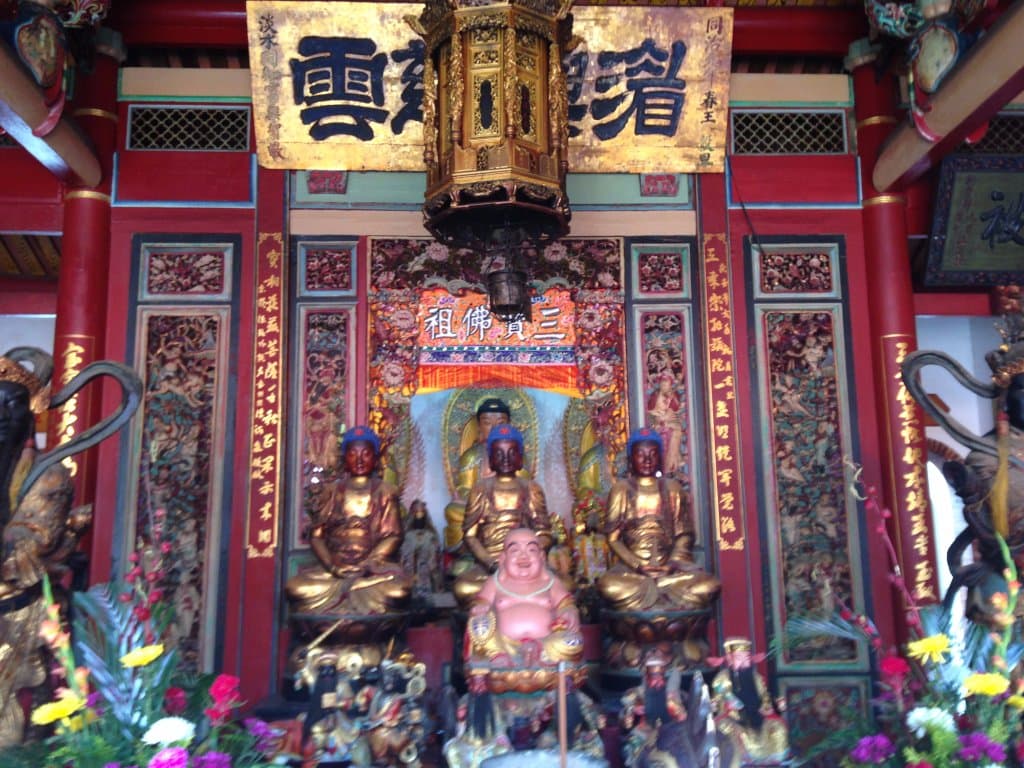
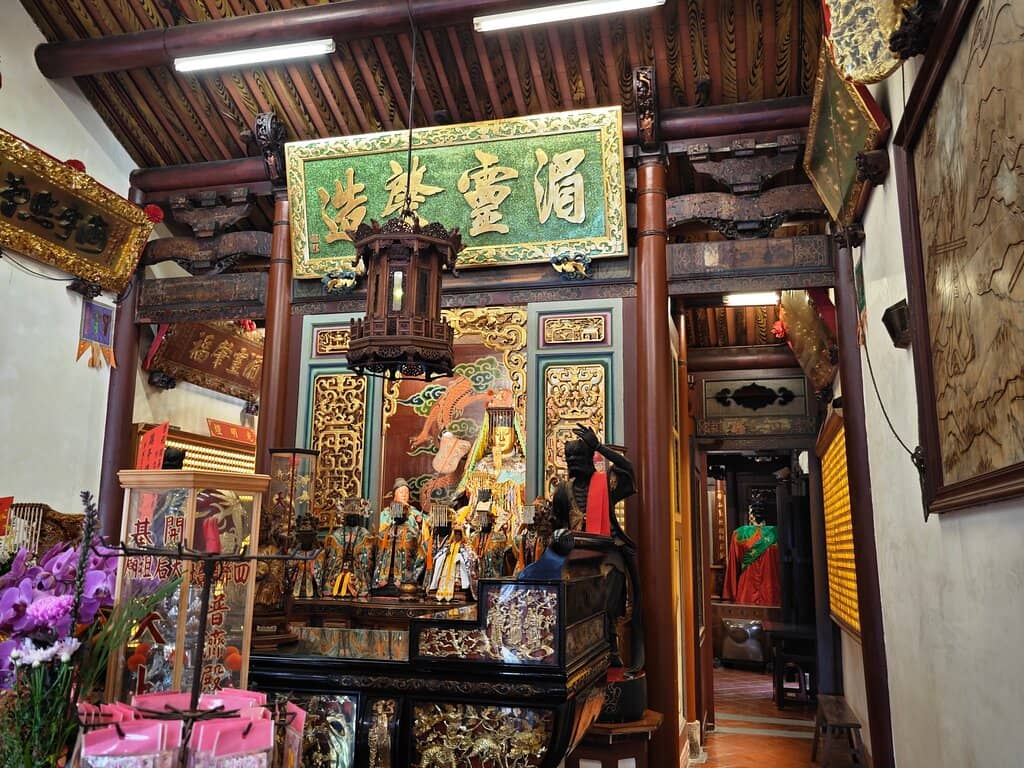
The main hall enshrines "Chongzhen Mazu" (Chuanzaima), with "Ming Chongzhen 13th Year" (1640) engraved on the back, which is a cultural relic brought to Taiwan by Zheng Chenggong's fleet; the "Listening Guanyin" in the back hall was presented by Jiang Yuanshu, the governor of Taiwan during the Qianlong period. It has a unique posture of listening sideways and is one of the "Three Great Guanyins of the City".
- Art masterpieces:
Including the plaques "Meiling Zhaozao" and "Cihui" inscribed by Lin Chaoying, a talented scholar in the Qing Dynasty, and the door gods painted by Huang Qishou, a modern painting master (the only signed work in Taiwan).
Unique anecdotes
1. Fashionable Mazu:
The co-pilot statue "Powder-faced Mazu" wears a ruby ring, pearl necklace and LV handbag when she goes on tour, and is known as the "most fashionable Mazu".
2. Secret collection of Chuanzaima:
In order to prevent theft, the precious "Chongzhen Mazu" statue was enshrined in the homes of believers in the early years, and was only returned to the temple for worship on Mazu's birthday.
3. Survived the war:
During the Japanese colonial period, the temple was not demolished due to its long history, but became a refuge for the statues of the surrounding small temples, forming a "jiaopeijing" network after the war.
---
This temple witnessed the history of immigration from the inner sea of Taijiang, integrating the legacy of the Ming Dynasty Zheng and the official track of the Qing Dynasty. The temple has been worshipped for more than 360 years and is deeply rooted in the core of the city's faith.
"黃大福
"This is the "Kaiki Tianhou Ancestral Temple" located on Ziqiang Street, North District, Tainan City. The old place was called Shui Zai Wei, so the locals are also used to calling this place "Shui Zai Wei Mazu". This temple is dedicated to Mazu, the founder of Taiwan, and has a long history and a profound foundation of belief. Although the temple is located in an alley, it is very popular and is an important religious center for local residents.
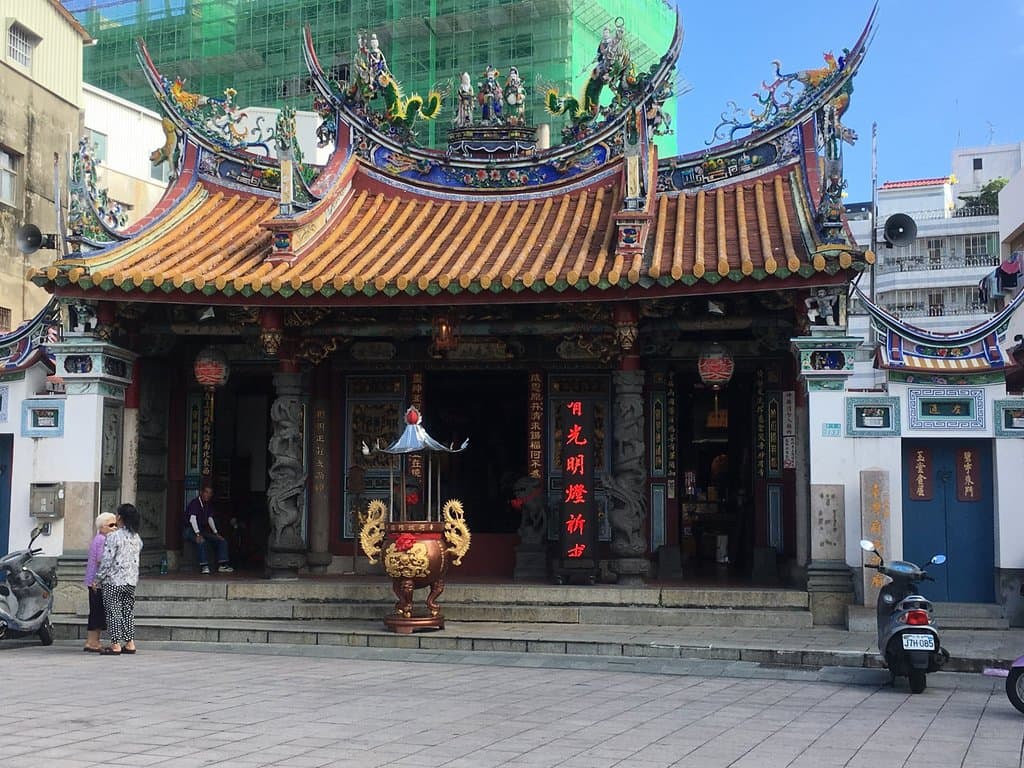
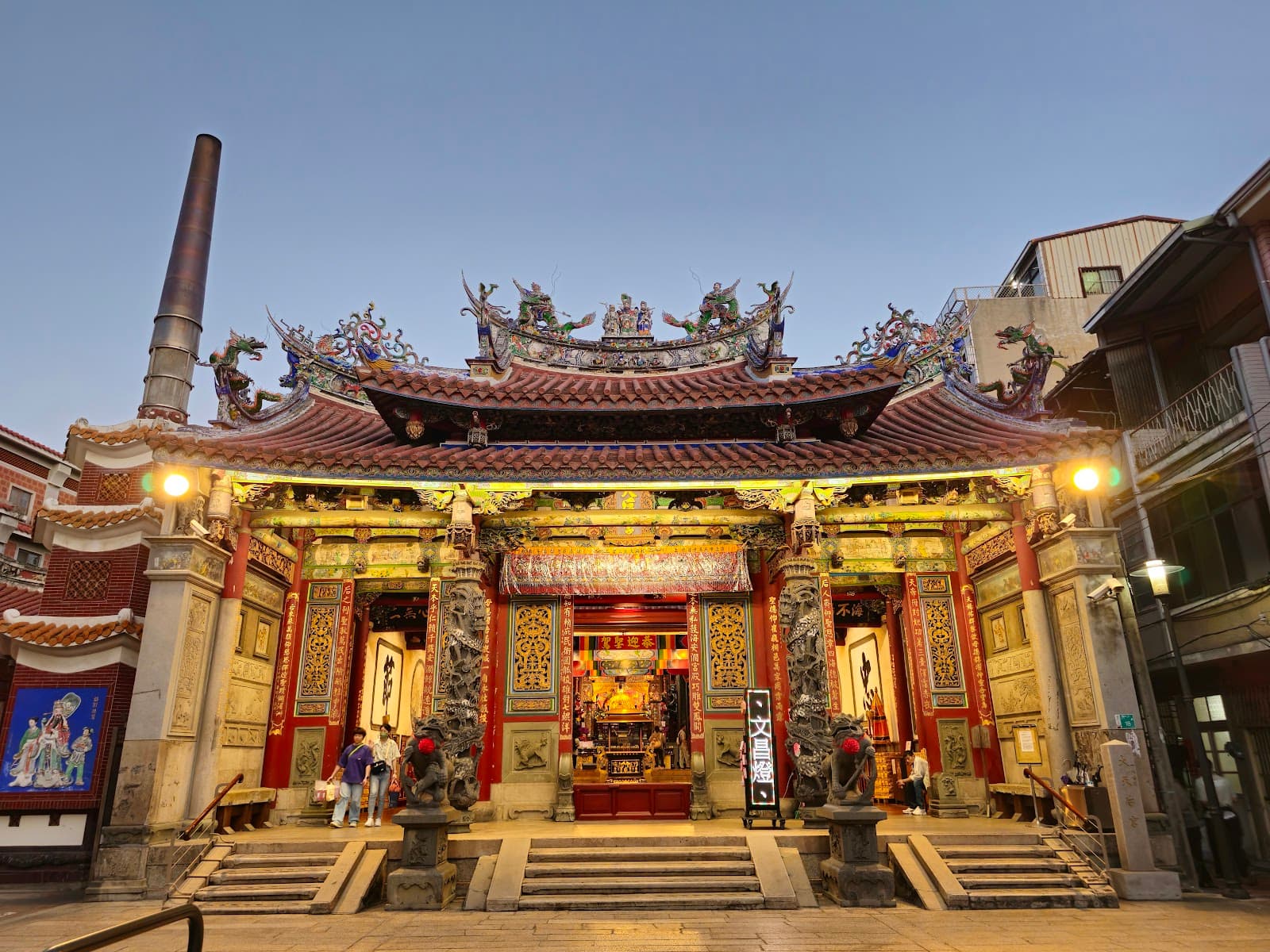
The space in front of the temple is not large, but it gives people a simple and calm atmosphere. The building retains the traditional style, and traces of history can be seen in the wood carvings, paintings and couplets. If you have the opportunity to visit the North District of Tainan, you may wish to visit the Shui Tsai Wei Mazu Temple and experience the charm of this low-key but spiritual old temple."
Dino T
"Today is March 23 of the lunar calendar
Christmas of the Heavenly Virgin Mazu
I came here with my son
Kaiji Tin Hau Ancestral Temple, come and celebrate Mazu’s birthday
I've heard of this place
It's my first time here
In Tainan, there are the Grand Tianhou Temple and the Small Tianhou Temple. This is the earliest Mazu temple in Taiwan.
That’s why he is called the founder of the ancestral temple
The ancient name of this place was also called Shuizaiwei
Also known as Shui Zai Wei Mazu Temple
It is also a national second-class historic site.
I'm a little confused personally
Mazu is considered the highest among Taiwanese deities.
This is the earliest Mazu temple in Taiwan
Why isn’t his room very big?
And not very prosperous, today is His birthday
A lot of people should have come
In the past, my favorite Tainan Temple was on Minzu Road, opposite Chikan Tower.
And I’ve been to Tainan Mazu enough times before I got to know the temple seriously.
Many in Tainan are the founders of ancestral temples.
But they are not as prosperous as other counties and cities. I don’t know why.
And these days I’m in a temple in downtown Tainan
discovered a phenomenon
Many people call themselves ancient temples, old temples, and ancestral temples.
Not very friendly to pilgrims and tourists
They all feel like they are the boss
On the contrary, in many remote villages and other counties and cities, they are much kinder and kinder.
This is one of the reasons why many temples in Tainan are not so prosperous.
Gods love selflessly
Only people are selfish
Afraid that their gods care about others
Then don’t open it to visitors and let people worship it.
money received from the national government’s monument subsidy"
侑成果蔡正男
What People Like
What People Dislike
Frequently Asked Questions
🚇 🗺️ Getting There
Kaiji Tianhou Temple is located on Ziqiang Street in Tainan City's North District. While it's in an alley, it's a significant landmark. Public transport options like buses are available to reach the general area, and then a short walk will lead you to the temple. +1
Although it's in an alley, locals know it well. It's often referred to as 'Shui Zai Wei Mazu Temple,' so using that name might help with directions.
Parking might be limited in the immediate vicinity due to its location in a more established part of the city. It's advisable to check for nearby public parking or consider using ride-sharing services.
🎫 🎫 Tickets & Entry
Entry to Kaiji Tianhou Temple is generally free, as it is a place of worship. Donations are always welcome to help with the upkeep of this historic site.
The temple is typically open daily, but specific hours can vary. It's best to visit during daylight hours to fully appreciate the architecture and artifacts.
Yes, visiting during festivals, especially Mazu's birthday (March 23rd lunar calendar), can be a vibrant experience, though it will be more crowded.
🎫 🧭 Onsite Experience
Don't miss the ancient three-claw dragon pillar, the 'Chongzhen Mazu' statue, and the unique 'Powder-faced Mazu' which is known for its fashionable adornments during tours.
Absolutely! The temple's traditional architecture, intricate carvings, and historical artifacts offer many beautiful photo opportunities.
It's the earliest Mazu temple on Taiwan's main island, founded in 1662, and is a national monument. It played a crucial role in the history of immigration and faith in Taiwan.
The temple celebrates Mazu's birthday annually with significant ceremonies. Other traditional rituals may also take place throughout the year.
🍽️ 🍽️ Food & Dining
Being in Tainan, a city renowned for its culinary scene, you'll find numerous food options nearby. Explore the surrounding streets for local delicacies and street food. +1
Food and drink are generally not permitted inside the main worship areas of temples to maintain cleanliness and respect. There are usually designated areas outside if needed.
📸 📸 Photography
Focus on the detailed dragon pillars, the main altar with its statues, and the traditional architectural elements. The 'Powder-faced Mazu' also makes for an interesting shot.
Photography is usually allowed, but it's always respectful to be mindful of worshippers and avoid using flash in sensitive areas.







Social
from TikTok, Instagram & Reddit