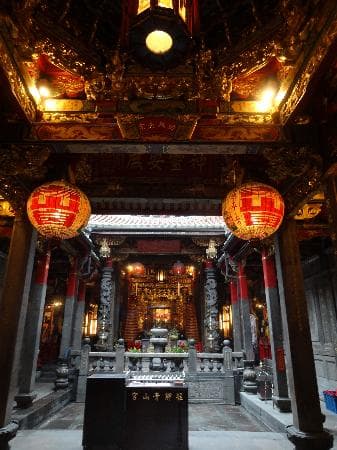
Qingshan Temple Taipei
Historic Taoist temple with stunning 19th-century southern Chinese architecture, intricate carvings, and vibrant ceramic art.

Highlights
Must-see attractions

Social
From TikTok & Reddit
Best Time
Fewer crowds, serene atmosphere
Qingshan Temple Taipei
Best Time
Fewer crowds, serene atmosphere
Highlights
Must-see attractions
Historic Taoist temple with stunning 19th-century southern Chinese architecture, intricate carvings, and vibrant ceramic art.
"Fascinating mid Qing dynasty temple with an authentic atmosphere and welcoming people."
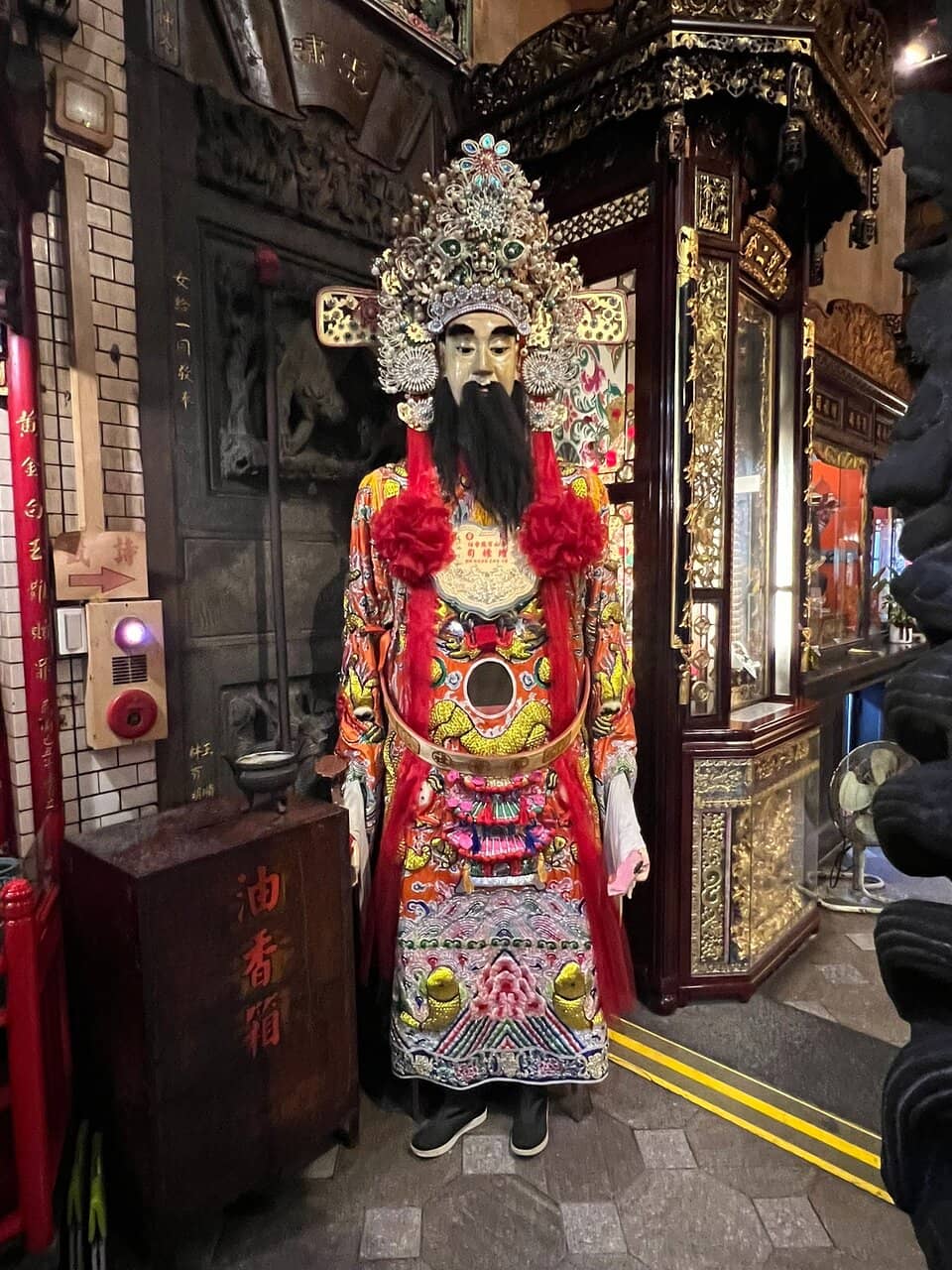
🎯 Seek Out the Details
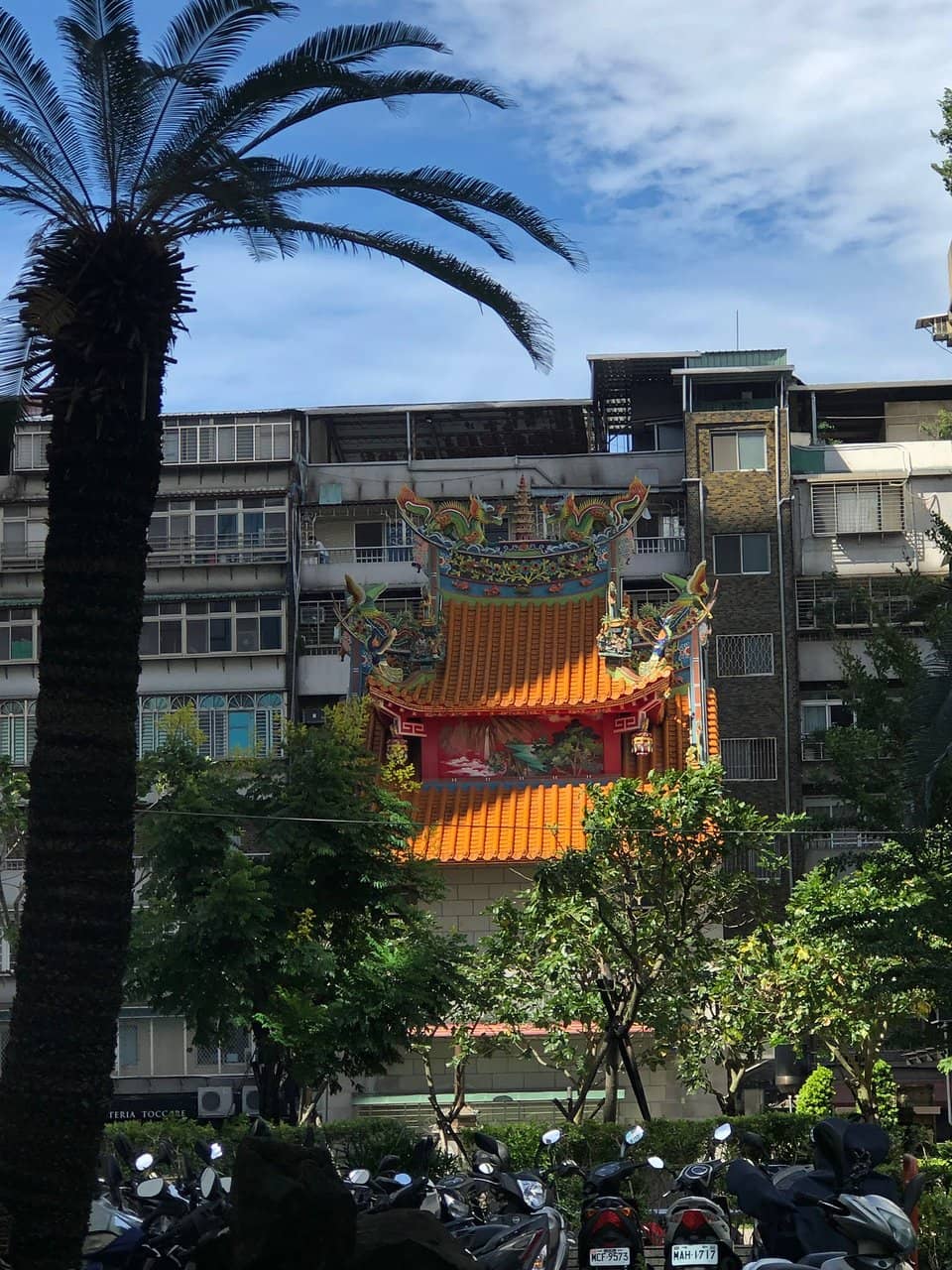
Don't miss the incredible stone carvings and roof details on the upper floors.
🚶♀️ Explore the Bangka Area
Combine your temple visit with nearby historical sites and food streets.
Quick Facts
Hours
Rating
4.2 · 1,966 reviews
Type
Place of Worship
Highlights
Discover the most iconic attractions and experiences
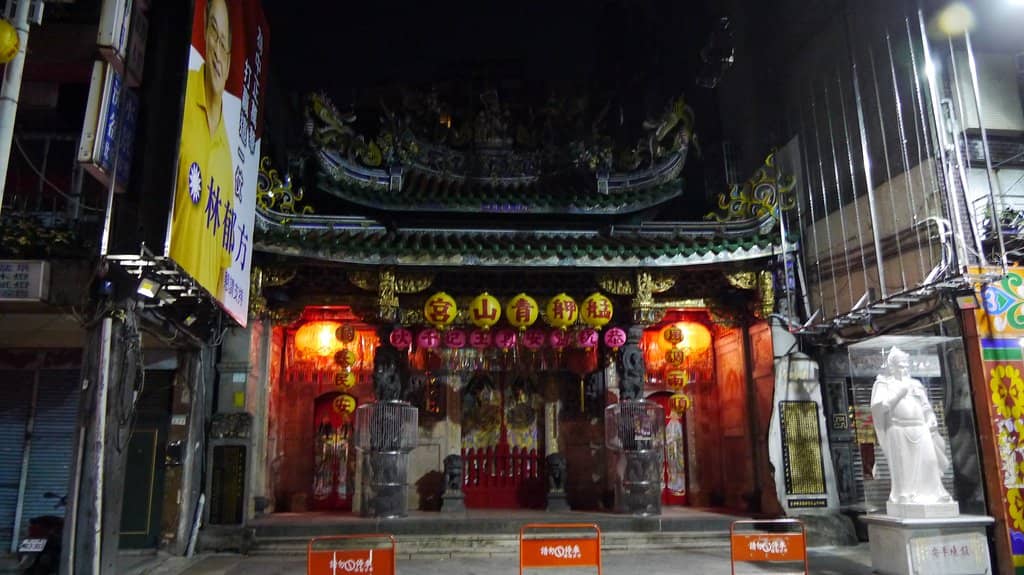
Intricate Wood Carvings
Marvel at the detailed woodwork, a testament to traditional craftsmanship.
Colorful Ceramic Figures
Admire the vibrant ceramic art adorning the temple's structures.
Qingshan King Festival
Experience a vibrant cultural event with parades and rituals (seasonal).

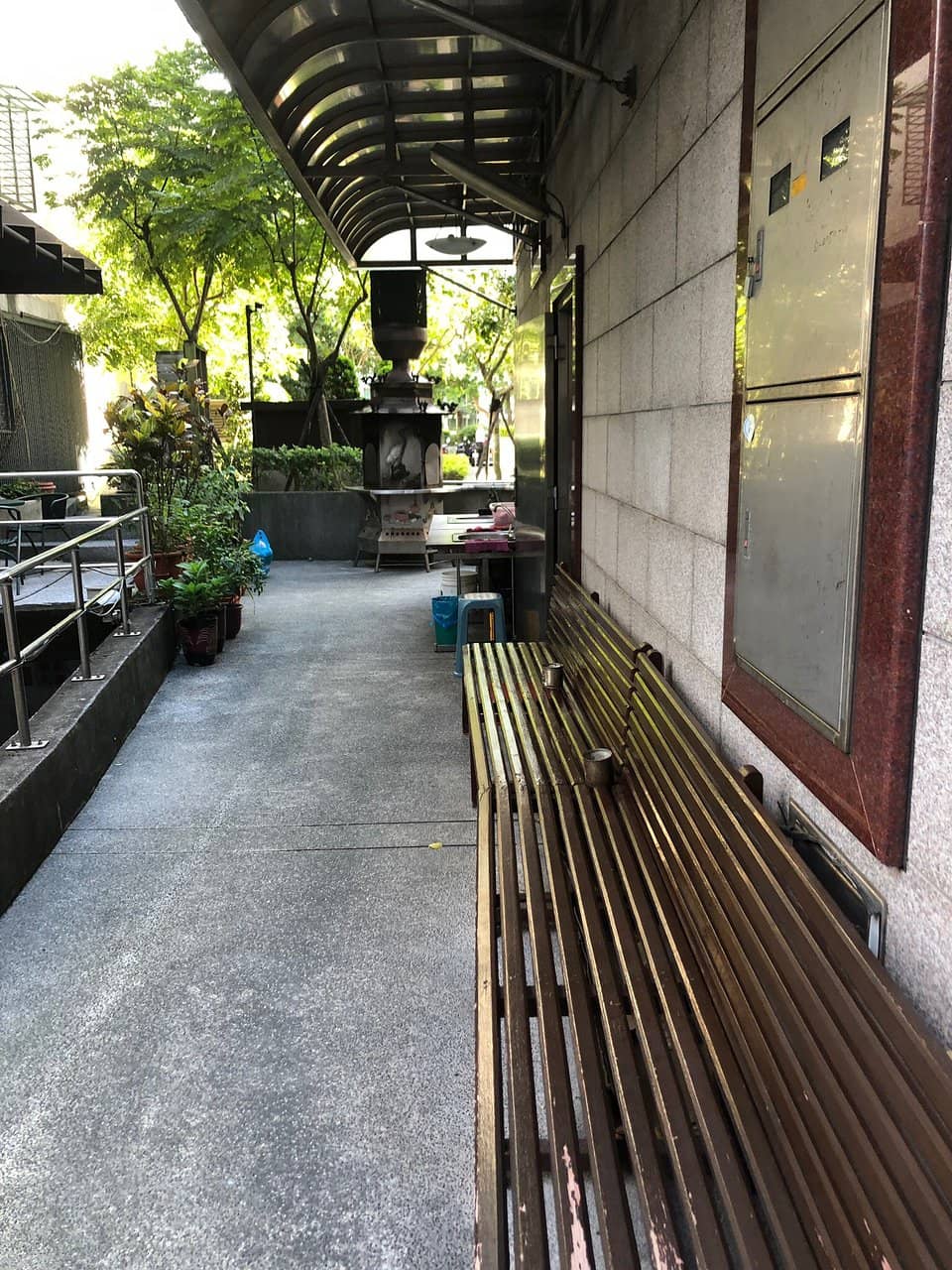
Zen Atmosphere
Find a tranquil escape from the city bustle in its peaceful halls.
Plans like a pro.
Thinks like you
Planning Your Visit
Timing Your Visit for Serenity
Navigating the Temple's Charm
Best Times
Insider Tips
from TikTok, Instagram & Reddit
🎯 Seek Out the Details
Don't miss the incredible stone carvings and roof details on the upper floors.
🚶♀️ Explore the Bangka Area
Combine your temple visit with nearby historical sites and food streets.
🙏 Respectful Attire
Dress modestly to show respect when visiting this active place of worship.
🗓️ Check Festival Dates
Plan around the Qingshan King Festival for a lively experience or avoid for quiet.
Tips
from all over the internet
🎯 Seek Out the Details
Don't miss the incredible stone carvings and roof details on the upper floors.
🚶♀️ Explore the Bangka Area
Combine your temple visit with nearby historical sites and food streets.
🙏 Respectful Attire
Dress modestly to show respect when visiting this active place of worship.
🗓️ Check Festival Dates
Plan around the Qingshan King Festival for a lively experience or avoid for quiet.
What Travellers Say
Reviews Summary
Visitors praise Bangka Qingshan Temple for its historical depth, intricate artistry, and authentic, peaceful atmosphere. While some find it slightly off the beaten path, the reward is a genuine cultural experience away from the main tourist crowds. The temple's detailed carvings and vibrant decorations are consistently highlighted as stunning. +1
"Bangka Qingshan Temple is a historic Taoist temple, founded in 1854 and dedicated to Qingshan Wang (King of the Green Mountain), a deity believed to ward off disease and evil spirits.
According to legend, the statue of Qingshan Wang was brought from Huian County in China’s Fujian Province. When it arrived in Bangka, the statue became immovable — a sign interpreted as the deity’s wish to remain there. The temple was then built on that very site.
The structure features classic southern Chinese architecture, with intricate wood carvings, stone reliefs, and richly decorated shrines.
A major annual event at the temple is the Qingshan King Festival, held on the 22nd day of the 10th lunar month (typically November or December). Over three days, the festival includes parades, performances, and religious rituals, drawing large crowds of worshippers and visitors."
Anna Krzak
"Fascinating mid qing dynasty temple"
Fab C
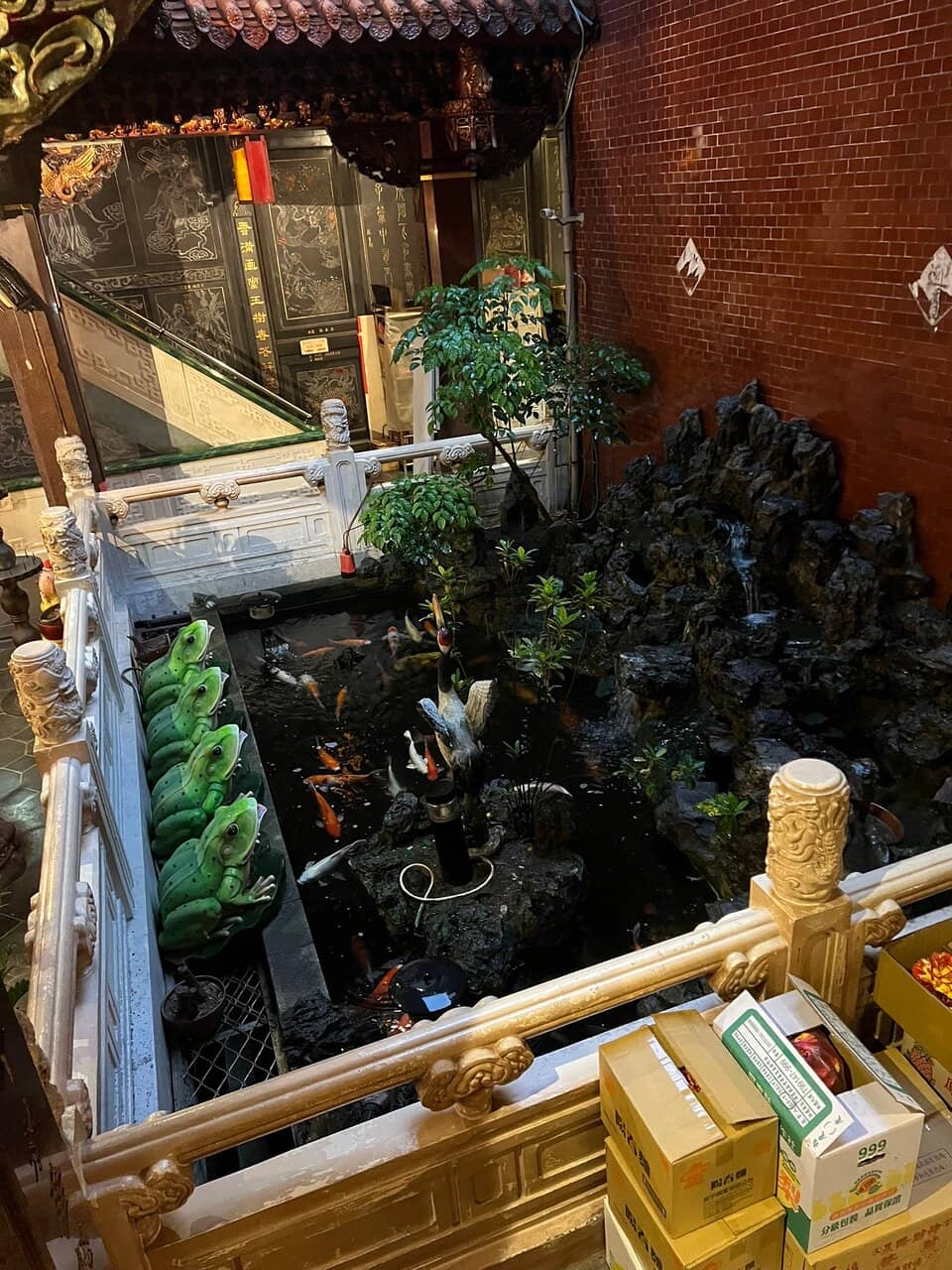
"One of the most temple of Taipei, not easy to find but once you start to visit you have the feeling to leave Taipei and the city. The first floor is not that incredible but once you arrived in the back with the Fontaine you start to feel the Zen and on the first floor too and finally go on the last floor and have a look on the roof the detail of the sculpture are incredible. Enjoy"
Thibaut CHUZEVILLE
What People Like
What People Dislike
Frequently Asked Questions
🚇 🗺️ Getting There
Qingshan Temple is located in the Wanhua District. The nearest MRT station is Ximen Station (Blue and Green Lines), from which you can take a bus or enjoy a walk of about 15-20 minutes. Some visitors suggest taking a taxi or ride-share for convenience, especially if coming from further afield.
Yes, it is accessible via MRT and bus routes. While not directly on an MRT line, it's a reasonable walk or short bus ride from Ximen Station, making it manageable for most travelers.
From Ximending, you can walk (approx. 15-20 mins), take a bus like the 302 or 205, or a taxi. The walk allows you to see more of the local neighborhood.
Parking can be challenging in this busy district. It's generally recommended to use public transportation or consider ride-sharing services rather than driving.
Absolutely! Using Google Maps or a similar navigation app is highly recommended to find the temple and the best routes from your location in Taipei.
🎫 🎫 Tickets & Entry
No, Qingshan Temple is free to enter. It's a functioning place of worship, and donations are welcome but not required.
The temple is generally open daily from early morning until late evening. Specific hours can vary, but it's typically accessible throughout most of the day.
To experience the temple's peaceful atmosphere, aim for weekday mornings or late afternoons. Avoid major holidays and the Qingshan King Festival if you prefer fewer people.
No advance booking is necessary as there is no admission fee. You can visit spontaneously.
Visitors are expected to dress respectfully, avoid loud noises, and be mindful of worshippers. Photography is generally allowed, but be discreet.
🎫 🧭 Onsite Experience
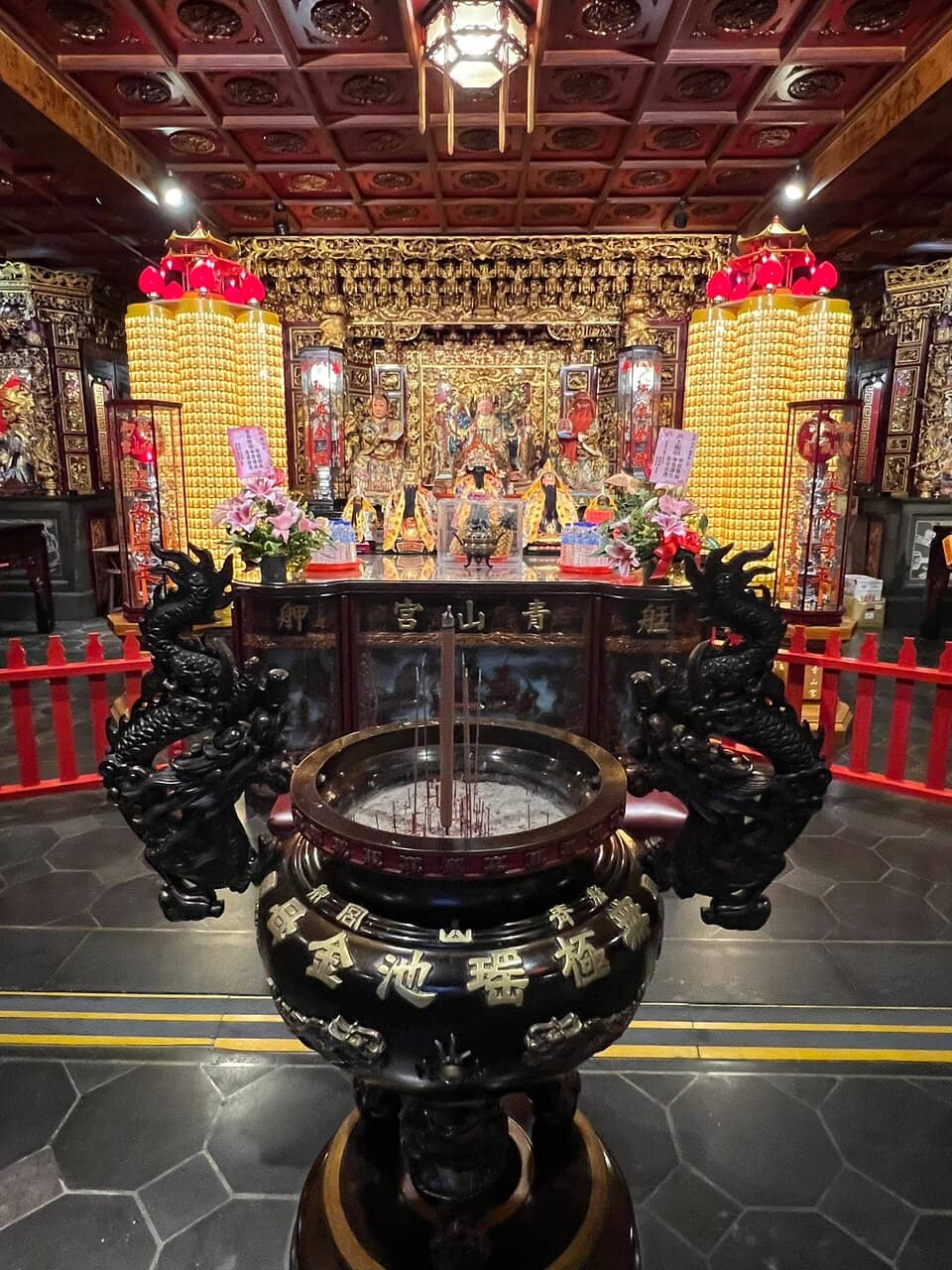
Qingshan Temple is renowned for its historical significance, dating back to 1854, its classic southern Chinese architecture, and its intricate stone carvings and colorful ceramic figures. It's dedicated to Qingshan Wang, a deity believed to ward off disease.
Explore the detailed woodwork, vibrant ceramic figures, and the main shrine dedicated to Qingshan Wang. The upper floors offer impressive roof details and a sense of tranquility.
Yes, the temple's intricate details, colorful decorations, and traditional architecture make it a very photogenic spot. Capture the carvings, shrines, and the overall atmosphere.
This is a major annual event held around November/December, featuring parades, performances, and religious rituals to honor Qingshan Wang. It's a vibrant cultural spectacle.
Yes, families can visit. It offers a glimpse into Taiwanese culture and history. However, keep young children supervised due to the sacred nature of the site.
🍽️ 🍽️ Food & Dining
Yes, Qingshan Temple is located in the historic Bangka (Wanhua) district, which is known for its vibrant food scene. You can find many local eateries and street food stalls nearby.
Expect to find traditional Taiwanese snacks, local delicacies, and various street food options. It's a great area to sample authentic flavors.
While not a single designated 'food street' like some other areas, the streets surrounding Qingshan Temple in Wanhua are filled with local restaurants and food vendors offering a diverse range of dishes.
No, eating is generally not permitted inside the main temple halls to maintain the sanctity of the site. There are usually food stalls and restaurants in the vicinity.
Look for local favorites like Taiwanese fried chicken, oyster omelets, beef noodle soup, and various traditional desserts. Exploring the area will reveal many delicious options.
📸 📸 Photography
Focus on the intricate details of the wood carvings, the colorful ceramic figures, the main altar, and the temple's roof architecture. The overall atmosphere also makes for great shots.
Photography is generally permitted, but it's important to be respectful of worshippers and avoid using flash in sensitive areas. Be discreet and mindful.
Late afternoons can offer beautiful golden hour light that enhances the temple's colors and textures. Early mornings can provide a quieter setting for capturing details.
Drone usage is typically prohibited in and around religious sites to ensure safety and respect. Always check local regulations before flying a drone.
A versatile lens (like a 24-70mm) is useful for capturing both wide architectural shots and close-up details. A prime lens with a wide aperture can be great for low-light interiors.
You may also like

Taipei Fine Arts Museum Taipei

Bopiliao Historic Block Taipei

Xinbeitou Historic Station Taipei

Longshan Temple Taipei

Presidential Office Building Taipei

Ximending Taipei
Taipei Fine Arts Museum Taipei
Bopiliao Historic Block Taipei
Xinbeitou Historic Station Taipei
Longshan Temple Taipei
Presidential Office Building Taipei
Ximending Taipei

Maokong Gondola Taipei

Huaxi Street Night Market Taipei

Xiaoyoukeng Taipei

The Red House Taipei

Qingshui Temple Taipei

Social
from TikTok, Instagram & Reddit