Ng'ambo New Town
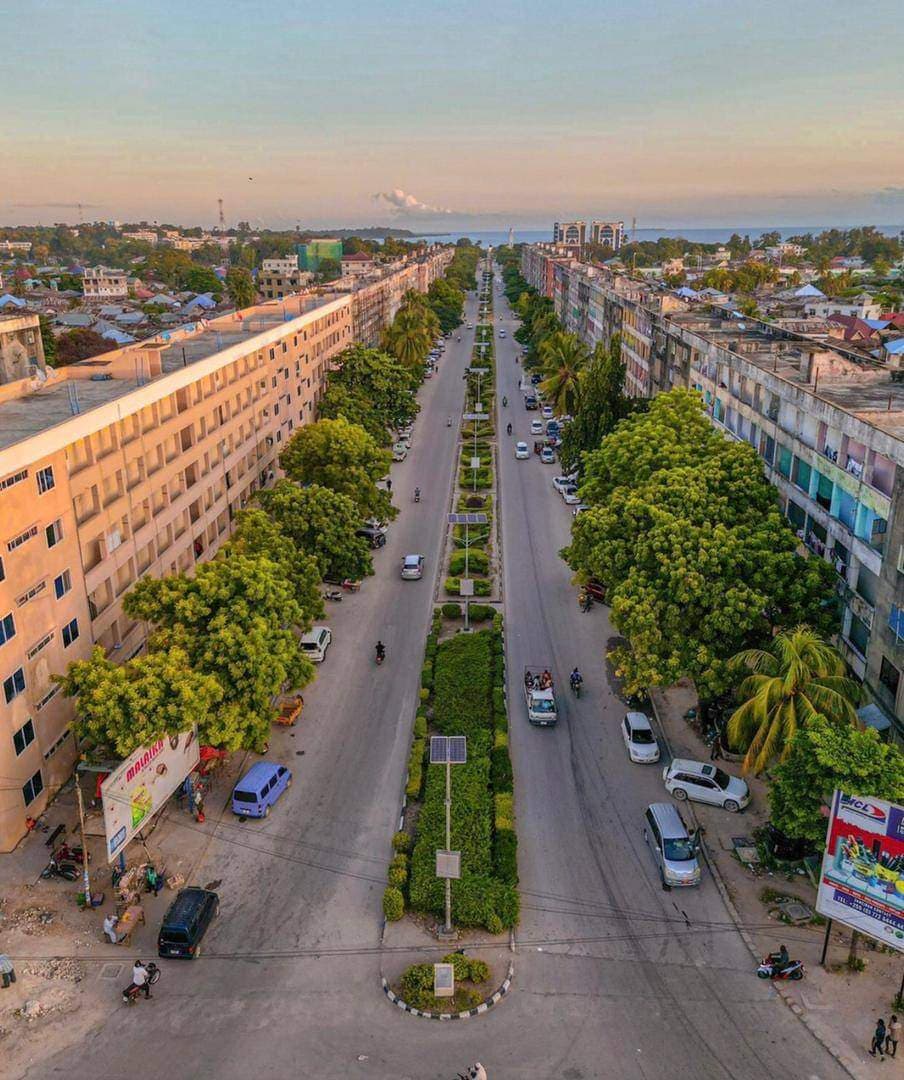
Ng'ambo is the historic heart of Dar es Salaam, offering an unfiltered glimpse into vibrant Tanzanian urban life, culture, and community.
Highlights
Must-see attractions

Social
From TikTok & Reddit
Best Time
Pleasant weather for exploring
Ng'ambo New Town
Best Time
Pleasant weather for exploring
Highlights
Must-see attractions
Ng'ambo is the historic heart of Dar es Salaam, offering an unfiltered glimpse into vibrant Tanzanian urban life, culture, and community.
🤝 Engage Respectfully
Always ask permission before taking photos of people. Be mindful of local customs and dress modestly.
🚶 Hire a Local Guide
Enhance your understanding of Ng'ambo's history and culture. Agree on a price upfront.
Quick Facts
Address
Highlights
Discover the most iconic attractions and experiences
Makumbusho ya Taifa (National Museum)
Dar es Salaam
Dive into Tanzania's rich history, culture, and natural heritage. Essential for understanding the region's past.
House of Wonders (Beit al-Ajaib)
Stone Town, Zanzibar
A majestic former palace, showcasing Zanzibar's opulent history and architectural grandeur. Offers stunning views.
Old Fort (Ngome Kongwe)
Stone Town, Zanzibar
Zanzibar's oldest building, a testament to its strategic past. Now hosts cultural events and artisan shops.
Plans like a pro.
Thinks like you
Planning Your Visit
Embrace the Local Vibe
Navigating Ng'ambo
Best Times
Insider Tips
from TikTok, Instagram & Reddit
🤝 Engage Respectfully
Always ask permission before taking photos of people. Be mindful of local customs and dress modestly.
🚶 Hire a Local Guide
Enhance your understanding of Ng'ambo's history and culture. Agree on a price upfront.
💧 Stay Hydrated
The Tanzanian heat can be intense. Carry plenty of water, especially when exploring on foot.
💰 Bargain Politely
For souvenirs and services, polite bargaining is expected. Start lower than you're willing to pay.

Tips
from all over the internet
🤝 Engage Respectfully
Always ask permission before taking photos of people. Be mindful of local customs and dress modestly.
🚶 Hire a Local Guide
Enhance your understanding of Ng'ambo's history and culture. Agree on a price upfront.
💧 Stay Hydrated
The Tanzanian heat can be intense. Carry plenty of water, especially when exploring on foot.
💰 Bargain Politely
For souvenirs and services, polite bargaining is expected. Start lower than you're willing to pay.
What Travellers Say
Reviews Summary
Ng'ambo offers an authentic, vibrant slice of Tanzanian urban life, rich in culture and history. Visitors praise its lively atmosphere, friendly locals, and the opportunity for genuine cultural immersion. However, some find the crowds and intensity overwhelming, and advise caution regarding personal belongings and navigating the bustling streets.
What People Like
What People Dislike
Frequently Asked Questions
🚇 🗺️ Getting There
Ng'ambo is easily accessible from Dar es Salaam's city center. You can take a local dala-dala (minibus) which is very affordable, or a taxi. Dala-dalas are a quintessential local experience, offering a glimpse into daily life. Taxis offer more comfort and direct routes.
Ng'ambo is generally safe for tourists, especially when sticking to main areas and being aware of your surroundings. It's advisable to avoid walking alone late at night and to keep valuables secure. Hiring a local guide can also enhance safety and your experience.
Walking is the best way to truly experience Ng'ambo's vibrant streets and soak in the atmosphere. For longer distances within the town or to reach specific points, dala-dalas are a cheap and authentic option. Taxis are also available.
Ng'ambo is a sprawling urban area, so there aren't formal 'entrances' like a park. You'll typically arrive via main roads leading into the district from other parts of Dar es Salaam. Your dala-dala or taxi will drop you off within the heart of the town.
From Julius Nyerere International Airport (DAR) to Ng'ambo, a taxi ride typically takes around 30-45 minutes, depending on traffic. Dala-dalas would involve multiple transfers and take significantly longer.
🎫 🎫 Tickets & Entry
No, Ng'ambo New Town is a residential and commercial district, not a ticketed attraction. You are free to explore its streets and markets without purchasing an entry ticket.
Ng'ambo is a bustling area that is active throughout the day and into the evening. There are no official opening or closing hours as it's a living community. However, shops and markets have their own operating times.
Yes, many local guides offer walking tours of Ng'ambo. These tours are highly recommended for gaining deeper insights into the area's history, culture, and daily life. You can often arrange these through your accommodation or local tour operators.
The cost of guided tours can vary depending on the duration, group size, and what's included. It's best to negotiate a price beforehand. Expect to pay anywhere from $20-$50 USD for a few hours, but this is negotiable.
Absolutely! Many visitors explore Ng'ambo independently. However, a guide can significantly enhance your understanding and help you navigate the area more effectively, pointing out significant landmarks and cultural nuances you might otherwise miss.
🎫 🧭 Onsite Experience
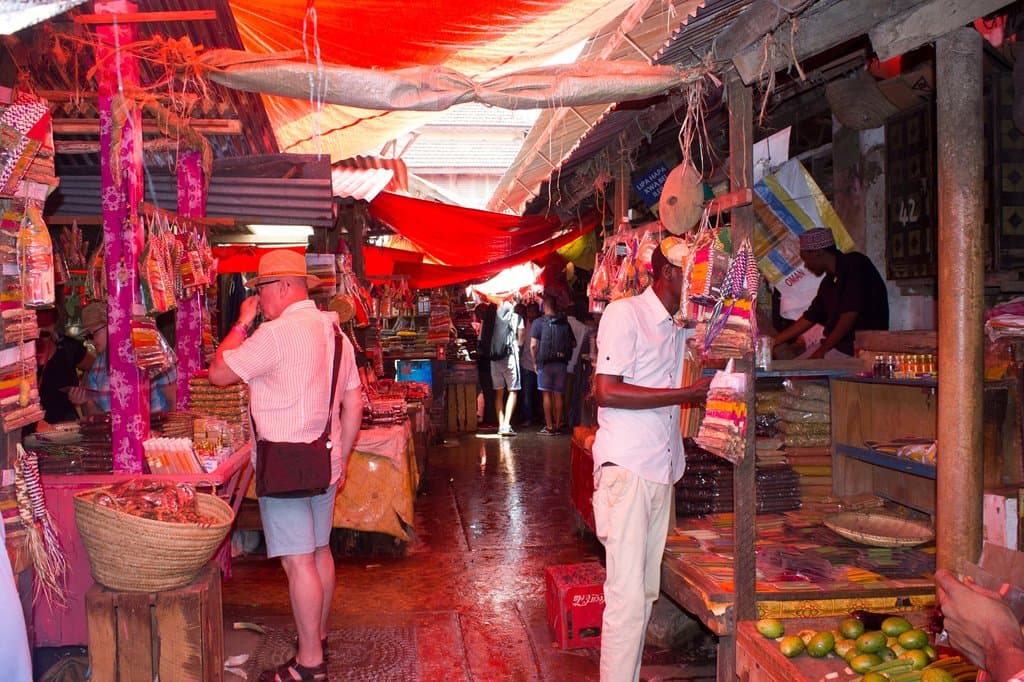
While Ng'ambo is more about the atmosphere, look for vibrant street art, local workshops, bustling markets, and the unique architecture that tells stories of its past. Engaging with locals is a key part of the experience.
You can find a variety of local crafts, including wood carvings, textiles, jewelry, and traditional Swahili art. Many artisans have small workshops where you can see them at work.
It's crucial to always ask for permission before taking photos of individuals, especially children. Many people are happy to be photographed if asked politely, and sometimes a small tip is appreciated.
Dress modestly, out of respect for the local culture. Lightweight, breathable clothing is recommended due to the heat. Comfortable walking shoes are essential as you'll be doing a lot of exploring on foot.
Public restrooms are not widely available or may not be up to international standards. It's best to use facilities at cafes, restaurants, or ask your guide if you're on a tour.
🍽️ 🍽️ Food & Dining
Look for small, local eateries (vibandas) and street food stalls. These offer the most authentic and affordable Swahili dishes. Try pilau, ugali, and fresh seafood.
Must-try dishes include pilau (spiced rice with meat), ugali (maize porridge), mishkaki (grilled meat skewers), and various fresh seafood preparations. Don't miss mandazi (fried dough) for breakfast.
Street food can be delicious and safe if you choose vendors who are busy and appear clean. Observe where locals are eating; a high turnover usually means fresh food. Start with cooked items.
Yes, many Swahili dishes can be made vegetarian or vegan. Look for vegetable curries, lentil stews, and dishes based on rice and ugali. Inform your server about your dietary needs.
Food in Ng'ambo is generally very affordable. A hearty meal at a local eatery can cost as little as $2-$5 USD. Street food snacks are even cheaper.
📸 📸 Photography
Capture the vibrant street life, colorful markets, unique architecture, local artisans at work, and the genuine smiles of the residents. The late afternoon light is particularly beautiful.
Always ask for permission before photographing individuals. A polite gesture and a smile go a long way. Some may ask for a small payment, which is customary.
A versatile lens (like a 24-70mm equivalent) is great for street scenes and portraits. A wide-angle lens can capture the bustling markets and architecture. A smartphone with a good camera is also sufficient for most shots.
Generally, there are no specific restrictions on photography in public areas of Ng'ambo. However, always be mindful and respectful, and avoid photographing sensitive areas or individuals who seem uncomfortable.
The 'golden hours' – early morning and late afternoon – offer soft, flattering light. Midday can be harsh, but it's also when markets are most active.

Social
from TikTok, Instagram & Reddit