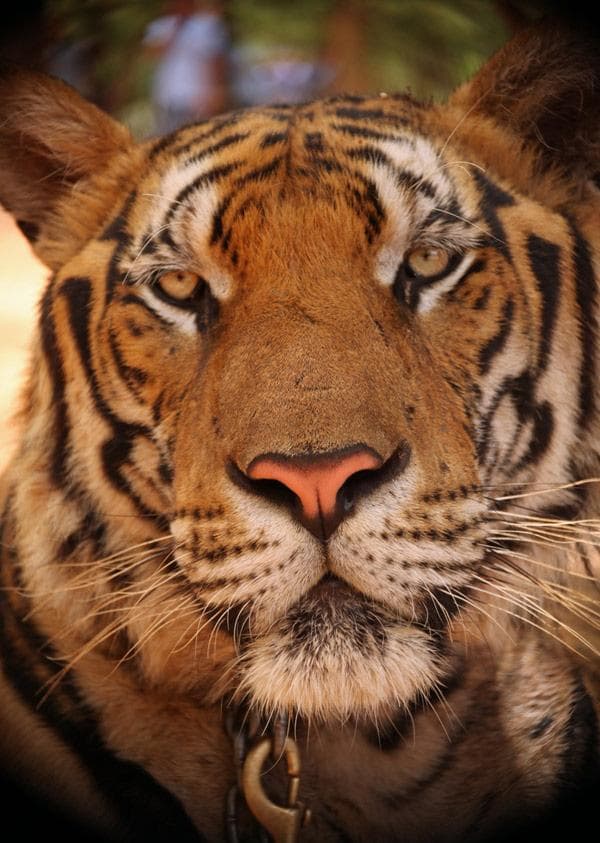
Wat Pa Luangta Bua Yannasampanno Kanchanaburi
A sanctuary for rescued farm animals, offering a hands-on feeding experience and a chance to support animals saved from slaughter.
Highlights
Must-see attractions

Social
From TikTok & Reddit
Best Time
Animals are active and ready to eat
Wat Pa Luangta Bua Yannasampanno Kanchanaburi
Best Time
Animals are active and ready to eat
Highlights
Must-see attractions
A sanctuary for rescued farm animals, offering a hands-on feeding experience and a chance to support animals saved from slaughter.
"It's a chance to support animals saved from slaughterhouses and experience direct interaction."
🎯 Buy Food Bags for Animals
Purchase large bags of food (approx. 100 baht) to feed the many rescued animals. Essential for their well-being!
🚗 Hire a Local Guide
For an enhanced experience, hire a local guide with a truck to take you around and help feed all the animals.
Quick Facts
Hours
Rating
3.9 · 248 reviews
Type
Tourist Attraction
Highlights
Discover the most iconic attractions and experiences
Feeding the Farm Animals
Sanctuary grounds
Engage directly with rescued deer, cows, pigs, and more. Purchase food bags and enjoy a hands-on experience supporting these animals.
Local Guide Experience
Sanctuary entrance
Opt for a local guide with a truck to explore and feed animals across the grounds. A great way to ensure you don't miss any hungry residents.
Peaceful Sanctuary Grounds
Throughout the sanctuary
Enjoy the serene atmosphere of the sanctuary, a safe haven for animals rescued from difficult situations.
Plans like a pro.
Thinks like you
Planning Your Visit
Tiger Sanctuary's Past and Present
Supporting Rescued Animals
Best Times
Insider Tips
from TikTok, Instagram & Reddit
🎯 Buy Food Bags for Animals
Purchase large bags of food (approx. 100 baht) to feed the many rescued animals. Essential for their well-being!
🚗 Hire a Local Guide
For an enhanced experience, hire a local guide with a truck to take you around and help feed all the animals.
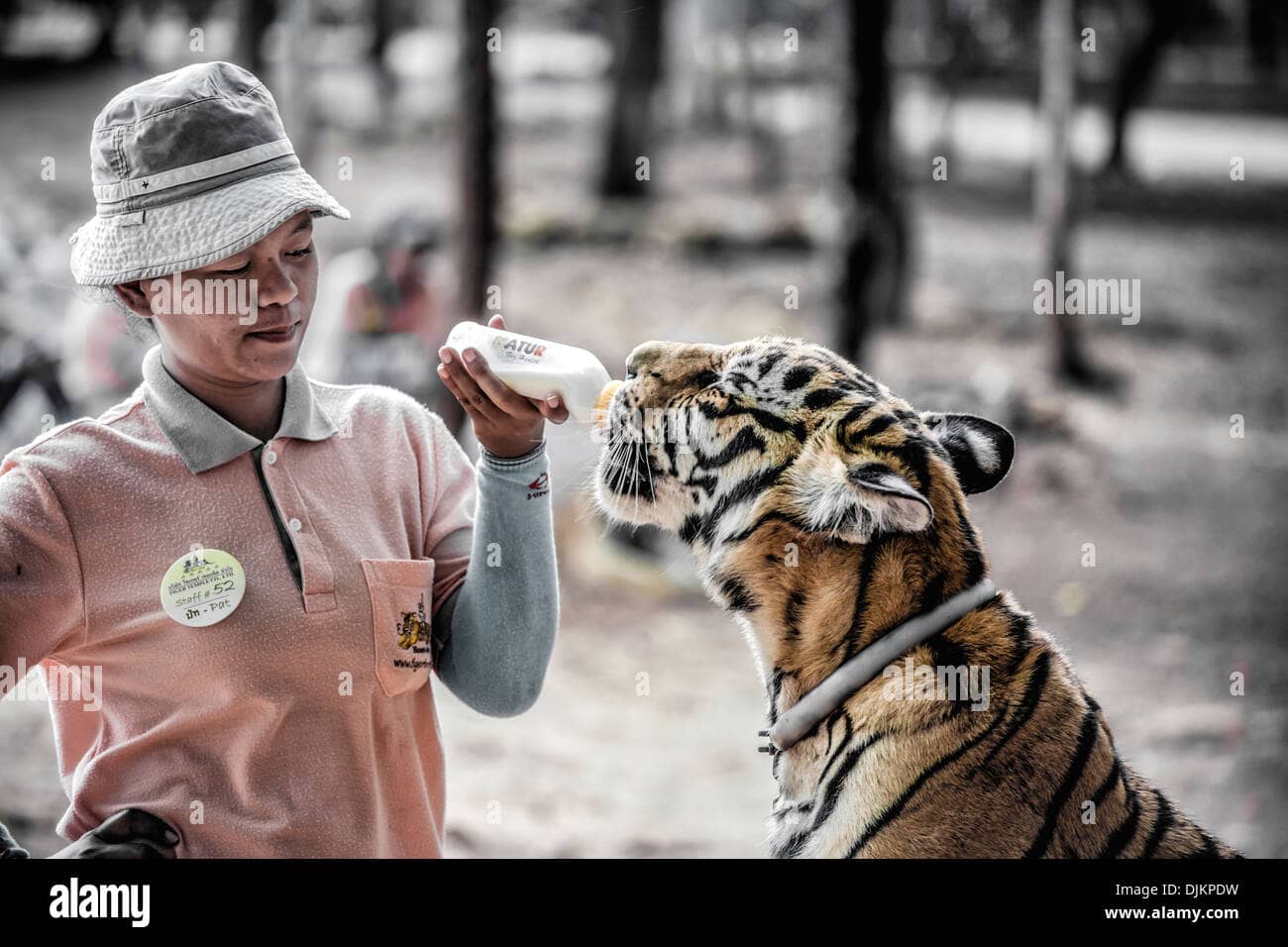
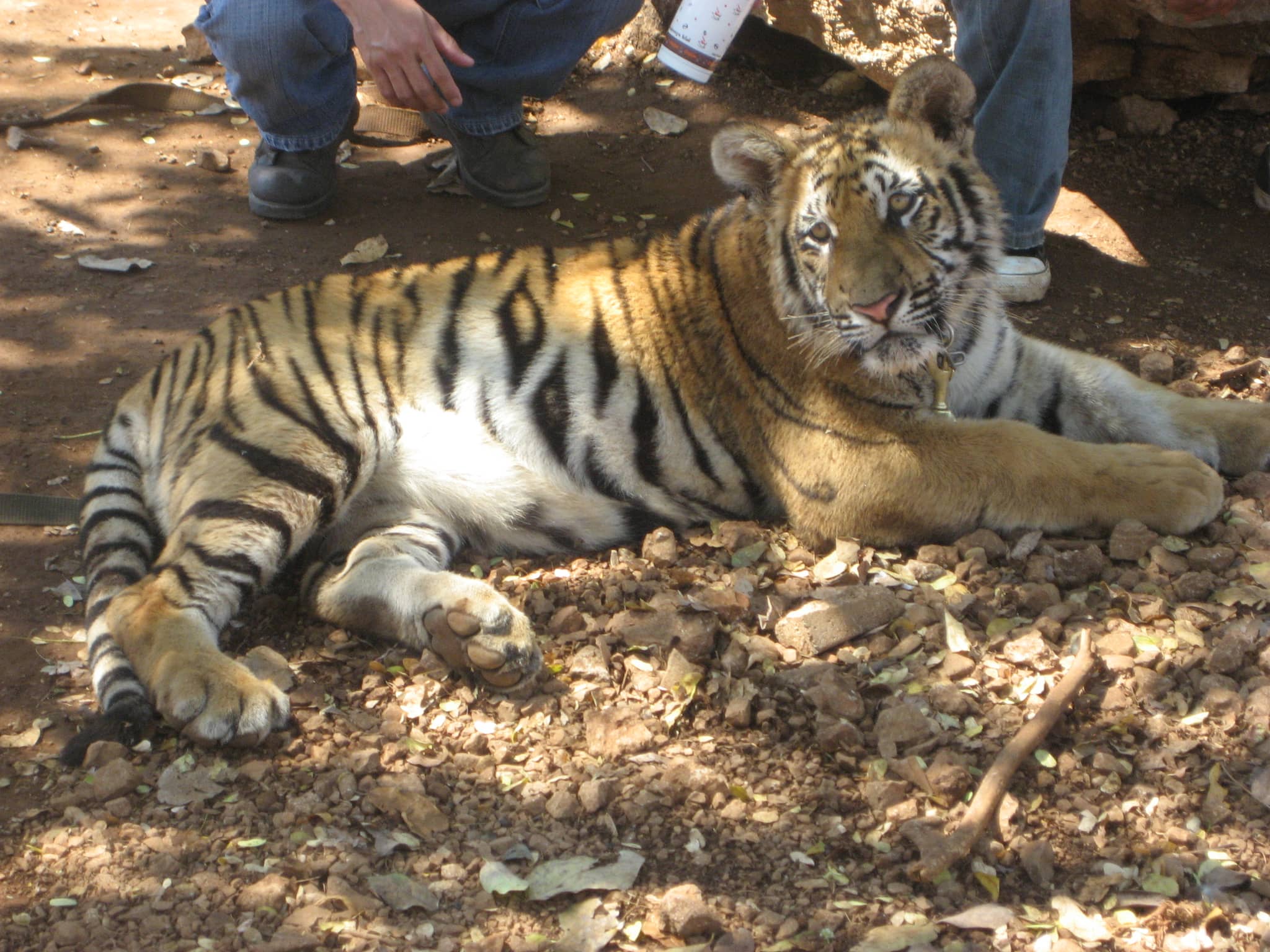
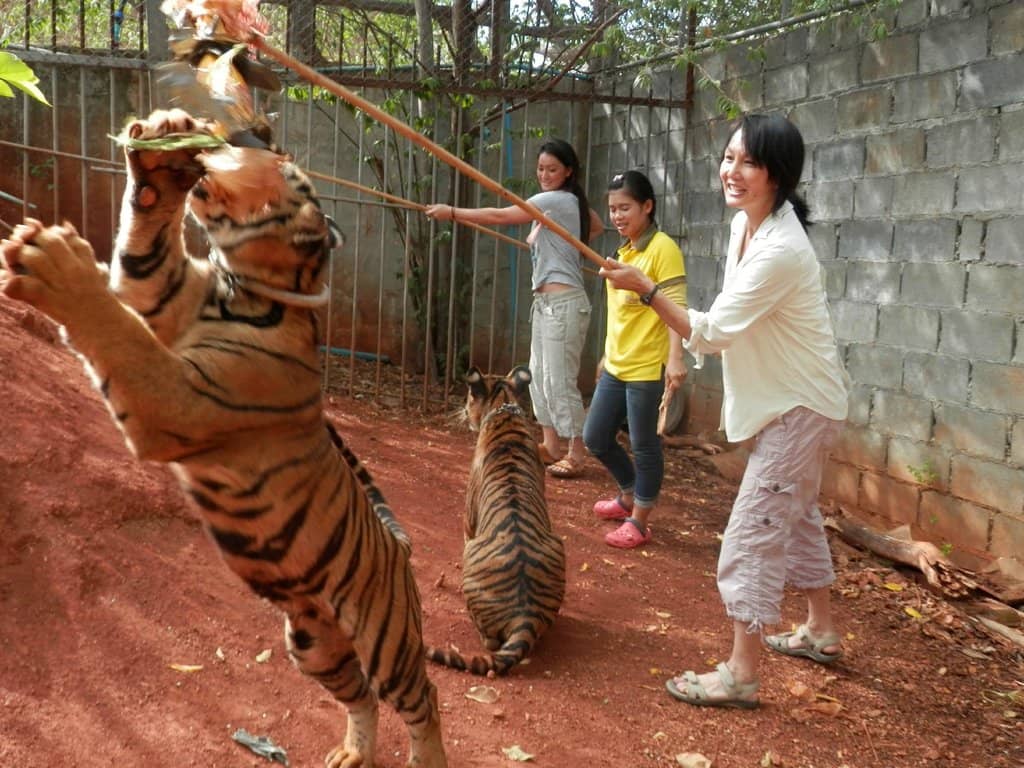
🚫 No More Tigers Here
Understand that tigers have been removed. The focus is now on rescued farm animals.
👟 Wear Comfortable Shoes
You'll be walking around to feed various animals, so comfortable footwear is a must. :athletic_shoe:
Tips
from all over the internet
🎯 Buy Food Bags for Animals
Purchase large bags of food (approx. 100 baht) to feed the many rescued animals. Essential for their well-being!
🚗 Hire a Local Guide
For an enhanced experience, hire a local guide with a truck to take you around and help feed all the animals.
🚫 No More Tigers Here
Understand that tigers have been removed. The focus is now on rescued farm animals.
👟 Wear Comfortable Shoes
You'll be walking around to feed various animals, so comfortable footwear is a must. :athletic_shoe:
📸 Focus on the Experience
While photos are possible, immerse yourself in feeding the animals rather than just capturing images.
What Travellers Say
Reviews Summary
Visitors praise Wat Pa Luangta Bua for its current mission of rescuing and caring for farm animals, highlighting the joy of feeding them. While the absence of tigers is noted, the sanctuary's role in providing a safe haven for animals saved from slaughter is highly appreciated. Some mention the need for better transportation arrangements and the importance of visitor support.
"Fortunately, there are no more tigers here! You can easily buy food for the animals right outside the Sanctuary, which makes the experience even more fun. I highly recommend going with a local guide—they handle the driving and make feeding the animals so much easier and more enjoyable than doing it on your own"
Nico Steinemann
"The place looks abandoned but still gives business to many people. Inside has many deers, cows, pigs that you can feed. The animals looks like they're in very good condition and were fat. My kids had so much fun going here and feeding animals."
Rakkz Travel and Tours
"This temple has an an unfair reputation. In the past it was a tiger sanctuary where privately owned tigers were rescue by the abbot. Animal control Department removed these tigers from the temple care.
What this temple is now is a sanctuary for rescued animals that were destined for the abattoir. There are local farmers who sold farm produce that are not suitable for market sale to the tourist. 5 bags for 500 bahts and they will take you around the temple to feed the hungry animals.
This time around we also had the local children came along and help.
We need more people to come and change the reputation of this temple. This temple is a safehouse for rescued animal."
Nisit P
What People Like
What People Dislike
Frequently Asked Questions
🚇 🗺️ Getting There
The most common way is by taxi or hiring a private car. Some visitors opt for local buses, but be prepared for a longer journey and potentially a significant walk to the sanctuary. Hiring a local guide with a truck can also include transportation.
Finding return transport can be challenging, especially if you don't arrange it beforehand. It's advisable to book a return trip or ask your guide for assistance.
Yes, you can drive yourself. There is parking available. However, navigating local roads and finding the exact location might be easier with GPS or a local guide.
The sanctuary is generally open during daylight hours. Specific times can vary, so it's best to check locally or with your guide.
While not strictly necessary, some visitors find that joining a tour or hiring a local guide enhances the experience, especially for transportation and understanding the sanctuary's mission.
🎫 🎫 Tickets & Entry
There isn't a fixed entrance fee. The sanctuary relies on donations and the purchase of food for the animals. Buying food bags is the primary way to contribute.
Food bags for the animals typically cost around 100 baht for a large bag. If you hire a guide with a truck, the cost might be higher but includes transportation and more extensive feeding.
No special tickets or passes are required for entry. Your contribution comes through purchasing food for the animals or optional guide services.
Advance booking is not typically required for entry, as it's not a ticketed attraction. You can purchase food and arrange guide services upon arrival.
Visiting hours are generally during the day when the animals are most active and visible. It's best to confirm current hours locally.
🎫 🐅 Animal Encounters (Past & Present)
No, the tigers have been removed from the sanctuary. The focus has shifted to caring for rescued farm animals.
You can feed a variety of rescued farm animals, including deer, cows, pigs, buffaloes, and horses.
There have been past claims of tigers being sedated, but the sanctuary denies this. The current focus is on rescued farm animals, not tigers.
Reviews suggest the animals are in good condition and appear well-fed. Visitors often note how fat and healthy the animals look.
While you can feed many of the animals, direct physical contact might be limited depending on the animal and the situation. The primary interaction is through feeding.
📸 📸 Photography
Yes, photography is generally allowed. However, some visitors recommend focusing on the experience of feeding the animals rather than just taking pictures.
There are no specific restrictions mentioned, but always be respectful of the animals and other visitors. Avoid using flash photography directly at the animals.
The feeding areas offer great opportunities for candid shots of you interacting with the animals. The general sanctuary grounds also provide scenic backdrops.
While you can't pose with tigers anymore, you can certainly take photos while feeding the various farm animals.
There are no official professional photographers. However, local guides might offer to take photos for you as part of their service.
🍽️ 🍽️ Food & Dining
While the focus is on animal food, some basic refreshments might be available. It's advisable to bring your own snacks or eat before/after your visit.
The stalls at the front primarily sell food for the animals. It's recommended to dine at local restaurants in Kanchanaburi or along the way.
You can purchase bags of fruits, vegetables, and other feed suitable for the deer, cows, pigs, and other farm animals.
The cost for a large bag of animal food is generally around 100 baht, which is considered reasonable for the amount provided.
If you plan to eat at nearby establishments, vegetarian options are common in Thai cuisine. The sanctuary itself doesn't offer visitor meals.
Social
from TikTok, Instagram & Reddit