Ban Chiang Archaeological Site and Museum
Explore Ban Chiang, a UNESCO site revealing Southeast Asia's ancient Bronze Age culture through remarkable pottery and bronze artifacts.
Highlights
Must-see attractions

Social
From TikTok & Reddit
Best Time
Cooler, dry season
Ban Chiang Archaeological Site and Museum
Best Time
Cooler, dry season
Highlights
Must-see attractions
Explore Ban Chiang, a UNESCO site revealing Southeast Asia's ancient Bronze Age culture through remarkable pottery and bronze artifacts.
"A fascinating glimpse into prehistoric Southeast Asia, with unique pottery and a peaceful village atmosphere."
Translate with QR Codes
Use the provided QR codes for multi-language translations of exhibits. :iphone:
Souvenir Shopping
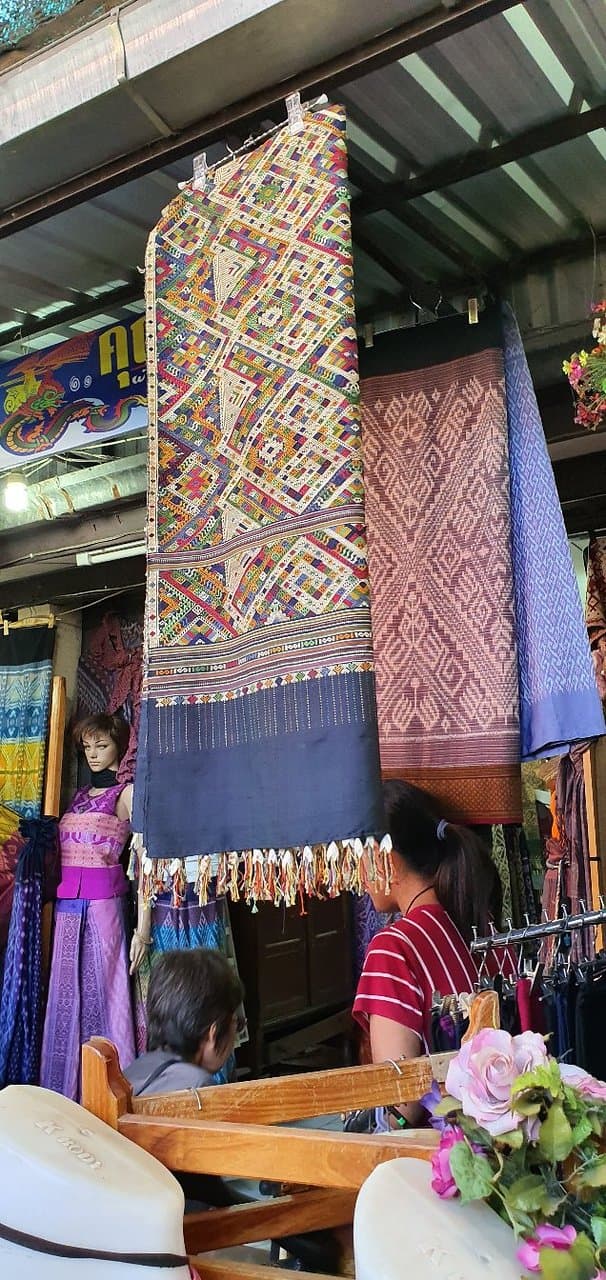
Find unique souvenirs like shirts and keychains with vase designs across the street. :shopping_bags:
Quick Facts
Hours
Rating
4.5 · 1,858 reviews
Type
Museum
Highlights
Discover the most iconic attractions and experiences
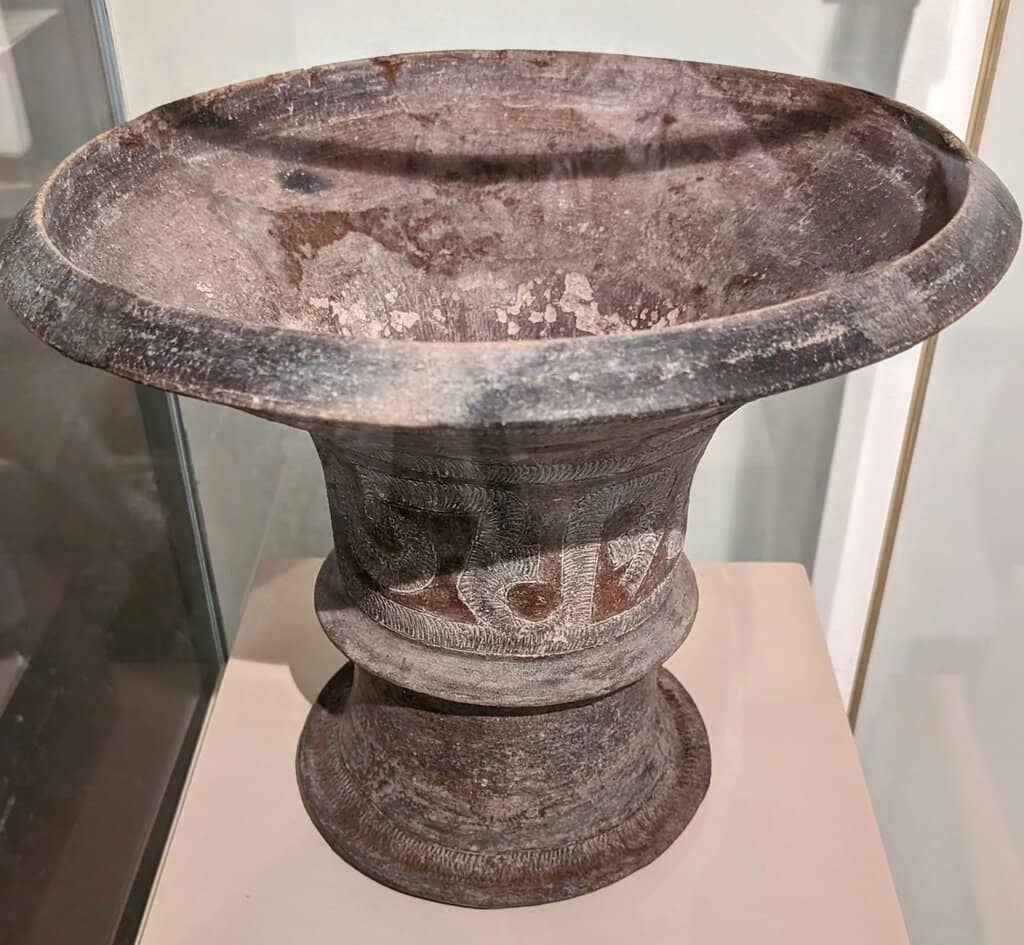
Ancient Pottery and Bronze Artifacts
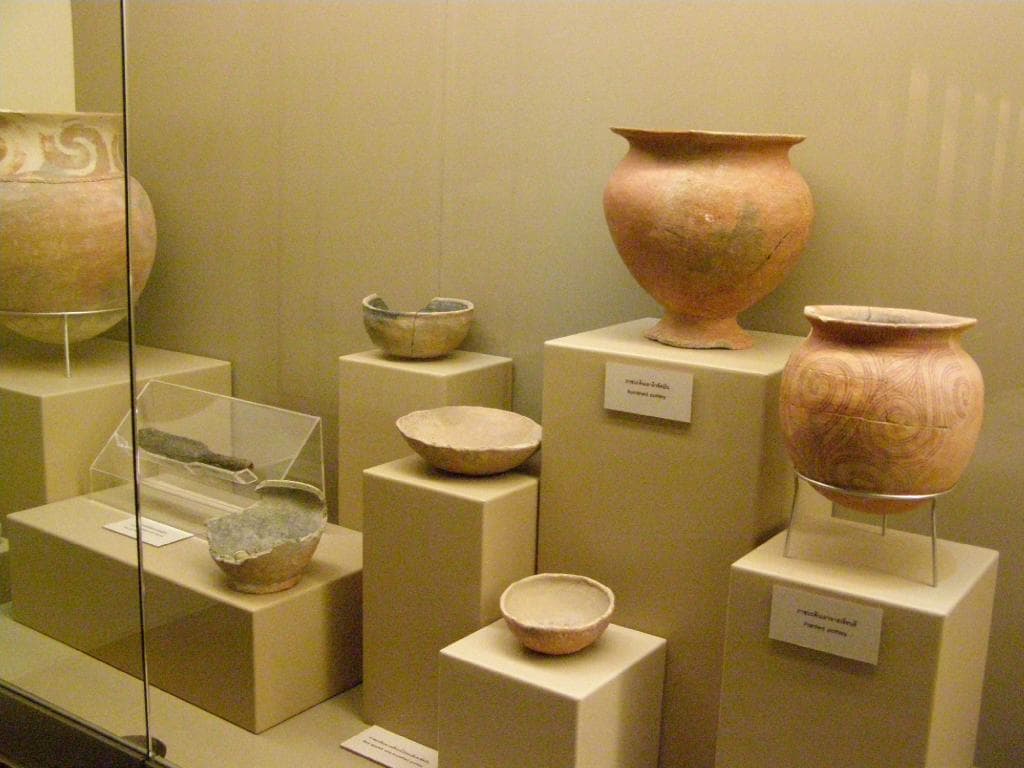
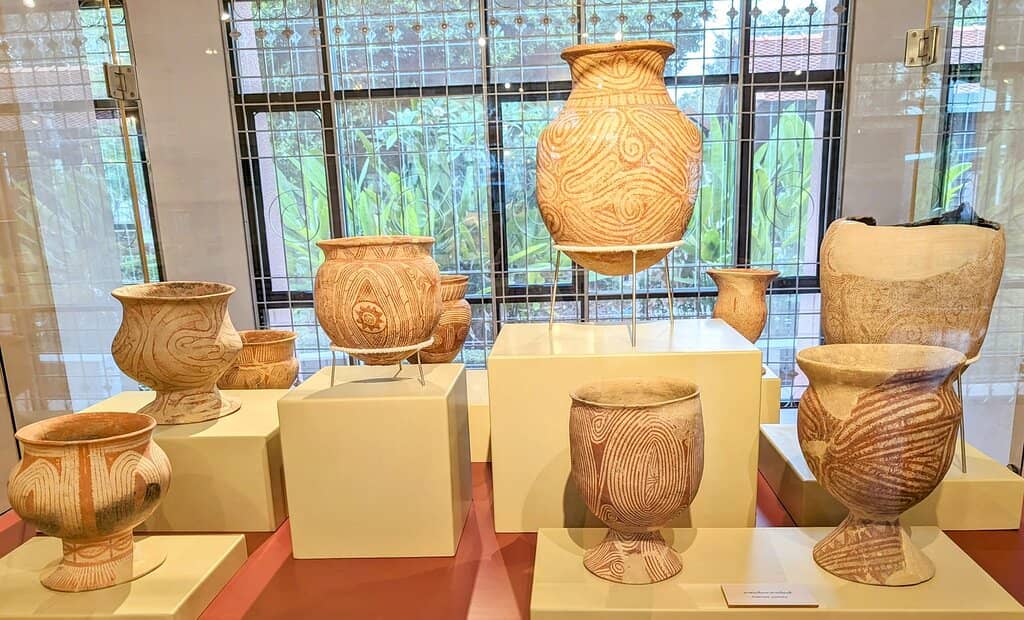
Marvel at the distinctive red-on-buff pottery and intricate bronze tools, showcasing a sophisticated Bronze Age culture.
Dioramas of Prehistoric Life
Visualize the lives of ancient inhabitants through detailed dioramas depicting their daily activities and burial practices.
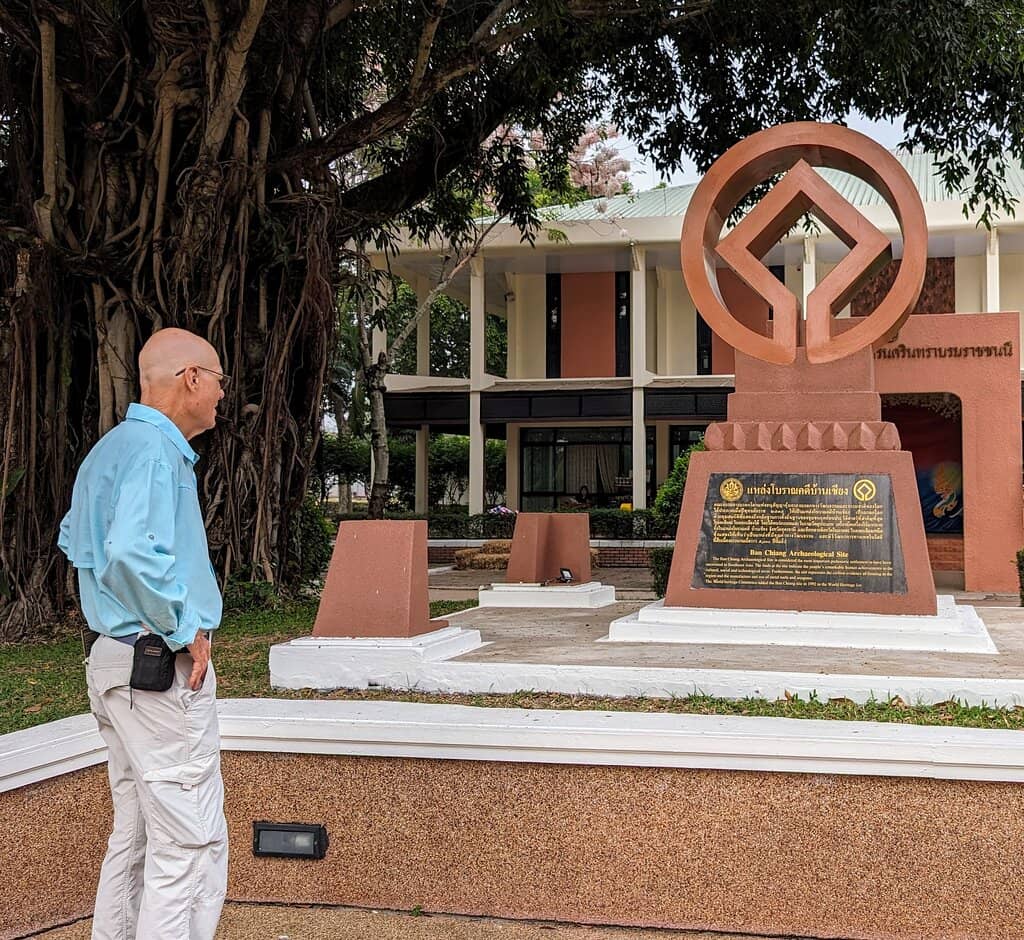
UNESCO World Heritage Status
Experience a site recognized globally for its immense archaeological and anthropological significance.
Plans like a pro.
Thinks like you
Planning Your Visit
Plan Your Visit to Ban Chiang
Understanding the Site's Importance
Best Times
Insider Tips
from TikTok, Instagram & Reddit
Translate with QR Codes
Use the provided QR codes for multi-language translations of exhibits. :iphone:
Souvenir Shopping
Find unique souvenirs like shirts and keychains with vase designs across the street. :shopping_bags:
Audio-Visual Context
Take advantage of the audio tour and videos for deeper understanding. 🎥
Peaceful Village Ambiance
Enjoy the tranquil atmosphere of the village surrounding the museum. :villageredbook:
Tips
from all over the internet
Translate with QR Codes
Use the provided QR codes for multi-language translations of exhibits. :iphone:
Souvenir Shopping
Find unique souvenirs like shirts and keychains with vase designs across the street. :shopping_bags:
Audio-Visual Context
Take advantage of the audio tour and videos for deeper understanding. 🎥
Peaceful Village Ambiance
Enjoy the tranquil atmosphere of the village surrounding the museum. :villageredbook:
What Travellers Say
Reviews Summary
Visitors consistently praise Ban Chiang for its significant archaeological importance and the well-preserved ancient artifacts, particularly the distinctive pottery. The UNESCO World Heritage status is frequently highlighted, offering a deep dive into Southeast Asia's Bronze Age. While the museum is informative, some visitors note that the surrounding village offers a more tranquil experience.
"It was New Year's Day, so we were able to enter for free. I was impressed that the design of the excavated vases was still clearly visible. There was a QR code that could be translated into about six languages, which was very fun. I bought a shirt and a key chain with a vases design as souvenirs."
Poporon 23
"Ban Chiang National Museum is located in the North East of Thailand, in a town named Udon Thani. This museum is full of artifact from the Bronze Era like 3000 to 1800 BC. The excavation was started in the 70's and King Bumiphol was there to witness the excavation and all documented in the museum with audio visual as well. Tickets priced at 50 baht for locals and 150 baht for foreigners. The Museum closes at 4.00 pm. There's a row of merchandise right across the street and you can get a lot of item's."
Ramasamy R.Magendran
"Highly rated museum with internationally validated information that was fun to walk around. The staff was helpful and eager to share insights. There is an audio tour and a video to provide additional background and context. The pottery and burial sites of the prehistoric people who lived here thousands of years ago are extremely significant archeological and anthropological findings on a global scale. To understand the impact of these findings in Southeast Asia, and Thailand in particular, is fascinating and wonderful. The ticket cost was 150B for foreigners and 30B for Thais. It's a UNESCO site."
Deborah Long
What People Like
What People Dislike
Frequently Asked Questions
🚇 🗺️ Getting There
Ban Chiang is located in Udon Thani province, Northeast Thailand. You can reach Udon Thani by flight or train from Bangkok, then take a local bus or taxi to the museum. The journey from Bangkok is approximately 8-10 hours by road or 1 hour by flight.
Yes, Ban Chiang is about an hour's drive from Udon Thani city. Local buses and songthaews (shared taxis) are available, or you can hire a private taxi for more convenience.
Within the village, walking is a pleasant way to explore. For longer distances or to visit nearby related sites, consider renting a bicycle or hiring a local tuk-tuk.
🎫 🎫 Tickets & Entry
The ticket price is 150 Baht for foreigners and 30 Baht for Thai nationals. Special occasions like New Year's Day may offer free entry.
The museum typically closes at 4:00 PM. It's advisable to check the latest hours before your visit, especially on public holidays.
Currently, there is no online ticketing system. Tickets are purchased at the museum entrance.
Yes, Ban Chiang is recognized as a UNESCO World Heritage site due to its significant prehistoric findings.
🎫 🧭 Onsite Experience
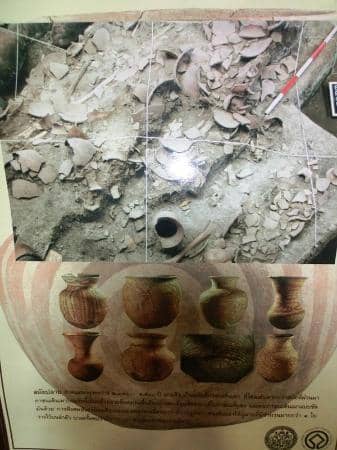
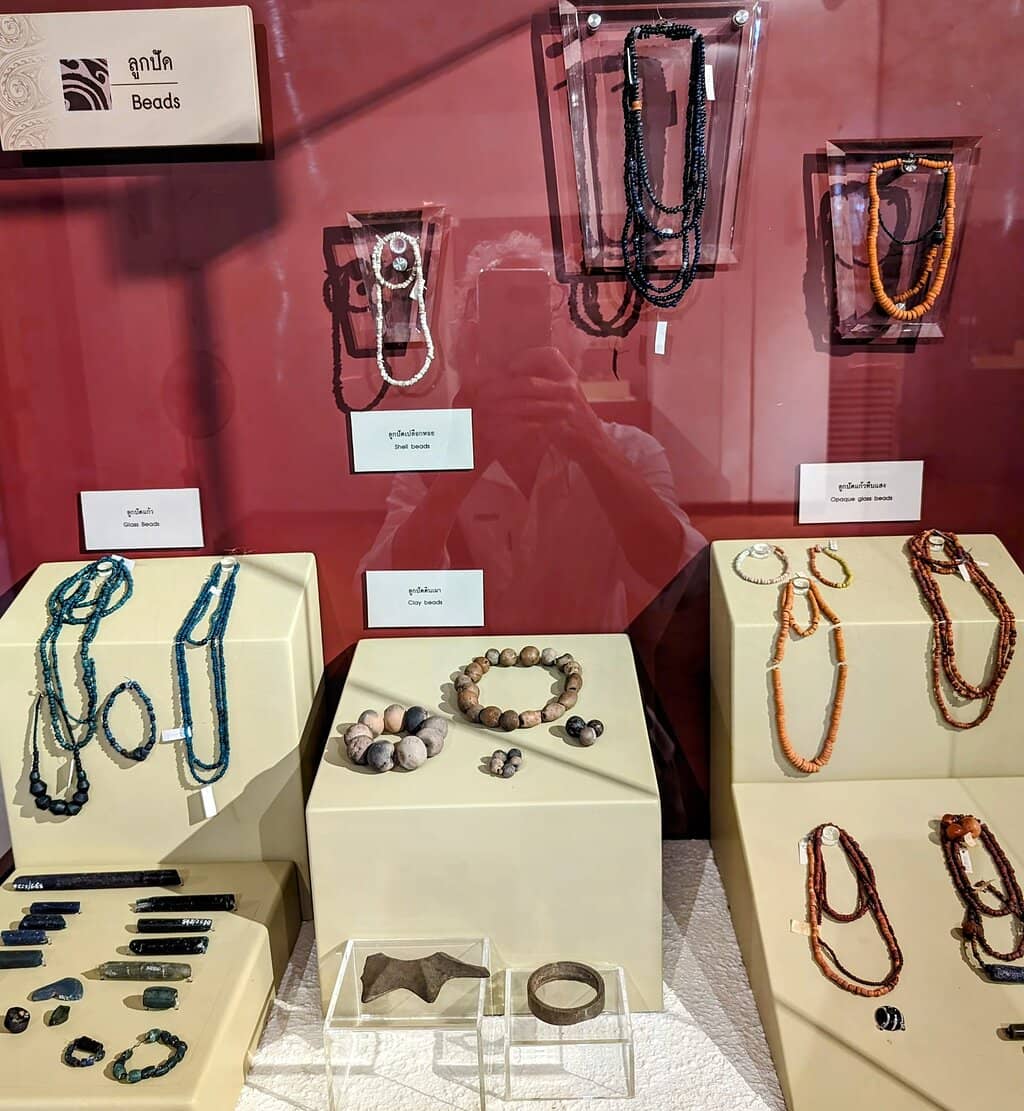
The museum displays ancient pottery, bronze artifacts, jewelry, and tools from the Bronze Age (3000-1800 BC). Dioramas illustrate prehistoric life, and there are exhibits on the history of the excavation.
Yes, an audio tour and informational videos are available to provide context and background information about the site and its discoveries.
Allocate at least 2-3 hours to fully explore the museum and appreciate the significance of the artifacts. You might want more time if you plan to explore the surrounding village.
Basic visitor facilities are available, including restrooms. It's recommended to bring water, especially during warmer months.
Information on accessibility can vary. It's best to contact the museum directly for specific details regarding ramps and accessible pathways.
🍽️ 🍽️ Food & Dining
While there might not be extensive dining options directly within the museum complex, the surrounding village offers local eateries and street food stalls where you can sample regional Thai cuisine.
Expect to find authentic Isaan (Northeastern Thai) dishes, known for their spicy flavors, sticky rice, and grilled meats. Look for local specialties.
It's generally acceptable to bring water. However, consuming outside food within the museum exhibits is usually discouraged. Check for designated picnic areas if available.
📸 📸 Photography
Photography is generally allowed inside the museum, but flash photography might be restricted to protect the artifacts. Always look for signage indicating photography rules.
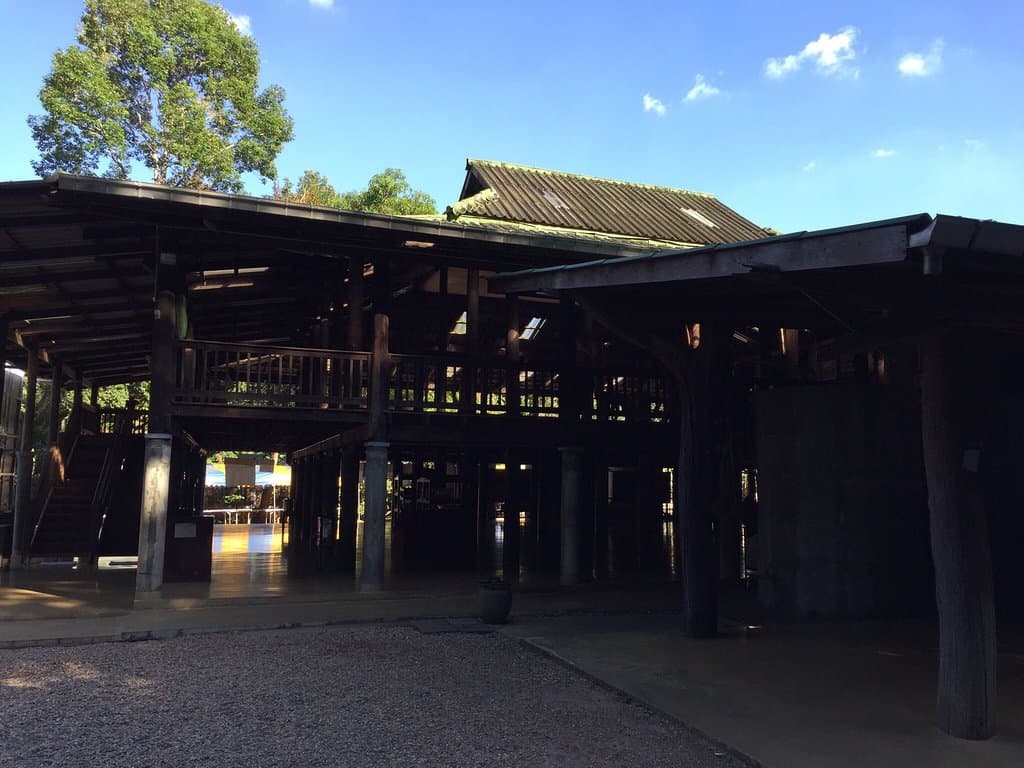
The unique pottery designs, the museum architecture, and the peaceful village scenes offer great photographic opportunities. The outdoor archaeological areas can also be picturesque.
Drone usage is typically restricted in and around archaeological sites and museums to preserve the heritage and ensure visitor safety. Check local regulations before flying.

Social
from TikTok, Instagram & Reddit