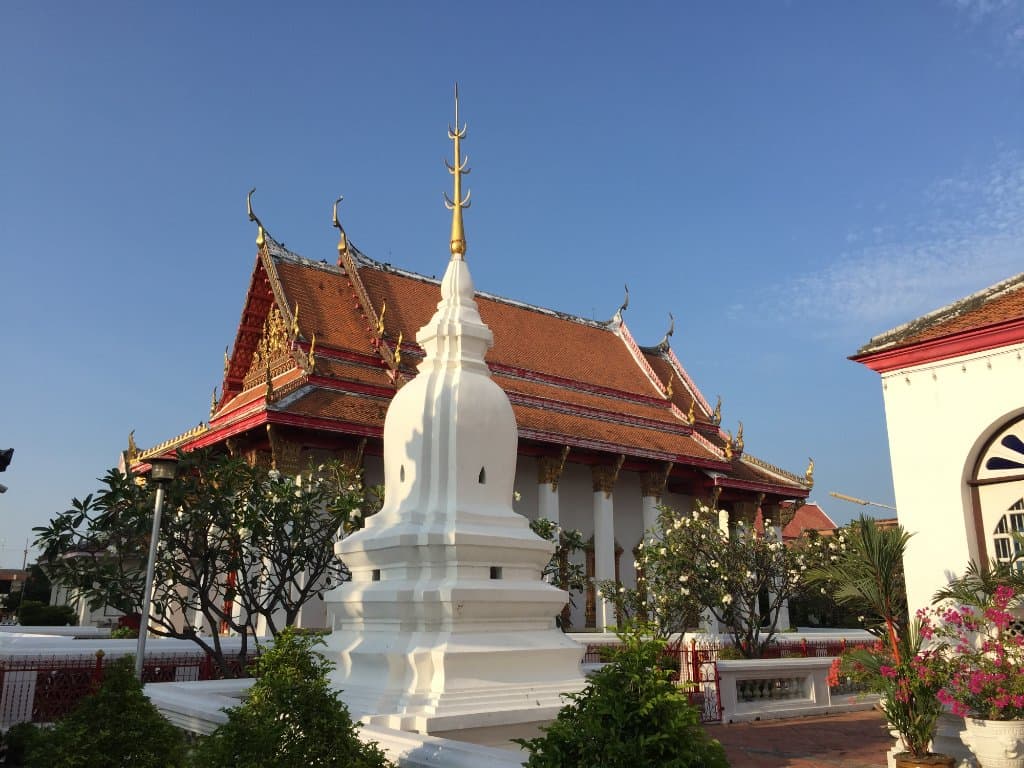
Wat Matchimawat Songkhla Thailand
A historic temple in Songkhla, renowned for its stunning 19th-century murals and a museum showcasing ancient Srivijaya civilization.

Highlights
Must-see attractions

Social
From TikTok & Reddit
Best Time
Fewer crowds, peaceful atmosphere
Wat Matchimawat Songkhla Thailand
Best Time
Fewer crowds, peaceful atmosphere
Highlights
Must-see attractions
A historic temple in Songkhla, renowned for its stunning 19th-century murals and a museum showcasing ancient Srivijaya civilization.
"The murals are exceptional, offering a vivid glimpse into history and culture."
🧥 Dress Modestly
Cover shoulders and knees to show respect. 🙏
🤫 Be Quiet and Respectful
Maintain a serene atmosphere. Avoid loud noises or disruptive behavior. :personinlotus_position:
Quick Facts
Hours
Rating
4.6 · 74 reviews
Type
Place of Worship
Highlights
Discover the most iconic attractions and experiences
Intricate Mural Paintings
Wiharn (Ordination Hall)
Vivid murals depicting Buddha's life, Chinese trade, and local life. A true artistic masterpiece.
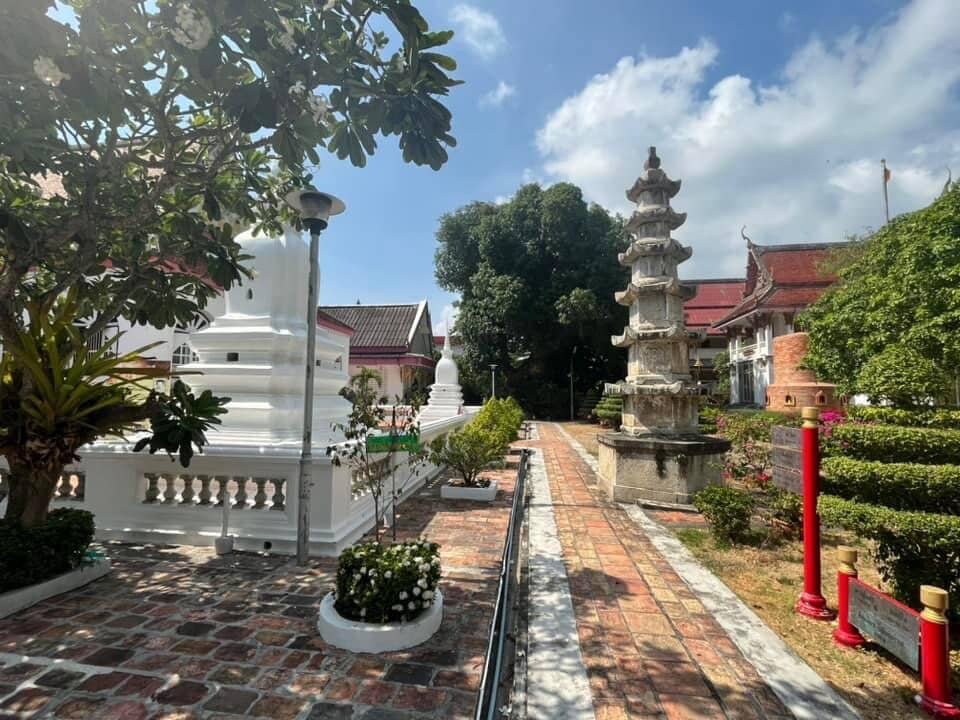
Srivijaya Civilization Museum
Adjacent Building
Explore artifacts from the 9th-century Srivijaya civilization, a fascinating glimpse into ancient history.
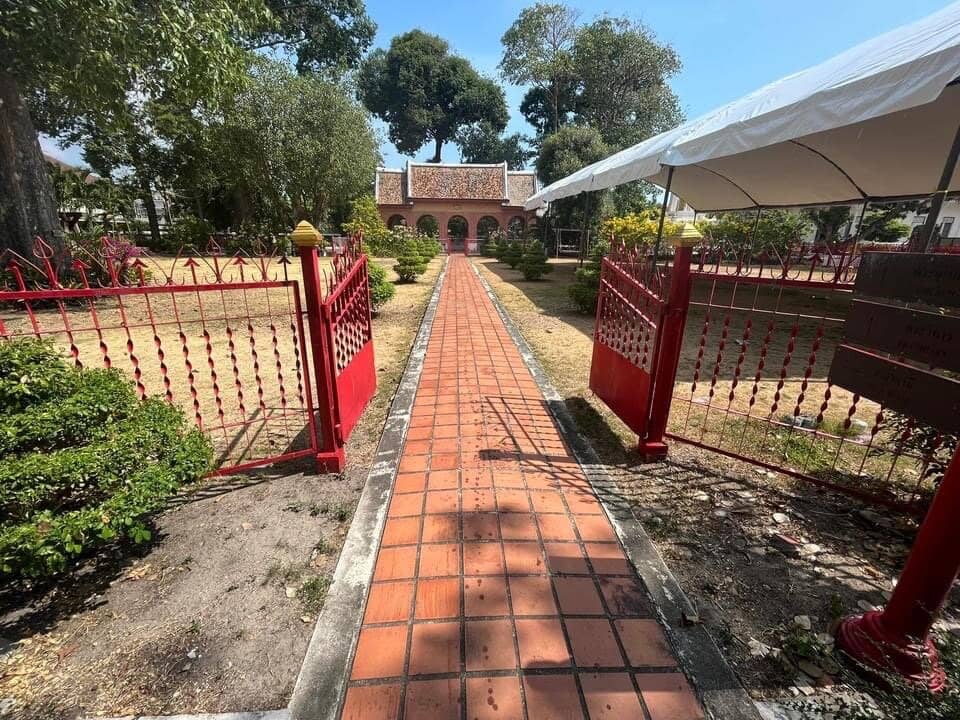
Chinese Deities Stone Carvings
Temple Exterior
Unique stone carvings of Chinese deities, once used as ship ballast, add a distinct cultural layer.
Plans like a pro.
Thinks like you
Planning Your Visit
Timing Your Visit for Serenity
Respectful Attire and Conduct
Best Times
Insider Tips
from TikTok, Instagram & Reddit
🧥 Dress Modestly
Cover shoulders and knees to show respect. 🙏
🤫 Be Quiet and Respectful
Maintain a serene atmosphere. Avoid loud noises or disruptive behavior. :personinlotus_position:
📸 Capture the Art
The murals are stunning! Take your time to admire and photograph them. 📷
🤝 Friendly Staff
Engage with the kind staff; they can share fascinating history and stories. :handshake:
Tips
from all over the internet
🧥 Dress Modestly
Cover shoulders and knees to show respect. 🙏
🤫 Be Quiet and Respectful
Maintain a serene atmosphere. Avoid loud noises or disruptive behavior. :personinlotus_position:
📸 Capture the Art
The murals are stunning! Take your time to admire and photograph them. 📷
🤝 Friendly Staff
Engage with the kind staff; they can share fascinating history and stories. :handshake:
⏳ Allow Ample Time
Don't rush; the details in the art and history are worth exploring. :hourglassflowingsand:
What Travellers Say
Reviews Summary
Visitors consistently praise the exceptional and detailed mural paintings within the ordination hall, offering a rich historical and cultural narrative. The adjacent museum showcasing the Srivijaya civilization is also a highlight for history enthusiasts. The temple's unique blend of Thai and Chinese architecture and the presence of intriguing stone carvings add to its appeal, creating a peaceful and historically significant experience.
"There are 2 buildings located close to each other. One is a museum and the other is Wat Matchimawat Worawihan (Wat Klang) This Wat in Songkhla is a must visit because of it's rich history and the kind lady (employee/caretaker or committee) who was frantically waving to us to visit the temple, opened the closed temple doors, windows and could communicate in a little bit of English which helps tourists like us. She took the trouble to explain the history and meaning of the paintings enthusiastically and sincerely at the best she could. Many thanks to her. Sadhu.
The walls of the temple are adorned with articulate paintings which describe the life of the Buddha and also the Chinese trade influence in Thailand. Spend time to look at the paintings as each painting has story to tell.
On the outside, surprisingly, you will see the carved stone of Chinese deities which we were told were once used as "weights" to add weight and stabilise the ships during their journey in rough seas.
Finally, do not touch the doors and leave your trademark."
YC Lee
"Very beautiful experience and so peaceful despite it was not open for worship. However was able to gain entry into the temple as the monk was so helpful and the video and photos didn't do justice as the windows were all closed . The architecture in the temple was amazing and you get the feeling of wowness when you step foot into it. Can't describe it at all. Must visit. The Wind blowing and bells ringing was something to behold. Museum which showcases ancient 9th century Srivijaya civilization was a wonderful experience and leaves you in awe if you are a history buff. Must take time to visit ."
Pramjit Singh
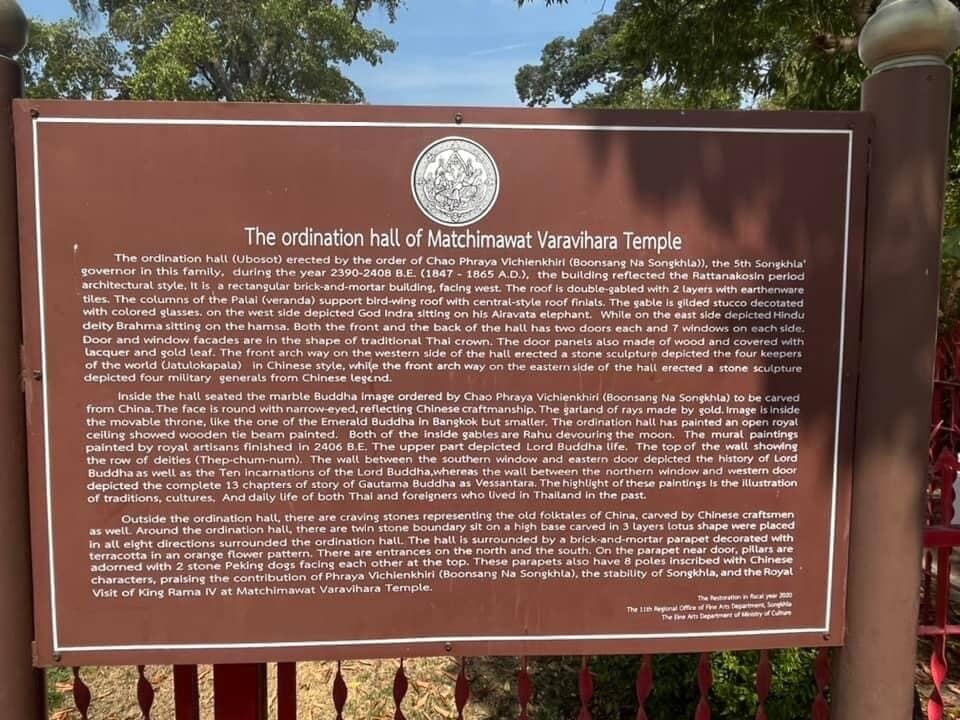
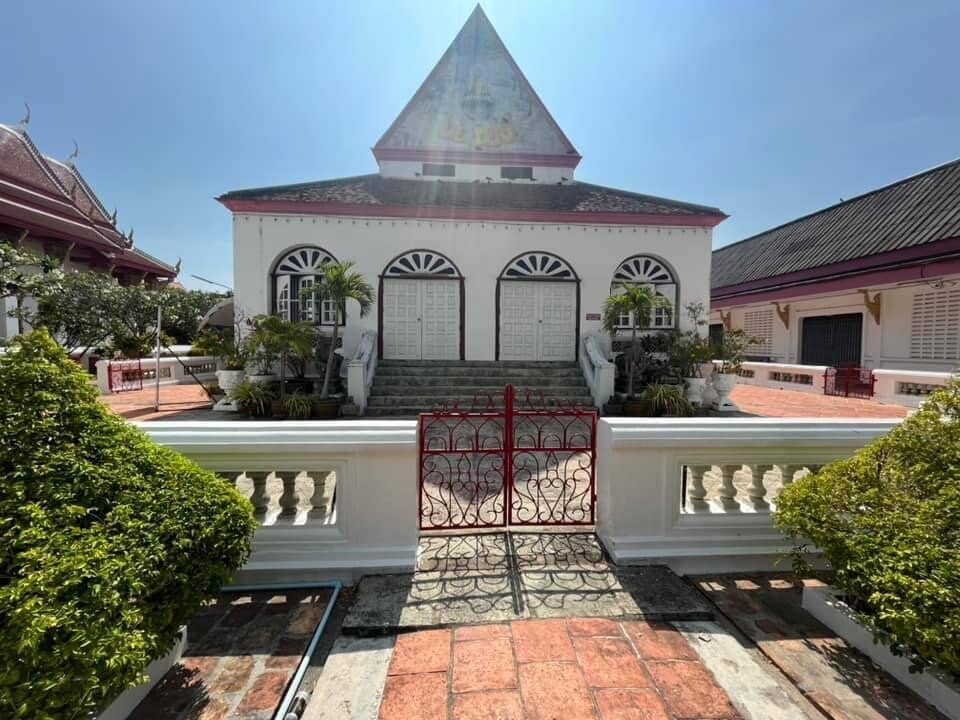
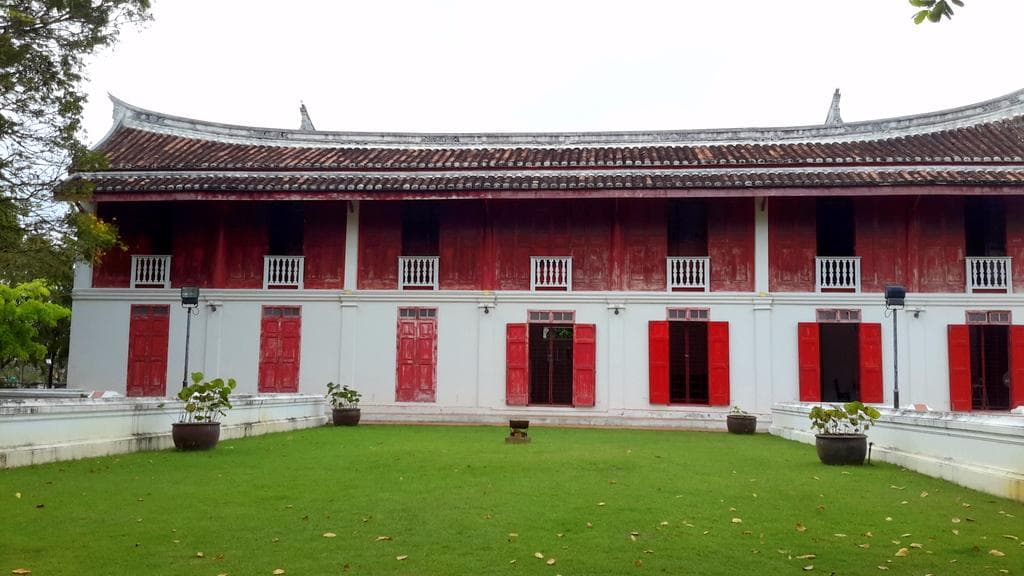
"The ordination hall (Ubosot) erected by the order of Chao Phraya Vichienkhiri (Boonsang Na Songkhla)), the 5th Songkhla' governor in this family, during the year 2390-2408 B.E. (1847 - 1865 A.D.), the building reflected the Rattanakosin period architectural style, It is a rectangular brick-and-mortar building, facing west. The roof is double gabled with 2 layers with earthenware tiles. The columns of the Palai (veranda) support bird-wing roof with central-style roof finials. The gable is gilded stucco decotated with colored glasses. on the west side depicted God Indra sitting on his Airavata elephant. While on the east side depicted Hindu deity Brahma sitting on the hamsa. Both the front and the back of the hall has two doors each and 7 windows on each side.
Door and window facades are in the shape of traditional Thai crown. The door panels also made of wood and covered with lacquer and gold leaf. The front arch way on the western side of the hall erected a stone sculpture depicted the four keepers of the world (Jatulokapala) in Chinese style, while the front arch way on the eastern side of the hall erected a stone sculpture depicted four military generals from Chinese legend.
Inside the hall seated the marble Buddha image ordered by Chao Phraya Vichienkhiri (Boonsang Na Songkhla) to be carved from China. The face is round with narrow-eyed, reflecting Chinese craftmanship. The garland of rays made by gold. Image is inside the movable throne, like the one of the Emerald Buddha in Bangkok but smaller. The ordination hall has painted an open royal ceiling showed wooden tie beam painted. Both of the inside gables are Rahu devouring the moon. The mural paintings painted by royal artisans finished in 2406 B.E. The upper part depicted Lord Buddha life. The top of the wall showing the row of deities (Thep-chum-num). The wall between the southern window and eastern door depicted the history of Lord Buddha as well as the Ten incarnations of the Lord Buddha, whereas the wall between the northern window and western door depicted ,the complete 13 chapters of story of Gautama Buddha as Vessantara. The highlight of these paintings Is the illustration of traditions, cultures, And daily life of both Thai and foreigners who lived in Thailand in the past.
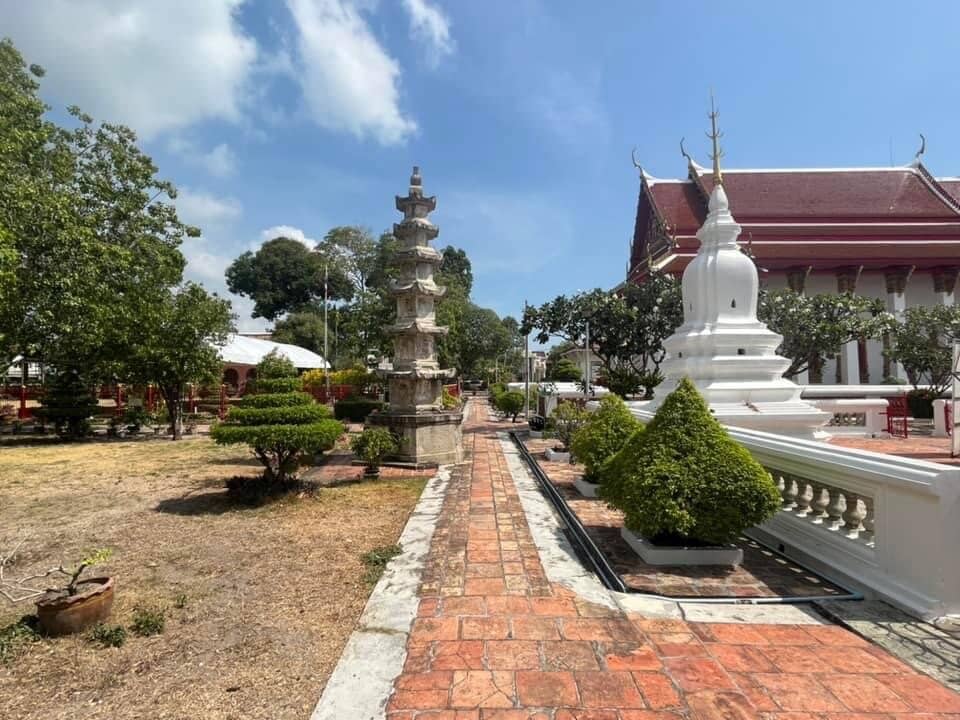
Outside the ordination hall, there are craving stones representing the old folktales of China, carved by Chinese craftsmen as well. Around the ordination hall, there are twin stone boundary sit on a high base carved in 3 layers lotus shape were placed in all eight directions surrounded the ordination hall. The hall is surrounded by a brick-and-mortar parapet decorated with terracotta in an orange flower pattern. There are entrances on the north and the south. On the parapet near door, pillars are adorned with 2 stone Peking dogs facing each other at the top. These parapets also have 8 poles inscribed with Chinese characters, praising the contribution of Phraya Vichienkhiri (Boonsang Na Songkhla), the stability of Songkhla, and the Royal Visit of King Rama IV at Matchimawat Varavihara Temple."
Kullaphut Sene
What People Like
What People Dislike
Frequently Asked Questions
🚇 🗺️ Getting There
Wat Matchimawat is located in Songkhla town. You can reach it by local taxi, songthaew (shared taxi), or by renting a motorbike. It's a central location, making it accessible from most parts of the city.
Yes, it's a prominent temple in Songkhla and is generally easy to locate. Asking locals for 'Wat Klang' (its old name) can also help.
The temple is within Songkhla town, which is served by buses from major cities like Bangkok and Hat Yai. From the Songkhla bus terminal, you can take a local taxi or songthaew.
If you are staying in the central Songkhla area, it might be walkable, but it depends on your exact location. It's a pleasant walk if you enjoy exploring the town on foot.
Limited parking is usually available near the temple, especially if you arrive by car or motorbike.
🎫 🎫 Tickets & Entry
Generally, there is no entrance fee to visit the temple grounds and the main ordination hall. Donations are always appreciated.
The temple is usually open during daylight hours, but specific times can vary. It's best to visit during the day. Some parts might close earlier than others.
Yes, there is a museum adjacent to the main temple building that showcases artifacts from the Srivijaya civilization. It's highly recommended for history enthusiasts.
No, tickets are not required. You can visit freely.
Photography is generally allowed inside the ordination hall, but it's always good practice to be discreet and respectful. Avoid flash photography if it seems disruptive.
🎫 🏛️ Onsite Experience
The most striking feature is the incredibly detailed mural paintings inside the Wiharn, depicting the life of Buddha and local culture. The Srivijaya museum is also a major draw.
Allocate at least 1-2 hours to fully appreciate the murals, the museum, and the temple grounds. If you're a history buff, you might want to spend longer.
These are unique stone carvings of Chinese deities, historically used as ballast to stabilize ships during sea voyages. They highlight the historical trade connections.
The main temple areas might have some steps. The museum is generally more accessible. It's advisable to check on-site for specific accessibility details.
The ordination hall reflects the Rattanakosin period architectural style, with a blend of Thai and Chinese influences, evident in its design and decorative elements.
🍽️ 🍽️ Food & Dining
There are no food facilities directly within the temple complex. However, you can find numerous local eateries and street food vendors in the surrounding Songkhla town.
Songkhla is known for its seafood. Try local specialties like 'Khao Yam' (spicy rice salad) or fresh grilled fish.
While seafood is prevalent, many Thai restaurants offer vegetarian dishes. Look for options with tofu or vegetables.
It's generally recommended to eat before or after your visit, as the temple is a place for reflection and cultural appreciation.
Yes, you'll find local cafes and small shops selling drinks and snacks in the vicinity of the temple.
📸 📸 Photography
The interior murals are a highlight, but be mindful of others. The exterior architecture and the unique stone carvings also make for great shots.
Yes, photography is generally permitted inside the ordination hall, but always be respectful and avoid flash if it disturbs others.
Late afternoons offer beautiful golden hour light that can enhance the colors of the murals and the temple's exterior.
Don't miss the detailed close-ups of the murals, the imposing Chinese deity carvings, and the overall architectural grandeur.
A phone with good low-light capabilities or a camera with a good lens will help capture the intricate details of the murals and carvings.



Social
from TikTok, Instagram & Reddit