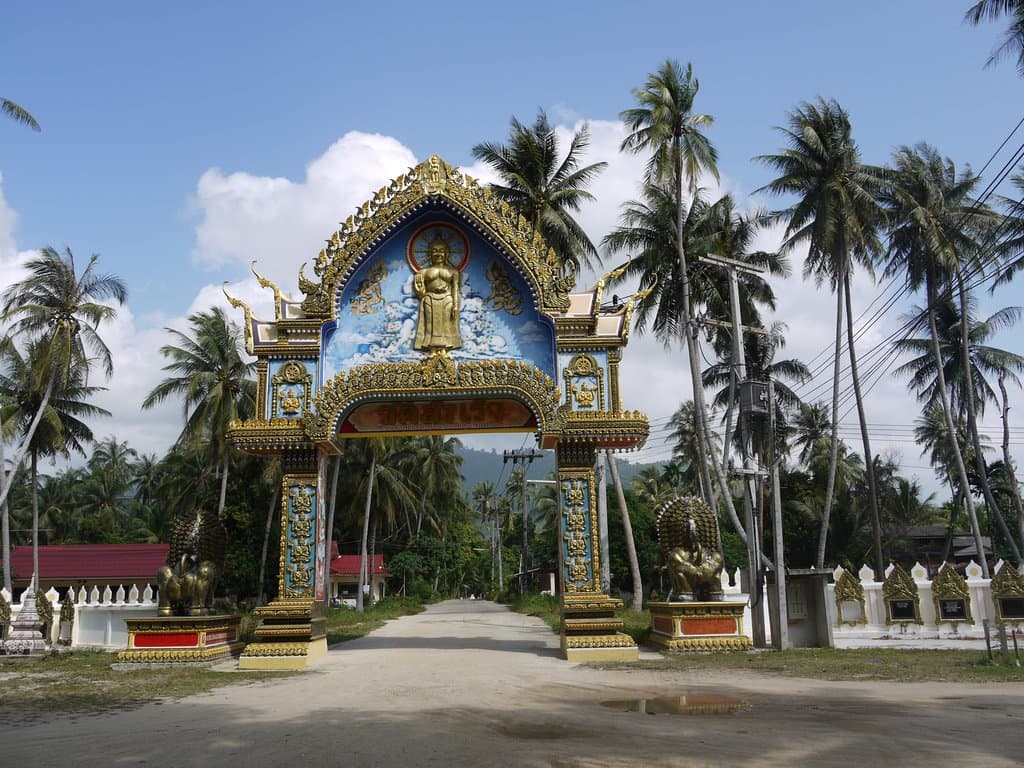
Wat Samret Koh Samui
A serene, historic Buddhist temple on Koh Samui, offering a peaceful escape and a glimpse into local spiritual life.
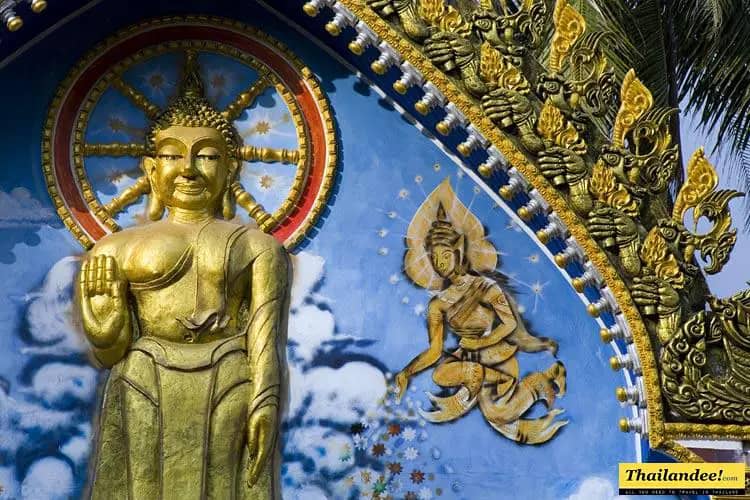
Highlights
Must-see attractions

Social
From TikTok & Reddit
Best Time
Experience true tranquility
Wat Samret Koh Samui
Best Time
Experience true tranquility
Highlights
Must-see attractions
A serene, historic Buddhist temple on Koh Samui, offering a peaceful escape and a glimpse into local spiritual life.
"An okay temple to visit if you happen to be nearby but might not be something worth driving for as a single experience."
Scooter is Key 🛵
Renting a scooter is the easiest way to get here. It's a bit remote, so plan your transport accordingly.
Embrace the Quiet 🙏
This is a local temple, so expect a peaceful, less crowded atmosphere. Enjoy the serenity.
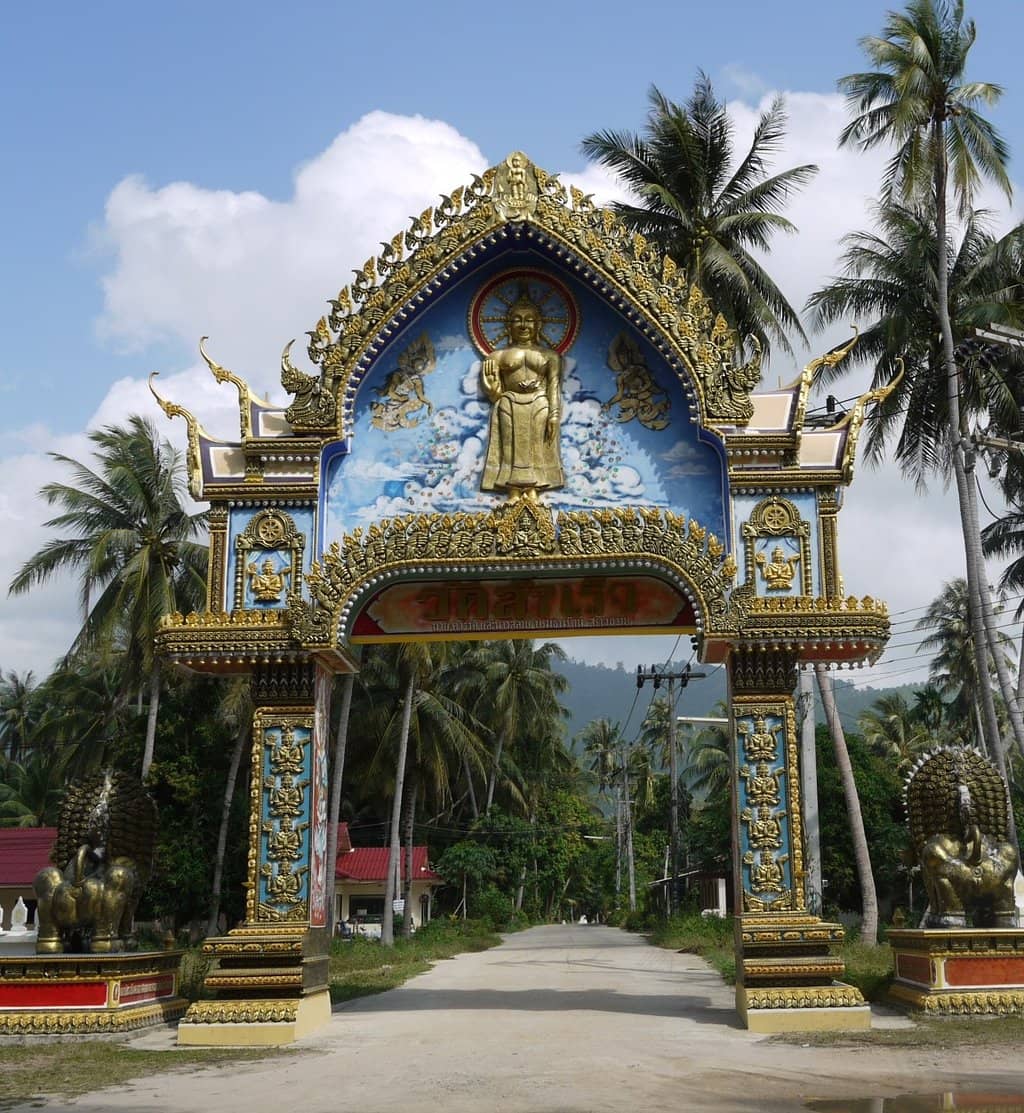
Quick Facts
Rating
4.6 · 400 reviews
Type
Place of Worship
Highlights
Discover the most iconic attractions and experiences
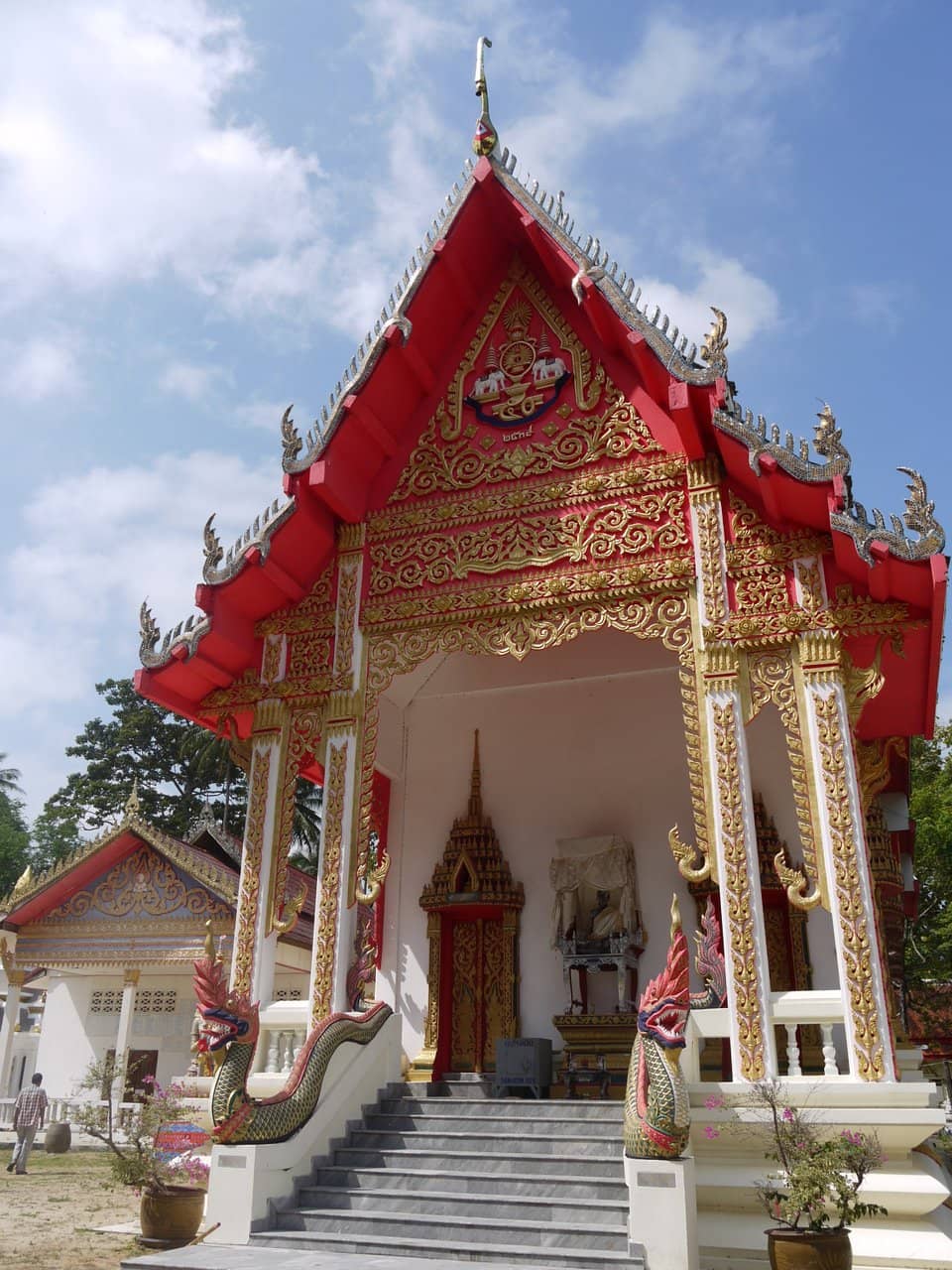
The Mystical Small Temple
Left of the main temple
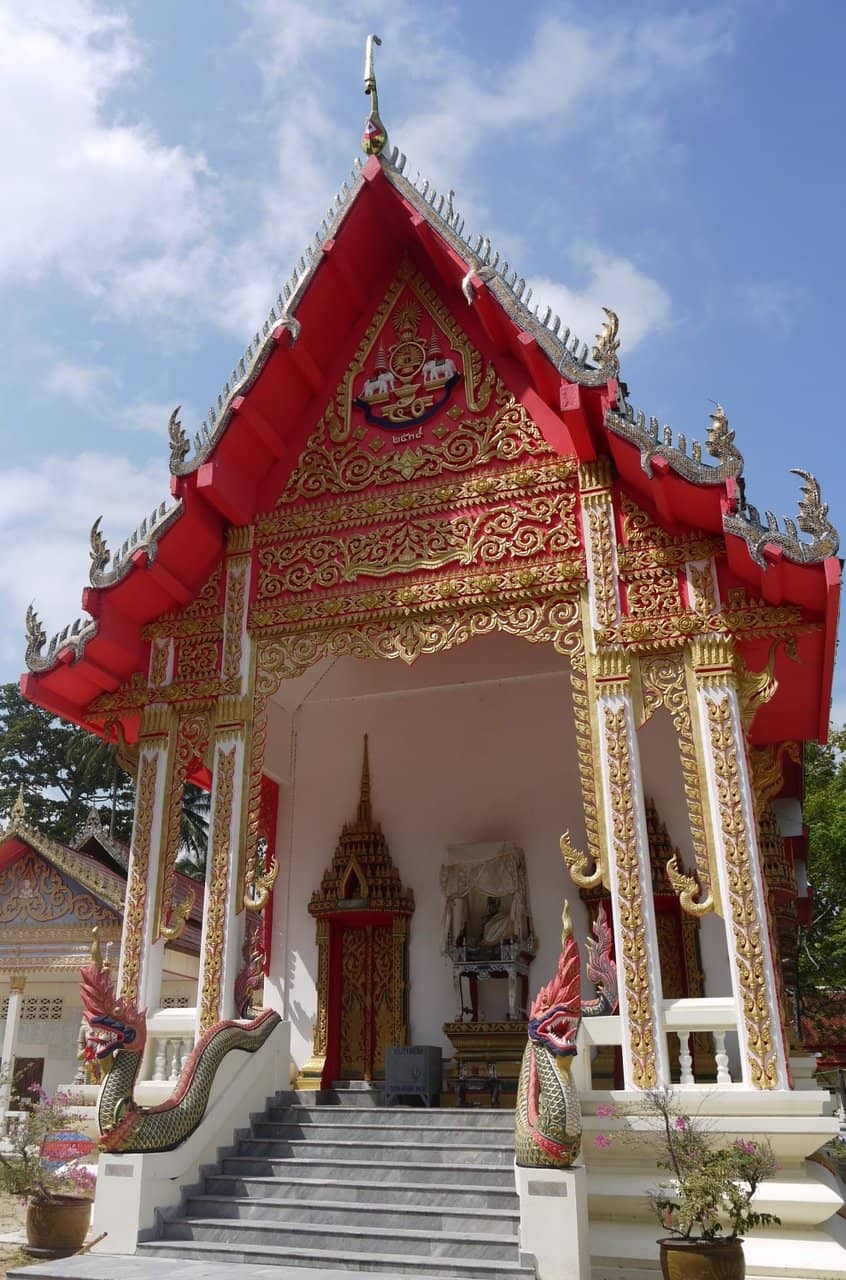
A hidden gem guarded by warrior statues, housing around a hundred Buddha statues. A truly unique and serene spot.
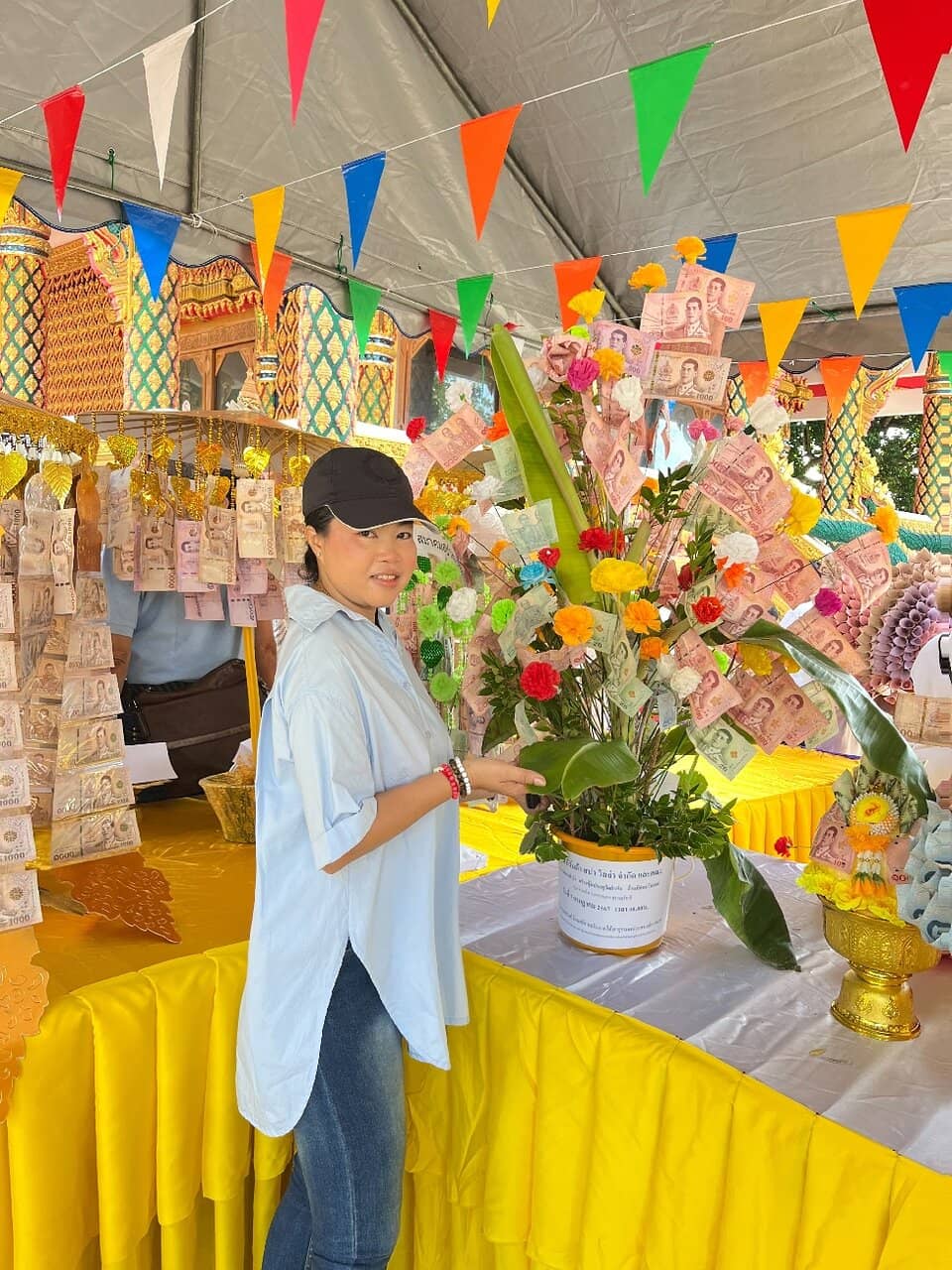
The Ancient Stupa
Oldest part of the temple
One of the oldest structures, built by Khrua Putsorn and restored, offering a glimpse into the temple's long history.
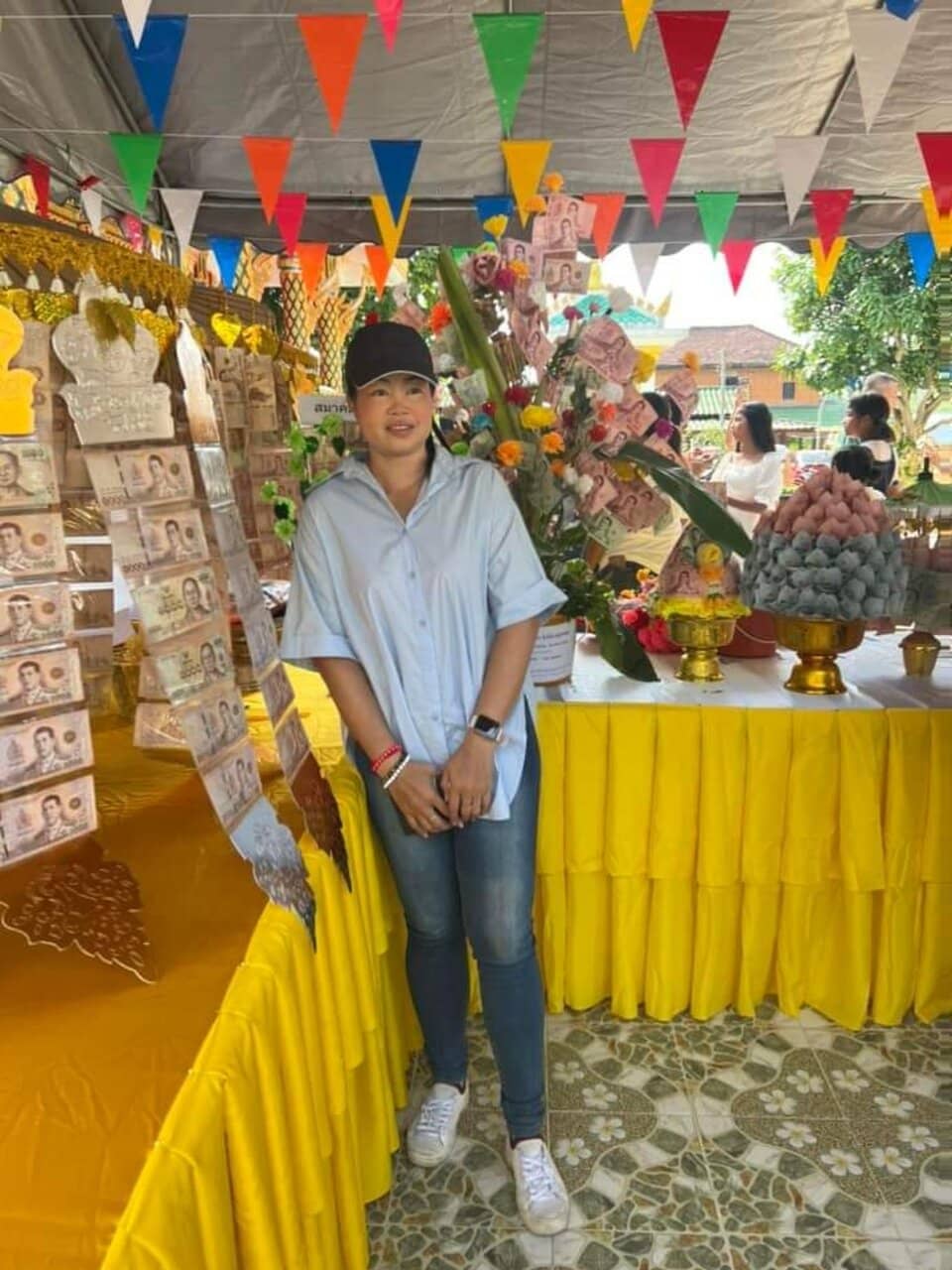
Rows of Shrines
Discover numerous small shrines arranged in neat rows, each with its own quiet presence and spiritual significance.
Plans like a pro.
Thinks like you
Planning Your Visit
Embrace the Serenity
Getting There & Around
Best Times
Insider Tips
from TikTok, Instagram & Reddit
Scooter is Key 🛵
Renting a scooter is the easiest way to get here. It's a bit remote, so plan your transport accordingly.
Embrace the Quiet 🙏
This is a local temple, so expect a peaceful, less crowded atmosphere. Enjoy the serenity.
Friendly Locals (Dogs Included!) 🐶
While some temples have aggressive dogs, Wat Samret's canine residents are often friendly and welcoming.
Make a Wish for Success ✨
The temple's name means 'success' in Thai. Pray and end your wishes with 'may all your wishes succeed'.
Tips
from all over the internet
Scooter is Key 🛵
Renting a scooter is the easiest way to get here. It's a bit remote, so plan your transport accordingly.
Embrace the Quiet 🙏
This is a local temple, so expect a peaceful, less crowded atmosphere. Enjoy the serenity.
Friendly Locals (Dogs Included!) 🐶
While some temples have aggressive dogs, Wat Samret's canine residents are often friendly and welcoming.
Make a Wish for Success ✨
The temple's name means 'success' in Thai. Pray and end your wishes with 'may all your wishes succeed'.
Quick Visit, Deep Impact ⏱️
The temple is not large and can be explored in about 15-20 minutes, but its peaceful aura can last longer.
What Travellers Say
Reviews Summary
Wat Samret is appreciated as a quiet, local temple offering a peaceful spiritual experience and a glimpse into authentic Thai Buddhist culture. While some find it plain, its historical significance and serene atmosphere make it a worthwhile stop for those seeking an 'off the beaten track' destination. Visitors note its remote location and the potential for construction, but generally find the experience calming and respectful.
"An okay temple to visit if you happen to be nearby but might not be something worth driving for as a single experience. It’s pretty plain but of course still beautiful like all temples in Thailand are. It’s located a bit in the middle of nothing so go here by scooter. If you walk and come from the south you will notice that not all people in Samui is living luxury lives. I would beware of the dogs at the temple."
Kasper Hammer-Hansen
"I was the only tourist there during my visit, very quiet place. Some "off the beaten track" Temples I've visited have had very aggressive, territorial dogs, but no problem here. Several friendly dogs came up to me.
As is often the case at Country Temples, some construction/refurbishment is taking place. The oldest part of the Temple is the Old Stupa, one of only three built by Khrua Putsorn and restored by the Department of Fine Arts in 2001. There are lots of small shrines arranged in rows around the site"
Miles Macdonald
"It is a local temple with real sense of Thai Buddhist temple. The temple was build since ancient time for almost 150 years. This temple is the place for Buddhism religion activities for local Samui people. Especially, the name of the temple in Thai means “success”. So when you visit the temple and pray at Buddha, you pray and make any wish by ending the wish with the word of “may all your wish success”. If you are interested to make a merit, you can give the monk some drinking water and rice as this means that you make merit in Buddhism then the monk will give you back the blessing. The temple is not big and it may takes you 15-20 minutes to visit the whole place."
Sriprapha Ng.
What People Like
What People Dislike
Frequently Asked Questions
🚇 🗺️ Getting There
The most recommended way to reach Wat Samret is by renting a scooter, as it's located a bit off the main tourist routes. Taxis are also an option, but may be less convenient for exploring the surrounding areas.
While not as prominently signposted as some other attractions, using a GPS or map app on your scooter or phone will guide you to the temple.
A scooter allows you the freedom to explore the local roads and discover the peaceful, less-developed parts of Koh Samui near the temple.
Public transport is limited for reaching Wat Samret directly. Renting a scooter or hiring a private taxi are the most practical choices.
The area around Wat Samret is described as being 'in the middle of nothing' by some visitors, offering a quiet, local feel away from the busy tourist hubs.
🎫 🎫 Tickets & Entry
There is typically no entrance fee for Wat Samret, as it is a functioning local temple. Donations are always appreciated.
Temples in Thailand are generally open from early morning until late afternoon or early evening. It's best to visit during daylight hours.
While there are no strict opening hours, visiting during daylight is recommended for the best experience and to observe temple etiquette.
No, tickets are not required for Wat Samret as it's a free-to-enter local temple.
As with most Buddhist temples, it's respectful to dress modestly. Cover your shoulders and knees.

🎫 🧭 Onsite Experience
Highlights include a unique small temple with many Buddha statues, an ancient stupa, and numerous small shrines arranged in rows.
Most visitors find that 15-20 minutes is sufficient to explore the entire temple complex.
It's considered an 'off the beaten track' destination, meaning you'll likely encounter few other tourists, offering a quiet experience.
The atmosphere is described as incredibly peaceful, serene, and calming, making it a place where time seems to stop.
You can make merit by offering drinking water or rice to the monks, who will then offer blessings. The temple's name signifies 'success'.
📸 📸 Photography
Capture the unique warrior statues guarding the small temple, the serene Buddha statues within, and the rows of shrines. The ancient stupa is also a picturesque subject.
Photography is generally allowed in the temple grounds, but always be respectful and avoid photographing monks during prayer or meditation.
Late afternoons can offer beautiful golden hour light, while early mornings provide a serene, quiet setting for capturing the temple's atmosphere.
There are no specific mentions of drone restrictions, but it's always advisable to be mindful of local regulations and respect the sanctity of the site.
A standard camera or smartphone is sufficient. Consider a wide-angle lens to capture the temple grounds and a prime lens for detailed shots of Buddha statues.
Social
from TikTok, Instagram & Reddit