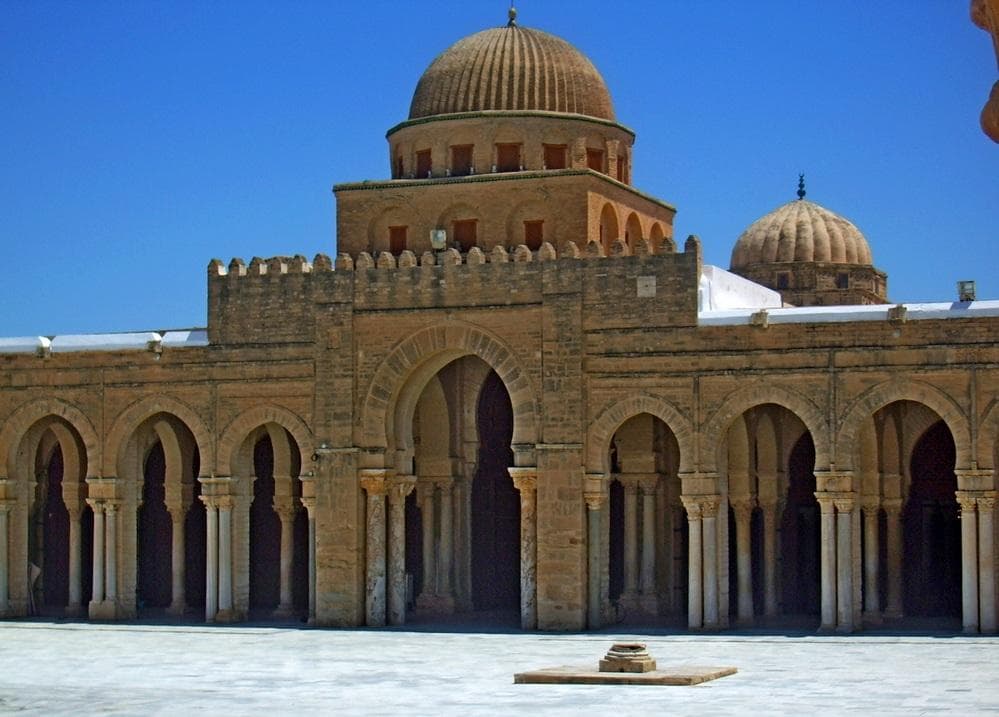
Great Mosque of Kairouan
A 7th-century architectural marvel, the Great Mosque of Kairouan is a UNESCO site and a spiritual heart of North Africa.
Highlights
Must-see attractions

Social
From TikTok & Reddit
Best Time
Best light & fewer crowds
Great Mosque of Kairouan
Best Time
Best light & fewer crowds
Highlights
Must-see attractions
A 7th-century architectural marvel, the Great Mosque of Kairouan is a UNESCO site and a spiritual heart of North Africa.
"One of the most awe-inspiring places in Tunisia — a true masterpiece of early Islamic architecture and spirituality."
Modest Dress Code
Cover arms & legs. Headscarves recommended for women. Gowns may be provided.
Entry Fee
Around 12 TND for access to the mosque and other city sites.
Quick Facts
Hours
Rating
4.6 · 4,096 reviews
Type
Mosque
Highlights
Discover the most iconic attractions and experiences
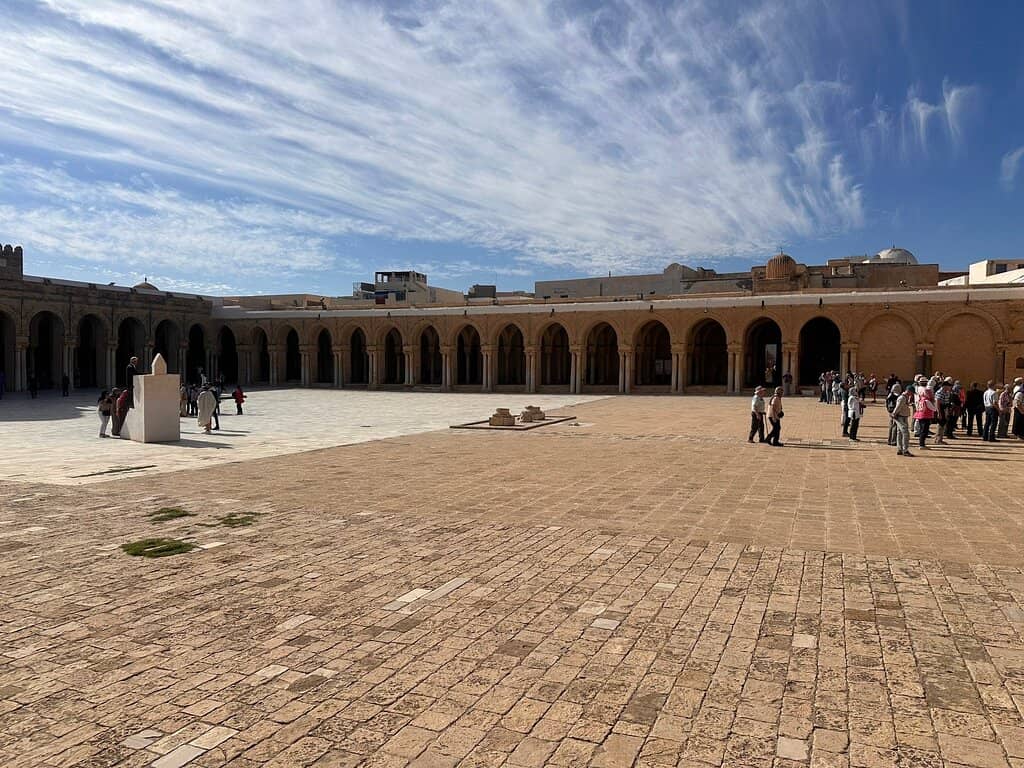
The Grand Courtyard
Central open area
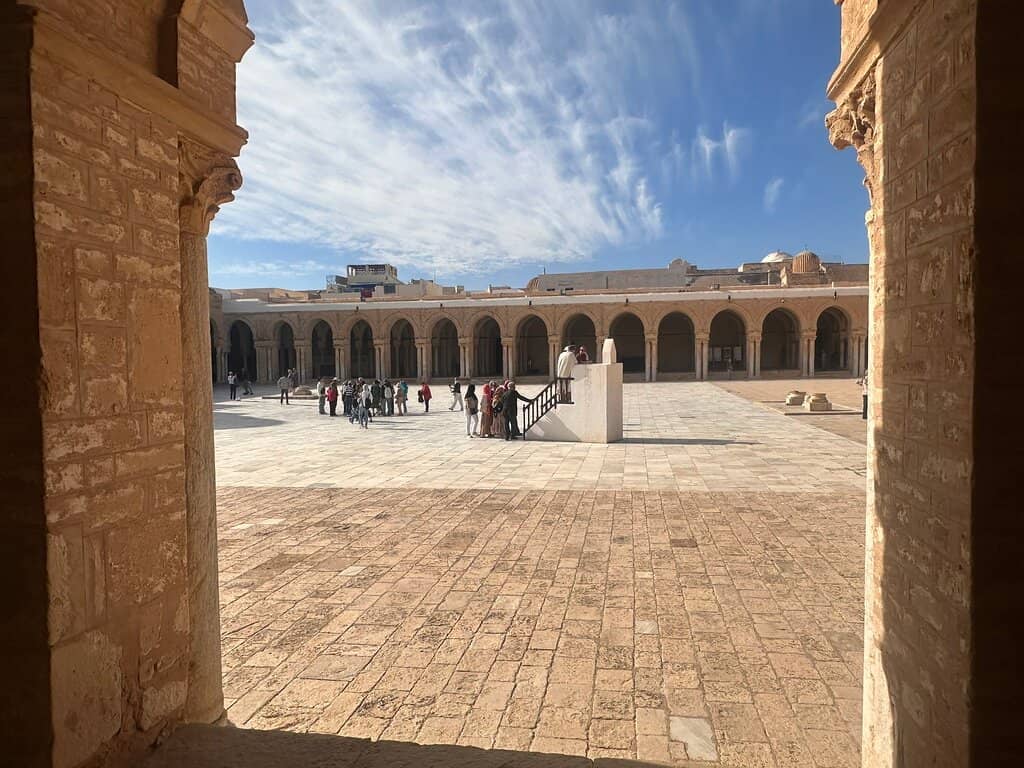
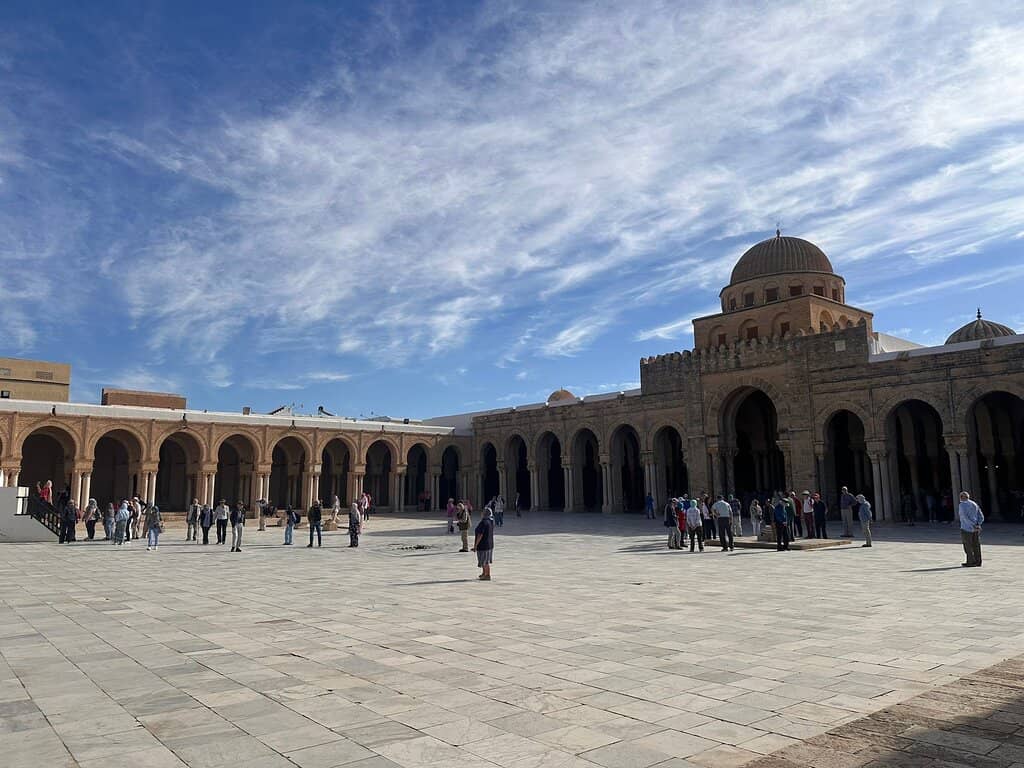
A vast, impressive space with hundreds of ancient pillars, offering a glimpse into early Islamic architecture.
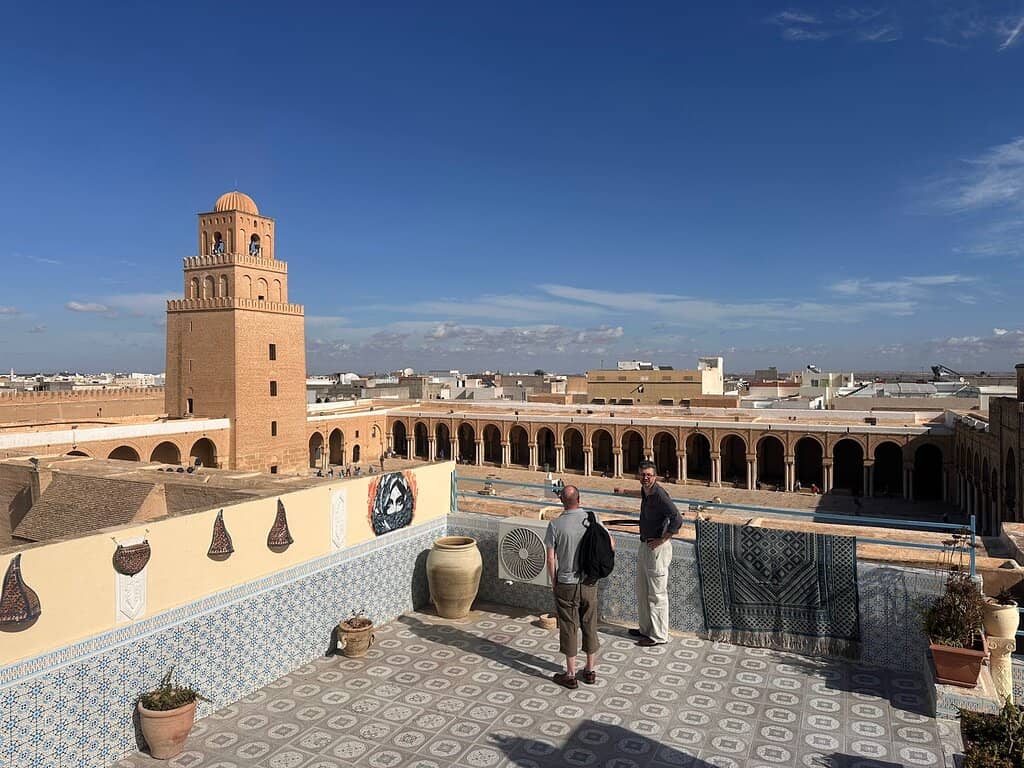
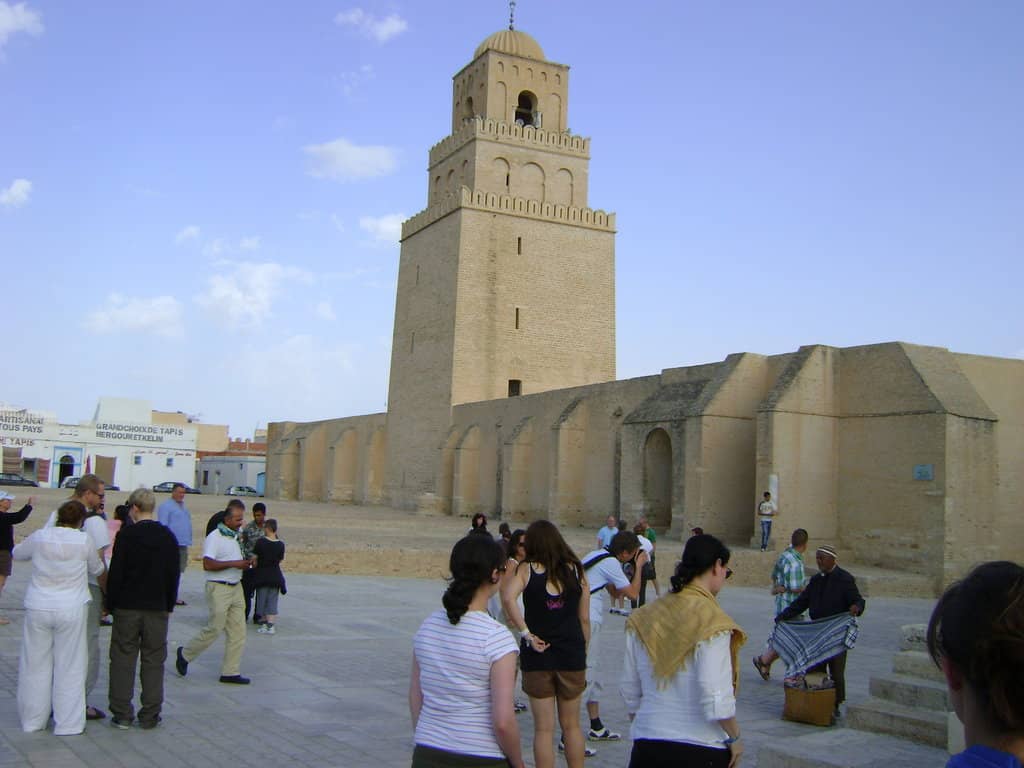
Square Minaret
Northwest corner
One of the oldest and highest minarets in the Islamic world, a striking architectural feature.
Intricate Mihrab
Prayer hall (viewable from courtyard)
A beautifully decorated niche indicating the direction of Mecca, showcasing exquisite craftsmanship.
Plans like a pro.
Thinks like you
Planning Your Visit
Respectful Visits

Timing is Key
Best Times
Insider Tips
from TikTok, Instagram & Reddit
Modest Dress Code
Cover arms & legs. Headscarves recommended for women. Gowns may be provided.
Entry Fee
Around 12 TND for access to the mosque and other city sites.
Photography Tips
Golden hour light is stunning. Be mindful of prayer times and respectful of worshippers.
Explore the Medina
Wander the surrounding streets for carpets and local pastries.
Tips
from all over the internet
Modest Dress Code
Cover arms & legs. Headscarves recommended for women. Gowns may be provided.
Entry Fee
Around 12 TND for access to the mosque and other city sites.
Photography Tips
Golden hour light is stunning. Be mindful of prayer times and respectful of worshippers.
Explore the Medina
Wander the surrounding streets for carpets and local pastries.
What Travellers Say
Reviews Summary
Visitors are consistently awestruck by the Great Mosque of Kairouan's historical significance and architectural grandeur, describing it as a masterpiece of early Islamic design. The peaceful atmosphere and the palpable sense of history make it a must-see, even for non-religious visitors. Some note the entry fee and the need for modest dress as practical considerations.
"⭐⭐⭐⭐⭐ Kairouan Great Mosque
Visiting the Great Mosque of Kairouan was an incredible experience. The courtyard is wide and peaceful, surrounded by stunning arches and centuries-old stonework that make you feel connected to history. The architecture inside is elegant and powerful, and even from the visitor areas, you can appreciate the beautiful columns, wooden ceilings, and the serene atmosphere.
The staff were welcoming, helpful, and respectful, which made exploring even more enjoyable. This mosque is not only a key historical site but also a place that inspires awe and reflection. A must-see for anyone visiting Tunisia."
Dimitrios Georgiou
"The Great Mosque of Kairouan is one of the most awe-inspiring places in Tunisia — a true masterpiece of early Islamic architecture and spirituality. Built in the 7th century, it’s one of the oldest mosques in the Muslim world, and you can feel its history in every column and arch. The vast courtyard, intricate mihrab, and towering square minaret are breathtaking, especially in the soft afternoon light.
Even if you can’t enter the prayer hall, the views from the courtyard and surrounding terraces are stunning. The atmosphere is peaceful, almost timeless — a perfect spot to pause and reflect.
Travel tips: Visit early morning or late afternoon for the best light, dress modestly, and take time to explore the medina streets around the mosque for handmade carpets and local pastries."
Koel Ganguly
"An amazing place full of history and beauty. The Kairouan Grand Mosque is one of the most important sites in Tunisia and a must-visit for anyone interested in culture and architecture. It’s better to dress modestly — long trousers or a skirt are recommended. Ladies should wear a hijab, but don’t worry if you don’t have one — they provide them for free at the entrance. The atmosphere is peaceful and respectful, and the architecture is truly breathtaking. Tickets are 12 TD per person."
vanoosheh amiri
What People Like
What People Dislike
Frequently Asked Questions
🚇 🗺️ Getting There
You can travel from Tunis to Kairouan by bus or louage (shared taxi). The journey takes approximately 2-3 hours. Many visitors make it a day trip from Tunis.
Parking can be challenging in the medina. It's often best to park a short walk away and explore the city on foot.
Visiting hours for non-Muslims can vary. It's advisable to check locally or with your guide, especially around prayer times.
Yes, non-Muslims can visit most areas, particularly the courtyard. Access to the prayer hall may be restricted.
Kairouan is generally considered a safe city for tourists. However, as with any travel, it's wise to be aware of your surroundings.
🎫 🎫 Tickets & Entry
The entry fee is approximately 12 Tunisian Dinars (TND). This ticket often grants access to other historical sites in Kairouan as well.
Tickets can usually be purchased on-site. Booking in advance is generally not necessary unless you are part of a large organized tour.
Yes, modest dress is required. This means covering your shoulders, arms, and legs. Headscarves are recommended for women. Gowns may be provided if needed.
The prayer hall is primarily for worshippers. Tourists can typically view it from the courtyard, but direct entry may be restricted.
Some religious visitors question the practice of charging entry fees for a mosque. However, the fee is standard for tourist access to historical sites in Tunisia.
📸 📸 Photography
The 'golden hour' around sunrise and sunset offers beautiful lighting for photography. Early mornings also tend to have fewer people.
Photography is generally allowed in the courtyard and exterior areas. Be respectful and avoid photographing worshippers during prayer.
A versatile lens (like a 24-70mm) is useful for capturing both wide courtyard shots and architectural details. A wide-angle lens can be great for the minaret.
Drone usage is typically restricted in and around historical and religious sites. It's best to check local regulations before flying a drone.
The courtyard with its colonnades, the imposing minaret, and the intricate details of the mihrab are highly photogenic.
🎫 🏛️ History & Architecture
The mosque was founded in 670 AD by the Arab general Uqba ibn Nafi. It's one of the oldest mosques in North Africa.
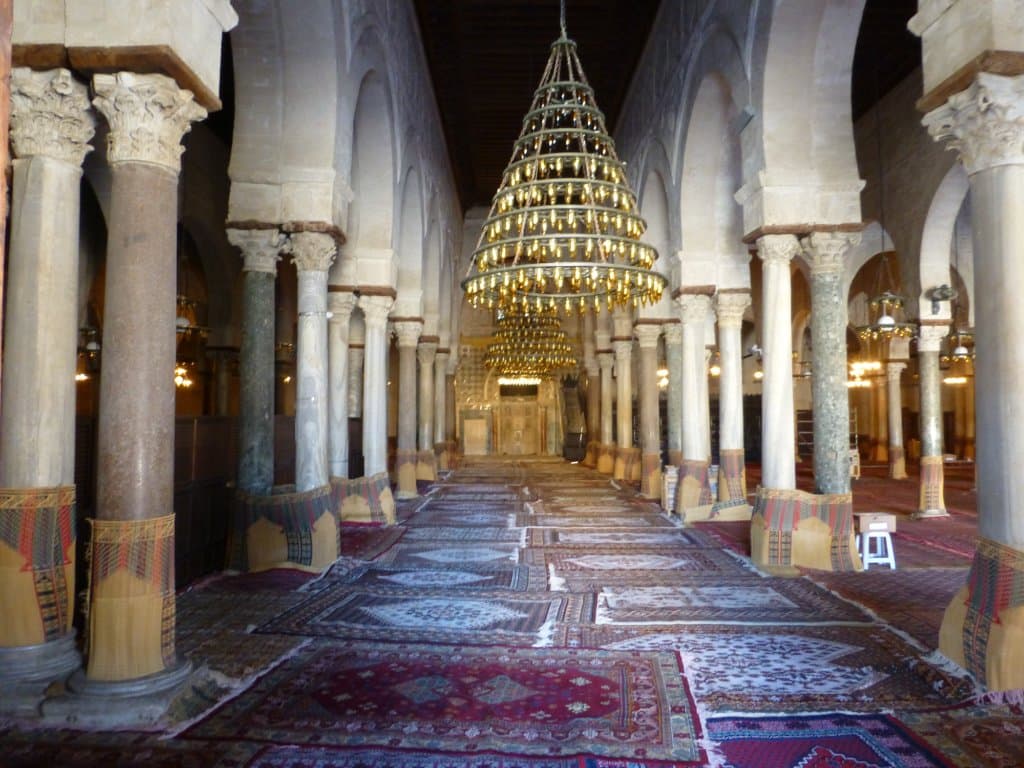
It's a prime example of early Islamic architecture, featuring a fortress-like exterior, a square minaret, and a hypostyle prayer hall with Roman and Byzantine architectural elements.
It's considered the fourth holiest city in Islam and a significant spiritual and cultural center for the Arab-Maghreb region.
Yes, the Great Mosque of Kairouan is a UNESCO World Heritage Site, recognized for its historical and architectural significance.
These pillars, many repurposed from Roman and Byzantine buildings, contribute to the mosque's unique architectural style and historical depth.

Social
from TikTok, Instagram & Reddit