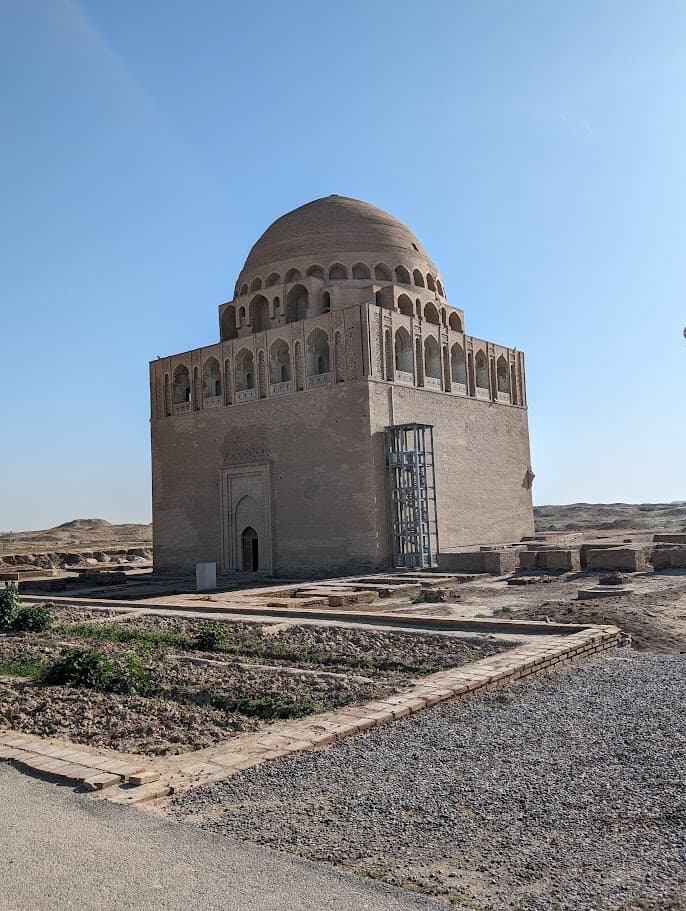
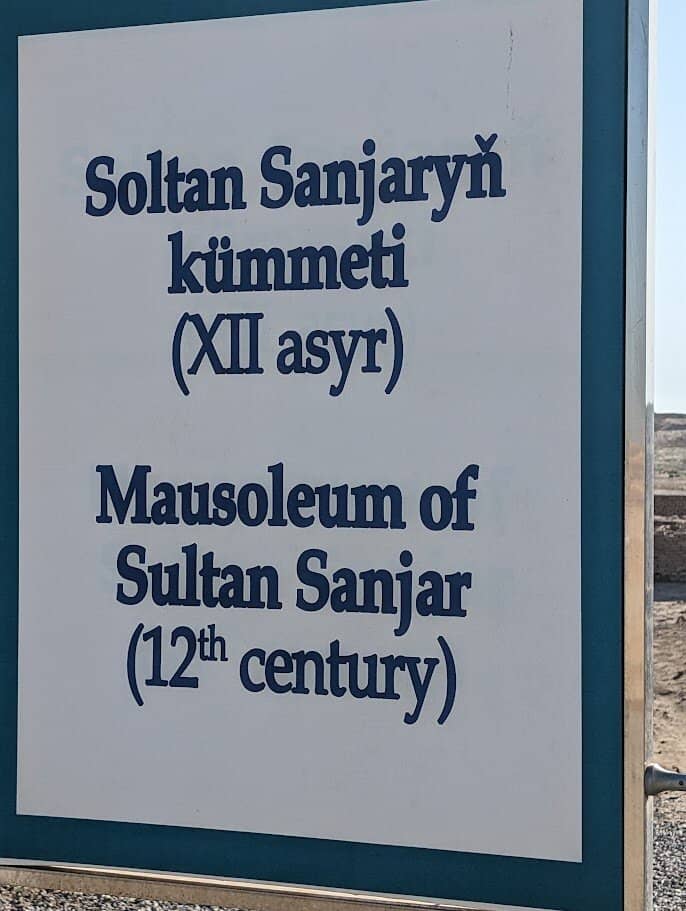
Sultan Sanjar Mausoleum Merv
A monumental 12th-century mausoleum and sprawling Silk Road ruins, offering a glimpse into a lost medieval metropolis.

Highlights
Must-see attractions

Social
From TikTok & Reddit
Best Time
Pleasant temperatures for exploring
Sultan Sanjar Mausoleum Merv
Best Time
Pleasant temperatures for exploring
Highlights
Must-see attractions
A monumental 12th-century mausoleum and sprawling Silk Road ruins, offering a glimpse into a lost medieval metropolis. 
"So much history here...and still being discovered. Highly worth stopping if visiting Ashgabat. "
💧 Bring Your Own Water
No shops on-site for drinks. Stay hydrated, especially during warmer months.
👟 Comfortable Walking Shoes
You'll be exploring a large archaeological site. Prioritize comfort for extensive walking.
Highlights
Discover the most iconic attractions and experiences
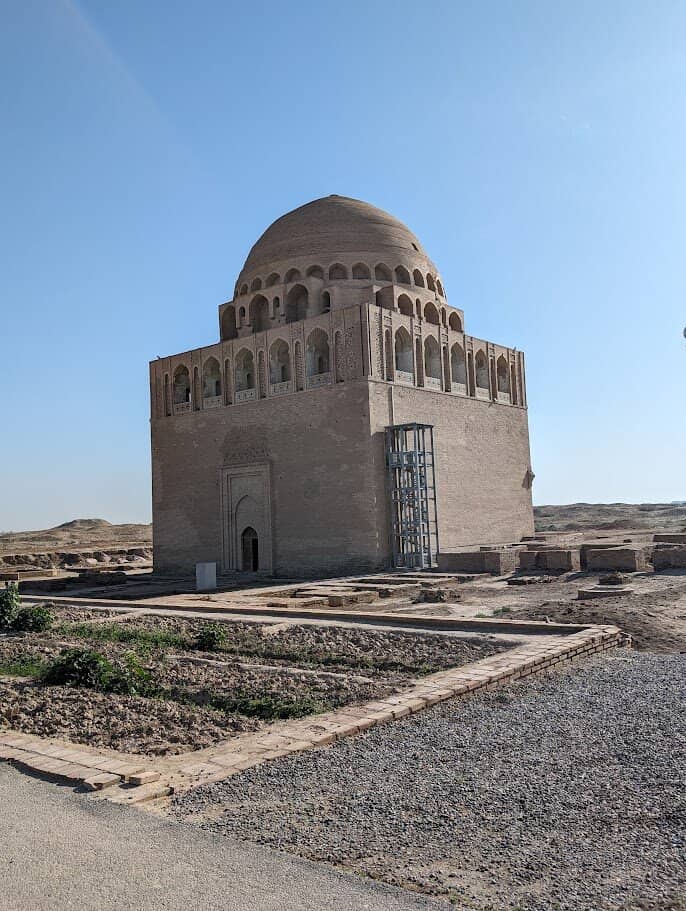
Sultan Sanjar Mausoleum
Ancient Merv
An impressive 12th-century Seljuk architectural marvel with a unique dome, once covered in blue glaze.
Vast Ancient Ruins
State Historical and Cultural Park "Ancient Merv"
Explore miles of ruins from a once-great metropolis, a UNESCO World Heritage Site.
+1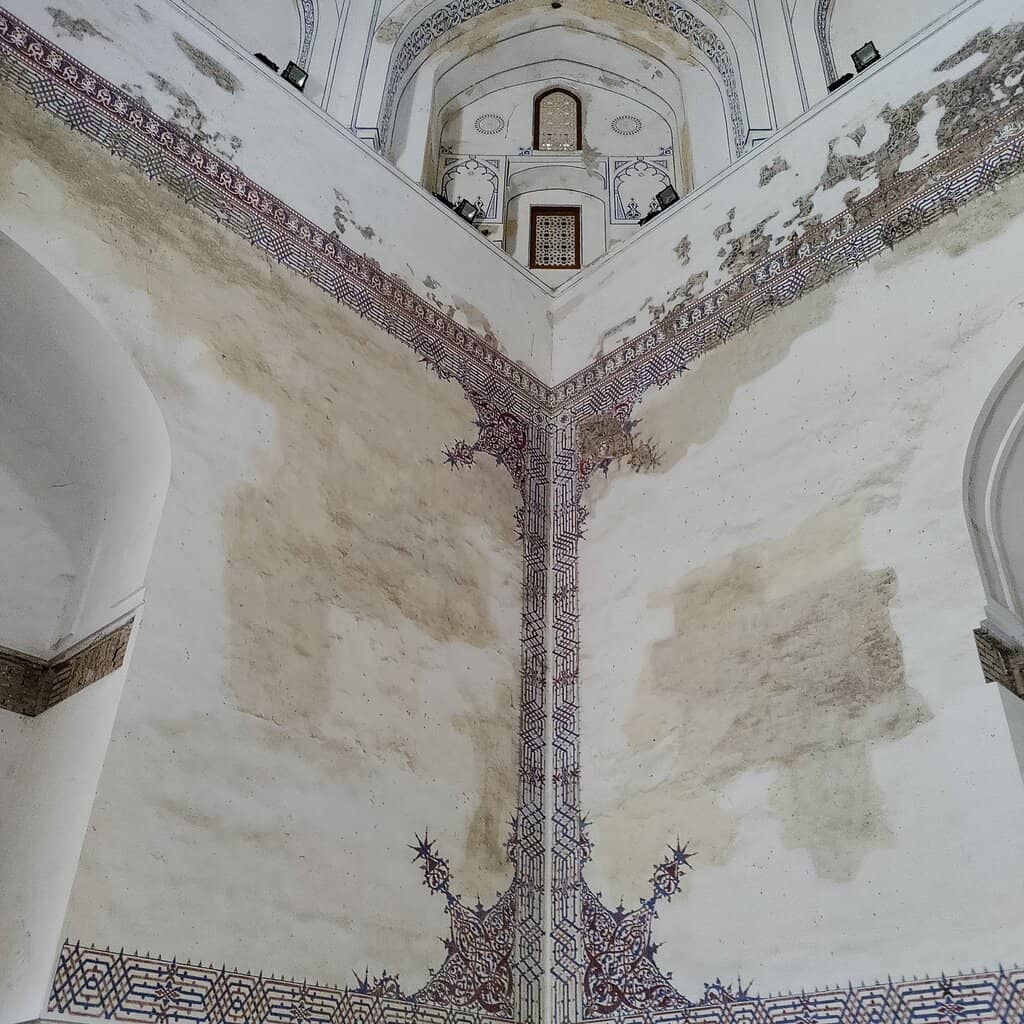
Ahmad Sanjar's Tomb
Ancient Merv
The historical resting place of Sultan Sanjar, a significant figure in Seljuk history.
Plans like a pro.
Thinks like you
Planning Your Visit
Prepare for the Desert Heat
Understand Merv's Scale
Best Times
Insider Tips
from TikTok, Instagram & Reddit
💧 Bring Your Own Water
No shops on-site for drinks. Stay hydrated, especially during warmer months.
👟 Comfortable Walking Shoes
You'll be exploring a large archaeological site. Prioritize comfort for extensive walking.
☀️ Sun Protection is Key
Hats, sunscreen, and sunglasses are essential due to the desert sun.
⏳ Allow Ample Time
Merv is extensive. Don't rush; give yourself time to absorb the history.
Tips
from all over the internet
💧 Bring Your Own Water
No shops on-site for drinks. Stay hydrated, especially during warmer months.
👟 Comfortable Walking Shoes
You'll be exploring a large archaeological site. Prioritize comfort for extensive walking.
☀️ Sun Protection is Key
Hats, sunscreen, and sunglasses are essential due to the desert sun.
⏳ Allow Ample Time
Merv is extensive. Don't rush; give yourself time to absorb the history.
What Travellers Say
Reviews Summary
Visitors are consistently impressed by the historical significance and architectural grandeur of the Sultan Sanjar Mausoleum and the vastness of the Ancient Merv site. The site offers a profound connection to Silk Road history, though the lack of amenities and the harsh desert climate require careful preparation.
"Place of Pilgrimage. It is a collection of holy sites to visit, all connected by a single road. Along the way, there are benches where visitors can rest, but no shops to buy beverages, so it’s better to bring them with you on the way to the mausoleum. It is exciting to know that an ancient city once stood here, though now only ruins remain."
Saida Rovshenova
"So much history here...and still being discovered. Some well preserved ruins and highly worth stopping if visiting ashgabat"
Gemma Bassett
"It's an attractive cube shaped Seljuk mausoleum originally built in 1157 for Sultan Sanja in Merv. It was destroyed by the Mongols in 1221 and so what we see today is a reconstruction."
Gary Brazel
What People Like
What People Dislike
Frequently Asked Questions
🚇 🗺️ Getting There
The Sultan Sanjar Mausoleum is located within the State Historical and Cultural Park "Ancient Merv," near the city of Mary. Most visitors arrive by car or taxi from Mary. It's advisable to arrange transportation in advance, especially if you're not based in Mary.
Yes, Merv is accessible from Ashgabat, though it's a significant journey. Many travelers visit Merv as a day trip or an overnight stop from Ashgabat, often as part of a larger Turkmenistan tour.
Given the vastness of the site, hiring a local guide with a vehicle is highly recommended. They can navigate the sprawling ruins and provide historical context.
Public transport directly to the Merv archaeological site is limited. It's best to rely on taxis or organized tours from Mary or Ashgabat for convenient access.
The Sultan Sanjar Mausoleum is located a short drive from the city of Mary, typically around 30-40 minutes by car, making it a popular excursion from the city.
🎫 🎫 Tickets & Entry
Yes, an entrance fee is required to access the State Historical and Cultural Park "Ancient Merv," which includes the Sultan Sanjar Mausoleum. It's advisable to check current ticket prices upon arrival.
Opening hours can vary, but generally, the site is accessible during daylight hours. It's best to confirm the exact timings with local authorities or your tour operator before your visit.
Visiting in the early morning or late afternoon can offer more comfortable temperatures and softer light for photography, avoiding the midday desert heat.
While independent visits are possible, hiring a guide is highly recommended to fully appreciate the historical significance and navigate the extensive ruins effectively.
Generally, photography is allowed within the site, but it's always good practice to be respectful of the historical and religious significance. Avoid intrusive photography.
🎫 🧭 Onsite Experience
The main attraction is the impressive mausoleum itself, known for its architecture. The surrounding area also contains remnants of the ancient city of Merv, offering a glimpse into its past grandeur.
To truly appreciate the scale of Merv, including the Sultan Sanjar Mausoleum and other ruins, allocate at least half a day, or even a full day if you're a history enthusiast.
Facilities are generally minimal. Restrooms might be available, but there are no shops for beverages or food, so it's crucial to bring your own supplies.
Built in the 12th century, it honors Sultan Sanjar, a ruler of the Seljuk Empire. The mausoleum is a key monument of medieval architecture and a testament to Merv's historical importance.
Yes, the Sultan Sanjar Mausoleum is part of the State Historical and Cultural Park "Ancient Merv," which is recognized as a UNESCO World Heritage Site for its outstanding universal value.
🍽️ 🍽️ Food & Dining
Dining options directly at the Merv archaeological site are virtually non-existent. It's best to plan your meals in the city of Mary before or after your visit.
Absolutely! Bringing your own water and snacks is highly recommended, as there are no vendors on-site. This is crucial for staying comfortable during your exploration.
The immediate vicinity of the archaeological park has very limited dining facilities. The nearest substantial options will be in the city of Mary.
In Mary, you can find traditional Turkmen cuisine, which often includes hearty meat dishes, pilaf (plov), and various bread types.
Yes, packing a picnic is an excellent idea. It allows you to enjoy a meal amidst the historical surroundings without needing to leave the site for food.
📸 📸 Photography
The mausoleum's exterior, especially its dome and intricate brickwork, is highly photogenic. The surrounding desert landscape also offers unique photographic opportunities.
Early morning or late afternoon provides the best light for photography, with softer shadows and a warmer glow that enhances the ancient ruins.
Drone usage regulations can be strict in Turkmenistan. It's essential to check with local authorities or your tour operator regarding permissions before flying a drone.
A wide-angle lens is useful for capturing the scale of the ruins and the mausoleum. A telephoto lens can be good for details. Don't forget extra batteries and memory cards.
Photography inside the mausoleum is generally permitted, but always be respectful of the space and any ongoing religious or cultural activities.
For Different Travelers
Tailored advice for your travel style
👨👩👧 Families with Kids
However, be prepared for the desert climate. Ensure children have plenty of water, sun protection (hats, sunscreen), and comfortable shoes for walking. The lack of amenities means packing snacks and drinks is essential. Consider a shorter visit focused on the main mausoleum if younger children have limited stamina.
🏛️ History Buffs & Archaeologists
Focus on exploring the various citadels, residential areas, and religious structures to understand Merv's layered history. Engaging a local guide is highly recommended to gain expert insights into the archaeological significance and ongoing discoveries at the site.
📸 Photographers
Beyond the mausoleum, the vast desert landscape surrounding the ancient ruins provides dramatic backdrops. Capture the textures of the weathered brick, the sweeping panoramas of the archaeological park, and the interplay of light and shadow across the ancient structures.
Deep Dives
In-depth insights and expert knowledge
The History of Merv and Sultan Sanjar
Sultan Sanjar, the mausoleum's namesake, was a powerful ruler of the Seljuk Empire in the 12th century. He is remembered for his military prowess and his patronage of the arts and sciences. The mausoleum, built in 1157, was a grand testament to his reign. However, Merv's glory was tragically cut short. The city was devastated by Mongol invasions in 1221, and the mausoleum itself was destroyed.
What visitors see today is largely a reconstruction. The mausoleum has undergone significant restoration efforts by Soviet, Turkmen, and Turkish architects throughout the 20th and 21st centuries, preserving its architectural legacy for future generations. Exploring Merv offers a profound connection to a rich and complex past, from its golden age to its eventual decline.
Architectural Marvels of the Mausoleum
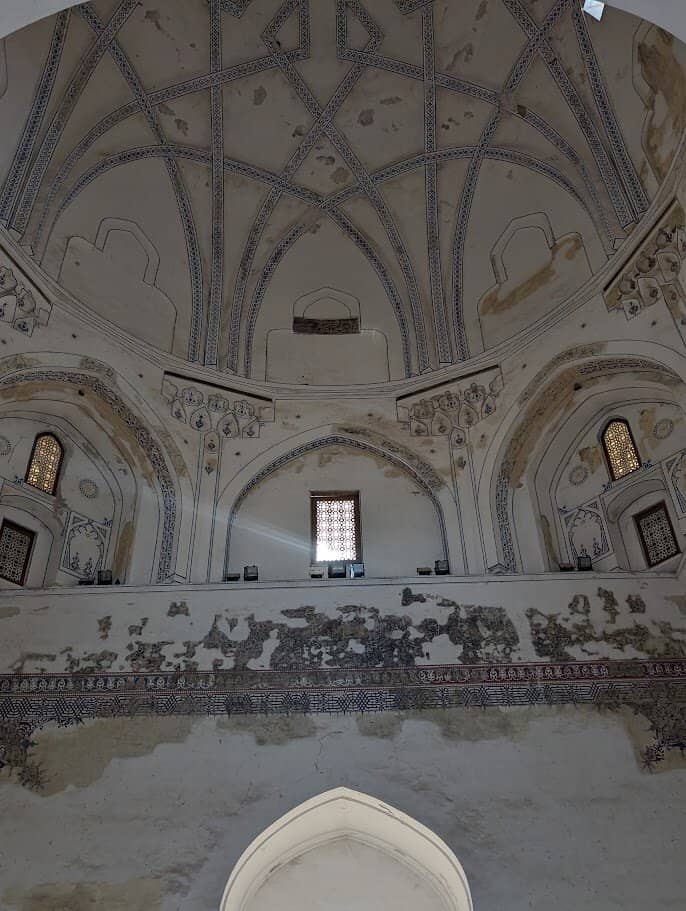
The mausoleum's cube-shaped structure is a common feature in Seljuk mausoleums, but the execution here is particularly striking. The intricate brickwork and the overall grandeur of the building speak to the advanced craftsmanship of the era. While the original structure suffered destruction, the meticulous reconstruction has aimed to preserve its historical architectural integrity.
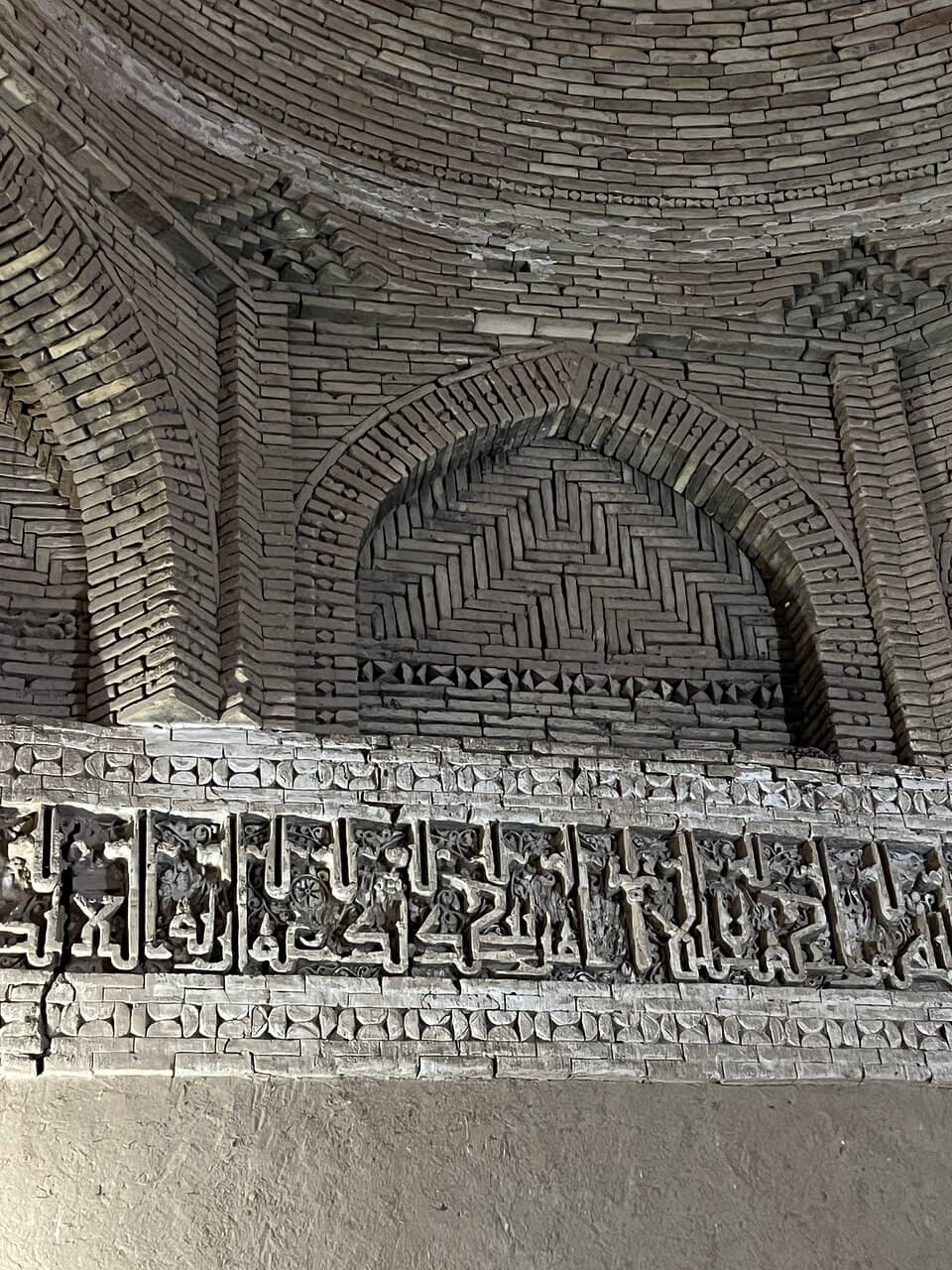
Visitors often marvel at the interior decoration, which, though restored, hints at the opulence that once existed. The mausoleum stands as a powerful symbol of Merv's historical significance and the architectural achievements of the Seljuk Empire, even in its reconstructed form.
Exploring the Wider Ancient Merv Site
+1Key areas beyond the mausoleum include the Erk Kala and Gyaur Kala citadels, the remains of mosques, caravanserais, and residential areas. Each section offers a unique perspective on the city's evolution and its role as a vital hub on the Silk Road. Exploring these ruins provides a tangible connection to the past, allowing visitors to imagine life in this once-thriving metropolis.
Many travelers emphasize the importance of having a guide to navigate and understand the significance of the various ruins. Without context, the vastness can be overwhelming, but with a knowledgeable guide, the site truly comes alive, revealing layers of history waiting to be discovered.
Social
from TikTok, Instagram & Reddit