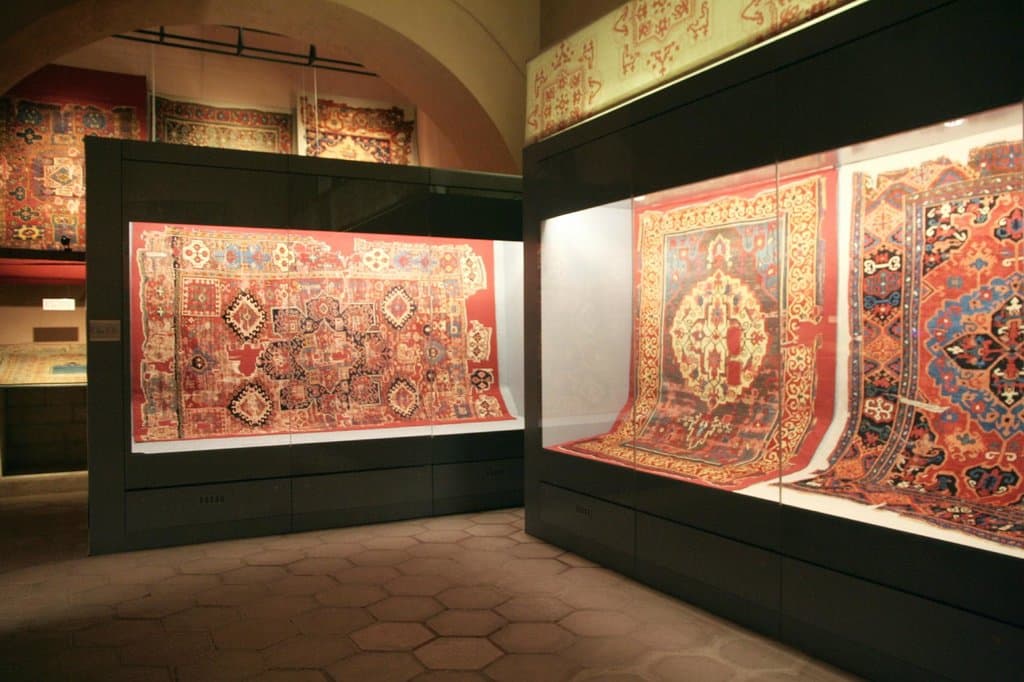
Istanbul Carpet Museum
Discover centuries of Turkish textile artistry in this serene museum, showcasing exquisite carpets from the Seljuk and Ottoman eras.
Highlights
Must-see attractions

Social
From TikTok & Reddit
Best Time
Fewer crowds, peaceful viewing
Istanbul Carpet Museum
Best Time
Fewer crowds, peaceful viewing
Highlights
Must-see attractions
Discover centuries of Turkish textile artistry in this serene museum, showcasing exquisite carpets from the Seljuk and Ottoman eras.
"A peaceful gem behind Hagia Sophia, offering a deep dive into the rich history of Turkish carpets."
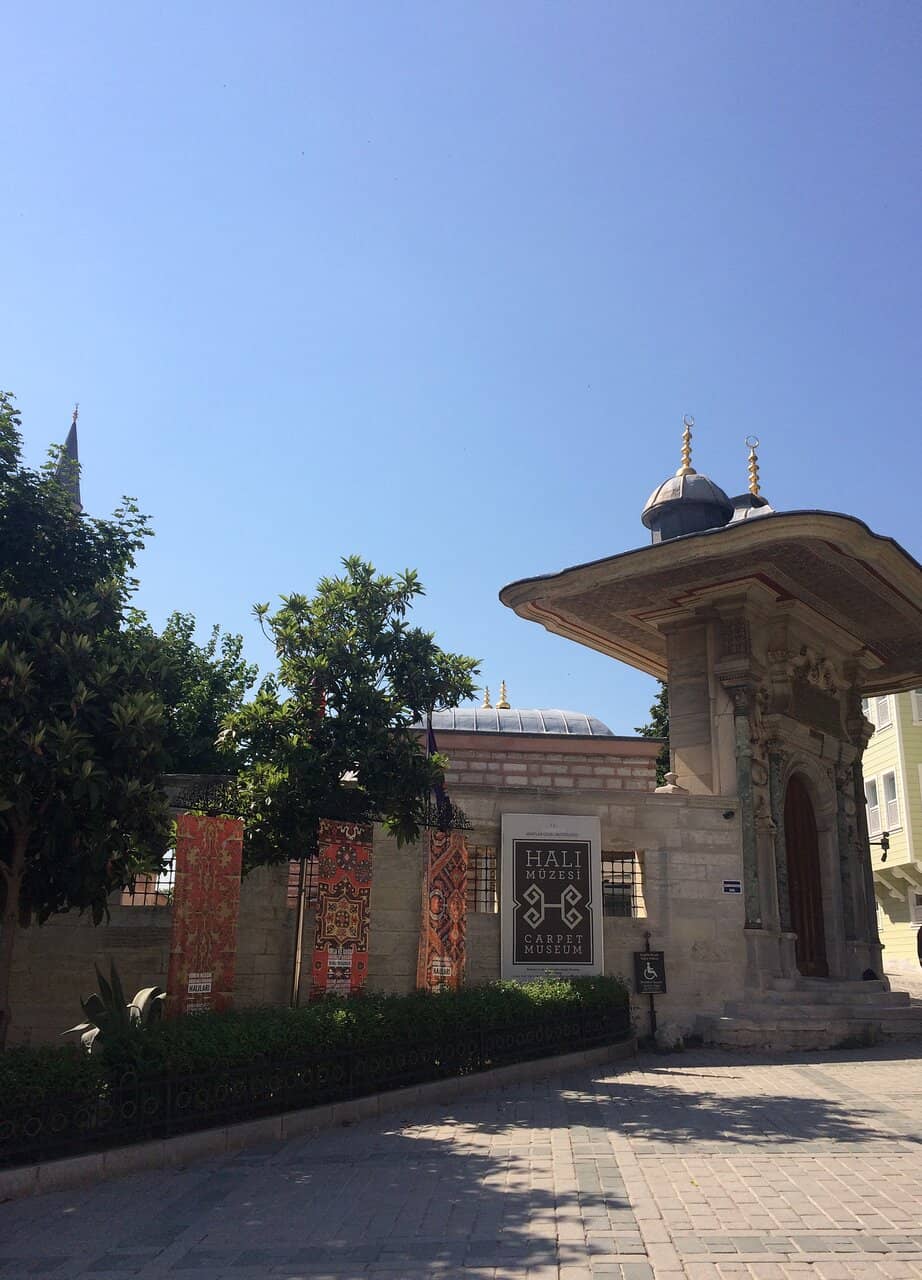
Combine with Hagia Sophia
Its location behind Hagia Sophia makes it easy to visit both sites without much extra travel time. :world_map:
Go early to avoid crowds
Arriving when it opens ensures a more intimate experience with the exhibits. :clock1:
Quick Facts
Rating
4.2 · 225 reviews
Type
Museum
Highlights
Discover the most iconic attractions and experiences
Seljuk Empire Carpets
Gallery 1
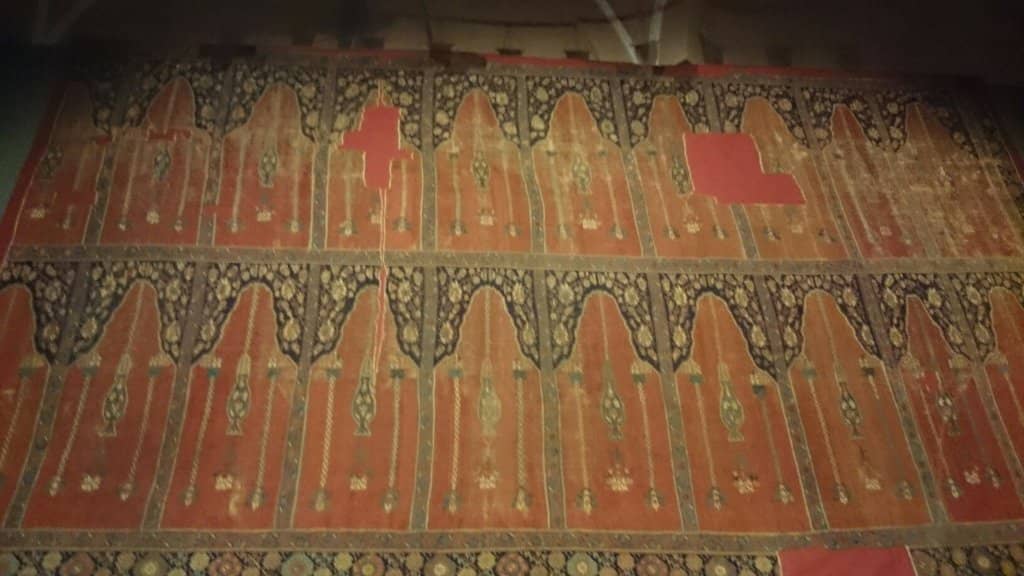
Witness the ancient artistry of the Seljuk period, showcasing unique designs and vibrant colors from Anatolia's past.
Ottoman Era Masterpieces
Gallery 2
Explore the grandeur of Ottoman carpets, reflecting the empire's peak with intricate patterns and rich hues.
Uşak Prayer Rugs
Gallery 3
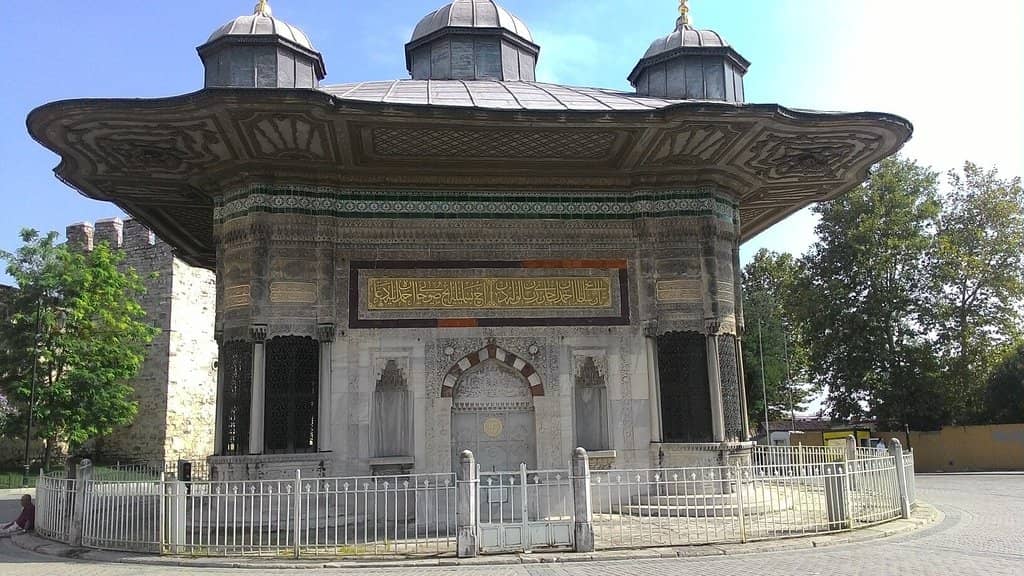
Admire the delicate prayer rugs from Uşak, known for their fine craftsmanship and spiritual significance.
Plans like a pro.
Thinks like you
Planning Your Visit
Timing is Key for a Peaceful Visit
Location & Accessibility
Best Times
Insider Tips
from TikTok, Instagram & Reddit
Combine with Hagia Sophia
Its location behind Hagia Sophia makes it easy to visit both sites without much extra travel time. :world_map:
Go early to avoid crowds
Arriving when it opens ensures a more intimate experience with the exhibits. :clock1:
Check for special exhibitions
Sometimes unique carpet exhibitions are held, offering a special viewing opportunity. ✨
Small but significant
While small, the collection offers deep insights into Turkish textile history. 🧵
Tips
from all over the internet
Combine with Hagia Sophia
Its location behind Hagia Sophia makes it easy to visit both sites without much extra travel time. :world_map:
Go early to avoid crowds
Arriving when it opens ensures a more intimate experience with the exhibits. :clock1:
Check for special exhibitions
Sometimes unique carpet exhibitions are held, offering a special viewing opportunity. ✨
Small but significant
While small, the collection offers deep insights into Turkish textile history. 🧵
What Travellers Say
Reviews Summary
Visitors often describe the Istanbul Carpet Museum as a small but significant collection, offering a peaceful escape behind Hagia Sophia. While some find it very small with carpets in less-than-ideal condition, others praise its historical depth and unique insight into Turkish textile art, especially for those interested in carpets.
"Istanbul Carpet Museum
This small and lovely collection collects carpets from different periods of history is.
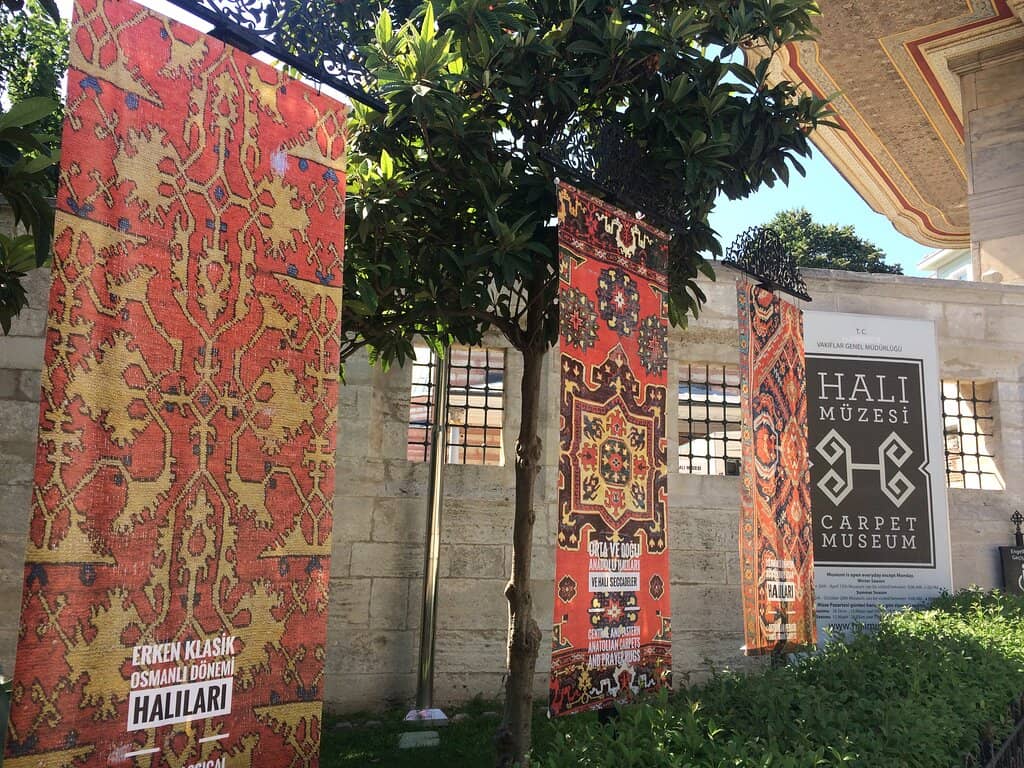
The carpets in the Istanbul Carpet Museum are left over from the Seljuk and Ottoman periods, and each of these periods has its own unique designs, colors, and features.
This collection includes three different halls (galleries) based on different historical periods. The first gallery is the works of the al-Tawaifi period in Anatolia.
The second gallery is the works of the Ottoman period in Central and Eastern Anatolia. The third gallery is the great works of the Ottoman period.
There are, courses and so on in this museum, in addition to the restoration and restoration of historical carpets from moisture and sunlight, they are also carefully preserved.
The new location of this museum is right behind Hagia Sophia Mosque, and you won't need much time to visit it had"
maryam azad
"One of Turkey's finest collections of carpets and flat-weave rugs ishoused in the İmaret building, the mosque's former soup kitchens. The collection includes pieces weaved throughout Anatolia between 14th and 20th centuries The first gallery is dedicated to carpets from the Seljuk Empire, the second gallery displays carpets produced during the height of the Ottoman Empire, and the third gallery shows more recent carpets and prayer rugs from Uşak."
JUZER KAPADIA
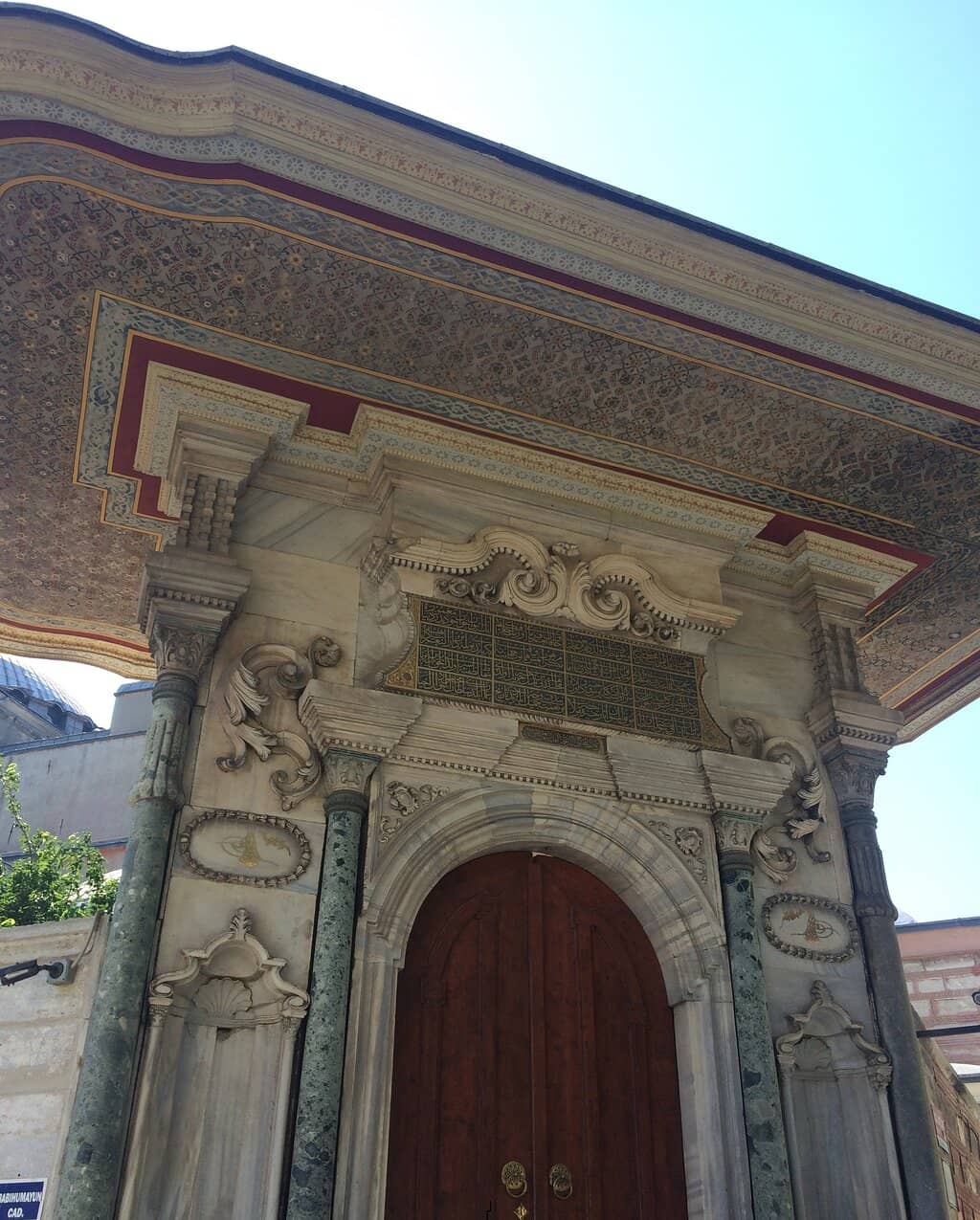
"If you are into carpets, you must visit this museum. Even if you are not that interested in carpets, you should visit. The museum spreads across the back side of Hagia Sophia so the nominal entrance fee gives you access to a side of Hagia Sophia most people don’t see and there is no crowd. I went when it first opened in the morning."
Eric Flynn
What People Like
What People Dislike
Frequently Asked Questions
🚇 🗺️ Getting There
The Istanbul Carpet Museum is conveniently located behind Hagia Sophia. You can reach it by public transport to Sultanahmet Square, followed by a short walk. Many visitors find it easy to access after visiting Hagia Sophia itself.
Yes, it's right behind Hagia Sophia and within walking distance of the Blue Mosque and Basilica Cistern, making it ideal for a day of exploring Istanbul's historic peninsula.
From Beyoğlu, you can take the F1 Kabataş-Taksim funicular to Kabataş, then the T1 tram towards Bağcılar and alight at the Sultanahmet stop. From there, it's a short walk.
🎫 🎫 Tickets & Entry
The entrance fee is nominal, often around 10 TL, making it a very affordable addition to your Istanbul itinerary.
While specific discounts aren't widely advertised, the low entrance fee generally makes it accessible for most travelers. Consider checking for combined museum passes if available.
Opening hours can vary, but it typically opens in the morning and closes in the late afternoon. It's always best to check the official museum website or local listings for the most current hours before your visit.
Online ticketing options may not always be available for smaller museums like this. It's usually possible to purchase tickets directly at the museum entrance.
It's generally not as crowded as major attractions like Hagia Sophia, especially if you visit on a weekday morning.
🎫 🏛️ Onsite Experience
The museum is relatively small. Most visitors spend about 30-60 minutes exploring the collections, making it a perfect short visit.
You'll find a curated collection of carpets and flat-weave rugs from the 14th to 20th centuries, including pieces from the Seljuk and Ottoman periods, as well as Uşak prayer rugs.
Information on guided tours is not widely available. However, the exhibits are well-labeled, and the museum's size allows for self-guided exploration.
While children might not spend a long time here, the vibrant colors and patterns of the carpets can be visually engaging. It's a quiet museum, so it's best for children who can appreciate a more subdued environment.
Photography policies can change, but generally, non-flash photography for personal use is permitted. Always check for signage or ask staff if unsure.
🍽️ 🍽️ Food & Dining
The museum itself does not have a cafe or restaurant. However, the surrounding Sultanahmet area is filled with numerous cafes and restaurants offering traditional Turkish cuisine.
You'll find many options in Sultanahmet, from casual lokantas (eateries) to more upscale restaurants. Try local specialties like kebabs, mezes, and baklava.
📸 📸 Photography
The carpets themselves are the stars, with their intricate patterns and rich colors. Focus on capturing the details and textures of these historical textiles.
Flash photography is generally not permitted in museums to protect delicate artifacts like carpets. Always adhere to the museum's rules.
The museum's location behind Hagia Sophia offers unique perspectives of the mosque's architecture, especially if you can find a vantage point.
Social
from TikTok, Instagram & Reddit