
Kefevi Mosque
A historic 1581 mosque in Sinop, famed for its unique column-free interior and a rare wooden ceiling decorated with prophet names.
Highlights
Must-see attractions

Social
From TikTok & Reddit
Best Time
Experience tranquility
Kefevi Mosque
Best Time
Experience tranquility
Highlights
Must-see attractions
A historic 1581 mosque in Sinop, famed for its unique column-free interior and a rare wooden ceiling decorated with prophet names.
"The unique wooden ceiling with prophet names is a must-see, and the friendly attendant makes the visit special."

Modest Attire Required
Cover shoulders and knees to show respect. 🙏
Chat with the Attendant
They're friendly and knowledgeable about local history! :smiley:
Quick Facts
Rating
4.7 · 67 reviews
Type
Mosque
Highlights
Discover the most iconic attractions and experiences
Unique Wooden Ceiling
Interior
Admire the rare wooden ceiling adorned with medallions bearing the names of prophets.
Mahmud Kefevi's Tomb
Courtyard
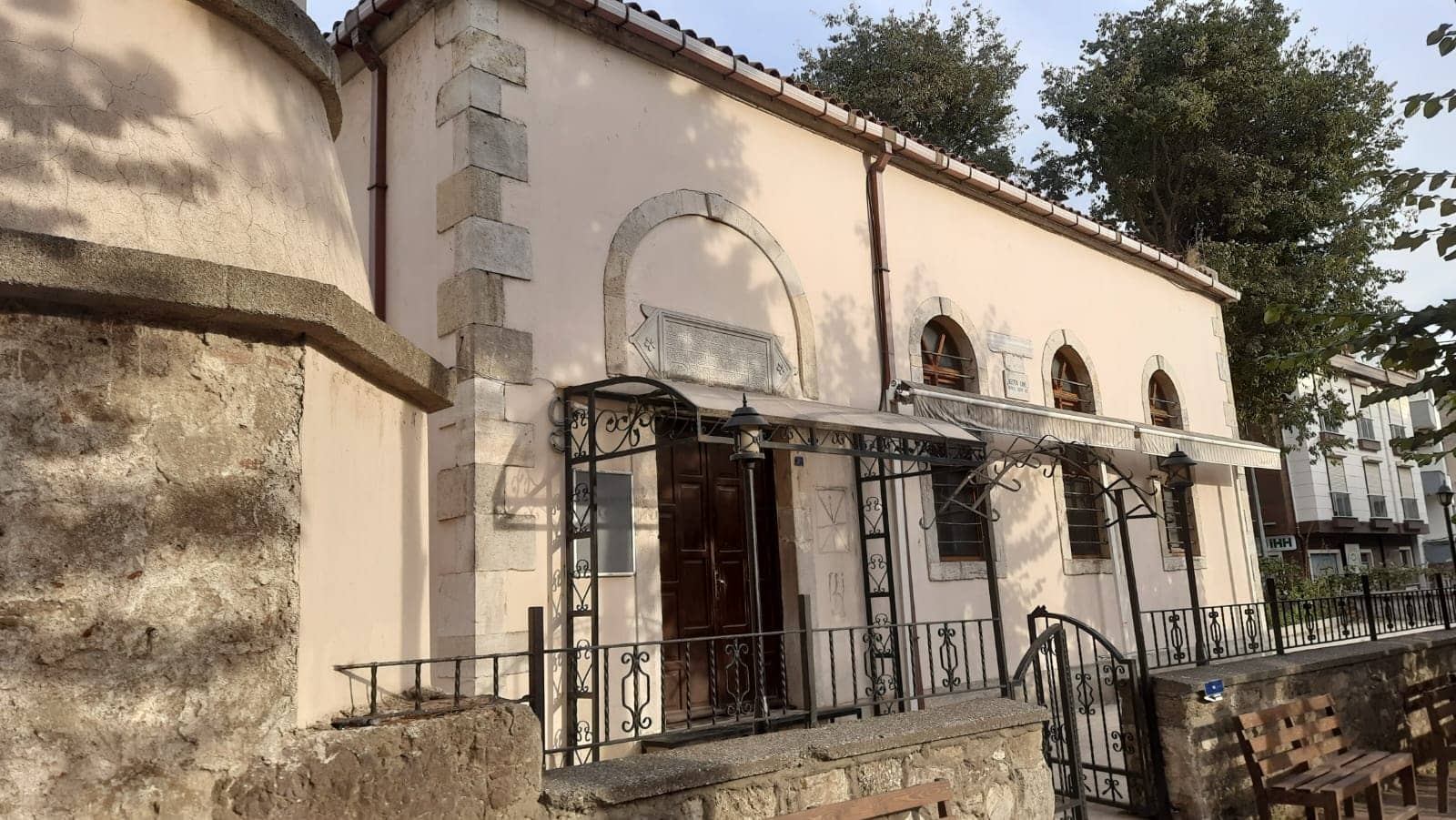
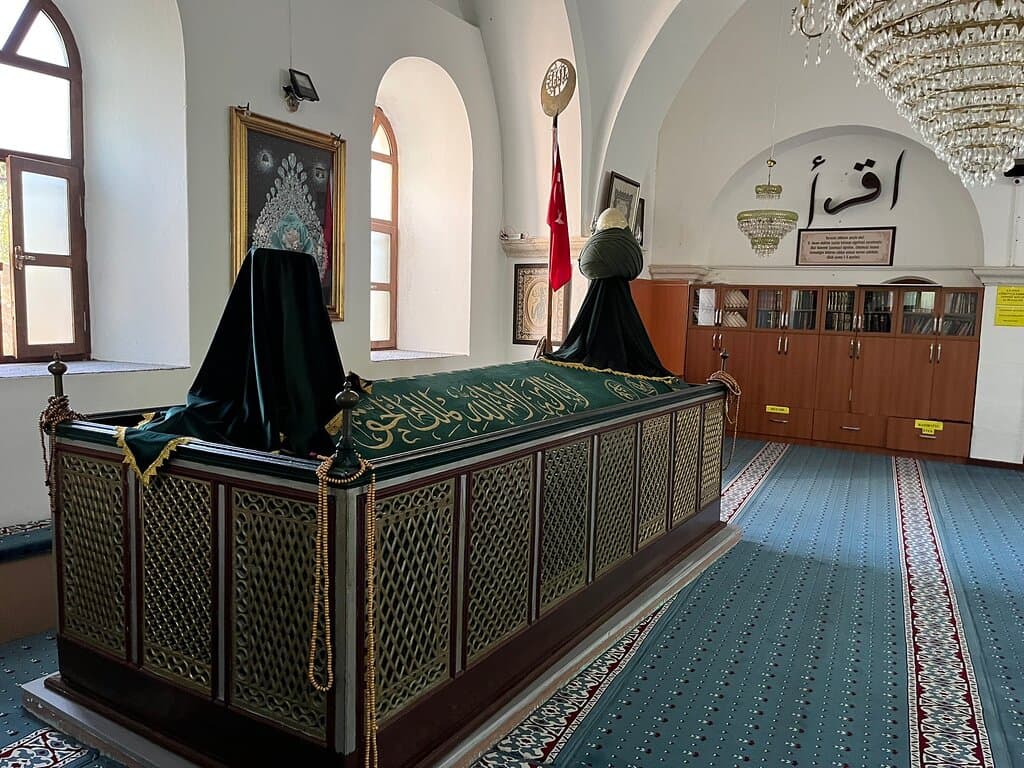
Visit the burial site of the mosque's founder, Mahmud Kefevi, adjacent to the main building.

Historic Minaret
Northwest Corner
Observe the distinctive stubby brickwork and plastered minaret, a testament to its age.
Plans like a pro.
Thinks like you
Planning Your Visit
Respectful Visits
Discover Local History
Best Times
Insider Tips
from TikTok, Instagram & Reddit
Modest Attire Required
Cover shoulders and knees to show respect. 🙏
Chat with the Attendant
They're friendly and knowledgeable about local history! :smiley:
Look for Prophet Medallions
The ceiling's unique artwork is a highlight. :star2:
Quiet During Prayer
Be mindful of worshippers and maintain silence. :shushing_face:
Tips
from all over the internet
Modest Attire Required
Cover shoulders and knees to show respect. 🙏
Chat with the Attendant
They're friendly and knowledgeable about local history! :smiley:
Look for Prophet Medallions
The ceiling's unique artwork is a highlight. :star2:
Quiet During Prayer
Be mindful of worshippers and maintain silence. :shushing_face:
What Travellers Say
Reviews Summary
Visitors praise Kefevi Mosque for its unique architectural features, especially the stunning wooden ceiling adorned with prophet names. The serene atmosphere and the friendly, informative attendant are frequently highlighted as positive aspects, making it a peaceful and culturally enriching stop in Sinop. Some note that the mihrab and pulpit are less artistically significant.
"The mosque was repaired in 1312 by Governor Bekir Pasha.
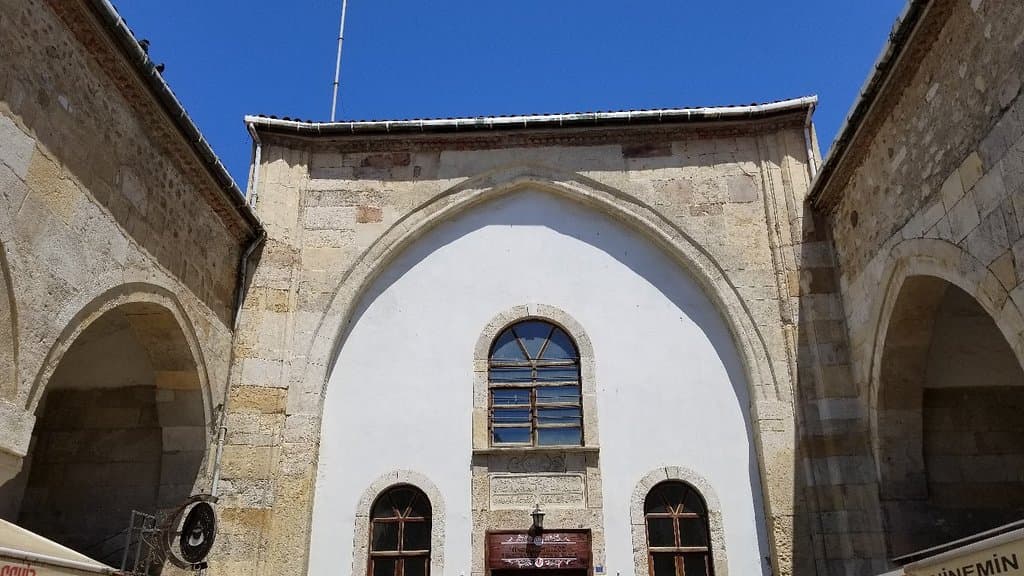
Detailed Description: It is located on the east side of the Government Building in the Kefevi neighborhood. It was built in 1581 by Mahmud Çelebiyyül Kefevi and renovated by Bekir Pasha in 1312 AH (1894 AH). The building has a rectangular plan. The interior features a wooden ceiling spire decorated with medallions depicting the names of the Prophets, which is a unique feature. The mihrab and pulpit have no artistic value. The mosque, which has a burial area in the courtyard, has a stubby brickwork and plastered minaret in the northwest corner."
KoSeKu
"Built in 1581 by Mahmud Kefevi, the mosque looks small from the outside, but the inside is spacious and airy because there are no columns. There is a tomb next to the mosque, and there is a biography of him hanging on the wall. The attendant was very pleasant and chatty. We told him we had come from a long distance, he gave us information about Sinop, and we had a good conversation. May God bless him."
Ömer Faruk
"It is located in the Kefevi neighborhood, just past the Government Office and across from the Ethnography Museum. It was built in 1581 by Mahmud Çelebiyyül Kefevi."
Şahin Furuncuoğlu
What People Like
What People Dislike
Frequently Asked Questions
🚇 🗺️ Getting There
Kefevi Mosque is conveniently located on the east side of the Government Building in the Kefevi neighborhood of Sinop. It's easily accessible by foot if you're exploring the city center, or a short taxi ride from other parts of Sinop.
Yes, it's situated across from the Ethnography Museum and near the Government Office, making it easy to combine with other historical and cultural sites in the area.
🎫 🎫 Tickets & Entry
No, entry to Kefevi Mosque is typically free. As an active place of worship, visitors are welcome to enter respectfully outside of prayer times.
While there are no strict official opening hours posted, it's best to visit outside of the five daily prayer times to ensure you can explore peacefully and respectfully.
There is no entrance fee to visit Kefevi Mosque. Donations are always appreciated if you wish to contribute to its upkeep.
🎫 🧭 Onsite Experience
The interior is surprisingly spacious due to the absence of columns. The most striking feature is the unique wooden ceiling, decorated with medallions bearing the names of the Prophets.
Photography is generally permitted inside Kefevi Mosque, but always be discreet and avoid taking photos during prayer times or of worshippers without their consent.
Yes, a modest dress code is essential. Visitors should cover their shoulders and knees. Women may wish to bring a headscarf.
The tomb in the courtyard belongs to Mahmud Kefevi, the founder of the mosque, who built it in 1581. It's a significant part of the mosque's historical context.
📸 📷 Photography
The unique wooden ceiling with prophet names is a prime photo opportunity. The exterior, especially the minaret and the tomb area, also offers good shots.
While you can photograph these architectural elements, reviews suggest they don't hold significant artistic value compared to the ceiling. Focus on the unique features.



Social
from TikTok, Instagram & Reddit