Temple of Jupiter Silifke
A 2nd-century Roman temple in Silifke, now an excavation site, featuring a striking lone column and ancient ruins.
Highlights
Must-see attractions

Social
From TikTok & Reddit
Best Time
Best light for viewing
Temple of Jupiter Silifke
Best Time
Best light for viewing
Highlights
Must-see attractions
A 2nd-century Roman temple in Silifke, now an excavation site, featuring a striking lone column and ancient ruins.
"Disappointed, wire all around it, but the massive column bases make you picture its former glory."
View from Outside
Since it's an excavation site, you can only view the temple from behind fences. Still worth seeing! :camerawithflash:
Imagine its Glory
Picture the temple in its prime as you observe the remaining column and bases. A true historical marvel. :thought_balloon:
Quick Facts
Highlights
Discover the most iconic attractions and experiences
The Sole Standing Column
Temple grounds
A towering testament to Roman engineering, this lone column still stands proudly, hinting at the temple's former grandeur.
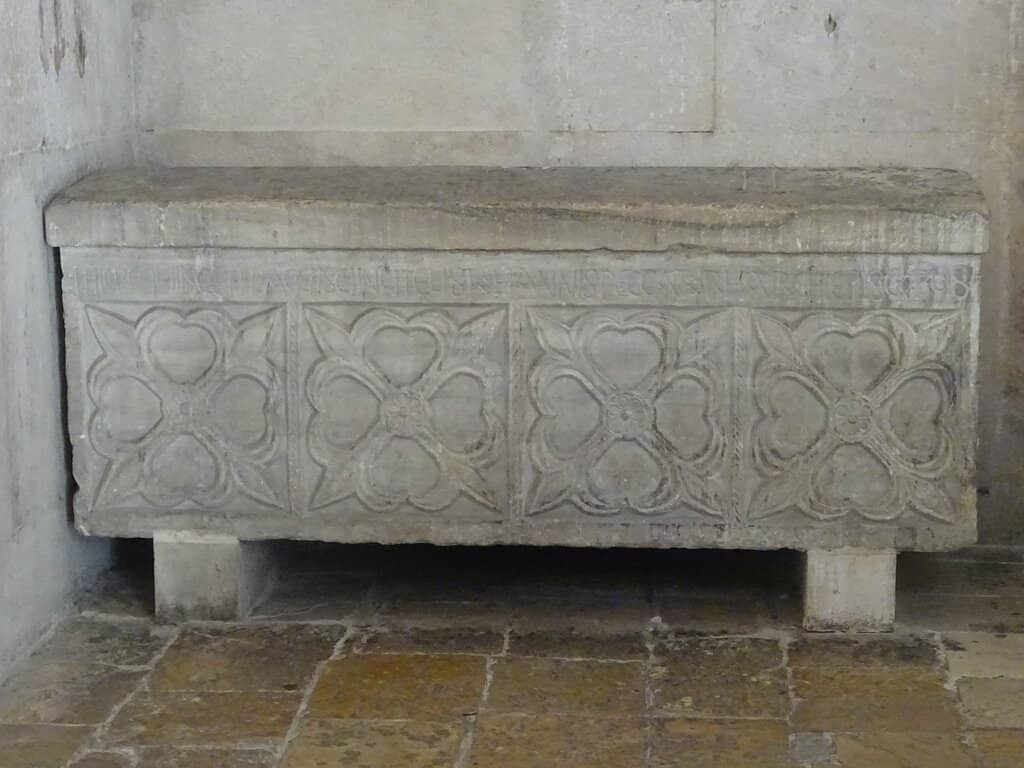
Ancient Column Bases
Temple grounds
Glimpse the massive column bases and scattered ruins, sparking imagination about the temple's original scale and design.
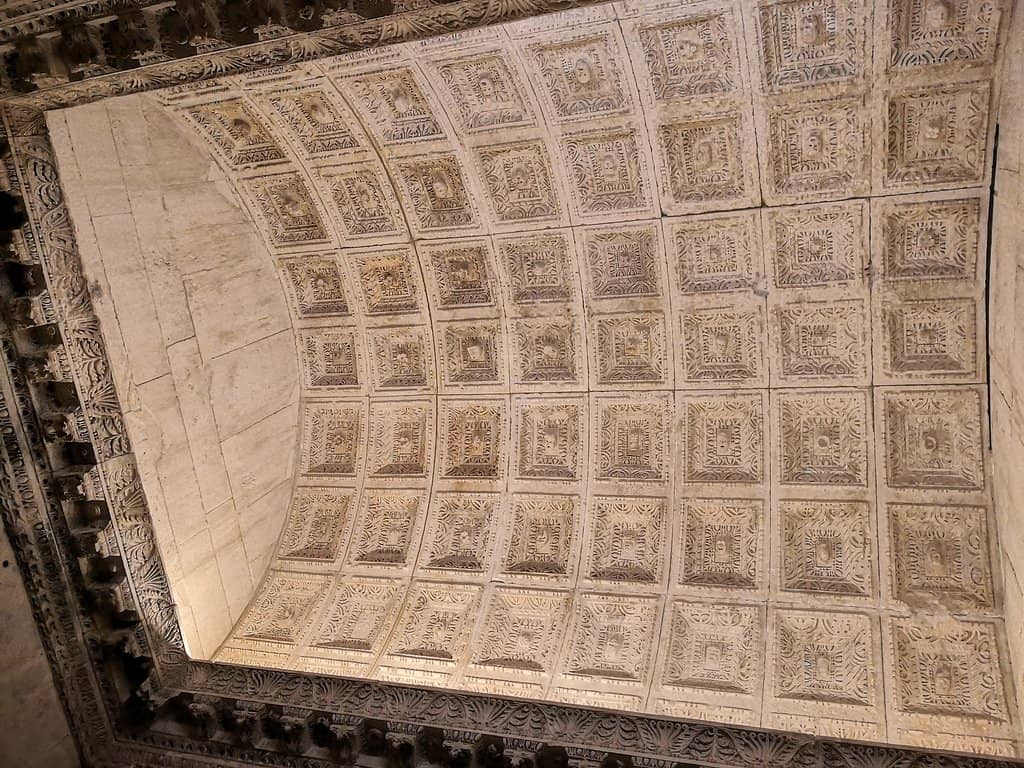
Corinthian Capitals
Temple grounds
Observe the intricate Corinthian capitals, showcasing the detailed artistry of Roman architecture, even in their current state.
Plans like a pro.
Thinks like you
Planning Your Visit
Access and Viewing
Historical Context
Best Times
Insider Tips
from TikTok, Instagram & Reddit
View from Outside
Since it's an excavation site, you can only view the temple from behind fences. Still worth seeing! :camerawithflash:
Imagine its Glory
Picture the temple in its prime as you observe the remaining column and bases. A true historical marvel. :thought_balloon:
Central Location
Easily accessible in the heart of Silifke, making it a convenient stop during your city exploration. :round_pushpin:
Tips
from all over the internet
View from Outside
Since it's an excavation site, you can only view the temple from behind fences. Still worth seeing! :camerawithflash:
Imagine its Glory
Picture the temple in its prime as you observe the remaining column and bases. A true historical marvel. :thought_balloon:
Central Location
Easily accessible in the heart of Silifke, making it a convenient stop during your city exploration. :round_pushpin:
What Travellers Say
Reviews Summary
Visitors find the Temple of Jupiter in Silifke to be a historically significant site, particularly appreciating the lone standing column and the glimpse into Roman architecture. However, many express disappointment that direct access is restricted due to its status as an active excavation, limiting the immersive experience.
"The Temple of Jupiter in Silifke, located in the city center of the district of Silifke in Mersin, Turkey, is an ancient Roman temple thought to have been built in the 2nd century AD. While there are differing opinions about whether it was dedicated to Zeus or Apollo, the temple was converted into a church in the 5th century AD. According to historian Zosimos, it was built as a token of gratitude to Apollo by the people who had escaped a locust invasion. Of the temple's 14 columns with Corinthian capitals on its long side and 8 on its short side, only one remains standing today, while three others are in ruins. Excavations have been ongoing intermittently by the Ministry of Culture since 1980. The temple is an important part of Silifke's rich historical heritage."
Mazhar Abbas
"Ancient temple of Zeus built in the first half of II century A.D. Construction started during the rule of Emperor Hadrian of Rome (76-138 A.D ) and was accomplished during the rule of Emperor Septimius Severus (145-211 A.D.) Ruins are situated in the center of Silifke. They are fenced with barbed wire and wait for the archeologists. Silifke that was known as Seleucia ever since the moment it was founded by the King Seleucos I Nicator (358-281 B. C.) the Macedonian Greek General of Alexander the Great (356-323 B. C.) and his successor. The city is separated into two parts by the Goksu River. River became notoriously known when Emperor Friederich I of the Holy Roman Empire (1122-1190), better known as Friedrich Barbarossa drowned in Goksu. His sudden death was one of many reasons for the Third Crusade failure. Present-day castle was mostly built by Byzantines in VII century A. D. to defend Asia Minor from Arabs. King Leo I of Cilician Armenia (1150-1219) captured Silifke during the last quarter of the XII century. He granted Silifke to Knights Hosputallers in 1210 and jn return they had to defend the western border of his realm from Seljuk Turks. By 1236, Silifke was returned under Cilician control, but even in 1248, we can find that the name of the castle castellan was Guiscard, which suggests that he was the Frenchman. Castle was captured by Karamanid Turks in 1469, but the castle became Ottoman when Ottoman Turks incorporated Karamanids into their empire in 1487. Silifke, 🇹🇷 Turkey 🇹🇷, March 19, 2024."
Oleg Naumov
"Disappointed, wire all around it."
Linda Brett
What People Like
What People Dislike
Frequently Asked Questions
🚇 🗺️ Getting There
The Temple of Jupiter is conveniently located in the city center of Silifke, Mersin, Turkey. It's easily accessible by local transport or a short walk if you are already in the town center. 🚌 🚶
As it's in the town center, there are usually public parking areas available nearby. Street parking might also be an option, but can be busy. 🚗
🎫 🎫 Tickets & Entry
No ticket is required as the temple is an active excavation site and is viewed from outside the fenced area. 🎟️
Unfortunately, direct entry into the temple grounds is not permitted as it is an ongoing archaeological excavation. You can view it from the perimeter. :noentrysign:
Since it's an outdoor site viewed from the outside, there are no official opening hours. It can be viewed at any time, though daytime offers the best visibility. :clock1:
🎫 🧭 Onsite Experience
You can see the impressive sole standing column, the bases of other columns, and scattered ruins that hint at the temple's former magnificence. :statueofliberty:
While only one column stands fully, the presence of column bases and other ruins indicates significant archaeological work. It's a site in progress. :hammerandwrench:
Since viewing is from the outside, a visit typically takes about 15-30 minutes to appreciate the remaining structures. :stopwatch:
Yes, the lone standing column against the sky or surrounding landscape makes for dramatic photos. Capture its historical presence. :camerawithflash:
🍽️ 🍽️ Food & Dining
Being in the town center, you'll find numerous local restaurants and cafes nearby offering Turkish cuisine. Perfect for a post-visit meal. :hamburger: ☕
📸 📸 Photography
The best photo opportunities are from across the street, capturing the full height of the standing column. Angles that include the sky or the town in the background can also be striking. :iphone:
Drone usage is generally restricted in historical and archaeological sites, especially in populated areas. It's best to check local regulations before flying. :noentrysign:

Social
from TikTok, Instagram & Reddit