Brick Alley Almshouses
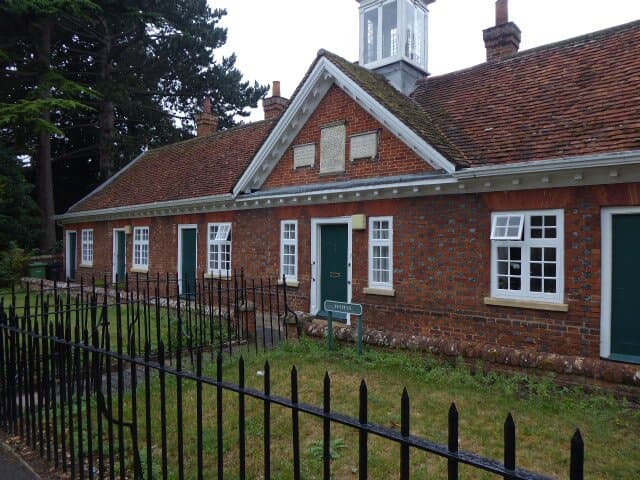
Historic Georgian almshouses built in 1709, showcasing red brick architecture and a legacy of philanthropy.
Highlights
Must-see attractions

Social
From TikTok & Reddit
Best Time
Best light for photos
Brick Alley Almshouses
Best Time
Best light for photos
Highlights
Must-see attractions
Historic Georgian almshouses built in 1709, showcasing red brick architecture and a legacy of philanthropy.
"A charming glimpse into 18th-century Abingdon, perfect for history and architecture buffs."
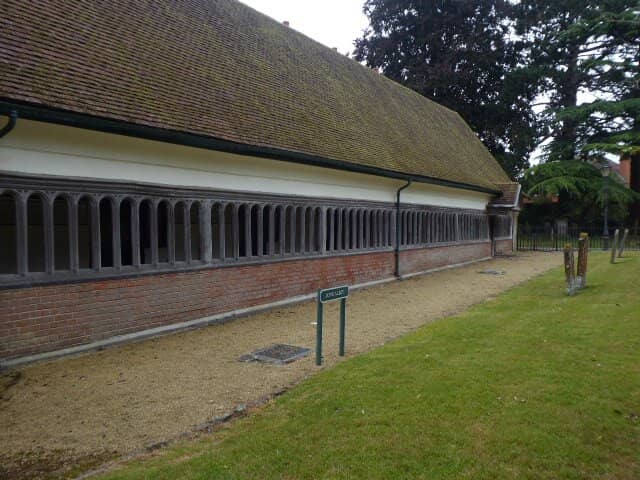
📸 Capture the Architecture
The red brick and Georgian details make for beautiful photos. Visit during daylight for the best natural light. :camerawithflash:
🚶 Stroll Around St Helen's
The almshouses are adjacent to St Helen's Churchyard. Explore the churchyard for a fuller historical context. :world_map:
Quick Facts
Rating
4.5 · 2 reviews
Highlights
Discover the most iconic attractions and experiences
Twitty's Almshouses Facade
Admire the elegant red brick construction and Georgian design, a testament to 18th-century philanthropy.
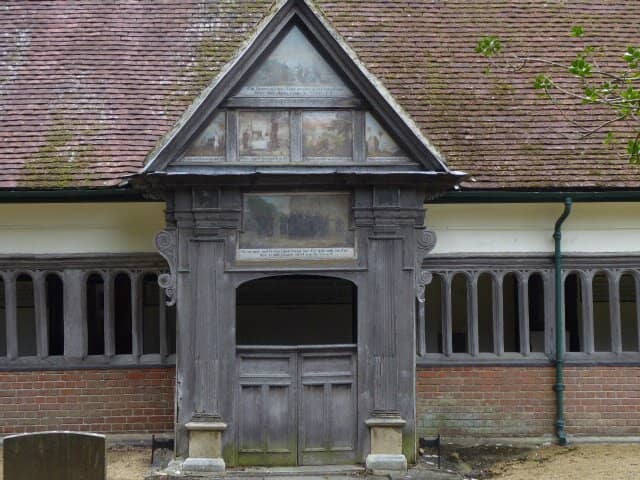
Pedimented Gable Detail
Focus on the central pedimented gable, a key architectural feature that highlights the building's symmetry.
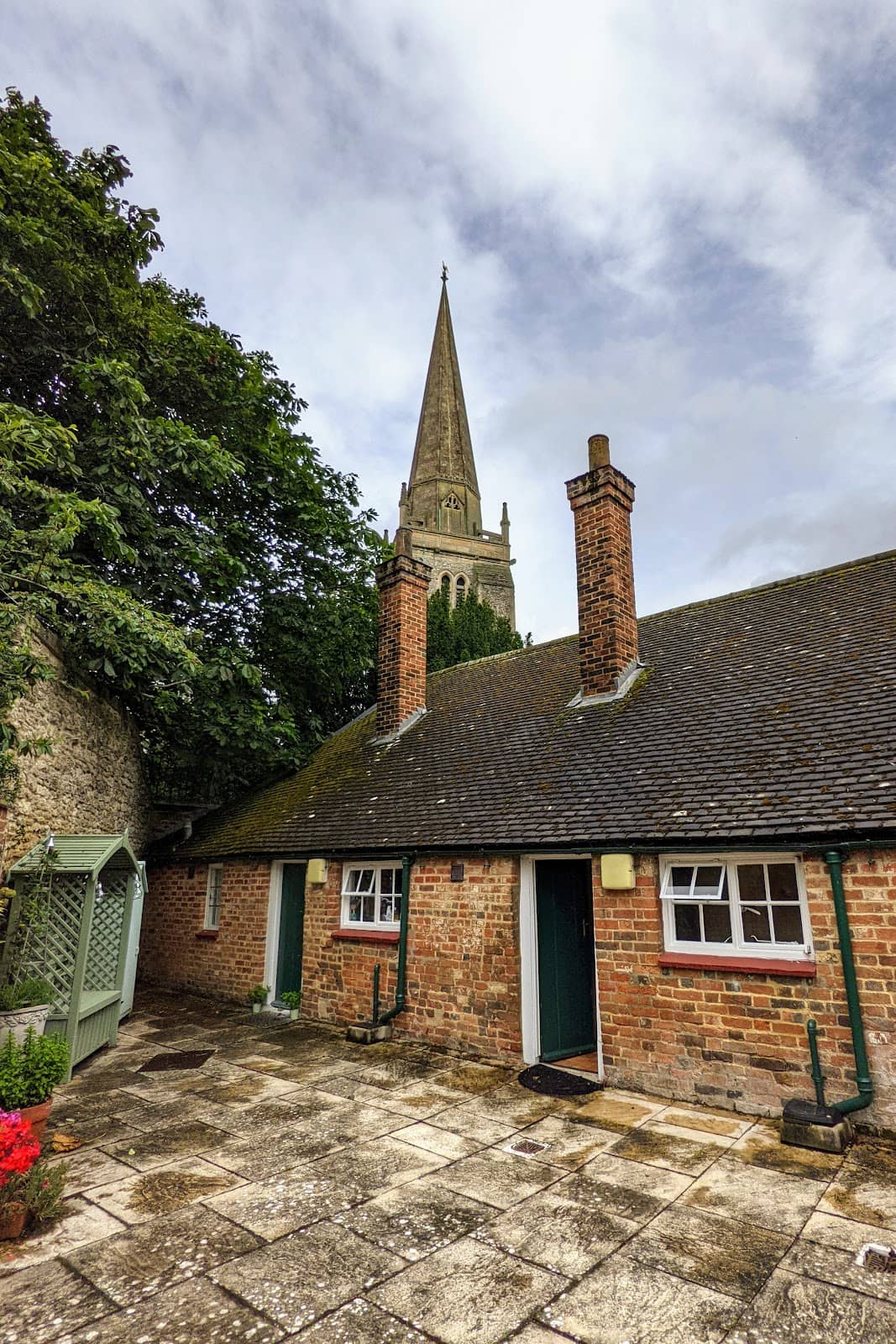
The Lantern Above
Look up to appreciate the charming square lantern atop the roof, a distinctive element of the almshouse design.
Plans like a pro.
Thinks like you
Planning Your Visit
A Glimpse into History
Architectural Charm
Best Times
Insider Tips
from TikTok, Instagram & Reddit
📸 Capture the Architecture
The red brick and Georgian details make for beautiful photos. Visit during daylight for the best natural light. :camerawithflash:
🚶 Stroll Around St Helen's
The almshouses are adjacent to St Helen's Churchyard. Explore the churchyard for a fuller historical context. :world_map:
📚 Learn the History
Research Charles Twitty's story beforehand to appreciate the almshouses' philanthropic origins. 📚
Tips
from all over the internet
📸 Capture the Architecture
The red brick and Georgian details make for beautiful photos. Visit during daylight for the best natural light. :camerawithflash:
🚶 Stroll Around St Helen's
The almshouses are adjacent to St Helen's Churchyard. Explore the churchyard for a fuller historical context. :world_map:
📚 Learn the History
Research Charles Twitty's story beforehand to appreciate the almshouses' philanthropic origins. 📚
What Travellers Say
Reviews Summary
Visitors appreciate the Brick Alley Almshouses for their historical significance and charming Georgian architecture. While not open for interior tours, the well-preserved exterior offers a glimpse into 18th-century philanthropy and design. It's a peaceful spot for a brief historical appreciation.
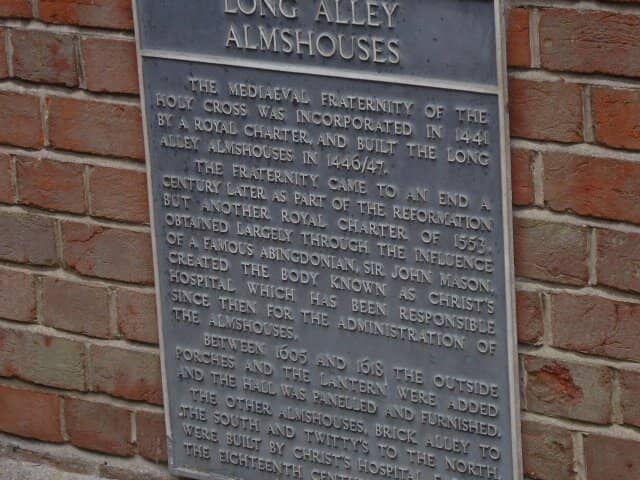
"Charles Twitty, originally from Abingdon, became wealthy as a senior official in the Exchequer after moving to London. Upon his death in 1706, he left £2000 to Abingdon, £1700 of which was allocated to construct Twitty’s Almshouses. These almshouses were designed to accommodate three men and three women and are located on the north side of St Helen’s Churchyard. The building is characterized by its red brick construction, hipped roof, pedimented gable fronting the central hall, and a square lantern above. In 1709, Twitty's endowment was intended to be managed by the vicar and churchwardens of St Helen’s to provide for the residents' needs. The management of Twitty’s Almshouse was transferred to Christ’s Hospital in 1965."
Chris Gledhill
"In 1709, Abingdon born Charles Twitty, who subsequently made his fortune in London, left an endowment of £2000 to "maintain in meat, drink, apparel and all other necessities of life, three poor aged men and women". £1700 of it was used to build the almshouses that still bear his name."
Jenny Downing
What People Like
What People Dislike
Frequently Asked Questions
🚇 🗺️ Getting There
Brick Alley Almshouses are located in Abingdon, Oxfordshire. They are situated on the north side of St Helen's Churchyard. Public transport options to Abingdon town center are available, followed by a short walk. Parking may be available in nearby town center car parks.
While there isn't dedicated parking directly at the almshouses, visitors can typically find parking in Abingdon's town center car parks, which are a short walk away. It's advisable to check local parking regulations.
🎫 🎫 Tickets & Entry
No, tickets are not required to view the exterior of Brick Alley Almshouses. They are historic buildings that can be admired from the outside as part of a walk through Abingdon.
The almshouses are residential buildings. While you can admire their exterior architecture, interior access is generally not permitted for the public.
As these are residential buildings, there are no set visiting hours. You can view the exterior at any time, but it's respectful to do so during daylight hours and avoid disturbing residents.
📸 📸 Photography
The best photographic opportunities are from the street facing the almshouses, particularly the front facade with its pedimented gable. The adjacent St Helen's Churchyard also offers complementary historical backdrops.
No, interior photography is not permitted as these are private residences. Focus on capturing the beautiful exterior architecture and historical details.
🎫 🏛️ History & Architecture
Charles Twitty, a wealthy London official originally from Abingdon, endowed the construction of the almshouses in 1709. The purpose was to provide housing and necessities for three poor aged men and women.
The almshouses are a fine example of Georgian architecture, characterized by their red brick construction, hipped roof, and a prominent pedimented gable on the central hall.
The Brick Alley Almshouses were constructed in 1709, following the endowment left by Charles Twitty upon his death in 1706.
Social
from TikTok, Instagram & Reddit