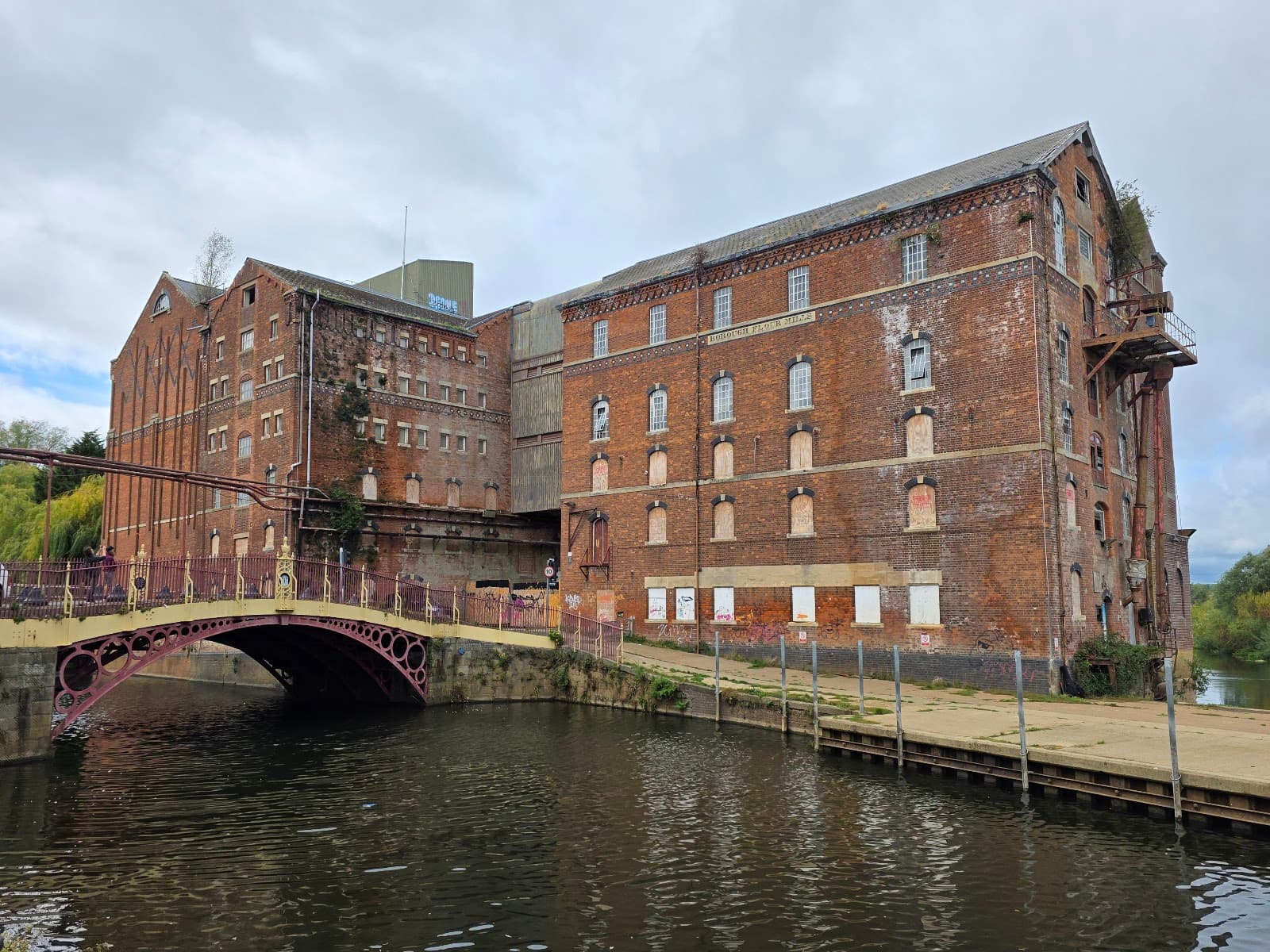
Healings Mill
A grand, derelict Victorian flour mill on the River Avon, once the largest in the country. A striking sight for photographers and history lovers.
Highlights
Must-see attractions

Social
From TikTok & Reddit
Best Time
Best light for photos
Healings Mill
Best Time
Best light for photos
Highlights
Must-see attractions
A grand, derelict Victorian flour mill on the River Avon, once the largest in the country. A striking sight for photographers and history lovers.
"An incredibly impressive sight worth a look despite the fact that it now stands derelict."
Admire from Afar
The mill is derelict and unsafe. Enjoy its grandeur from the riverbanks. :camerawithflash:
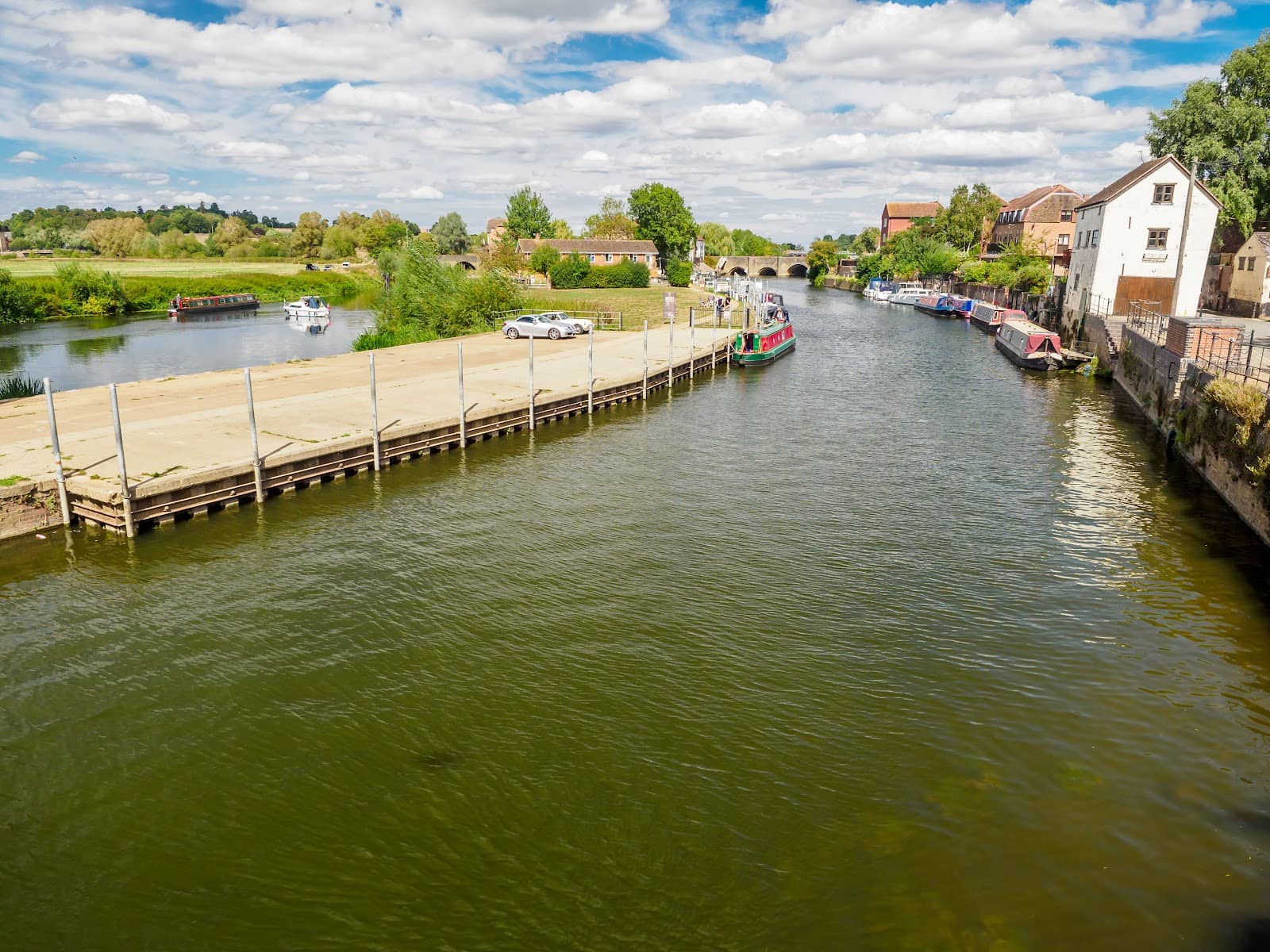
River Walk Delight
A lovely spot for a walk along the River Avon, offering great views of the mill. :athletic_shoe:
Quick Facts
Rating
4.1 · 7 reviews
Type
Historical Landmark
Address
Highlights
Discover the most iconic attractions and experiences
The Grand Victorian Facade
River Avon
Admire the imposing Victorian architecture of this once-largest flour mill, a striking silhouette against the sky.
Riverside Ambiance
River Avon
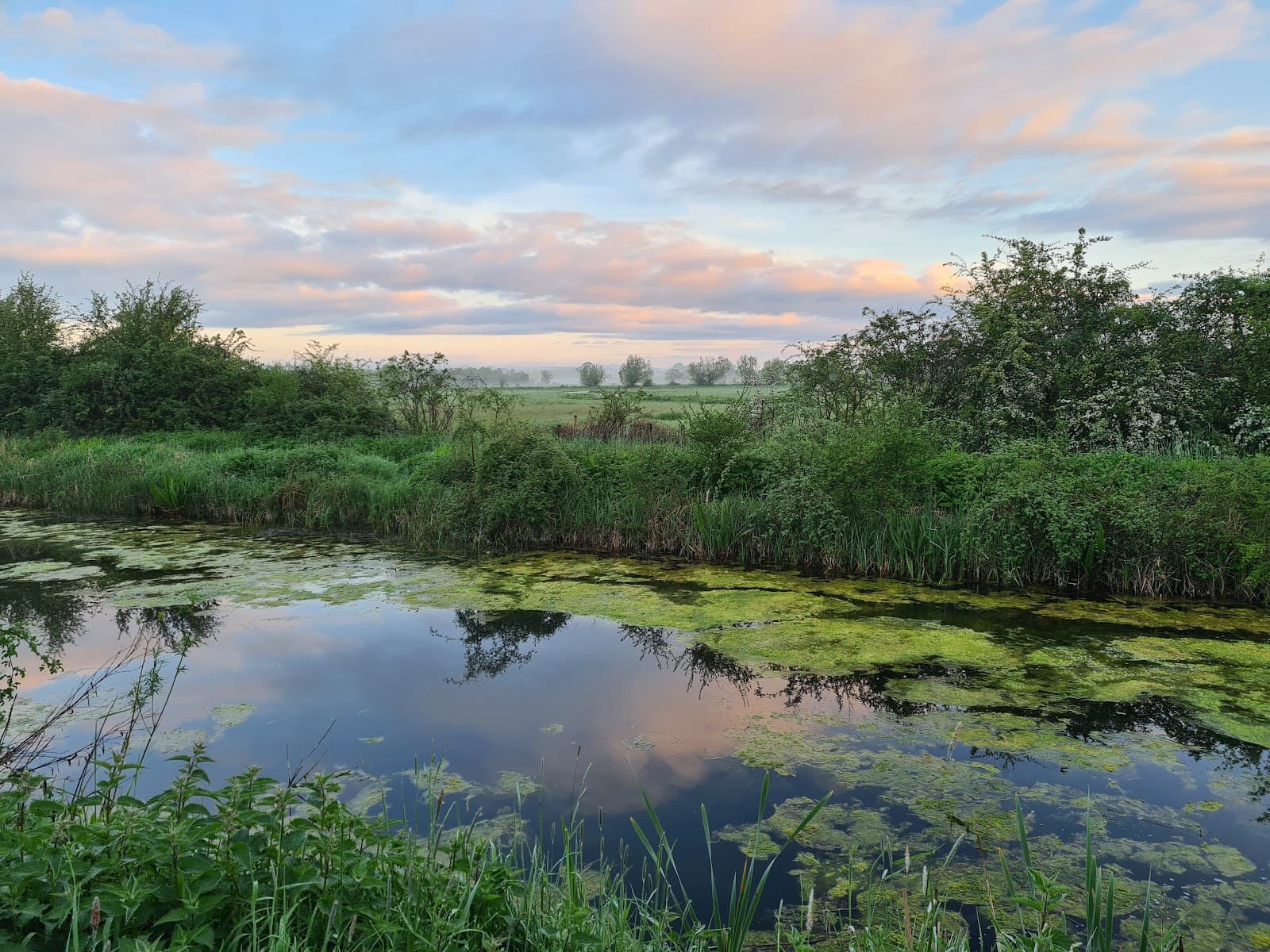
Enjoy a peaceful walk along the River Avon, with Healings Mill providing a dramatic backdrop to the natural scenery.
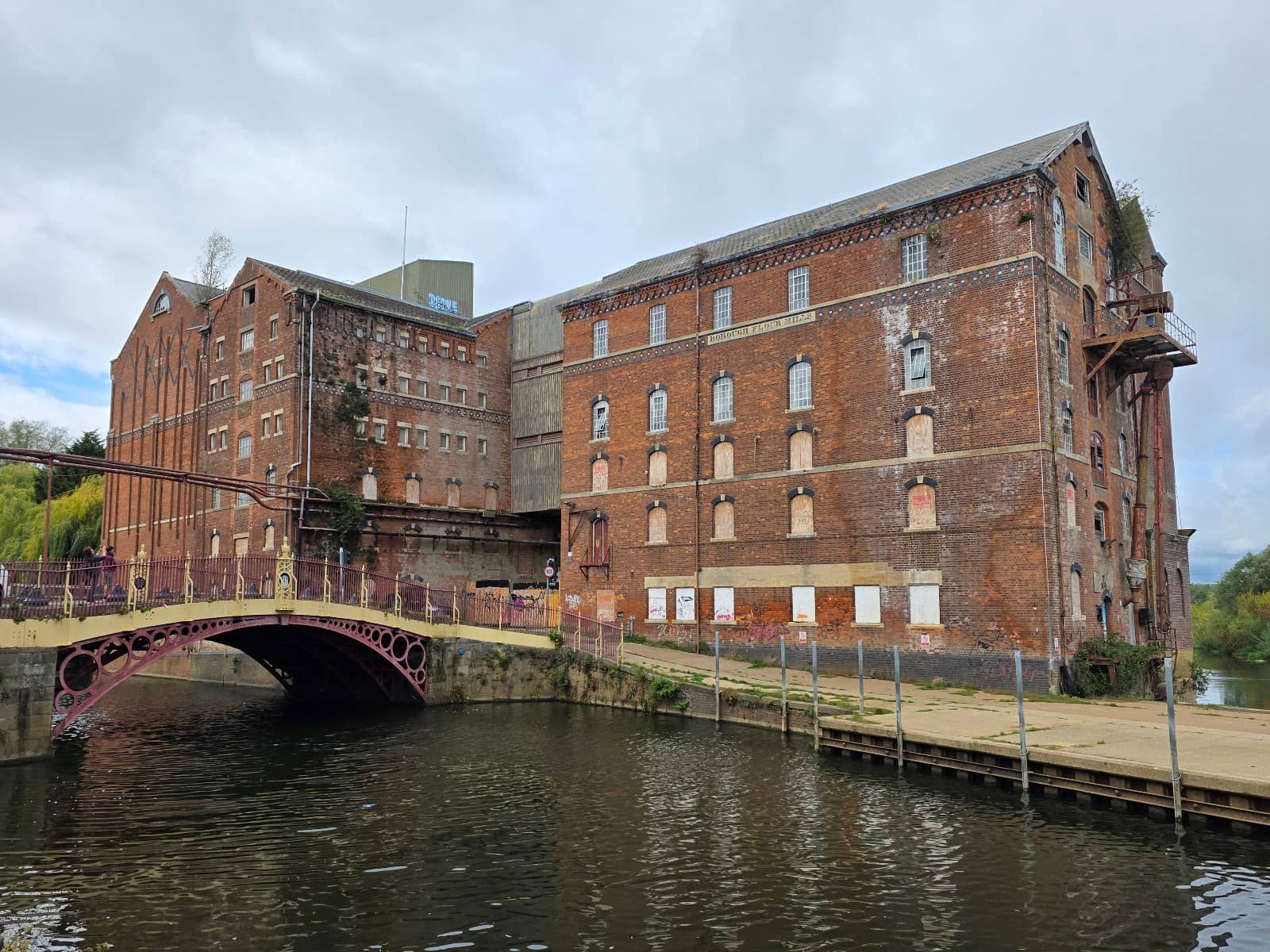
Photographer's Dream
Exterior views
Capture the atmospheric beauty of the derelict mill, a popular subject for artists and photographers.
Plans like a pro.
Thinks like you
Planning Your Visit
A Glimpse of Industrial History
Respecting the Site
Best Times
Insider Tips
from TikTok, Instagram & Reddit
Admire from Afar
The mill is derelict and unsafe. Enjoy its grandeur from the riverbanks. :camerawithflash:
River Walk Delight
A lovely spot for a walk along the River Avon, offering great views of the mill. :athletic_shoe:
Artistic Inspiration
This beautiful, derelict flour mill is a popular subject for artists and photographers. 🎨
Historical Significance
Once the largest and most advanced mill in the country, it closed in 2006. 📜
Tips
from all over the internet
Admire from Afar
The mill is derelict and unsafe. Enjoy its grandeur from the riverbanks. :camerawithflash:
River Walk Delight
A lovely spot for a walk along the River Avon, offering great views of the mill. :athletic_shoe:
Artistic Inspiration
This beautiful, derelict flour mill is a popular subject for artists and photographers. 🎨
Historical Significance
Once the largest and most advanced mill in the country, it closed in 2006. 📜
What Travellers Say
Reviews Summary
Healings Mill is appreciated for its impressive Victorian architecture and its atmospheric presence on the River Avon, making it a picturesque spot for walks and photography. While its derelict state means it's best viewed from the outside, its historical significance as a former industrial powerhouse is a key draw for visitors.
"This old Victorian flour mill on the River Avon was apparently once the largest and most advanced mill in the country. The mill closed in 2006 but it's an incredibly impressive sight and worth a look despite the fact that it now stands derelict."
Chris Kinnersley
"A great building on the river avon, but there was no information about it, we managed to find this about it,
Healing's Mill was built for Samuel Healing in 1865, when it was believed to be the largest and most modern flour mill in the world, producing 25 sacks of flour an hour by 1892. ADM Milling closed the mill in November 2006 after 141 years. The Blizard Colman brewery was in its pomp in the late 19th century,
Operations ceased in 2006, and the complex of buildings is now derelict.
A couple of twentieth century structures were demolished following the closure of the mill and machinery from the warehouse and mill was also removed.
The listed buildings are unsafe and need serious structural work to preclude the possibility of demolition. Although plans were tabled in 2019 to demolish the non-listed later structures surrounding the listed buildings, no formal application has been made. A really nice place for a walk."
Pete / Hel
"I like this building and all around"
Gorgai Foto
What People Like
What People Dislike
Frequently Asked Questions
🚇 🗺️ Getting There
Healings Mill is located by the River Avon in Tewkesbury. While specific public transport routes directly to the mill are limited due to its derelict nature, the town of Tewkesbury is accessible by bus. Many visitors arrive by car and enjoy a walk along the river to reach the mill's exterior viewpoints.
Parking is available in Tewkesbury town center, from where you can take a scenic walk along the River Avon to reach the mill. Be mindful of local parking regulations.
🎫 🎫 Tickets & Entry
No tickets are required to view Healings Mill from the exterior. As the site is derelict and unsafe, public access into the buildings is not permitted.
Healings Mill is an exterior viewpoint and does not have set opening hours. It can be viewed at any time, though daytime offers the best light for photography.
No, you cannot go inside Healings Mill. The buildings are derelict, unsafe, and closed to the public. Admire its impressive structure from the riverbanks.
📸 📸 Photography & Art
The best photographic opportunities are from the banks of the River Avon, offering clear views of the mill's facade. The surrounding riverside scenery also adds to the photographic appeal.
Yes, Healings Mill is a popular subject for artists due to its atmospheric and derelict beauty. Its imposing Victorian architecture provides a compelling subject for paintings and sketches.
Urban exploration photography, landscape photography capturing the mill against the river, and artistic interpretations of derelict industrial sites are popular. 
🎫 🚶 Onsite Experience
The primary activity is admiring the exterior of the historic mill and enjoying a walk along the River Avon. It's a place for quiet contemplation and appreciating industrial heritage.
While families can enjoy a walk along the river, direct interaction with the mill itself is not possible due to its derelict state. Supervise children closely near the riverbanks.
Built in 1865, Healings Mill was once the largest and most modern flour mill in the world, producing 25 sacks of flour per hour by 1892. Operations ceased in 2006 after 141 years.





Social
from TikTok, Instagram & Reddit