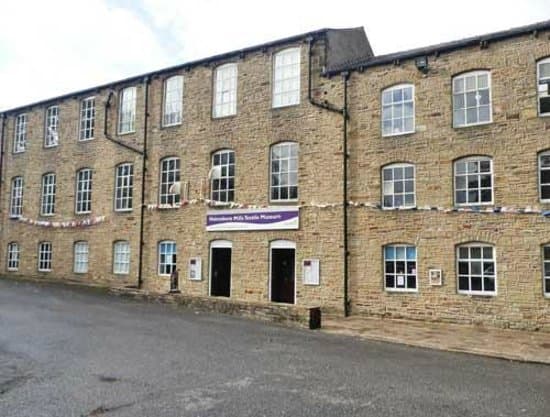
Helmshore Mills Textile Museum
Step back in time at Helmshore Mills, where historic working textile machinery brings Lancashire's industrial past to life. Explore two mills and witn...
Highlights
Must-see attractions

Social
From TikTok & Reddit
Best Time
Farmer's market adds local flavor.
Helmshore Mills Textile Museum
Best Time
Farmer's market adds local flavor.
Highlights
Must-see attractions
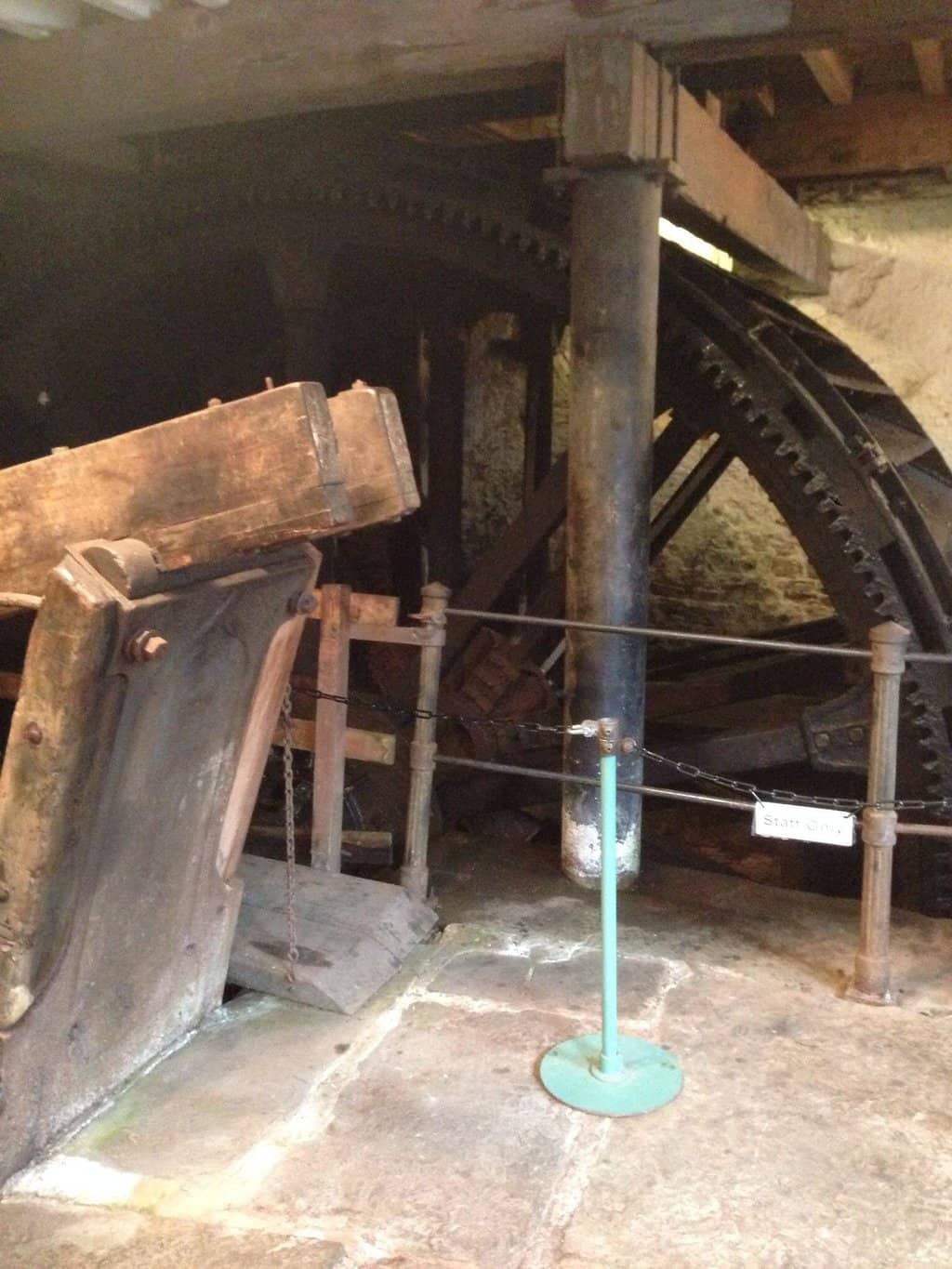
Step back in time at Helmshore Mills, where historic working textile machinery brings Lancashire's industrial past to life. Explore two mills and witness cotton spinning today!
"Excellent demonstrations of machinery and knowledgeable staff make this a must-visit for textile history."
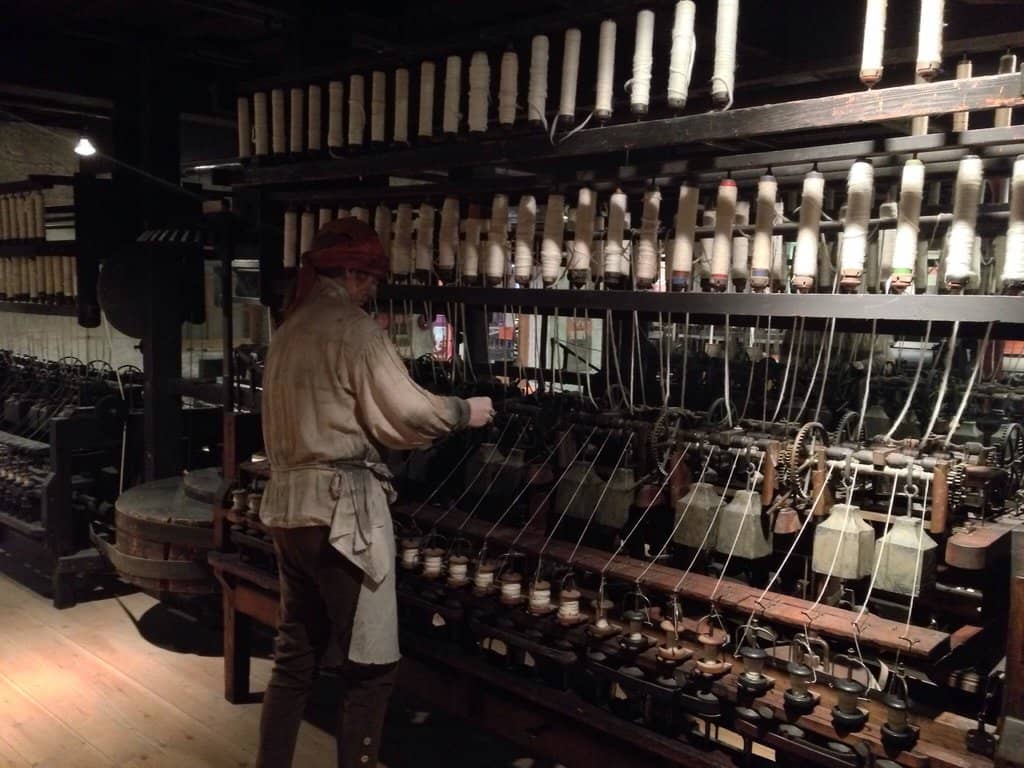
🎯 Don't Miss the Demos!
Machinery demonstrations are a highlight, offering a vivid look at textile production. 🎥
☕ Enjoy the Cafe
Reasonably priced cafe with nice views, perfect for a break. ☕
Quick Facts
Hours
Rating
4.7 · 292 reviews
Type
Museum
Highlights
Discover the most iconic attractions and experiences
Working Textile Machinery
Whitaker Mill
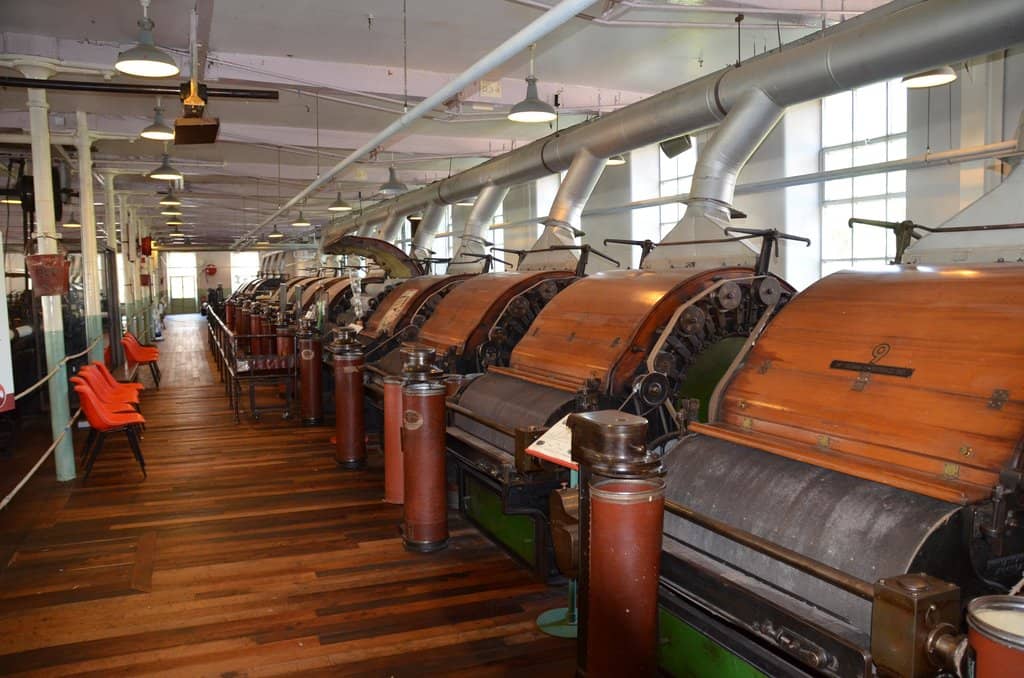
Witness the power of history as cotton is spun on machines that are still operational today.

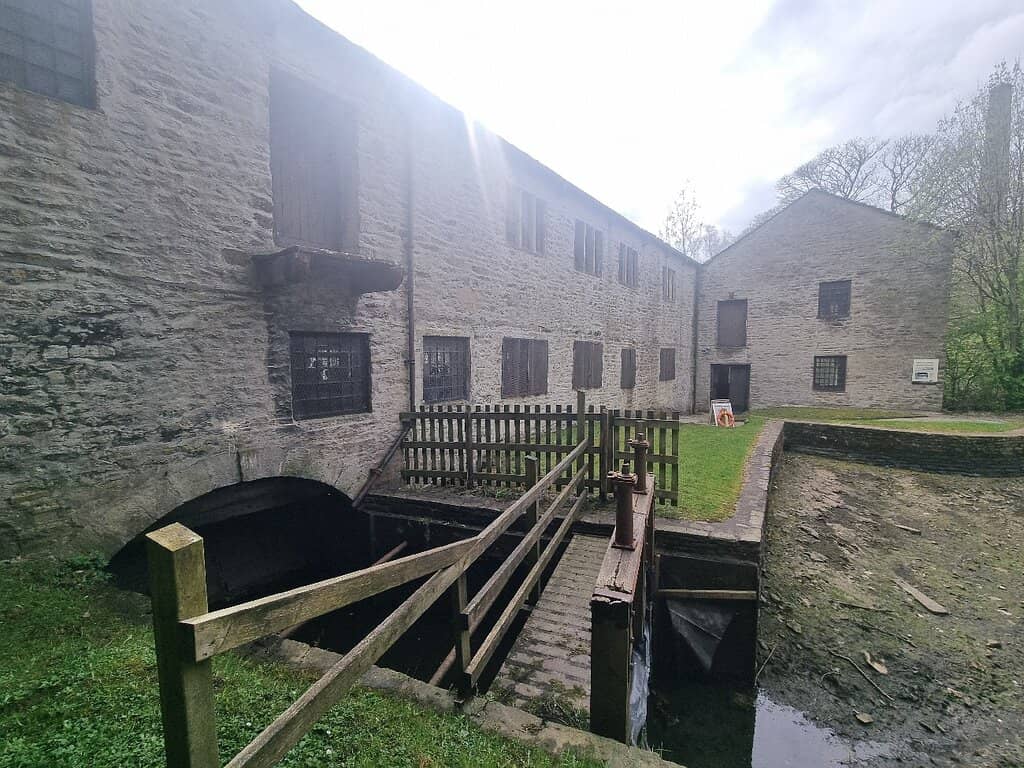
Historic Mill Buildings
Higher Mill & Whitaker Mill
Explore two distinct mills: one for wool-fulling and another for cotton production, showcasing industrial heritage.
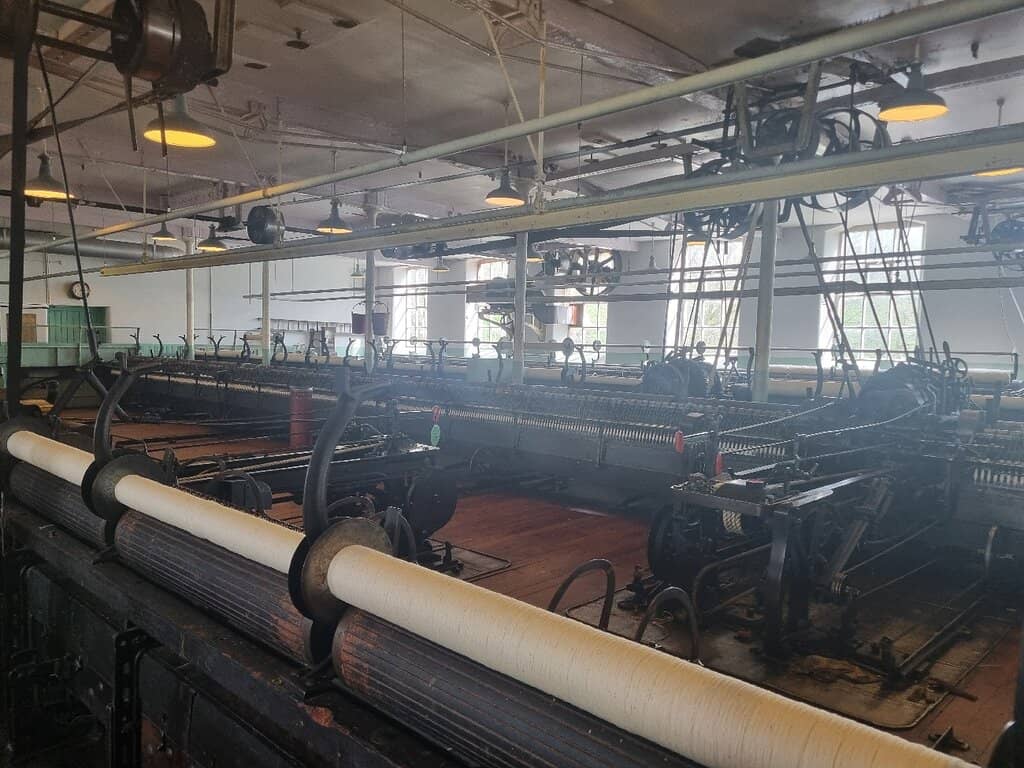
Guided Tours & Demonstrations
Various locations
Engage with knowledgeable staff who demonstrate machinery and explain the risks and processes of textile work.
Plans like a pro.
Thinks like you
Planning Your Visit
Plan Your Visit to Helmshore Mills
Getting the Most Out of Your Trip
Best Times
Insider Tips
from TikTok, Instagram & Reddit
🎯 Don't Miss the Demos!
Machinery demonstrations are a highlight, offering a vivid look at textile production. 🎥
☕ Enjoy the Cafe
Reasonably priced cafe with nice views, perfect for a break. ☕
🚶♀️ Explore Both Mills
Each mill has a unique history; allow time to see both wool and cotton production.
🚗 Free Parking Available
Convenient on-site parking makes your visit hassle-free. 🚗
Tips
from all over the internet
🎯 Don't Miss the Demos!
Machinery demonstrations are a highlight, offering a vivid look at textile production. 🎥
☕ Enjoy the Cafe
Reasonably priced cafe with nice views, perfect for a break. ☕
🚶♀️ Explore Both Mills
Each mill has a unique history; allow time to see both wool and cotton production.
🚗 Free Parking Available
Convenient on-site parking makes your visit hassle-free. 🚗
🛍️ Visit the Gift Shop
Find unique textile-related items and local crafts. 🎁
What Travellers Say
Reviews Summary
Visitors consistently praise Helmshore Mills for its authentic portrayal of Lancashire's textile heritage, with many highlighting the exceptional machinery demonstrations and knowledgeable staff. The reasonable cafe prices and free parking add to the positive experience, though some may find one visit isn't enough to fully absorb everything.
"A good visit with friendly staff and a very reasonable priced cafe. Great to walk around both mills but the guided tour with machinery demonstrations was excellent. Very unusual to see the machines still working. Well done."
Graddy 61
"Lovely little museum outlining the history of cotton and wool production in Lancashire.
Very knowledgeable guides and a well-stocked gift shop"
Howard Cohen
"The staff at Helmshore Mills Textile Museum provided a superb demonstration of various machinery, along with description of the process and risks that the work posed. The demonstration was methodically presented, describing and then demonstrating several machines in the order of the cotton processing.
Afterwards, we were able to walk through the huge room with machines to see them up close (stationary, fo course). Signage around several machines helped to explain their functions.
Free parking on site. Nice little café.
Visited in mid-May 2025"
Steve M
What People Like
What People Dislike
Frequently Asked Questions
🚇 🗺️ Getting There
Helmshore Mills Textile Museum is located in a rural setting. While public transport options might be limited, driving is a common way to access it, with free parking available on-site. Consider checking local bus routes if you're relying on public transport. The museum is also accessible via a walk over a disused railway viaduct.
Yes, there is free parking available on-site at Helmshore Mills Textile Museum, making it convenient for visitors arriving by car.
While not explicitly mentioned, the rural location suggests cycling might be an option for local visitors. The scenic surroundings could make for a pleasant ride. Check local cycling routes for more information.
The nearest train stations would likely require onward travel by bus or taxi. It's advisable to check journey planners for the most up-to-date information on train and connecting transport options.
From Manchester, driving is likely the most direct route. Alternatively, you could take a train to a nearby town and then a bus or taxi to the museum. Researching specific train and bus connections would be beneficial.
🎫 🎫 Tickets & Entry
Opening hours can vary seasonally. It's best to check the official Helmshore Mills Textile Museum website or their social media for the most current opening times before your visit.
Admission prices are generally reasonable. Check the museum's official website for the latest ticket information and any potential discounts. The cafe is also noted as being reasonably priced.
While advance booking might not always be necessary, it's a good idea to check the museum's policy, especially during peak seasons or for special events like the Christmas Fair.
Yes, Helmshore Mills hosts various events throughout the year, including popular Christmas fairs.
Absolutely! The museum is great for children, with working machinery demonstrations and historical insights that can spark their curiosity about industry.
🎫 🧭 Onsite Experience
You can explore two historic mills (wool and cotton), witness working textile machinery with live demonstrations, learn about Lancashire's industrial past, and enjoy the rural surroundings.
Yes, guided tours are highly recommended. Staff provide excellent demonstrations of the machinery and explain the historical context of textile production.
Indeed! A key attraction is seeing the historic textile machinery still in operation, offering a unique glimpse into the past.
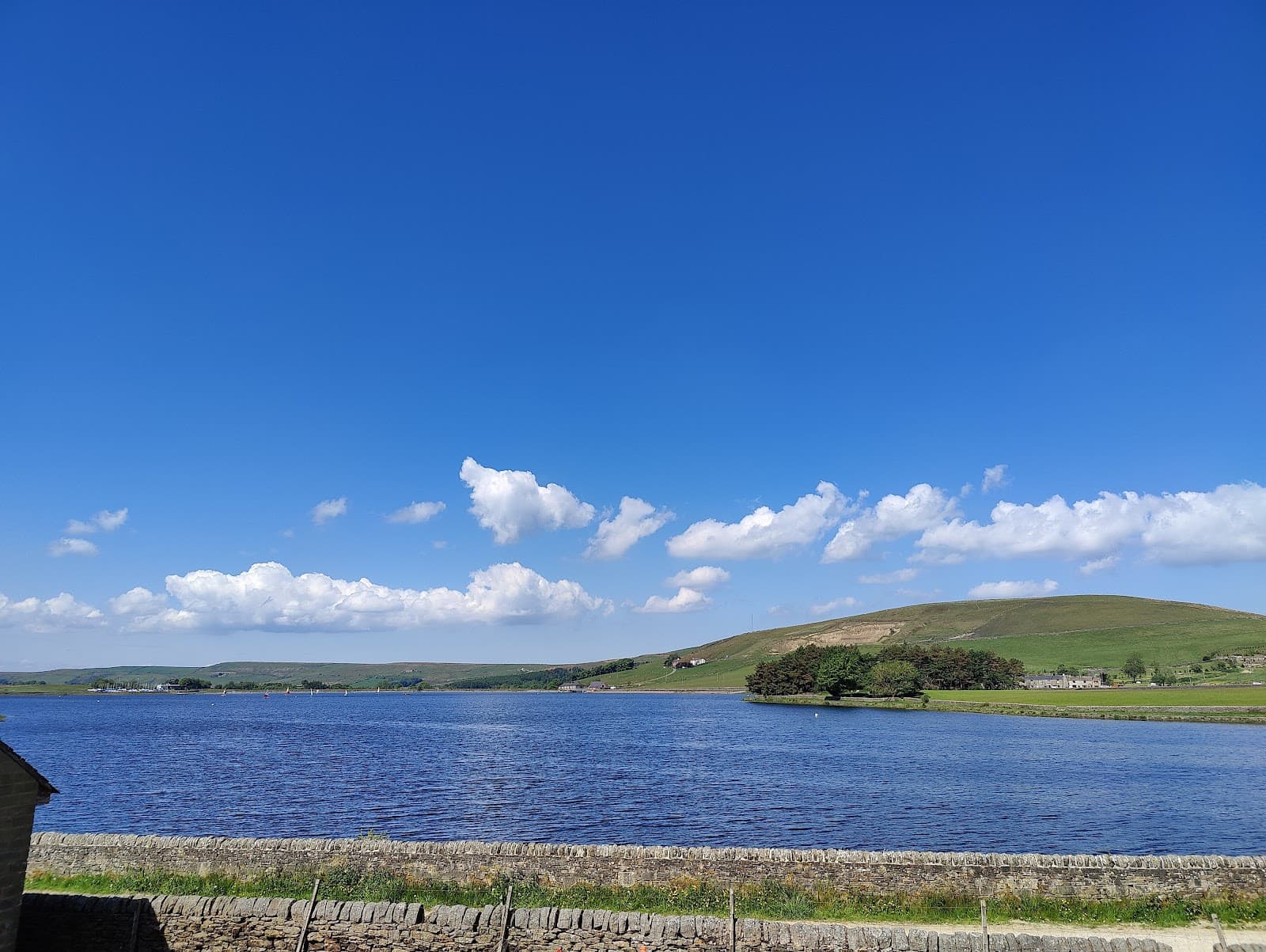
The museum is situated in a lovely rural location, and there's a disused railway viaduct nearby that offers a pleasant walk.
Visitors often describe the atmosphere as friendly and engaging, with knowledgeable staff and a sense of stepping back in time. The rural setting adds to its charm.
🍽️ 🍽️ Food & Dining
Yes, there is a nice little cafe on-site that offers refreshments and is noted for being reasonably priced. It's a great spot to relax after exploring the mills.
The cafe typically offers standard cafe fare, perfect for a coffee break or a light snack. Prints from local artists are also displayed and sold there.
Given its rural location, dining options immediately surrounding the museum might be limited. However, nearby towns would offer a wider selection of restaurants and pubs. The on-site cafe is a convenient option.
While not explicitly stated, it's generally best to consume your own food in designated picnic areas if available, or to support the on-site cafe. Check with the museum directly for their policy on outside food.
During special events like the Christmas Market, there are often additional food stalls and vendors offering a variety of treats and local produce.
📸 📸 Photography
Photography is generally permitted for personal use, but it's always a good idea to check for any specific restrictions, especially around sensitive machinery or exhibits. Capturing the working looms can be particularly striking.
The working machinery, especially the spinning cotton machines, offers fantastic photographic opportunities. The historic mill interiors and the exterior rural setting also provide picturesque backdrops.
Yes, capturing the machinery in action during demonstrations is a popular choice for visitors. The dynamic nature of the machines makes for compelling shots.
Drone photography is typically not allowed at heritage sites like museums due to safety and preservation concerns. It's best to assume this is not permitted unless explicitly stated otherwise by the museum.
The lighting inside historic mills can be atmospheric but sometimes dim. Natural light from windows and the operational lighting for the machinery will be your primary sources. Consider a camera with good low-light performance.
Social
from TikTok, Instagram & Reddit