Japanese Gateway Chokushi-Mon
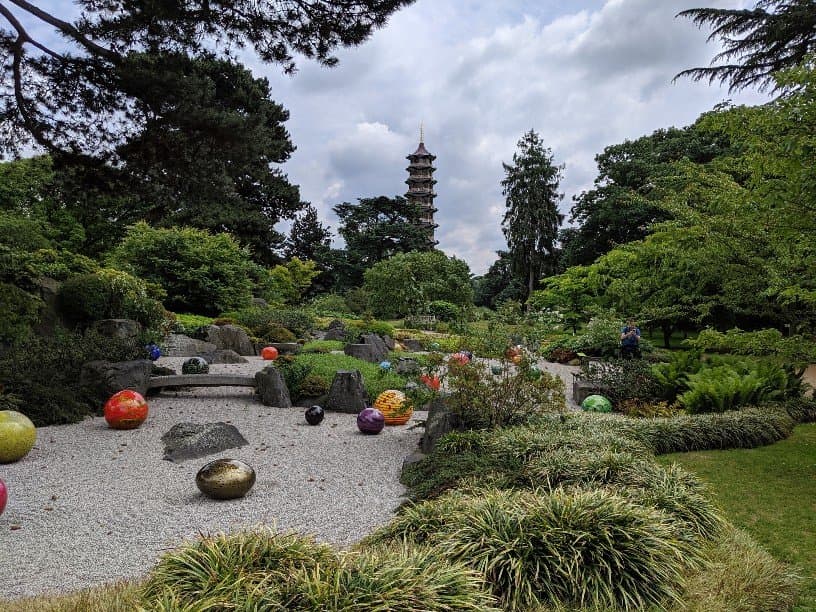
A serene Japanese Landscape with an authentic gateway, offering three distinct gardens for peaceful contemplation and appreciation of nature's artistr...
Highlights
Must-see attractions

Social
From TikTok & Reddit
Best Time
Fewer crowds, more peaceful
Japanese Gateway Chokushi-Mon
Best Time
Fewer crowds, more peaceful
Highlights
Must-see attractions
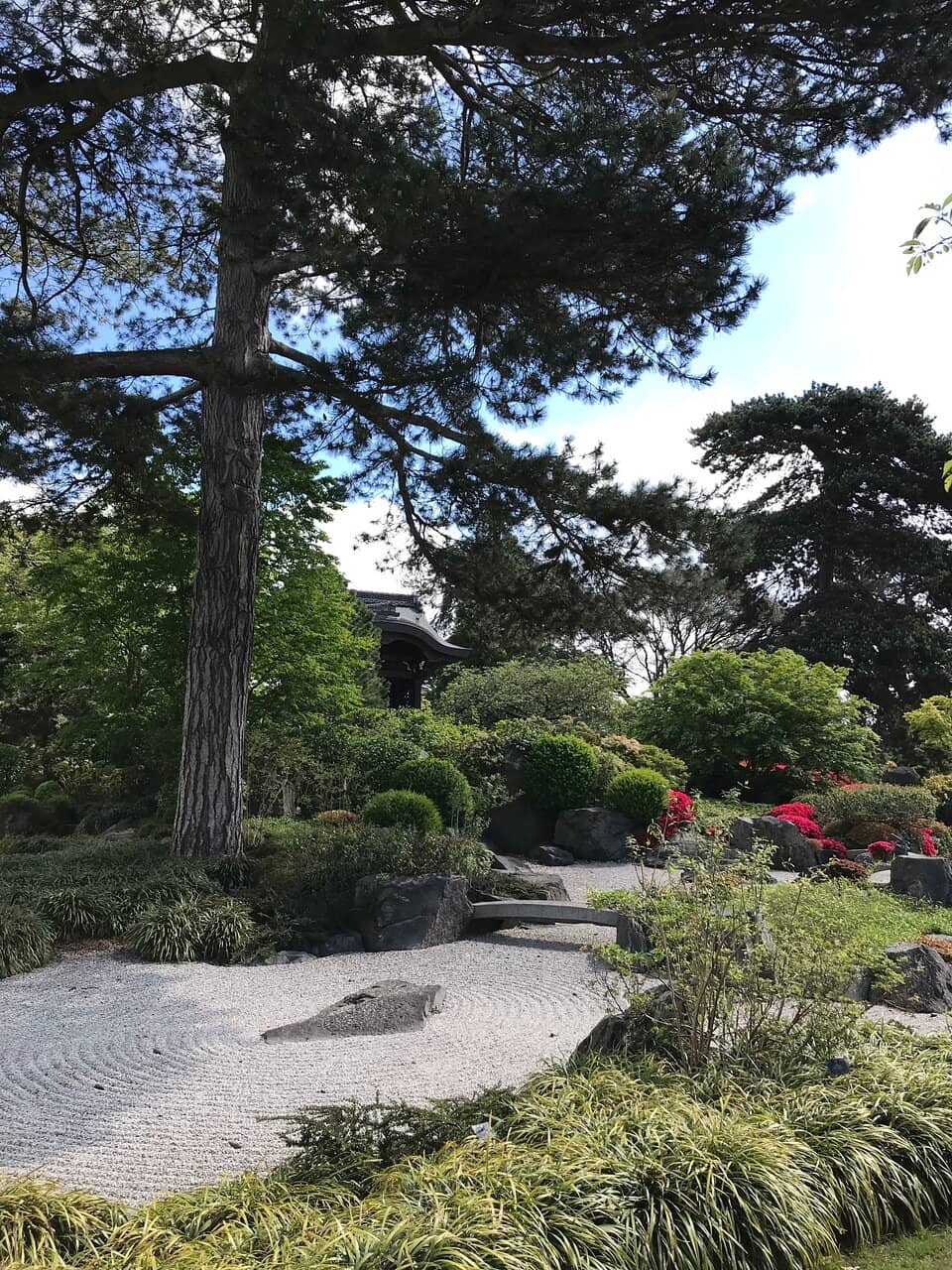
A serene Japanese Landscape with an authentic gateway, offering three distinct gardens for peaceful contemplation and appreciation of nature's artistry.
"Magical place in the mids of Kew Gardens, like a place out of this place, you feel that you are in the far east."
🧘♀️ Embrace the Calm
Take your time to wander through the three distinct gardens for a truly mindful experience.
🌸 Admire the Details
Notice the precision in planting, rock arrangements, and ornamentation for a serene atmosphere.
Quick Facts
Hours
Rating
4.7 · 217 reviews
Type
Garden
Highlights
Discover the most iconic attractions and experiences
Chokushi-Mon (Gateway of the Imperial Messenger)
Top of the Japanese Landscape
An authentic Japanese gateway, offering a serene entrance to a tranquil world. A true piece of the Far East.
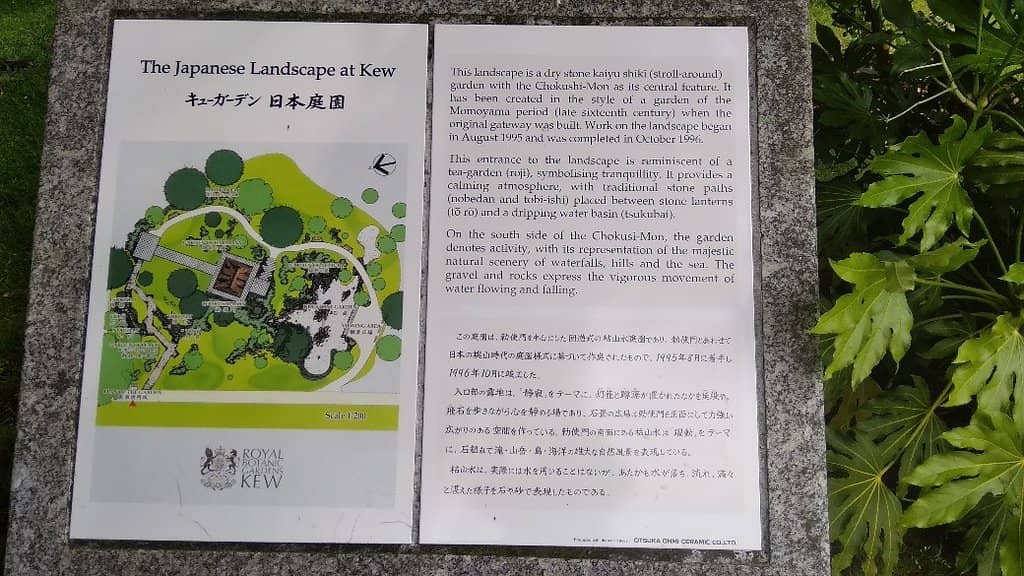
Garden of Peace
Main entrance of Japanese Landscape
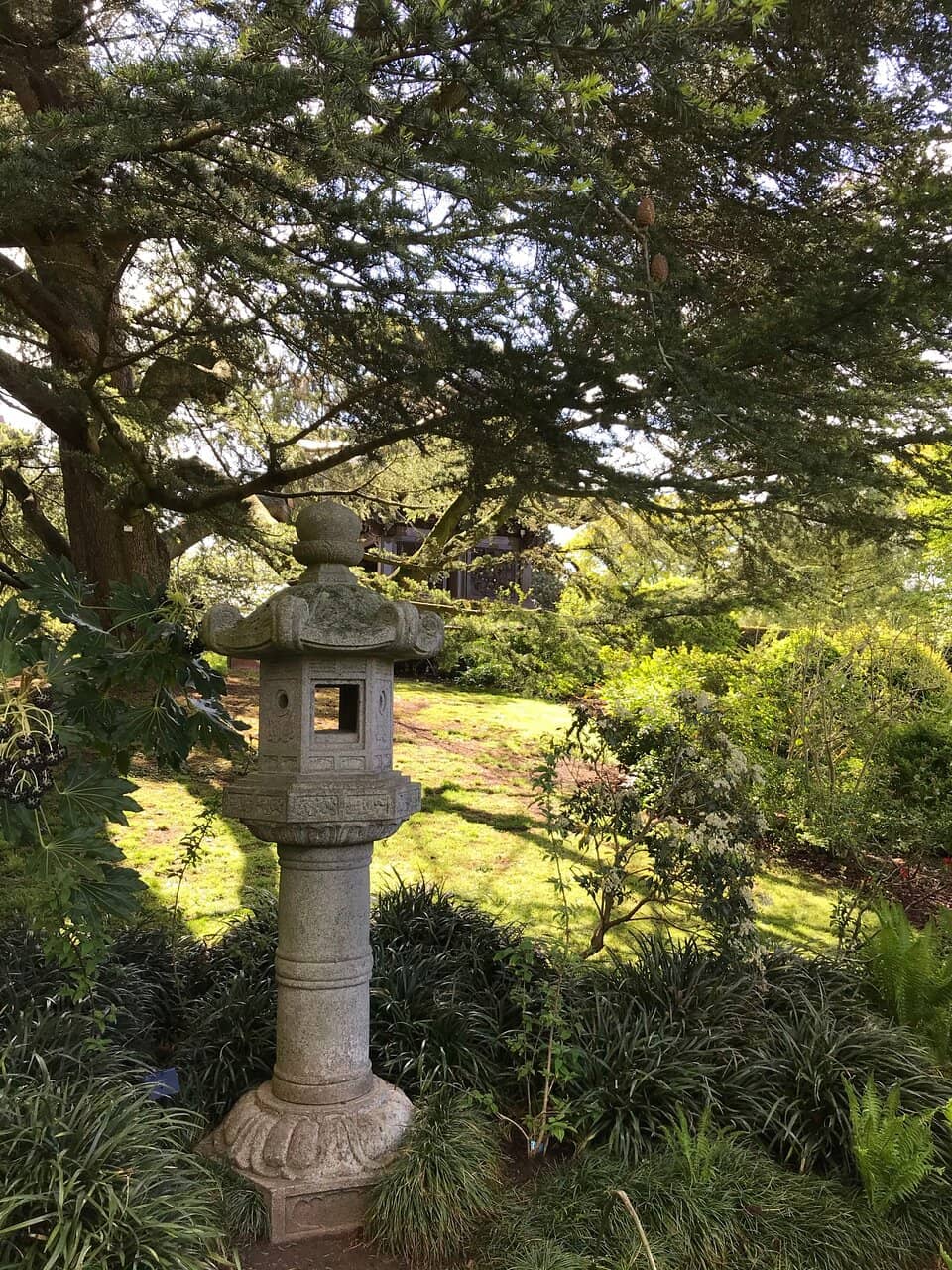
A traditional tea garden feel with stone lanterns and a water basin, perfect for quiet reflection.
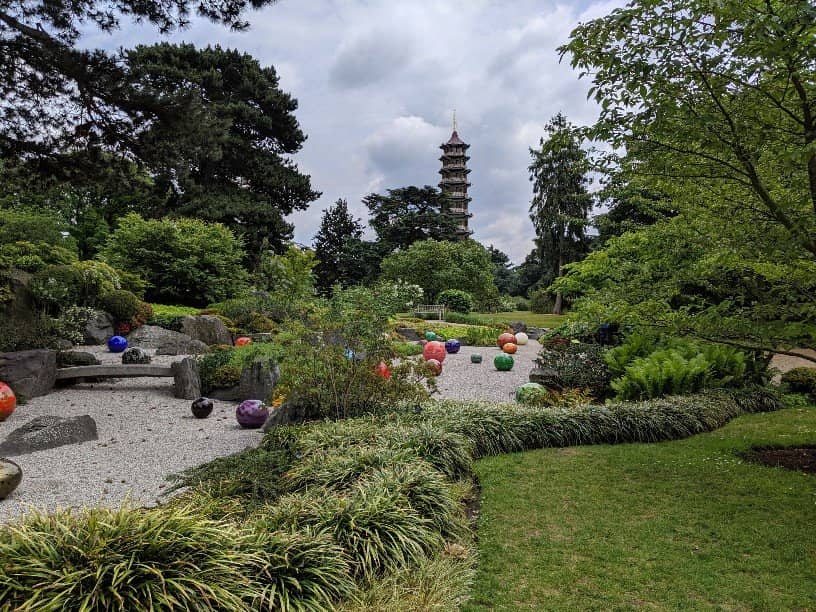
Garden of Activity
Japanese Landscape
Symbolizes natural elements like waterfalls and mountains with raked gravel and large rocks.
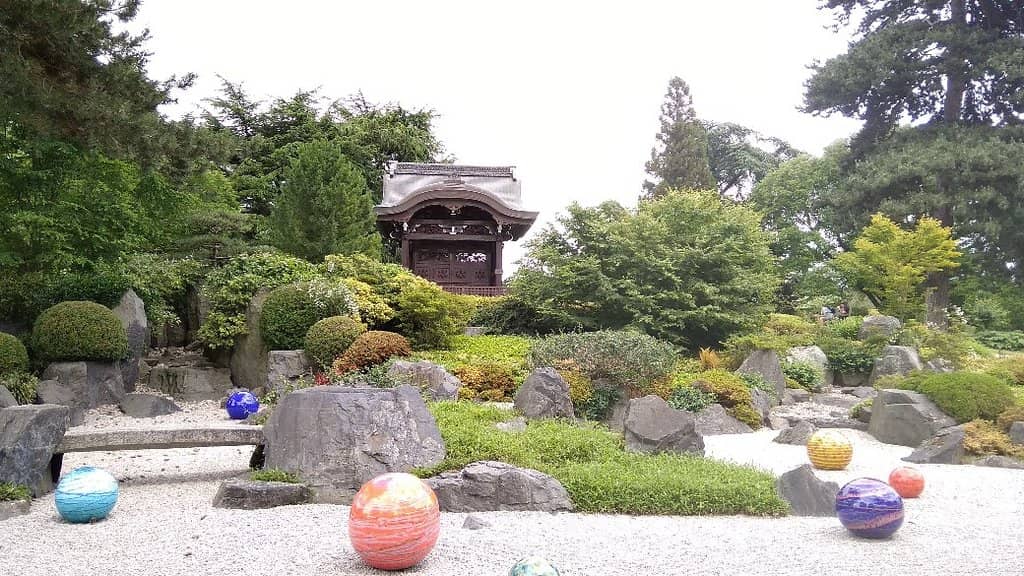
Garden of Harmony
Japanese Landscape
Represents Japan's mountain regions with stones, rock outcrops, and neatly clipped hedges.
Plans like a pro.
Thinks like you
Planning Your Visit
Timing Your Visit for Tranquility
Understanding the Garden's Design
Best Times
Insider Tips
from TikTok, Instagram & Reddit
🧘♀️ Embrace the Calm
Take your time to wander through the three distinct gardens for a truly mindful experience.
🌸 Admire the Details
Notice the precision in planting, rock arrangements, and ornamentation for a serene atmosphere.
☀️ Sunny Day Seating
Plenty of benches or grass seating available, ideal for relaxing on a warm day.
🦚 Peacock Sightings
Keep an eye out for peacocks that sometimes wander through the gardens, adding to the magic.
Tips
from all over the internet
🧘♀️ Embrace the Calm
Take your time to wander through the three distinct gardens for a truly mindful experience.
🌸 Admire the Details
Notice the precision in planting, rock arrangements, and ornamentation for a serene atmosphere.
☀️ Sunny Day Seating
Plenty of benches or grass seating available, ideal for relaxing on a warm day.
🦚 Peacock Sightings
Keep an eye out for peacocks that sometimes wander through the gardens, adding to the magic.
🏯 Pagoda Access
The Great Pagoda is only open seasonally, typically from April to September/October.
What Travellers Say
Reviews Summary
Visitors consistently praise the Japanese Landscape for its tranquil beauty and meticulous design, calling it a magical escape within Kew Gardens. The Chokushi-Mon is a highlight, and the distinct garden zones offer a peaceful, contemplative experience. Some note the seasonal opening of the Great Pagoda as a point of interest.
"Japanese Landscape
Take a mindful moment in the tranquil Japanese gardens, a delicately manicured landscape designed to complement the Chokushi-Mon (Japanese Gateway).
Combining a Garden of Peace, a Garden of Activity and a Garden of Harmony, the Japanese Landscape is the ideal spot for quiet reflection.
The main entrance leads into the Garden of Peace, a tranquil area reminiscent of a traditional Japanese tea garden. Here, paths pass between stone lanterns and a dripping water basin.
In the Garden of Activity, a slope symbolises elements of the natural world like waterfalls, mountains and the sea while raked gravel and large rocks represent the movement of water flowing and tumbling.
The Garden of Harmony unites the two landscapes. Japan’s mountain regions are represented by stones and rock outcrops, interplanted with shrubs. The plants include neatly clipped low-lying hedges of Rhododendron ‘Mother’s Day’, and the Japanese anemone (Anemone x hybrida).
The landscape was designed by Professor Fukuhara of Osaka University and laid out in 1996 following restoration of the Japanese Gateway."
Barry Garnham
"Beautiful Japanese garden ! Very intricate and detailed."
B Moffat
"Magical place in the mids of Kew Gardens, like a place out of this place, you feel that you are in the far east. Very comfortable and convenient to sit around these beautiful structures and forget you are in London. The sand garden is so relaxing and the whole surrounding is Beautiful. Plenty of benches or you can seat in the grass during a hot sunny day. The pagoda is only open in season, April to Sep/Oct."
Tanya Lewis
What People Like
What People Dislike
Frequently Asked Questions
🚇 🗺️ Getting There
The Japanese Gateway is located within Kew Gardens. You can reach Kew Gardens via the London Underground (District Line to Kew Gardens station), London Overground, or by bus. Once inside Kew Gardens, follow signs for the Japanese Landscape.
Kew Gardens has a car park available for visitors. However, it's recommended to check their official website for current parking availability and fees, as it can fill up quickly, especially on busy days.
Yes, public transport is a convenient way to reach Kew Gardens. The nearest Tube station is Kew Gardens on the District Line. Several bus routes also serve the area.
Upon entering Kew Gardens, grab a map or use their mobile app. The Japanese Gateway is a prominent feature within the 'Japanese Landscape' section, usually well-signposted.
Kew Gardens is generally accessible, with paved paths throughout most of the gardens. The Japanese Landscape itself has varied terrain, but the main paths are manageable. Check Kew Gardens' accessibility guide for detailed information.
🎫 🎫 Tickets & Entry
Yes, the Japanese Gateway is located within Kew Gardens, and an admission ticket is required to enter the gardens. It's advisable to book tickets online in advance to secure your entry and potentially save time.
Kew Gardens has seasonal opening hours, typically opening around 10 AM and closing between 4 PM and 6 PM depending on the time of year. The Japanese Gateway is accessible during these hours, though the Great Pagoda within the landscape has specific seasonal opening times (April-Oct).
Ticket prices for Kew Gardens vary. It's best to check the official Kew Gardens website for the most up-to-date pricing for adult, concession, and family tickets. Booking online often offers a slight discount.
While tickets can often be purchased on the day, it's highly recommended to book online in advance, especially during peak seasons or weekends, to guarantee entry and avoid disappointment.
Kew Gardens sometimes offers discounts for students, seniors, and families. Check their website for any ongoing promotions or membership options that might provide better value for frequent visitors.
📸 📸 Photography
The Chokushi-Mon itself is a stunning focal point. Capture it from different angles, especially with the Great Pagoda in the background. The raked sand gardens and tranquil water features also make for beautiful, serene shots.
Yes, photography is generally allowed in the Japanese Landscape and around the Chokushi-Mon. However, always be mindful of other visitors and avoid blocking pathways.
Early mornings or late afternoons offer the best natural light for photography, creating a softer, more atmospheric feel. The 'golden hour' can make the gardens particularly magical.
Drone usage is typically prohibited in most botanical gardens, including Kew Gardens, for the safety and enjoyment of all visitors. Always check the official Kew Gardens regulations regarding aerial photography.
Professional photoshoots may require special permits or advance booking. It's best to contact Kew Gardens directly to inquire about their policies for commercial or professional photography sessions.
🎫 🌿 Onsite Experience
To truly appreciate the tranquility and intricate details, allocate at least 1-2 hours for the Japanese Landscape. This allows time for peaceful contemplation and exploration of all three garden sections.
The Chokushi-Mon, or Gateway of the Imperial Messenger, is a replica of a gate from the 13th-century Tōdai-ji temple in Nara, Japan. It was originally built for the Japan Festival in 1910 and later restored and relocated to Kew Gardens.
Kew Gardens often offers guided tours that may include the Japanese Landscape. Check their daily schedule upon arrival or their website for information on available tours and their routes.
Within Kew Gardens, you'll find restrooms, cafes, and gift shops. The Japanese Landscape itself is designed for quiet enjoyment, with seating areas scattered throughout.
While picnicking is generally allowed in designated areas of Kew Gardens, it's best to check their specific rules for the Japanese Landscape. Some areas might be more sensitive and discourage extensive picnicking to maintain tranquility.




Social
from TikTok, Instagram & Reddit