
Lyne Roman Fort
Explore the remarkably preserved 2nd-century AD Antonine Roman Fort, a key site in Scotland's Roman frontier history.
Highlights
Must-see attractions

Social
From TikTok & Reddit
Best Time
Best for exploring ruins
Lyne Roman Fort
Best Time
Best for exploring ruins
Highlights
Must-see attractions
Explore the remarkably preserved 2nd-century AD Antonine Roman Fort, a key site in Scotland's Roman frontier history.
"Surprisingly well preserved for a Roman fort in Scotland."
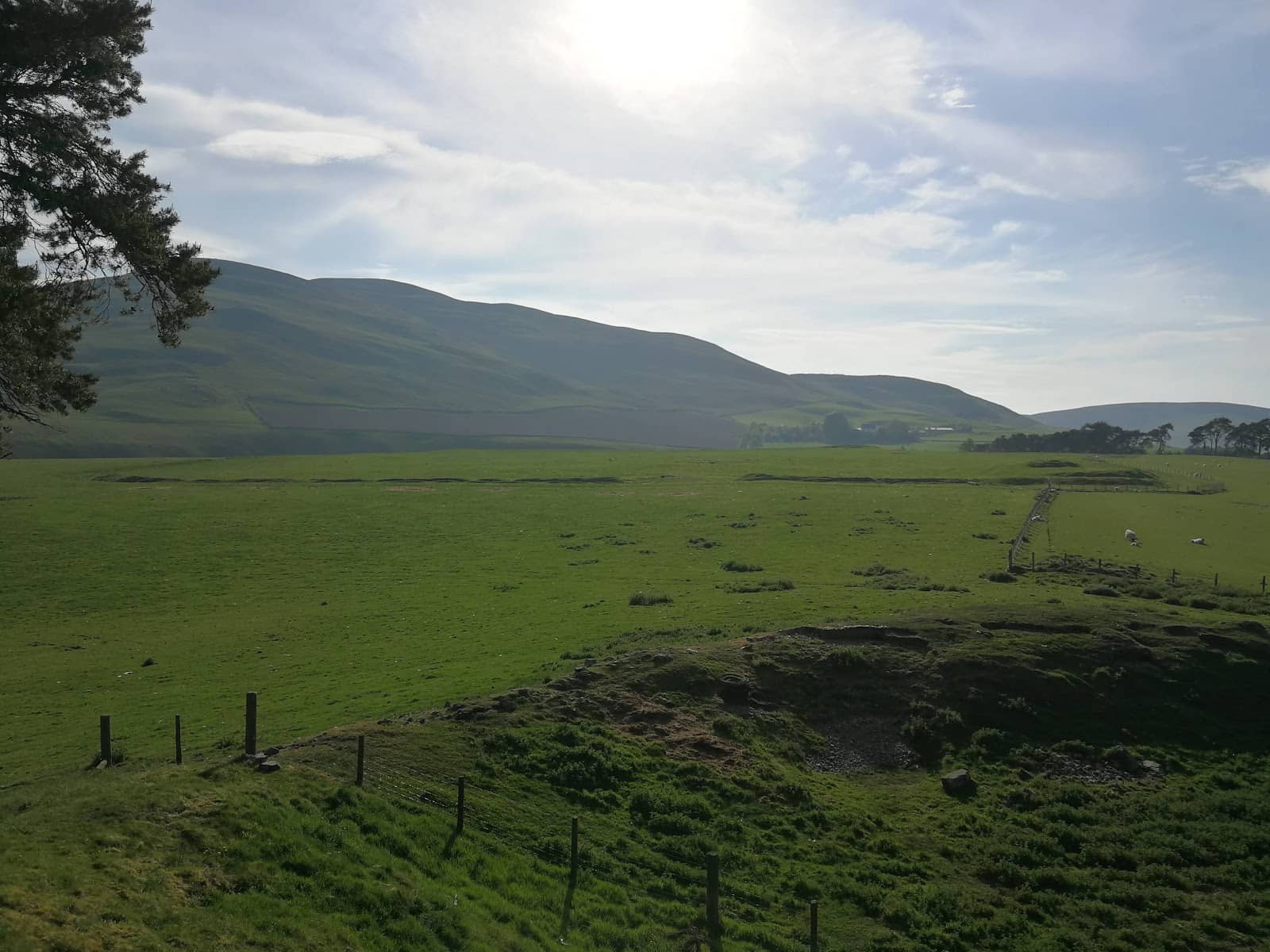
Wear Sturdy Shoes
The field can be thistly, so wear closed-toe shoes or boots for comfort.
Embrace the Scenery
Enjoy the beautiful Scottish landscape surrounding the fort.

Highlights
Discover the most iconic attractions and experiences
Antonine Period Fortifications
Central Fort Area
Explore the remains of this 2nd-century AD fort, a testament to Roman military presence in Scotland.
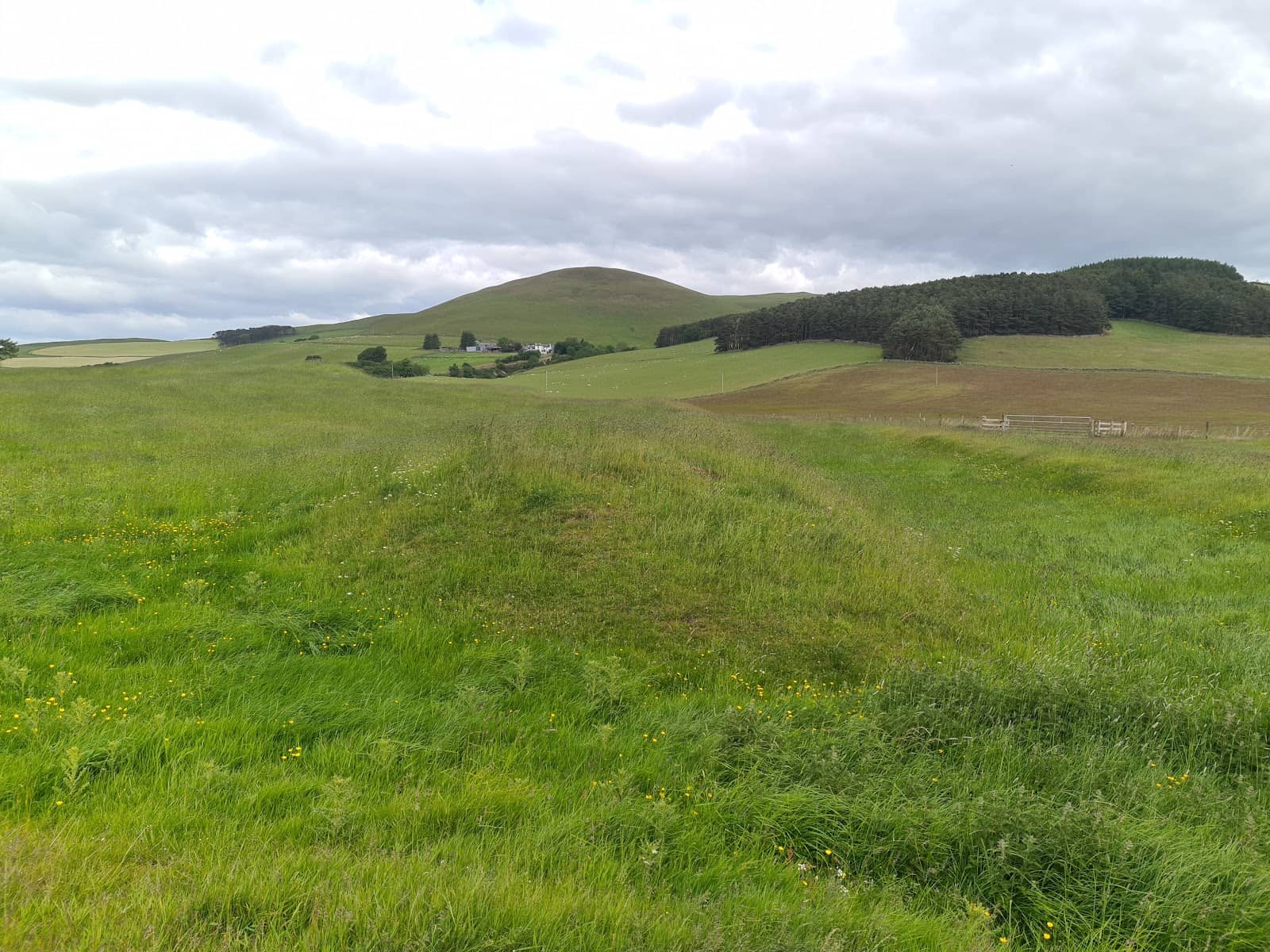
Principia and Commandant's House
Fort Center
Discover the heart of the fort, including the principia (headquarters) and the commandant's residence.
Granary Structures
Fort Courtyard
See the remnants of the granary, crucial for supplying Roman troops stationed here.
Plans like a pro.
Thinks like you
Planning Your Visit
Best Footwear for Lyne Roman Fort
Timing Your Visit for History Buffs
Best Times
Insider Tips
from TikTok, Instagram & Reddit
Wear Sturdy Shoes
The field can be thistly, so wear closed-toe shoes or boots for comfort.
Embrace the Scenery
Enjoy the beautiful Scottish landscape surrounding the fort.
Discover Roman History
Immerse yourself in the history of this 2nd-century AD Antonine fort.
Tips
from all over the internet
Wear Sturdy Shoes
The field can be thistly, so wear closed-toe shoes or boots for comfort.
Embrace the Scenery
Enjoy the beautiful Scottish landscape surrounding the fort.
Discover Roman History
Immerse yourself in the history of this 2nd-century AD Antonine fort.
What Travellers Say
Reviews Summary
Visitors praise Lyne Roman Fort for its surprisingly well-preserved Roman ruins and its scenic Scottish Borders location. While the historical significance is a major draw, some note that the grounds can be thistly, making appropriate footwear essential for a comfortable exploration.
"Surprisingly well preserved for a Roman fort in Scotland. Field is thistly though"
David Barrass
"2nd century AD Antonine fort. I ❤️ Roman history & the Scottish scenery :)"
Carlotta
"History in abundance"
Eddie
What People Like
What People Dislike
Frequently Asked Questions
🚇 🗺️ Getting There
Lyne Roman Fort is located near the A72, west of Peebles in the Scottish Borders. Driving is the most convenient way to reach the site. Parking is typically available nearby, though specific facilities may vary.
Public transport options to Lyne Roman Fort might be limited. It's advisable to check local bus routes serving the Peebles area and be prepared for a potential walk from the nearest stop.
From Edinburgh, take the A702 south, then connect to the A72 towards Peebles. Lyne Roman Fort is situated just off the A72 west of the town.
🎫 🎫 Tickets & Entry
Lyne Roman Fort is generally an open-access historical site, meaning tickets are usually not required for entry. It's always a good idea to check for any local advisories or potential seasonal charges.
As an outdoor historical site, Lyne Roman Fort is typically accessible during daylight hours. There are no set opening or closing times, allowing for flexible visits.
There is generally no entrance fee for Lyne Roman Fort, making it a free historical attraction to explore.
🎫 🧭 Onsite Experience
At Lyne Roman Fort, you can explore the surprisingly well-preserved remains of a 2nd-century AD Antonine fort, including its principia, granary, and commandant's house.
Yes, Lyne Roman Fort is an excellent site for walking and exploring. However, be aware that the field can be thistly, so sturdy footwear is recommended.
Finds from Lyne Roman Fort include iron nails, spearheads, and a horseshoe, offering insights into daily life and military equipment.
Dogs are generally welcome at outdoor historical sites like Lyne Roman Fort, but it's always best to keep them on a lead and clean up after them.
📸 📸 Photography
The best photo opportunities at Lyne Roman Fort involve capturing the scale of the fortifications, the central structures like the principia, and the picturesque Scottish Borders scenery surrounding the site.
Yes, with its open layout and historical features, Lyne Roman Fort offers good opportunities for photography. Consider visiting during golden hour for softer light.
For Different Travelers
Tailored advice for your travel style
👨👩👧 Families with Kids
Practical Tip: Bring a picnic to enjoy amidst the historical surroundings. Remember to wear sturdy shoes as the ground can be uneven and thistly. Encourage kids to look for interesting shapes in the stones and imagine what each part of the fort was used for.
🚶♀️ History Enthusiasts
Key Features: Pay attention to the red sandstone construction and the fort's layout. The archaeological finds, though limited, add depth to the understanding of daily life. Consider bringing a historical guide or researching the site beforehand to enhance your visit.
Deep Dives
In-depth insights and expert knowledge
The History of Lyne Roman Fort
The fort's design included a central principia, which served as the headquarters and administrative center. Adjacent to this were the granary, essential for storing provisions, and the commandant's house, indicating a significant garrison. Archaeological finds, such as iron nails, spearheads, and a horseshoe, provide tangible evidence of the soldiers' daily lives and the fort's operational activities.
Today, Lyne Roman Fort stands as a testament to Roman engineering and military strategy in Britain. While much of the structure has eroded over centuries, the visible earthworks and foundations offer a compelling glimpse into Scotland's Roman past. Its preservation, despite the elements, makes it a valuable site for history enthusiasts and visitors interested in Roman Britain.
Exploring the Fortifications
Key structures include the granary, designed to store food supplies for the garrison, and the commandant's house, offering insight into the living quarters of the fort's commander. The presence of these well-defined areas highlights the organized nature of Roman military camps. Visitors can walk the perimeter and imagine the bustling activity that once took place within these walls.
While the stone walls may have diminished over time, the earthworks and the overall footprint of the fort remain. These visible remains allow for a good understanding of the fort's scale and defensive capabilities. The site's preservation allows for a surprisingly clear picture of Roman military life in this part of Scotland.


Social
from TikTok, Instagram & Reddit