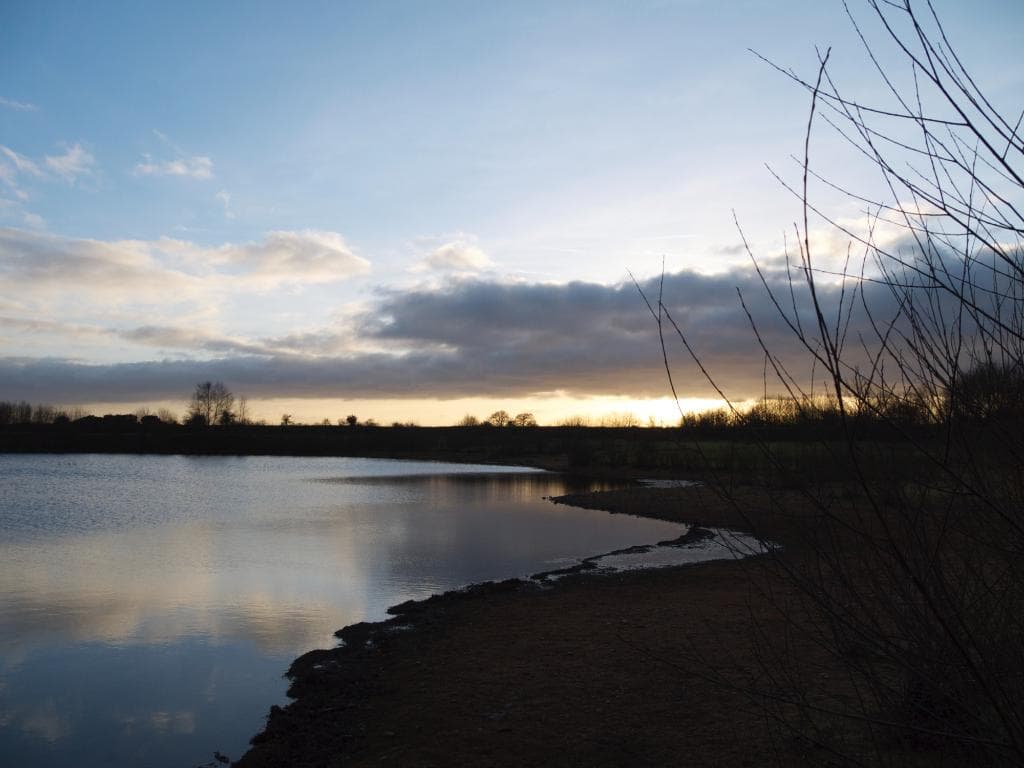
Thorne and Hatfield Moors National Nature Reserve
A wild peatland haven teeming with diverse wildlife, from birds of prey to rare plants and reptiles. A true natural escape.
Highlights
Must-see attractions

Social
From TikTok & Reddit
Best Time
Best for wildlife spotting
Thorne and Hatfield Moors National Nature Reserve
Best Time
Best for wildlife spotting
Highlights
Must-see attractions
A wild peatland haven teeming with diverse wildlife, from birds of prey to rare plants and reptiles. A true natural escape.
"A beautiful pocket of wilderness tucked away yet close to Doncaster and the motorway network."
🥾 Sturdy Footwear Essential
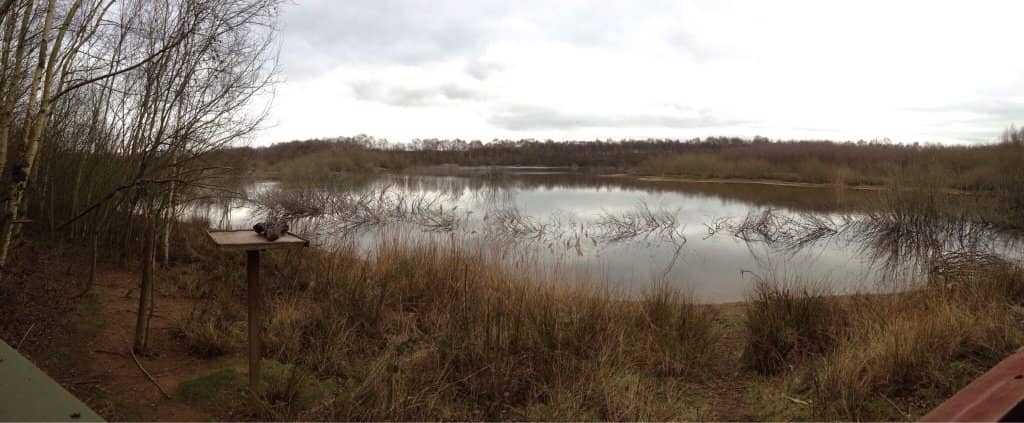
Paths can be waterlogged. Waterproof boots are highly recommended for comfortable exploration.
🦟 Insect Repellent is Key
Midges and biting insects are prevalent, especially in warmer months. Pack strong repellent!
Quick Facts
Hours
Rating
4.7 · 24 reviews
Type
Nature Preserve
Highlights
Discover the most iconic attractions and experiences
Marsh Harrier Sighting
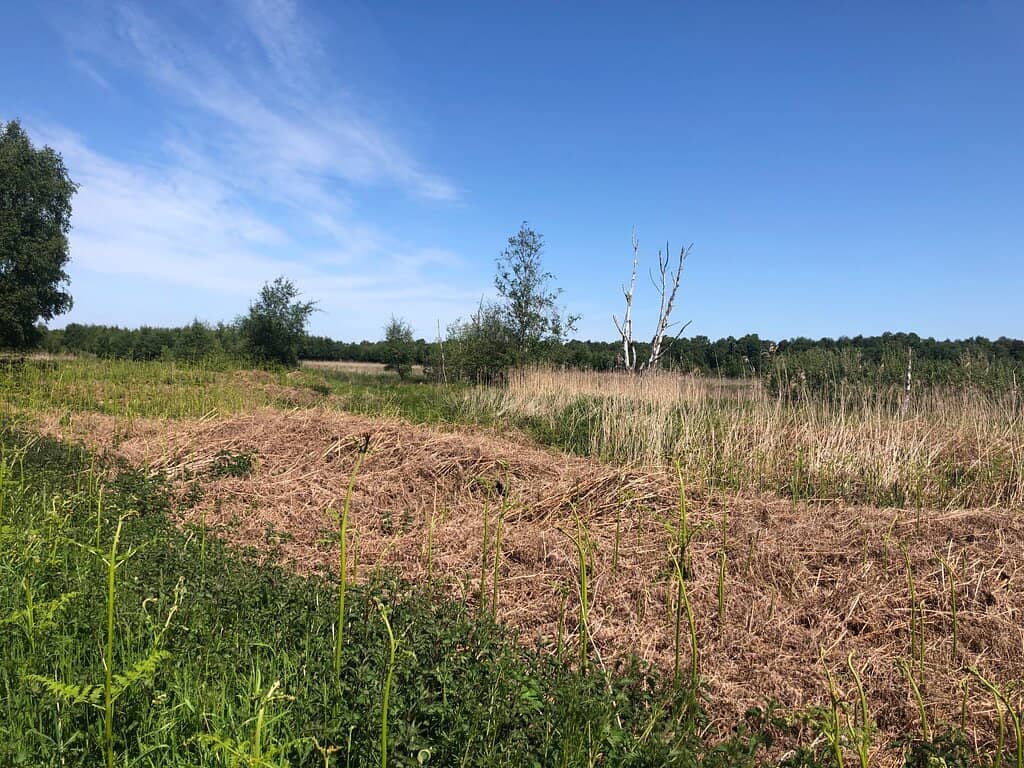
Open moorland
Witness a majestic Marsh Harrier up close, a truly unforgettable moment of wild encounters.
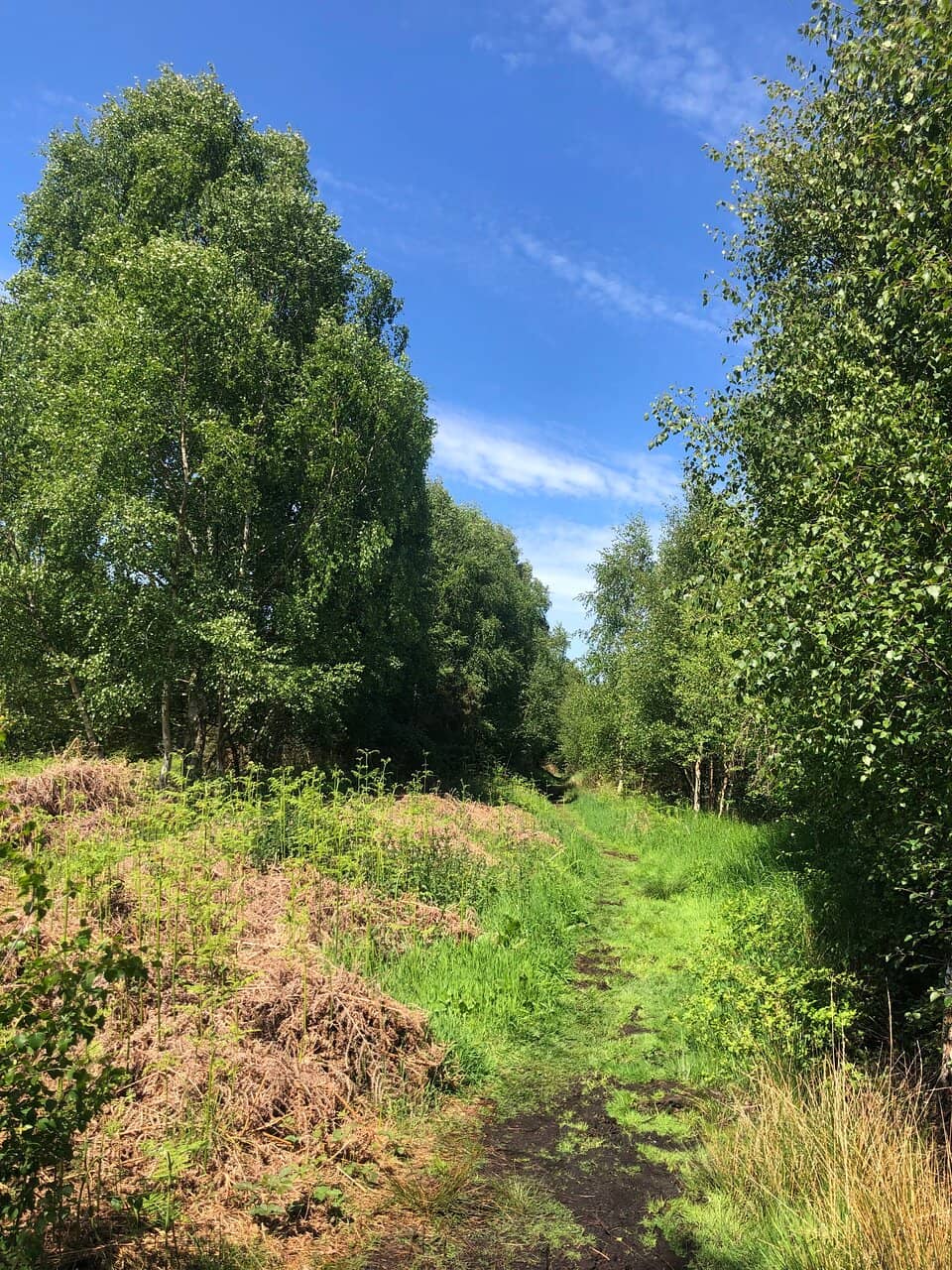
Insectivorous Plants
Boggy areas
Discover fascinating sundews and other carnivorous plants thriving in the unique boggy habitats.
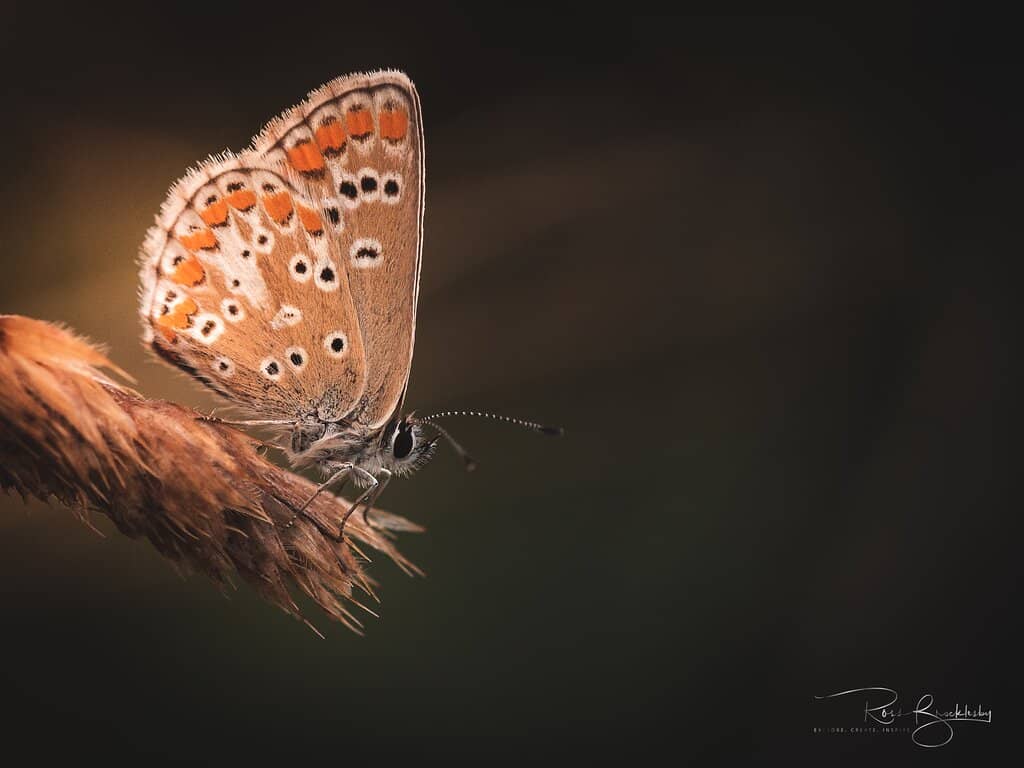
Adder Spotting
Sunny, sheltered spots
Keep an eye out for adders basking in the sun, a thrilling glimpse of the moors' reptilian residents.
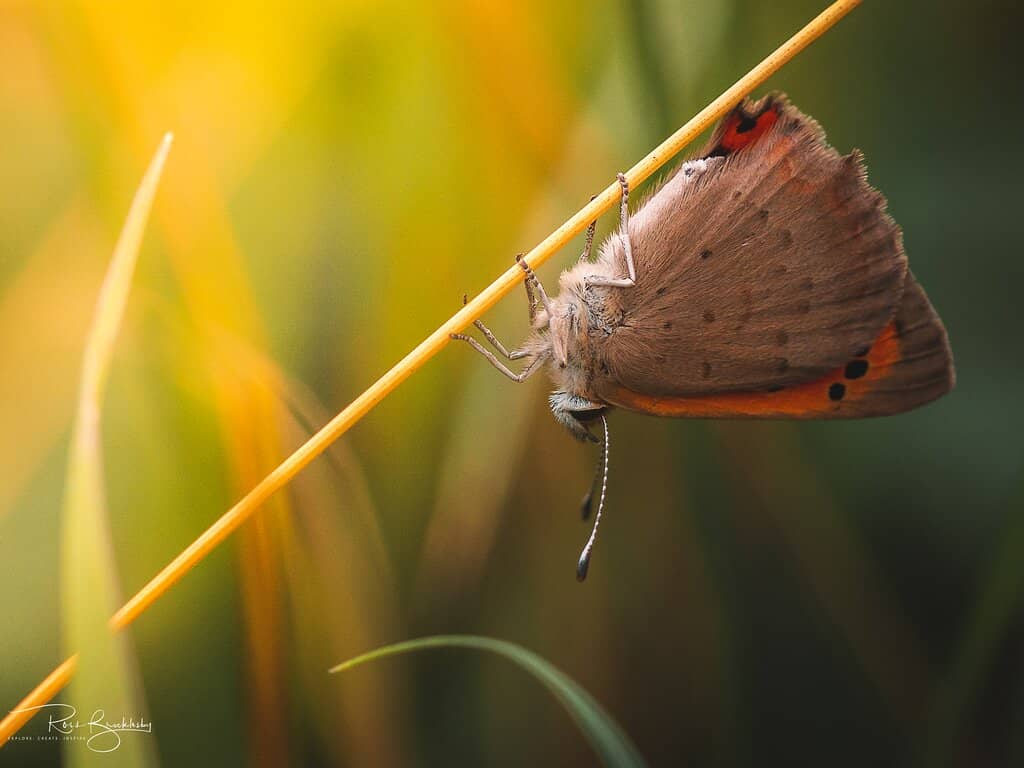
Birdwatching Paradise
Across the reserve
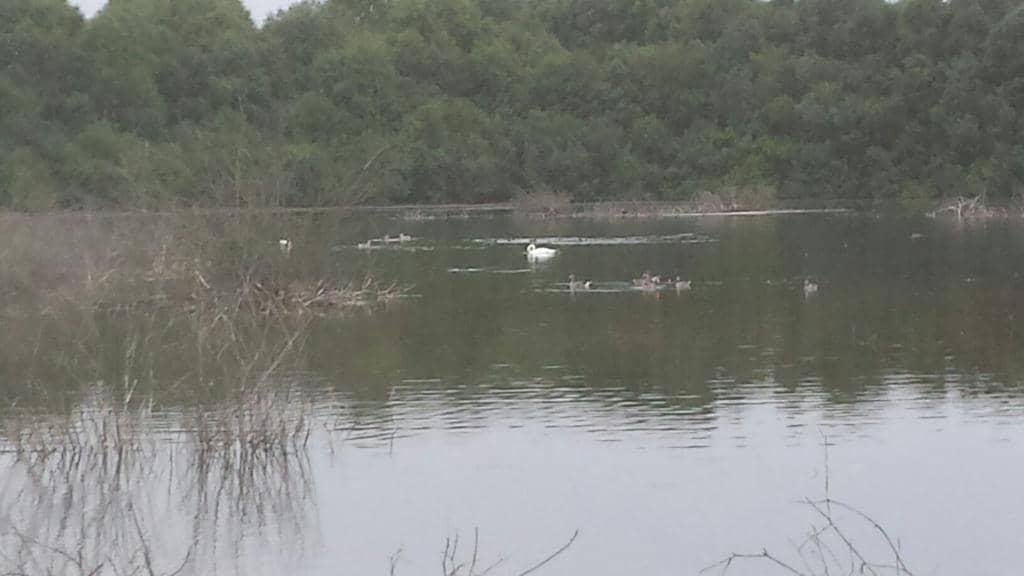
Spot a variety of birds, including cuckoos, in this vital habitat for avian life.
Plans like a pro.
Thinks like you
Planning Your Visit
Embrace the Wild: Prepare for Nature's Embrace
Wildlife Encounters: Patience is Key
Best Times
Insider Tips
from TikTok, Instagram & Reddit
🥾 Sturdy Footwear Essential
Paths can be waterlogged. Waterproof boots are highly recommended for comfortable exploration.
🦟 Insect Repellent is Key
Midges and biting insects are prevalent, especially in warmer months. Pack strong repellent!
🤫 Quiet Observation
Move slowly and quietly to maximize wildlife sightings and avoid disturbing the animals.
🐶 Dog-Friendly (with caution)
Great for dog walks, but keep them on a lead and be aware of adders in summer.
Tips
from all over the internet
🥾 Sturdy Footwear Essential
Paths can be waterlogged. Waterproof boots are highly recommended for comfortable exploration.
🦟 Insect Repellent is Key
Midges and biting insects are prevalent, especially in warmer months. Pack strong repellent!
🤫 Quiet Observation
Move slowly and quietly to maximize wildlife sightings and avoid disturbing the animals.
🐶 Dog-Friendly (with caution)
Great for dog walks, but keep them on a lead and be aware of adders in summer.
🗺️ Check Path Conditions
After heavy rain, some paths can become impassable. Check local conditions if possible.
What Travellers Say
Reviews Summary
Visitors praise Thorne and Hatfield Moors for its beautiful wildlife, including rare sightings of Marsh Harriers and adders, and its unique insectivorous plants. It's a peaceful escape offering a pocket of wilderness close to urban areas. However, be prepared for muddy paths, especially after rain, and bring insect repellent as midges can be bothersome.
"Beautiful wildlife - cuckoo, adders and sundew insect eating plants"
Paul Pashley
"Saw a Marsh Harrier from 5ft away when we rounded a corner and startled it. A beautiful pocket of wilderness tucked away yet close to Doncaster and the motorway network. Well worth a visit if you are interested in fauna and flora"
Claire Scrivens
"Went for a walk there yesterday. Paths under water in parts after previous day's rain. Essential to take insect repellent. Birds not seen, presumed due to windy conditions."
ian stevens
What People Like
What People Dislike
Frequently Asked Questions
🚇 🗺️ Getting There
The reserve is accessible by car, with parking available. It's located near Doncaster, making it a convenient destination. Public transport options might be limited, so driving is often the easiest way to reach the moors.
Yes, there are designated parking areas for visitors. Ensure you park responsibly and do not block any access routes.
Cycling is generally permitted on designated paths, but be mindful of the terrain and other visitors. Stick to wider tracks to avoid damaging sensitive habitats.
Accessibility can be challenging due to the natural terrain and potential waterlogging. Some main tracks might be manageable, but it's best to check recent conditions before visiting with mobility aids.
The nearest towns are Thorne and Hatfield, both offering local amenities and accommodation options. Doncaster is also a larger nearby city.
🎫 🎫 Tickets & Entry
No, Thorne and Hatfield Moors National Nature Reserve is generally free to enter. It's a public access area for nature lovers to explore.
As a nature reserve, it's typically open from dawn till dusk. There are no set opening hours, allowing for flexible visits.
There is no entrance fee to explore Thorne and Hatfield Moors. Enjoy the natural beauty without any cost.
You can visit during daylight hours. It's advisable to avoid visiting in complete darkness for safety reasons and to respect the nocturnal wildlife.
While not always advertised, occasional guided walks or events might be organized. Check local conservation group websites for updates.
🎫 🧭 Onsite Experience
You can spot a variety of birds, including cuckoos and birds of prey like Marsh Harriers. Keep an eye out for adders, especially in sunny spots, and fascinating insectivorous plants like sundews.
Wear sturdy, waterproof walking boots as paths can be muddy and waterlogged. Layers of clothing are recommended, and bring insect repellent, especially in summer.
Facilities are very limited. It's a wild reserve, so plan to be self-sufficient. Bring your own water and snacks.
It's generally safe, but always exercise caution. Inform someone of your plans, stick to marked paths, and be aware of your surroundings, especially regarding adders.
The reserve offers various walking opportunities. Stick to the main, more established tracks, especially after rain, to avoid getting stuck in boggy areas.
📸 📸 Photography
The open moorland offers expansive views, while boggy areas are great for macro photography of plants. Look for wildlife against the natural backdrop.
A telephoto lens is useful for wildlife photography. A macro lens is excellent for capturing the intricate details of plants. A wide-angle lens can capture the vastness of the moors.
Golden hour, shortly after sunrise and before sunset, provides beautiful, soft light for landscape and wildlife photography.
Drone usage is typically restricted in National Nature Reserves to protect wildlife and maintain the peaceful environment. Always check local regulations before flying.
Weather can be unpredictable, so be prepared for wind and rain. The terrain can be challenging, and wildlife can be elusive, requiring patience.

Social
from TikTok, Instagram & Reddit