National Oceanography Centre Southampton
A leading UK centre for ocean science, exploring marine robotics, climate change, and deep-sea discoveries.

Highlights
Must-see attractions

Social
From TikTok & Reddit
Best Time
Access to special lectures
National Oceanography Centre Southampton
Best Time
Access to special lectures
Highlights
Must-see attractions
A leading UK centre for ocean science, exploring marine robotics, climate change, and deep-sea discoveries.
"Fascinating to see the work going on to find out about what they are discovering under the sea."
Verify Public Access First
The NOC is mainly a research center. Always check for public access or events before visiting. 💁
Attend Free Public Lectures
Look out for free lectures open to the public for insights into ocean science. 🎤
Quick Facts
Hours
Rating
4.7 · 120 reviews
Highlights
Discover the most iconic attractions and experiences
Boaty McBoatface
Worlds Beneath the Waves Exhibition
Meet the famous Autonomous Underwater Vehicle (ASV) at the forefront of marine research.

Marine Robotics Innovation Centre
Innovation Centre
Explore advanced and innovative technology, including autonomous vehicles for ocean exploration.
Shark and Rabbit Fish Specimens
Barrel of Sharks exhibit
Discover fascinating deep-sea creatures like sharks and rabbit fish from the Rockall Trough.
Plans like a pro.
Thinks like you
Planning Your Visit
Check Public Access Before You Go
Discover Ocean Science Through Events
Best Times
Insider Tips
from TikTok, Instagram & Reddit
Verify Public Access First
The NOC is mainly a research center. Always check for public access or events before visiting. 💁
Attend Free Public Lectures
Look out for free lectures open to the public for insights into ocean science. 🎤
Explore Marine Technology
See cutting-edge vehicles like Boaty McBoatface used in oceanographic research.
Discover Deep-Sea Life
Learn about fascinating marine species from deep ocean environments.
Tips
from all over the internet
Verify Public Access First
The NOC is mainly a research center. Always check for public access or events before visiting. 💁
Attend Free Public Lectures
Look out for free lectures open to the public for insights into ocean science. 🎤
Explore Marine Technology
See cutting-edge vehicles like Boaty McBoatface used in oceanographic research.
Discover Deep-Sea Life
Learn about fascinating marine species from deep ocean environments.
What Travellers Say
Reviews Summary
The National Oceanography Centre is a fascinating research facility, though not typically open to the public. Visitors who have attended events praise the modern infrastructure and the opportunity to learn about cutting-edge marine discoveries and the vehicles that make them possible. However, the primary drawback is its limited public accessibility, which can lead to disappointment if not checked in advance.
"Hosting the MNE 2025 I had the pleasure of visiting this location.
Having a good infrastructure I can recommend this location"
Daniel Ritter
"NOT OPEN TO THE PUBLIC! So you don’t waste a trip. Looks interesting 😕"
Mr Moon
"Nice place and friendly people."
Saleh Abdalla
What People Like
What People Dislike
Frequently Asked Questions
🚇 🗺️ Getting There
The National Oceanography Centre (NOC) is located in Southampton. It's accessible by public transport, with Southampton Central being the main train station. From there, you can take a taxi or local bus services to reach the centre.
Parking information for visitors can vary as it's a research facility. It's best to check the official NOC website or contact them directly for the most up-to-date details on visitor parking availability and any associated costs.
The NOC is primarily a research institution and is not generally open to the public for casual visits. Access is often restricted to staff, students, and attendees of specific events or tours.
Southampton Central train station is a major hub. Local bus routes also serve the area around the National Oceanography Centre, making it accessible via public transportation.
As a modern research facility, the NOC is likely to have good accessibility. However, for specific needs, it's always recommended to contact the centre in advance to confirm arrangements.
🎫 🎫 Tickets & Entry
The National Oceanography Centre is not a public attraction, so general admission tickets are not available. Entry is typically for researchers, staff, or those attending pre-arranged events or tours.
Yes, the NOC occasionally hosts free public lectures and events. These are excellent opportunities to learn about ocean science and should be checked on their official website for schedules.
Tours are not always readily available for the general public. If you are interested in a tour, you may need to inquire about specific group bookings or educational visits through the NOC's outreach or education departments.
As a research facility, the NOC operates on business hours for its staff and researchers. Public access is limited to specific events, so there are no standard public opening hours.
The 'Worlds Beneath the Waves' exhibition, featuring Boaty McBoatface, is part of the NOC's facilities. Access to this exhibition is typically tied to public events or specific visitor programs.
🎫 🧭 Onsite Experience
You can learn about cutting-edge marine research, see advanced technology like Boaty McBoatface, and discover deep-sea life. Occasional public lectures offer deeper insights. +1
While not a typical children's attraction, educational events or specific tours might be engaging for older children interested in science and the ocean.
The NOC conducts vital research on oceanography, marine robotics, climate change, and the impact of plastic pollution on marine ecosystems.
Yes, research vessels like the RRS James Cook often return to the National Oceanography Centre in Southampton.
This centre houses some of the most advanced and innovative technology for ocean exploration, including autonomous vehicles.
🍽️ 🍽️ Food & Dining
As a research facility, dining options for visitors might be limited. It's advisable to check if any cafes or canteens are accessible to the public during events or if you need to make arrangements for food.
If you are attending a specific event or tour, it's best to check the venue's policy on outside food. Some areas might be designated for picnics, while others may not permit it.
Southampton has a variety of restaurants and cafes. If you are visiting for an event, you can explore dining options in the city centre or near the port area.
📸 📸 Photography
Photography policies can vary. Generally, for research facilities, personal photography might be allowed in public areas, but professional or commercial photography often requires permission. Check with the venue.
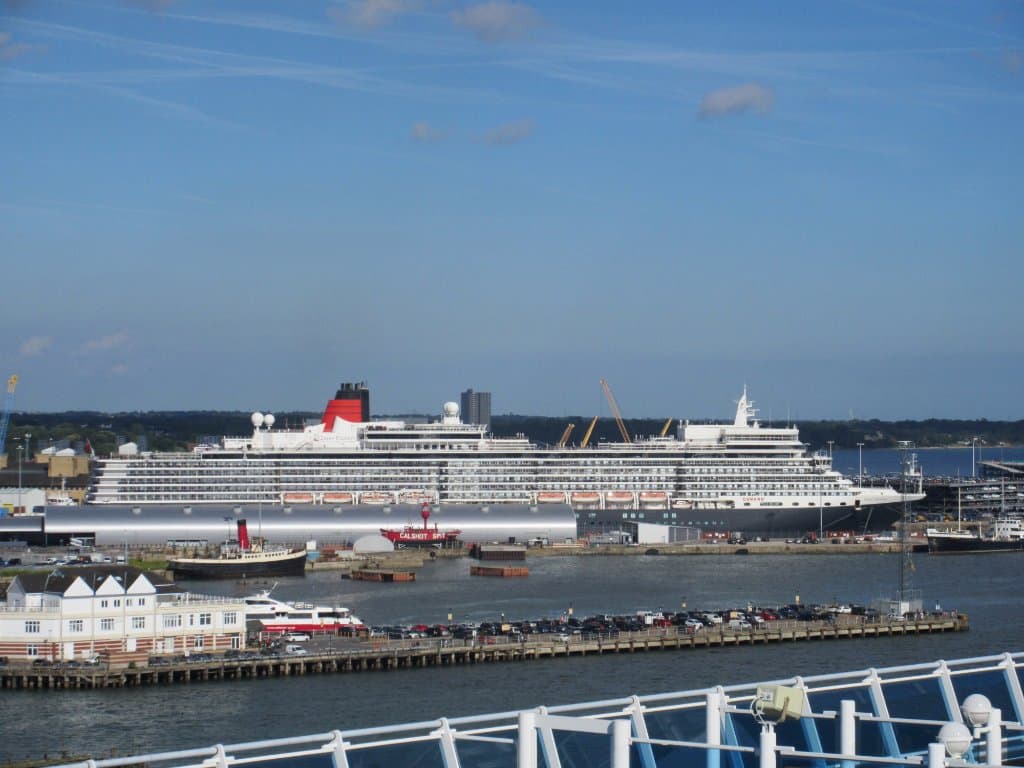
Iconic spots include the research vessels docked at the port and the modern architecture of the centre itself. Drone photography is also used for documenting work.
Photography of sensitive research equipment may be restricted. It's always best to ask for guidance from NOC staff before taking pictures of specific exhibits or labs.



Social
from TikTok, Instagram & Reddit