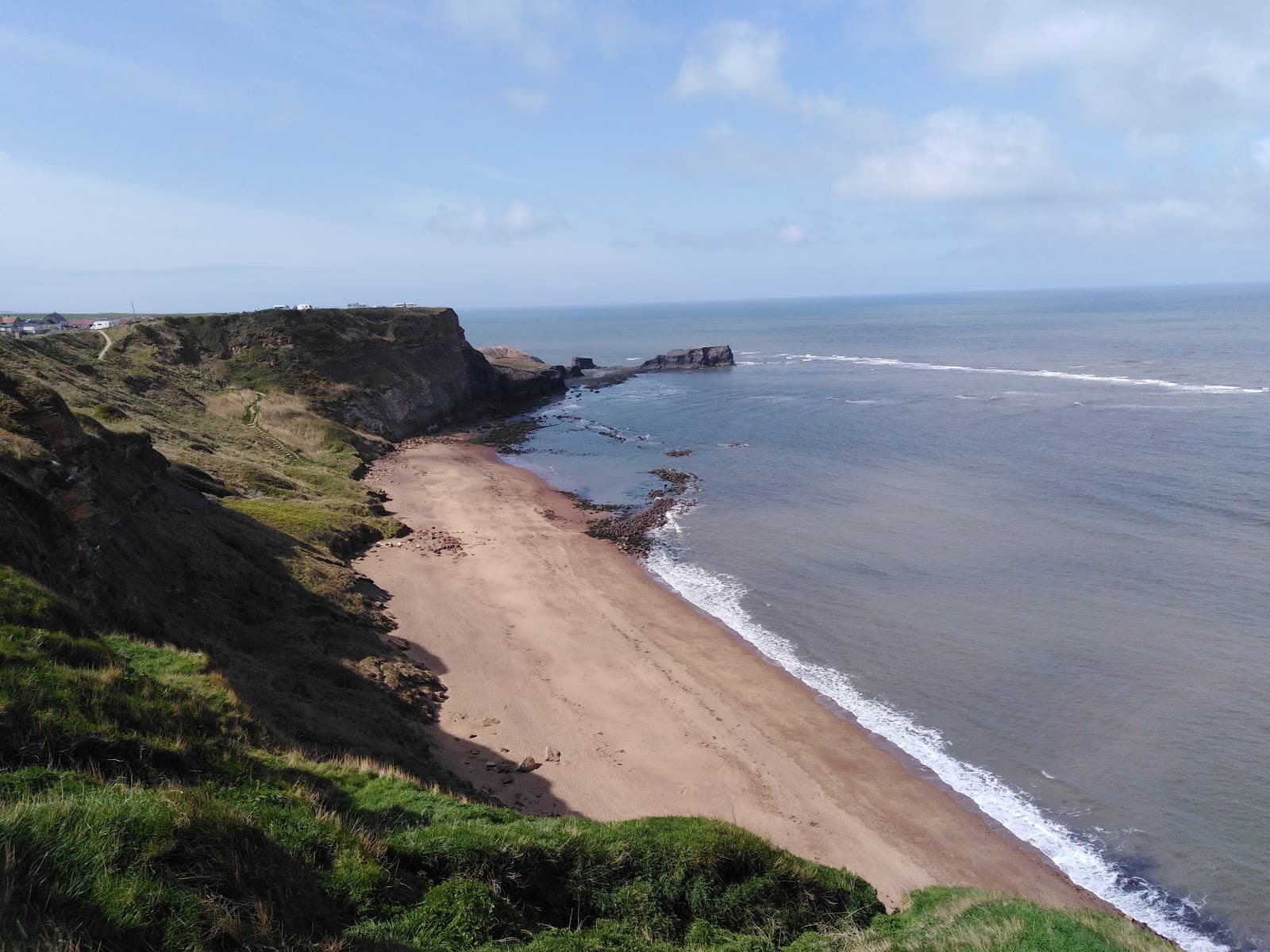
Saltwick Bay
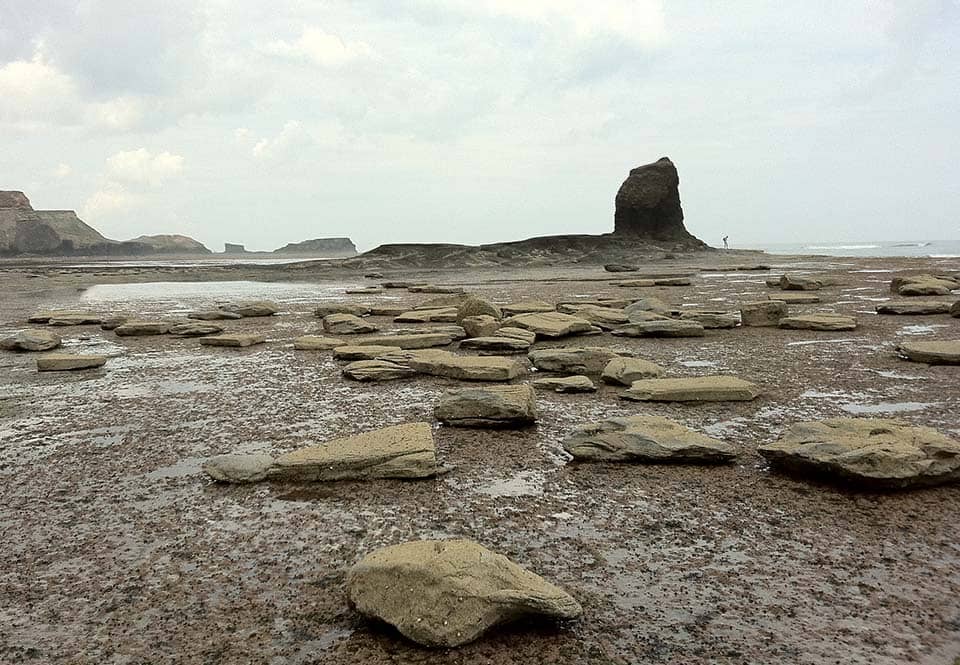
A rugged cove on the Yorkshire coast, famed for its fossil-rich beach, dramatic cliffs, and shipwreck remnants. A true adventurer's paradise.
Highlights
Must-see attractions

Social
From TikTok & Reddit
Best Time
Best for fossil hunting
Saltwick Bay
Best Time
Best for fossil hunting
Highlights
Must-see attractions
A rugged cove on the Yorkshire coast, famed for its fossil-rich beach, dramatic cliffs, and shipwreck remnants. A true adventurer's paradise.
"Beautiful beach, you can spend hours here searching for fossils (depending on the tide)."
Check the Tides! 🌊
Always check tide times before visiting to maximize fossil hunting and avoid getting cut off.
Sturdy Footwear Needed :athletic_shoe:
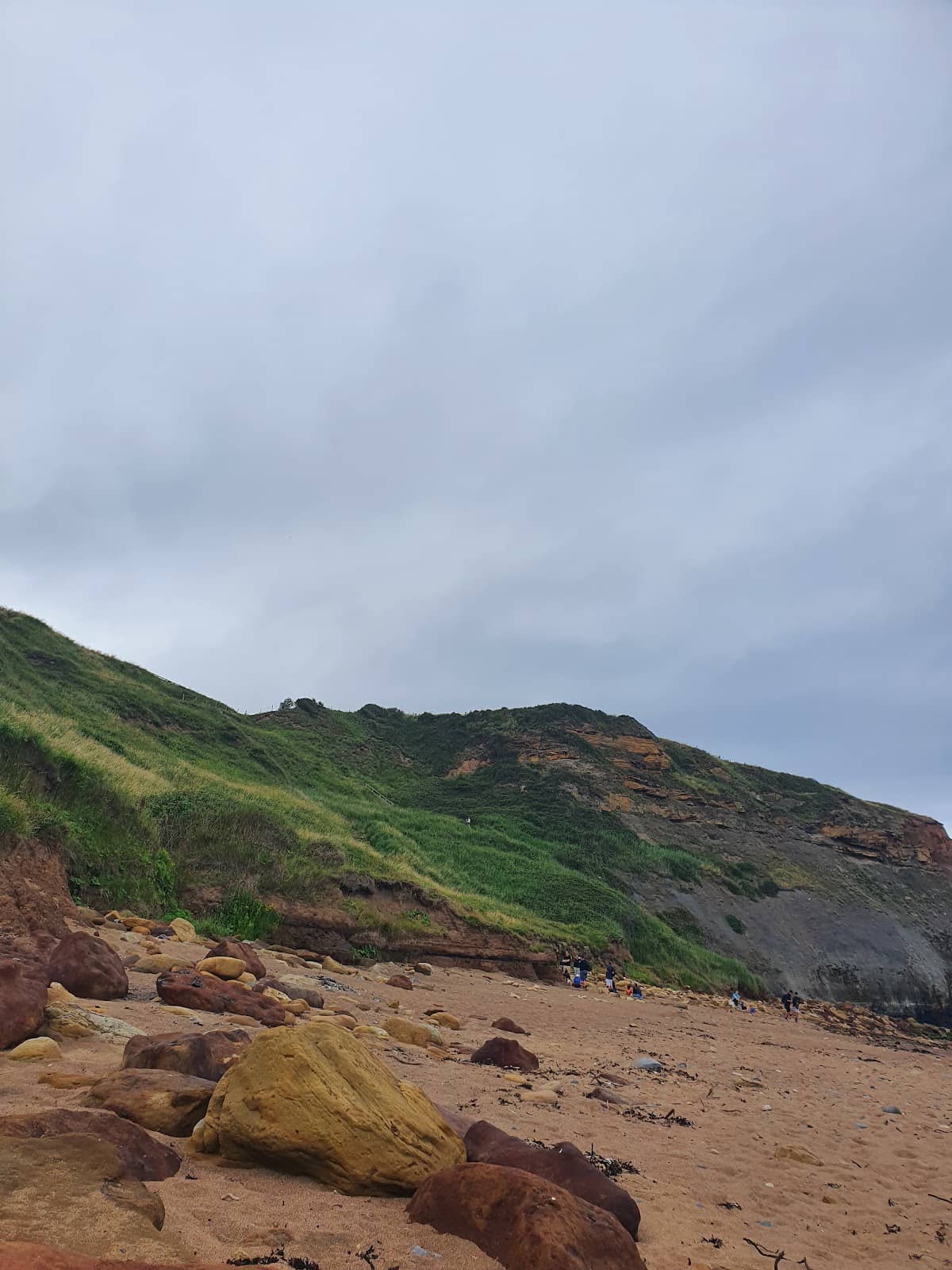
Wear appropriate footwear for the steep, potentially muddy steps and uneven terrain.
Quick Facts
Rating
4.7 · 27 reviews
Type
Natural Feature
Address
Highlights
Discover the most iconic attractions and experiences
Ammonite Hunting
Saltwick Bay Beach
Unearth ancient ammonite fossils, some dating back 180-220 million years. Keep your eyes peeled!
Pirate's Cove Vibe
Saltwick Bay
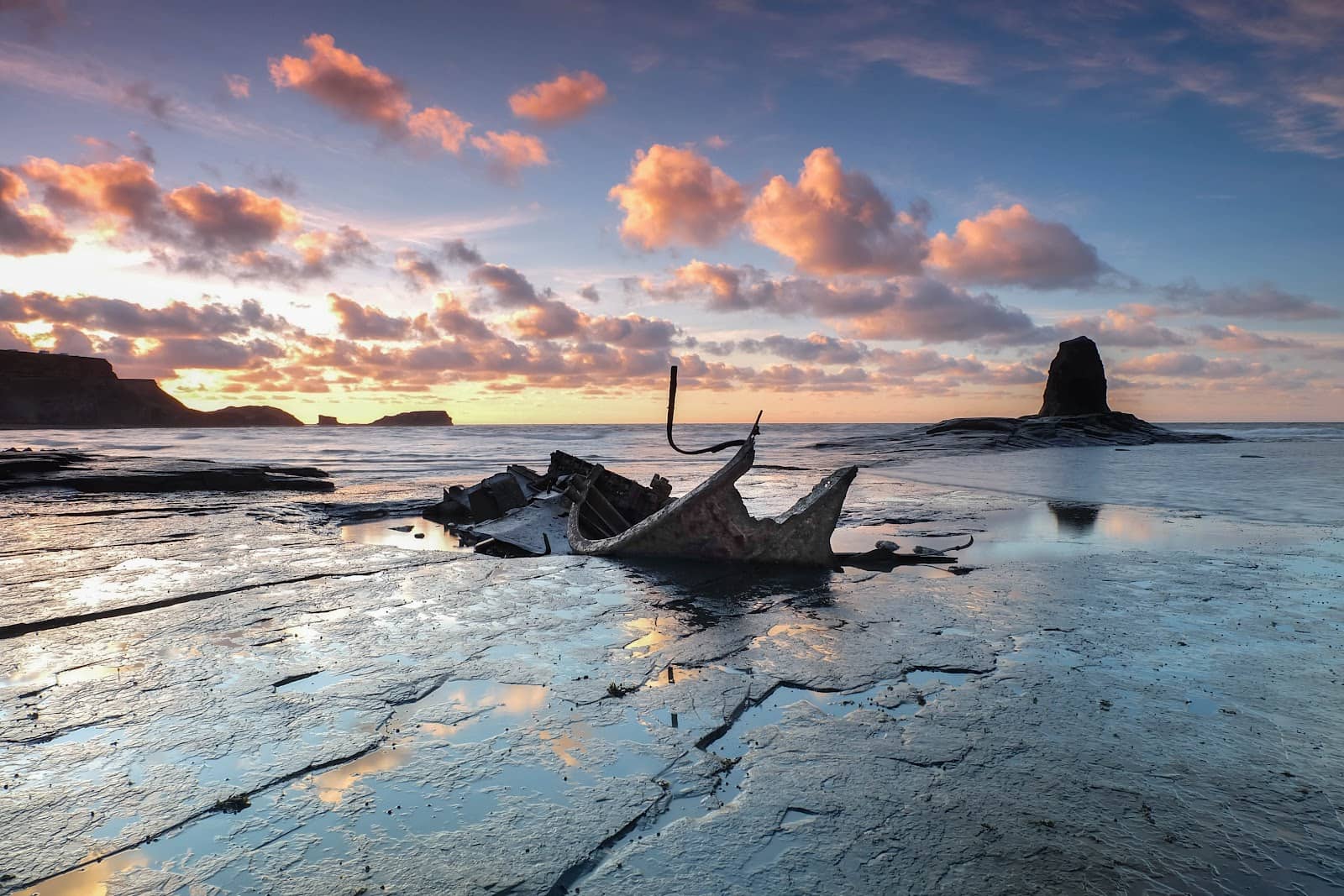
Explore this dramatic cove with its alum quarries and shipwreck remnants, feeling like you've stepped onto a pirate island.

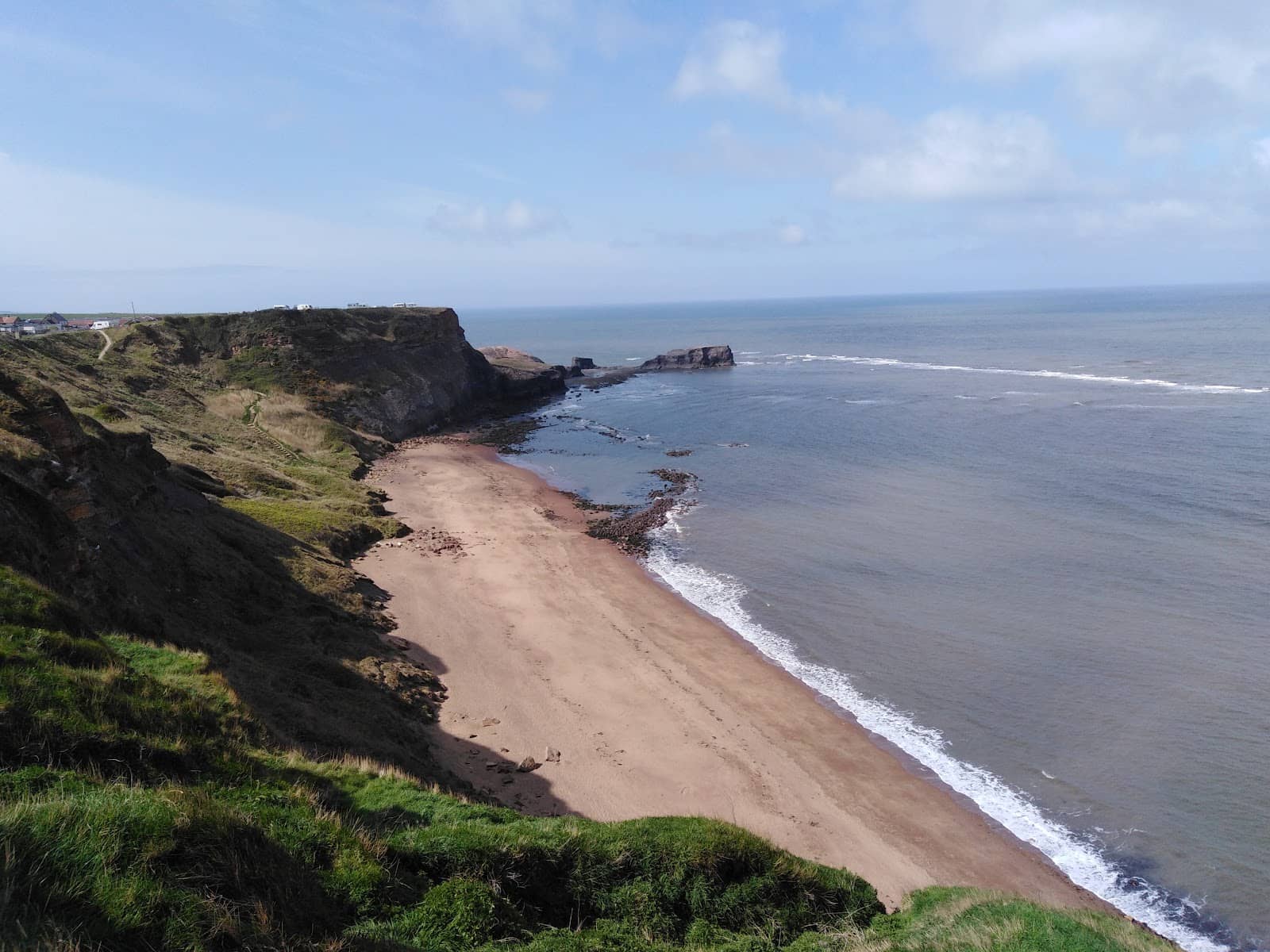
Dramatic Coastal Scenery
Saltwick Bay Cliffs
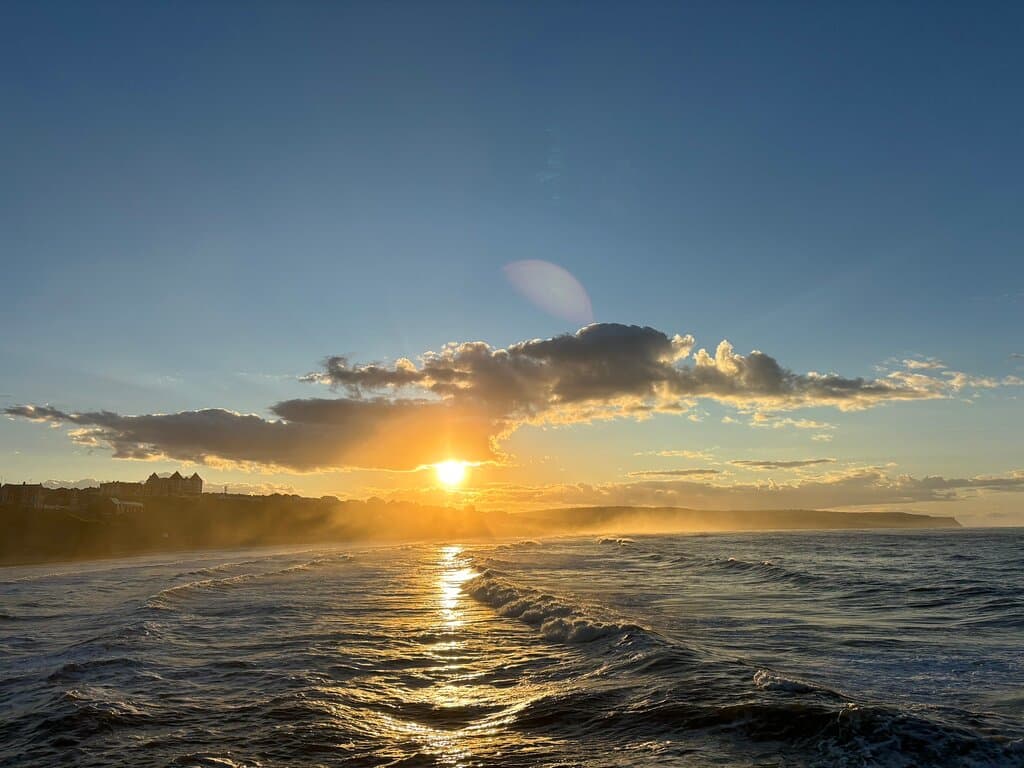
Marvel at the stunning cliff formations and wave-carved rocks that make this bay a photographer's dream.
Plans like a pro.
Thinks like you
Planning Your Visit
Fossil Hunting Fun
Access & Amenities
Best Times
Insider Tips
from TikTok, Instagram & Reddit
Check the Tides! 🌊
Always check tide times before visiting to maximize fossil hunting and avoid getting cut off.
Sturdy Footwear Needed :athletic_shoe:
Wear appropriate footwear for the steep, potentially muddy steps and uneven terrain.
Fossil Hunting Gear 🔎
Bring a small trowel or brush to help uncover fossils. Be patient and observant!
Limited Facilities ⛔
There are no public toilets or nearby amenities, so come prepared.
Tips
from all over the internet
Check the Tides! 🌊
Always check tide times before visiting to maximize fossil hunting and avoid getting cut off.
Sturdy Footwear Needed :athletic_shoe:
Wear appropriate footwear for the steep, potentially muddy steps and uneven terrain.
Fossil Hunting Gear 🔎
Bring a small trowel or brush to help uncover fossils. Be patient and observant!
Limited Facilities ⛔
There are no public toilets or nearby amenities, so come prepared.
Parking is Scarce 🚗
Parking is very limited, usually space for only about 6 cars. Arrive early or consider walking from Whitby.
What Travellers Say
Reviews Summary
Saltwick Bay is a stunning natural cove praised for its excellent fossil hunting opportunities and dramatic coastal scenery. Visitors enjoy the secluded atmosphere and the chance to discover ancient ammonites. However, the steep access steps and limited parking are significant drawbacks, making it less accessible for some.
"Beautiful beach, you can spend hours here searching for fossils (depending on the tide). Cliffs are crumbly so don't go too close. Car parking is 100 yards away on approach road to holiday park, probably space for 6 cars. There are steps down to the beach but these probably aren't manageable for anyone with restricted mobility - at least 5 minutes walk down and 10 back up, steep in places and would be muddy in wet weather. So perhaps accessibility not fantastic."
Musselbed
"Great beach for fossil hunting on. Be careful with tides though and check in advance.
The steps to get down are a little precarious so take it easy with children.
If you are keen eyed enough you might find some decent fossils, mainly Ammonites.
Remember it's a beach and there are no loos close by. There is a campsite at the top of the steps but they don't have public loos."
Stuart Coulson
"The climb down is very steep so be warned. Be very careful as the tide comes in rather fast and if you are in the wrong place you can very easily be cut off. Thete are fossils and with an eagle eye you can pick up some rather nice fossils."
Mark Woolhouse
What People Like
What People Dislike
Frequently Asked Questions
🚇 🗺️ Getting There
Saltwick Bay is located just outside Whitby. You can reach it by walking along the Cleveland Way clifftop path from Whitby Abbey, which takes about 20 minutes. Alternatively, you can drive to the approach road, but parking is very limited.
Access to Saltwick Bay involves steep steps down to the beach, which can be precarious and muddy in wet weather. It's not recommended for those with mobility issues or very young children.
Parking is extremely limited, with space for approximately six cars on the approach road to a nearby holiday park. It's advisable to arrive early or consider alternative transport.
Yes, you can walk to Saltwick Bay from Whitby. The Cleveland Way coastal path offers a scenic route from Whitby Abbey, taking around 20 minutes.
The terrain includes steep steps down to the beach, which can be muddy. The beach itself is sandy with rocky outcrops and crumbly cliffs.
🎫 🎫 Tickets & Entry
No, Saltwick Bay is a natural cove and does not require tickets for entry. It's free to explore.
Saltwick Bay is accessible at all times, but it's best to visit during daylight hours and always check tide times before you go.
There are no entrance fees for Saltwick Bay. It's a public beach and a natural attraction.
Dogs are generally welcome on beaches in the UK, but it's always a good idea to check local regulations. Saltwick Bay is a natural area where dogs can typically roam.
Yes, Saltwick Bay is a great spot for a picnic, especially on a nice day. Just remember to take all your rubbish with you.
🎫 🧭 Onsite Experience
Saltwick Bay is famous for fossil hunting, particularly ammonites. You can also explore the cove, admire the cliffs, and look for shipwreck remnants.
The most common fossils found at Saltwick Bay are ammonites, belemnites, and sometimes even dinosaur footprints.
Swimming at Saltwick Bay is not generally recommended due to strong currents and unpredictable tides. It's primarily known for fossil hunting and exploring.
Yes, remnants of shipwrecks can be found at Saltwick Bay, adding to its historical and adventurous appeal.
The best way to find fossils is to search amongst the rocks and sand, especially after high tide when new specimens may have been uncovered. Patience and a keen eye are key!
📸 📸 Photography
Saltwick Bay offers dramatic cliff formations, wave-carved rocks, shipwreck remnants, and the potential for finding fossils, all making for stunning photographic subjects.
Yes, drone footage of Saltwick Bay can capture its dramatic coastal scenery, the cove's layout, and its proximity to Whitby.
Early morning or late afternoon light can create beautiful dramatic effects on the cliffs and sea. Always consider the tide for access and composition.
The shipwreck remnants, the unique rock formations, and the steep cliff paths offer distinct photographic opportunities.
A wide-angle lens is great for capturing the coastal landscape, while a macro lens can be useful for close-ups of fossils. A sturdy tripod is helpful for low-light conditions.




Social
from TikTok, Instagram & Reddit