Terracotta Army
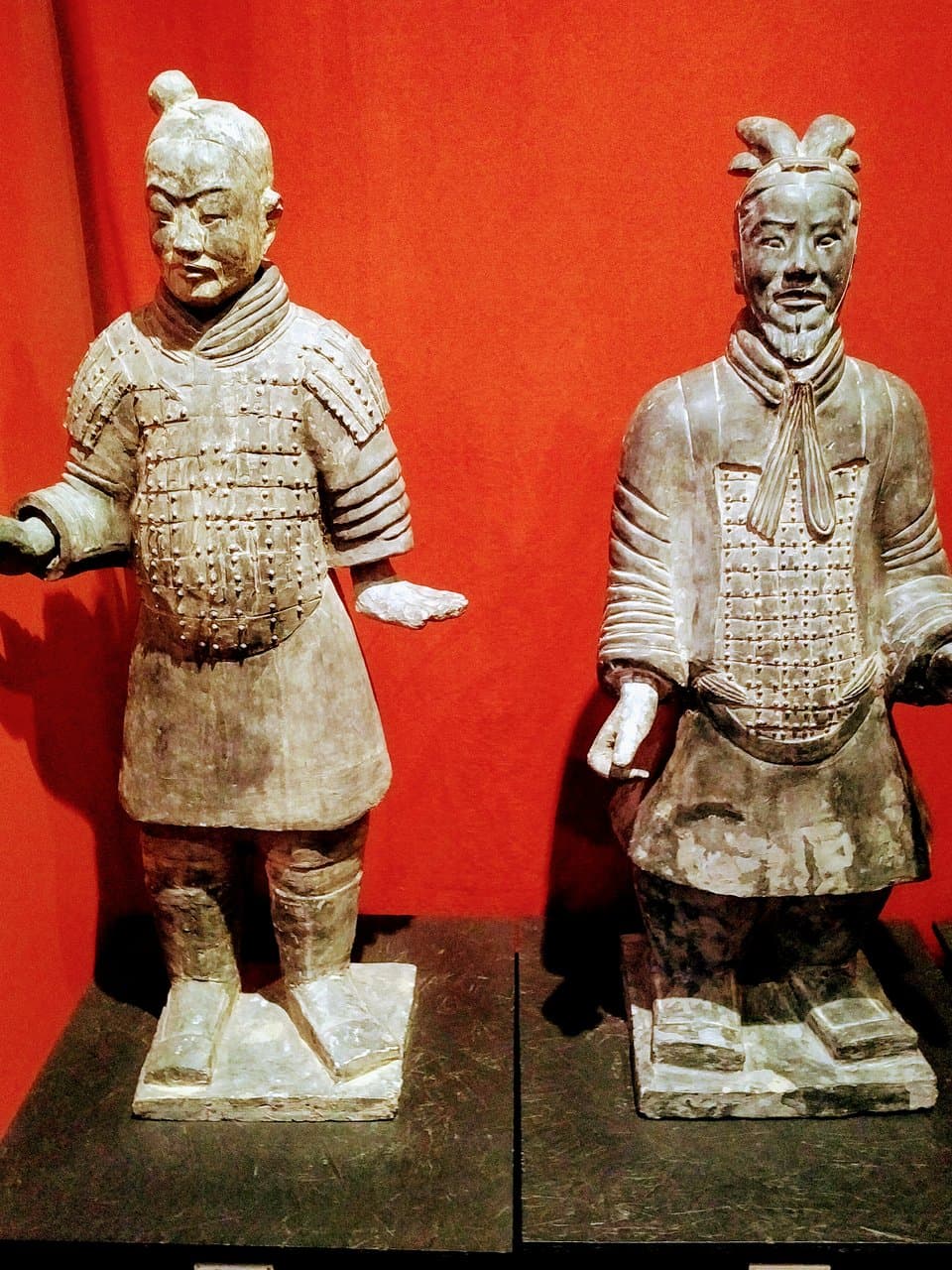
Discover the awe-inspiring Terracotta Army, a vast collection of life-sized warrior sculptures guarding China's first emperor in the afterlife.
Highlights
Must-see attractions

Social
From TikTok & Reddit
Best Time
Beat the crowds and heat.
Terracotta Army
Best Time
Beat the crowds and heat.
Highlights
Must-see attractions
Discover the awe-inspiring Terracotta Army, a vast collection of life-sized warrior sculptures guarding China's first emperor in the afterlife.
"Better than I imagined, a truly monumental archaeological wonder."
🎯 Book Tickets Online
Save time by purchasing your tickets in advance online.
💧 Bring Water in Summer
Stay hydrated, especially during warmer months, as it can get very hot.

Highlights
Discover the most iconic attractions and experiences
The Life-Sized Replicas
Main Exhibition Halls
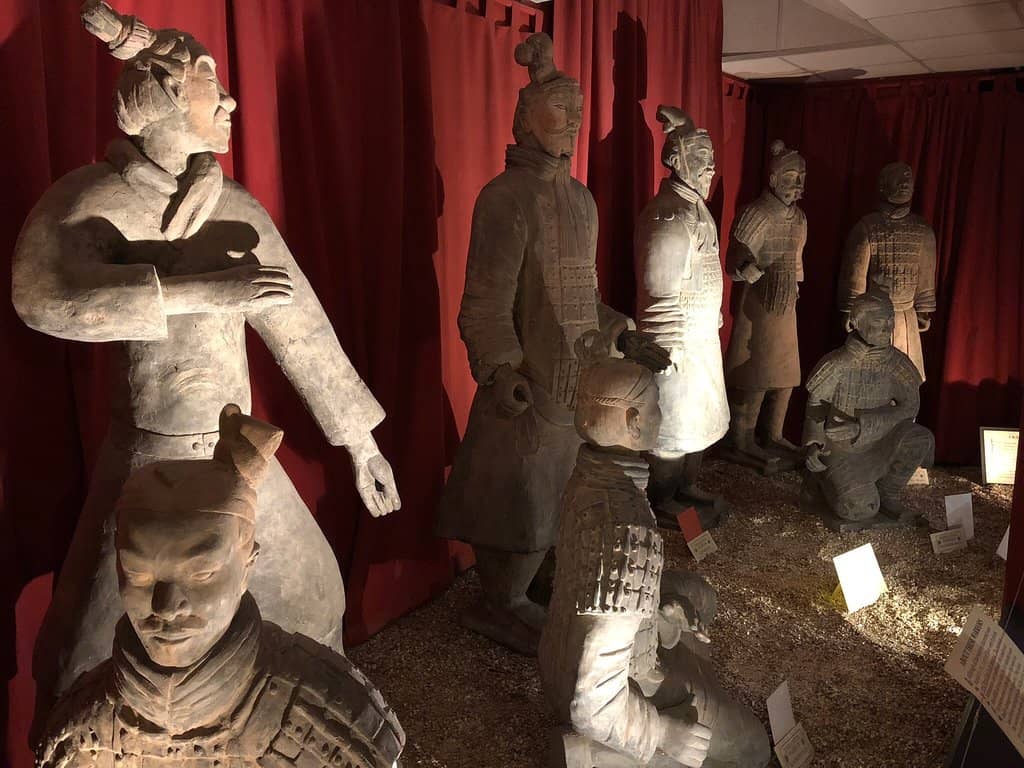
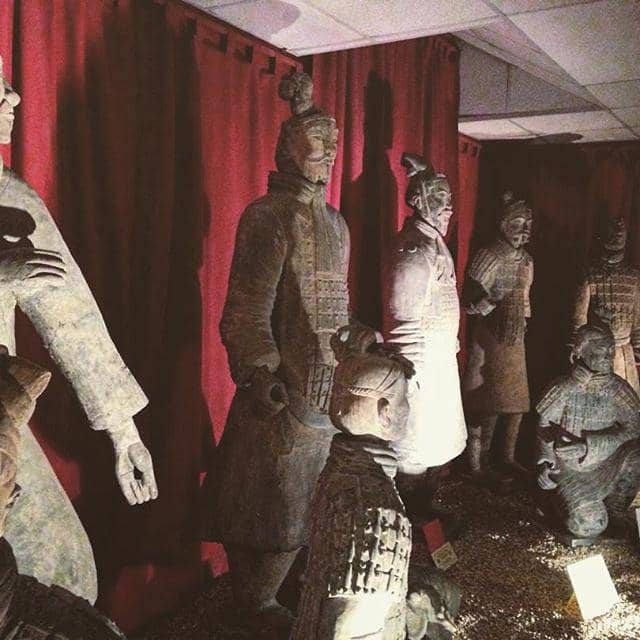
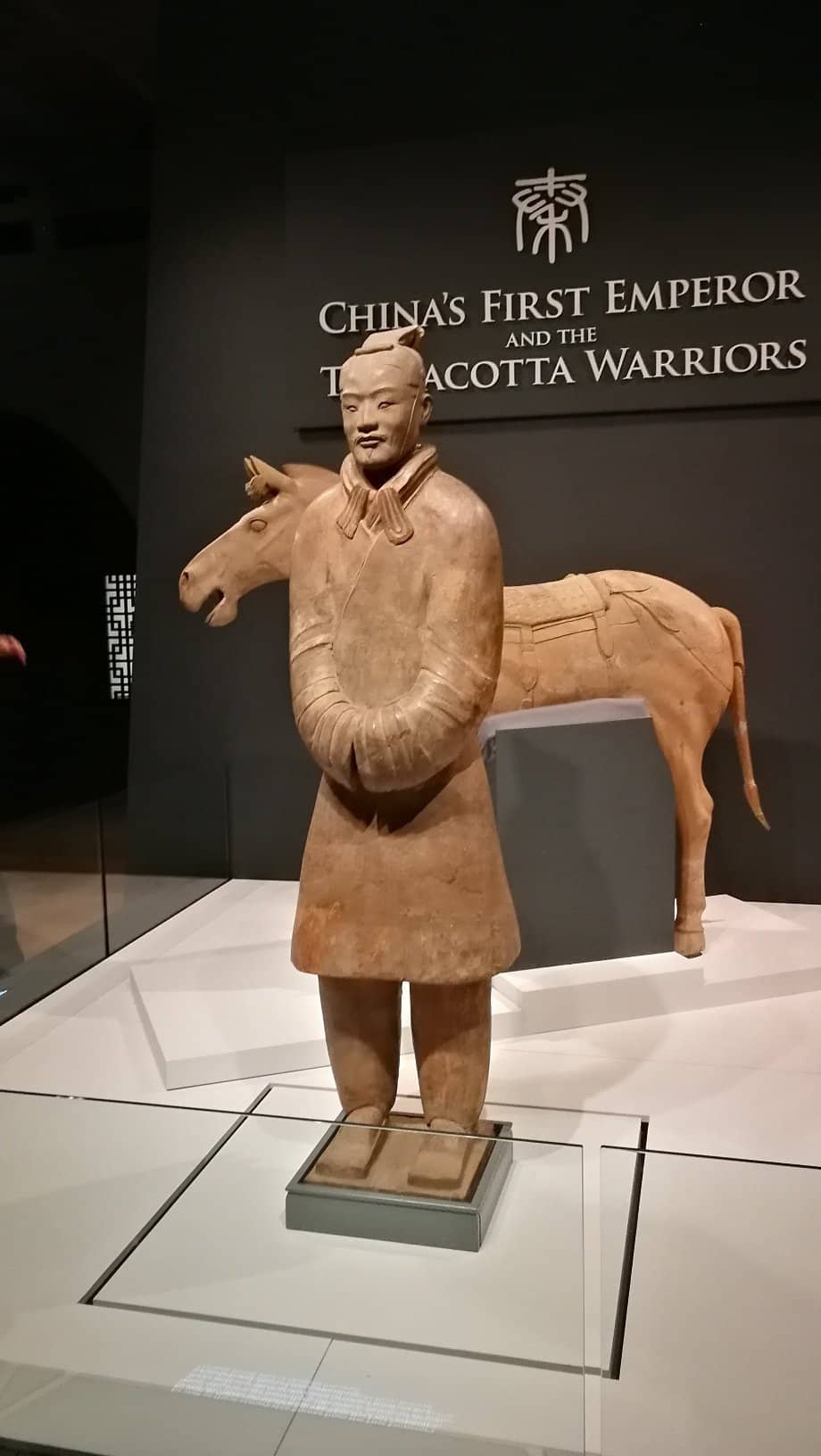
Marvel at the incredibly detailed, life-sized terracotta warriors, each with unique features, guarding the emperor's tomb.
Historical Film Presentation
Audiovisual Room
Gain deeper insights into the history of Emperor Qin Shi Huang and the discovery of the army through an informative film.
The Discovery Story
Exhibition Area
Learn how local farmers accidentally unearthed this monumental archaeological wonder while digging a well.

Plans like a pro.
Thinks like you
Planning Your Visit
Book Tickets in Advance
Consider a Guided Tour
Best Times
Insider Tips
from TikTok, Instagram & Reddit
🎯 Book Tickets Online
Save time by purchasing your tickets in advance online.
💧 Bring Water in Summer
Stay hydrated, especially during warmer months, as it can get very hot.
🚶♀️ Hire a Local Guide
Enhance your experience with insights from a knowledgeable guide.
🗺️ Explore Both Areas
Don't miss the second exhibition area, often overlooked by tourists.
Tips
from all over the internet
🎯 Book Tickets Online
Save time by purchasing your tickets in advance online.
💧 Bring Water in Summer
Stay hydrated, especially during warmer months, as it can get very hot.
🚶♀️ Hire a Local Guide
Enhance your experience with insights from a knowledgeable guide.
🗺️ Explore Both Areas
Don't miss the second exhibition area, often overlooked by tourists.
📸 Capture the Details
Focus on the unique features of each warrior for stunning photos.
What Travellers Say
Reviews Summary
Visitors are generally impressed by the sheer scale and historical significance of the Terracotta Army, often describing it as a must-see. However, some find the entrance fee high for the experience, especially if expecting more original artifacts rather than detailed replicas. Crowds can also be a factor, impacting the overall enjoyment for some.
"Visited as something to do while on holiday. Went in expecting real items, not just replicas. Paid £40 for 4 adults and we went round in about 10 minutes. Far too pricey for what you get. I wouldn't recommend unless you're willing to spend £10 per head on some 70s footage"
Hannah Moore
"It's a small museum, but we really enjoyed our visit. With exact sized replicas of the warriors and details of they come to be with a film to watch about the first emperor. The staff were really nice aswell."
Hayley Workman
"Not a big place but worth a visit"
Gary Barlow
What People Like
What People Dislike
Frequently Asked Questions
🚇 🗺️ Getting There
The most common way to reach the Terracotta Army from Xi'an is by taking a public bus. Bus routes like 306 or 914/915 are popular choices and are relatively inexpensive. Taxis and ride-sharing services are also available, offering more convenience but at a higher cost. Many visitors opt for organized tours that include transportation. +1
The Terracotta Army is located about 30-40 kilometers (around 20-25 miles) east of Xi'an city center. Travel time can vary depending on traffic, typically taking 45 minutes to over an hour by car or bus.
Yes, several direct bus routes operate from Xi'an to the Terracotta Army Museum. Bus 306 is a frequently recommended option departing from Xi'an Railway Station.
For budget travelers, taking public buses like the 306 is the most economical option. It's a straightforward journey and a great way to experience local transport.
Yes, taxis and ride-sharing services are readily available in Xi'an and can take you directly to the Terracotta Army. This is a more comfortable but pricier option compared to public buses.
🎫 🎫 Tickets & Entry
Ticket prices can vary, but generally, admission to the Terracotta Army Museum is around 120 RMB for adults during peak season. It's highly recommended to check the official website for the most current pricing and to book tickets in advance to avoid disappointment.
Tickets can be purchased online through the official museum website or authorized travel platforms. Buying in advance is strongly advised to skip long queues.
Discounts may be available for students, seniors, and children. It's best to inquire at the ticket office or check the official website for eligibility and requirements. Some package deals might also include other attractions.
The museum typically opens early in the morning, around 8:30 AM, and closes in the late afternoon, usually around 5:00 PM or 5:30 PM. Hours can change seasonally, so it's wise to confirm before your visit.
Many visitors find a guided tour highly beneficial for understanding the historical context and significance of the Terracotta Army. Guides can offer unique insights and point out details you might otherwise miss.
🎫 🏛️ Onsite Experience
The Terracotta Army site consists of three main pits, with Pit 1 being the largest and most impressive, housing the majority of the warriors. Pit 2 and Pit 3, though smaller, offer additional insights into the army's formation and the emperor's burial complex.
Pit 1 is the main attraction and contains the largest number of warriors arranged in a battle formation, making it a must-see. Pit 2 offers a glimpse into cavalry and archers, while Pit 3 is believed to be the command post.
A typical visit to the Terracotta Army can take anywhere from 2 to 4 hours, depending on your pace and interest. This includes exploring the main pits, the museum exhibits, and watching the historical film.
Photography is generally allowed in most areas of the Terracotta Army site, but flash photography is often prohibited to protect the artifacts. Always check for specific signage in each exhibition area.
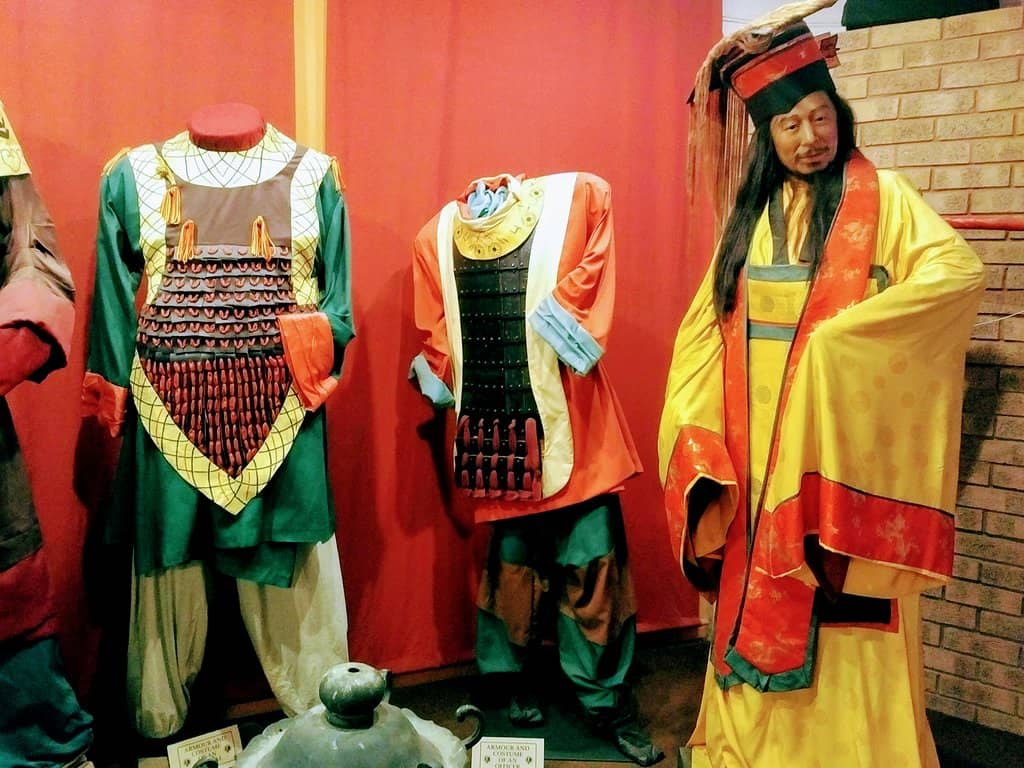
While the original warriors are on display, the museum also features detailed replicas that help illustrate the original appearance and scale of the army. Some reviews mention the presence of replicas, which can sometimes lead to confusion about authenticity.
🍽️ 🍽️ Food & Dining
Yes, there are dining facilities within the museum complex, including restaurants and snack bars offering various Chinese dishes. However, some visitors find the options a bit pricey or suggest bringing your own snacks.
You can expect to find typical Chinese cuisine, including noodles, rice dishes, and local specialties. There are also options for drinks and snacks.
Many visitors choose to eat in Xi'an before heading to the Terracotta Army or plan to dine in the city afterward. This can offer more variety and potentially better value.
Bringing your own water and snacks is generally permitted, which can be a good idea, especially if you plan to spend several hours exploring the site.
While specific vegetarian menus might not be widely advertised, most Chinese restaurants can accommodate vegetarian requests. It's advisable to ask or look for vegetable-based dishes.
📸 📸 Photography
The main exhibition halls, particularly Pit 1 with its vast formation of warriors, offer incredible photo opportunities. Look for unique angles and details of individual soldiers.
Flash photography is typically prohibited inside the exhibition halls to preserve the ancient artifacts. Always check for signage and be respectful of the rules.
While you can take photos of the warriors, maintaining a respectful distance is crucial. Avoid posing directly with the artifacts or obstructing other visitors' views.
A camera with good low-light performance is beneficial, as some areas can be dimly lit. A wide-angle lens can help capture the scale of Pit 1, while a zoom lens is useful for details.
Drone photography is strictly prohibited within the museum grounds and surrounding areas to ensure the safety and preservation of the site.
For Different Travelers
Tailored advice for your travel style
👨👩👧 Families with Kids
To keep younger visitors engaged, focus on the discovery story and the idea of an army protecting an emperor in the afterlife. The historical film presentation can also be a good way to break up the walking. Bringing plenty of snacks and water is essential, as is planning for breaks. Some reviews mention that the site can be quite large, so comfortable shoes are a must for everyone.
🏛️ History Buffs
+1Consider hiring a knowledgeable guide or doing thorough research beforehand to fully appreciate the nuances of the site. Pay attention to the ongoing archaeological work and any new discoveries that might be presented. The museum's exhibits and the historical film provide valuable background information to enhance your understanding.
📸 Photographers
+1Be mindful of lighting conditions, as some areas can be dimly lit. A camera with good low-light capabilities or a tripod (if permitted and practical) can be beneficial. Remember that flash photography is usually prohibited, so adjust your settings accordingly. Look for unique angles and compositions to make your photos stand out.
Deep Dives
In-depth insights and expert knowledge
The History and Discovery of the Terracotta Army
+2The army remained hidden for over two millennia until 1974, when local farmers digging a well near Xi'an stumbled upon fragments of clay figures. This accidental discovery led to one of the most significant archaeological finds of the 20th century, revealing the astonishing underground army. The excavation and ongoing research continue to uncover more about this ancient civilization and its burial practices.
+1It's fascinating to note that when first created, the warriors were vibrantly painted, but the colors have largely faded due to exposure to air and light after excavation. Today, they appear in their more muted, earthy tones, yet their intricate details and individual expressions still captivate visitors.
Understanding the Pits and Their Significance
Pit 2 is more complex, featuring a mix of cavalry, infantry, and chariots, and is believed to represent different branches of the army. Pit 3, though the smallest, is thought to be the command center, with higher-ranking officers and a chariot. The strategic placement and organization of these pits offer invaluable insights into ancient Chinese military strategy and organization.
While Pit 1 is the primary draw, many visitors are encouraged to explore Pit 2 and Pit 3 to gain a more comprehensive understanding of the entire army. Some travelers note that these smaller pits are often overlooked but provide crucial context to the overall burial complex.
Visitor Experience and Expectations
However, some reviews suggest managing expectations, as the experience can be overwhelming due to crowds, and the original vibrant colors of the warriors have faded over time. Some visitors have also noted that the museum can feel a bit underwhelming if they were expecting more interactive exhibits or a larger display of original artifacts versus detailed replicas.
To maximize the experience, booking tickets in advance, arriving early to avoid crowds, and considering a guided tour are frequently recommended tips. Engaging with the historical context and appreciating the artistry of each individual warrior can lead to a more profound appreciation of this ancient wonder.



Social
from TikTok, Instagram & Reddit