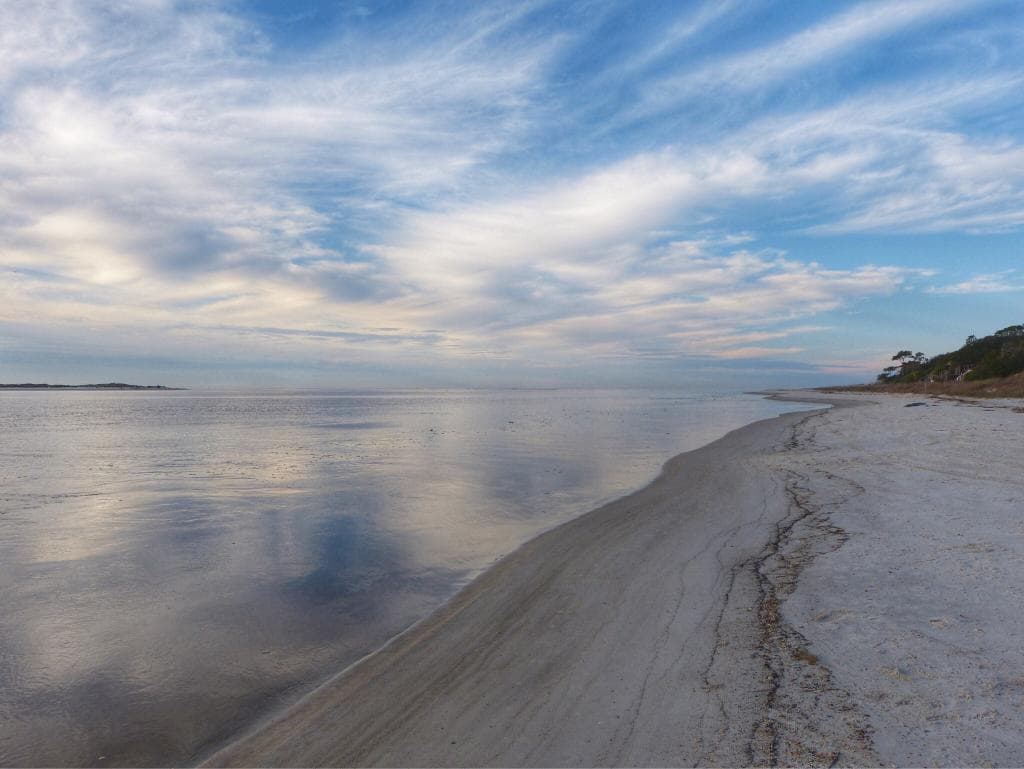
St. Vincent National Wildlife Refuge
An uninhabited island refuge offering pristine beaches, diverse wildlife, and a true escape into nature. Accessible only by boat.
Highlights
Must-see attractions

Social
From TikTok & Reddit
Best Time
Pleasant weather, fewer bugs
St. Vincent National Wildlife Refuge
Best Time
Pleasant weather, fewer bugs
Highlights
Must-see attractions
An uninhabited island refuge offering pristine beaches, diverse wildlife, and a true escape into nature. Accessible only by boat.
"A wild, undeveloped island paradise with unique wildlife and shell-strewn beaches, perfect for nature lovers."
Book Shuttle in Advance
The boat shuttle is your only way here! Book ahead, especially during peak season, to ensure your spot.
Mosquitoes are Hungry!
Seriously, pack bug spray. Mosquitos can be intense, especially in the humid interior. :bug:
Quick Facts
Rating
4.1 · 32 reviews
Type
Wildlife Refuge
Highlights
Discover the most iconic attractions and experiences
Sambar Deer Sightings
Island interior
Keep an eye out for the elusive sambar deer, an introduced species that roams the island's interior. Spotting one is a unique wildlife encounter.
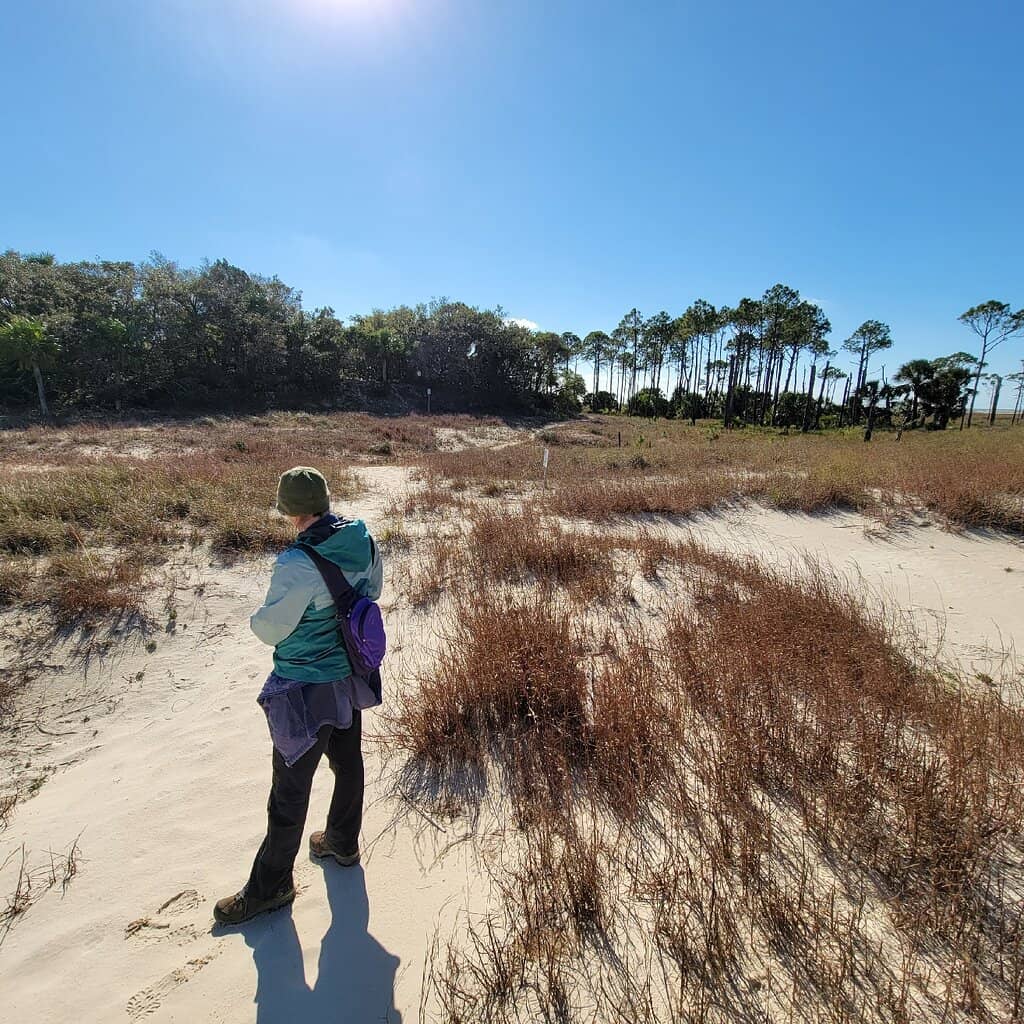
Shell-Strewn Beaches
Gulf Coast shoreline
Walk along miles of undeveloped beaches, collecting a variety of beautiful shells. The pristine coastline offers a peaceful escape.
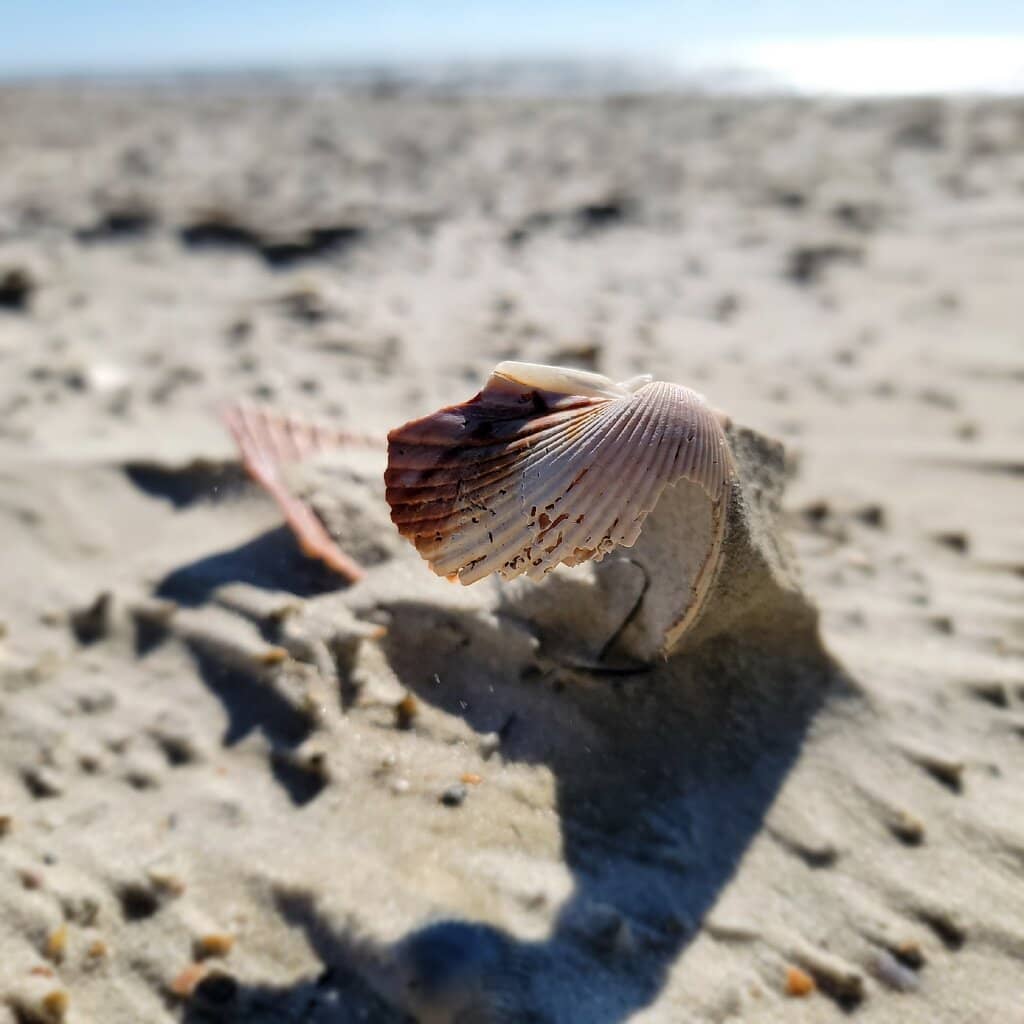
Abundant Birdlife
Various habitats
The refuge is a haven for numerous bird species. Birdwatchers will delight in spotting wading birds, shorebirds, and migratory species.
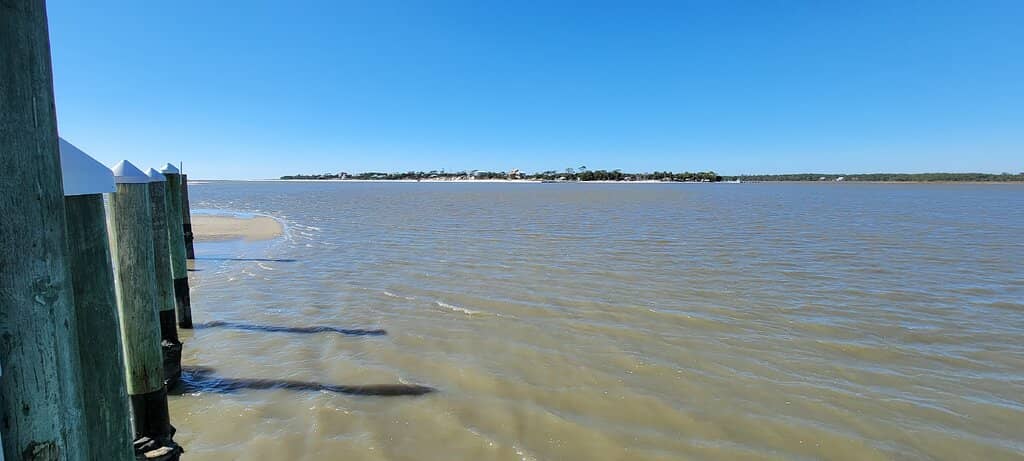
Unique Flora
Island interior
Explore the island's diverse plant life, from coastal vegetation to lush interior foliage. The flora is described as stunning and tropical.
Plans like a pro.
Thinks like you
Planning Your Visit
Boat Shuttle is Key
Be Prepared for Nature
Best Times
Insider Tips
from TikTok, Instagram & Reddit
Book Shuttle in Advance
The boat shuttle is your only way here! Book ahead, especially during peak season, to ensure your spot.
Mosquitoes are Hungry!
Seriously, pack bug spray. Mosquitos can be intense, especially in the humid interior. :bug:
Is the trip/shuttle to St Vincent Island worth it?
Looks kind of neat,but I'm curious if the experience is worth the extra hassle that doesn't come with going to a normal beach.
Full Day Exploration
The shuttle's limited hours (9:30 AM - 12:30 PM) mean you need to be efficient. A full day is ideal for true exploration. :clock1:
Bring Plenty of Water
It gets hot and humid. Stay hydrated on your island adventure. :water_wave:
Tips
from all over the internet
Book Shuttle in Advance
The boat shuttle is your only way here! Book ahead, especially during peak season, to ensure your spot.
Mosquitoes are Hungry!
Seriously, pack bug spray. Mosquitos can be intense, especially in the humid interior. :bug:
Full Day Exploration
The shuttle's limited hours (9:30 AM - 12:30 PM) mean you need to be efficient. A full day is ideal for true exploration. :clock1:
Bring Plenty of Water
It gets hot and humid. Stay hydrated on your island adventure. :water_wave:
Wear Sturdy Shoes
You'll be walking through varied terrain. Comfortable, closed-toe shoes are a must. :athletic_shoe:
Shell Collector's Paradise
The beaches are known for their abundant and diverse shell finds. :shell:
What Travellers Say
Reviews Summary
Visitors praise St. Vincent National Wildlife Refuge for its pristine, undeveloped beauty and unique wildlife encounters, particularly sambar deer and abundant shells. However, many note the shuttle's limited hours and the intense heat and mosquitoes, advising thorough preparation for a day trip.
"I enjoyed exploring a small part of the island in November. I saw a Cottonmouth and a few birds and the flora is really incredible. Took the boat across for $20. Came back on the beach and there are a lot of shells and it’s cool to observe island with no development. Conservation benefits the local economy and can help mitigate climate change and inspire ecological literacy."
Will Matthews
"Amazing national wildlife refuge. Uninhabited island off the Forgotten Coast in the Gulf of Mexico"
Nancy Stuart
"The shuttle service was OK, but during this season was only from 9 until noon which is too short a time to walk the island. The flora was stunning. We cut over to the beach and collected many varieties of shells. A pod of dolphins were sighted in several different locations. Overall it was a good experience."
James Manell
What People Like
What People Dislike
Frequently Asked Questions
🚇 🗺️ Getting There
Access to St. Vincent National Wildlife Refuge is exclusively by boat. A shuttle service operates from the mainland, typically from a dock near Indian Pass. It's crucial to check the shuttle's operating hours and book your passage in advance, as they can be limited.
Shuttle hours can vary seasonally, but they are often limited, with a typical window from around 9:30 AM to 12:30 PM for drop-off and pick-up. This means you need to plan your island activities within this timeframe.
For nature enthusiasts and those seeking a truly undeveloped island experience, the shuttle is worth the effort. It allows access to a pristine environment with unique wildlife and beautiful beaches, though the limited time requires efficient planning.
While private boat access might be possible, the most common and recommended method for visitors is the designated shuttle service. This ensures you adhere to refuge regulations and have a reliable way to get on and off the island.
The boat ride across to St. Vincent Island is quite short, typically around 5 minutes. However, the overall travel time will depend on your journey to the shuttle departure point and the shuttle's schedule.
🎫 🎫 Tickets & Entry
There is a fee for the boat shuttle service to access the island, which is around $20 per person round trip. There are no additional entrance fees for the refuge itself once you are on the island.
It is highly recommended to book your shuttle tickets in advance, especially during busy seasons or weekends, to guarantee your spot. Check with the shuttle operator for their booking procedures.
The refuge itself is accessible during daylight hours once you are on the island. However, your access is dictated by the shuttle service's operating schedule, which has specific drop-off and pick-up times.
As a wildlife refuge, there are regulations in place to protect the flora and fauna. Visitors are expected to stay on designated trails, not disturb wildlife, and pack out everything they pack in.
Camping is generally not permitted on St. Vincent National Wildlife Refuge, as it is an undeveloped island focused on day-use and conservation. Visitors typically access the island for day trips.
🎫 🧭 Onsite Experience
Activities include hiking through diverse habitats, birdwatching, shelling on the beaches, and wildlife viewing (sambar deer, birds, dolphins). It's an excellent spot for nature photography and enjoying undeveloped coastal scenery.
You might spot sambar deer, various bird species (wading, shorebirds), and potentially dolphins offshore. Traces of the red wolf breeding program have also been noted, though sightings are rare.
Yes, the island offers opportunities for hiking through its tropical jungle-like interior and along its beaches. Be prepared for heat, humidity, and potentially challenging terrain.
Essential items include plenty of water, sunscreen, insect repellent, snacks, a hat, comfortable walking shoes, and a camera. A backpack is useful for carrying your supplies.
St. Vincent National Wildlife Refuge is an undeveloped island, meaning there are no facilities such as restrooms, shops, or picnic areas. You must be self-sufficient for your entire visit.
📸 📸 Photography
The beaches offer stunning coastal landscapes and opportunities to photograph shells and seabirds. The interior trails provide chances to capture unique flora and potentially wildlife like sambar deer.
A versatile camera with a good zoom lens is recommended for wildlife and landscape photography. Consider a wide-angle lens for expansive beach shots and a telephoto lens for distant wildlife.

Yes, the refuge is home to various wildlife, including birds and sambar deer. Patience and a good telephoto lens will increase your chances of capturing great wildlife shots.
Early morning and late afternoon offer the best light for photography, with softer shadows and warmer tones. These times also coincide with increased wildlife activity.
General photography is allowed, but always be mindful of wildlife and avoid disturbing their natural behavior. Respect any posted signage regarding protected areas.


Social
from TikTok, Instagram & Reddit