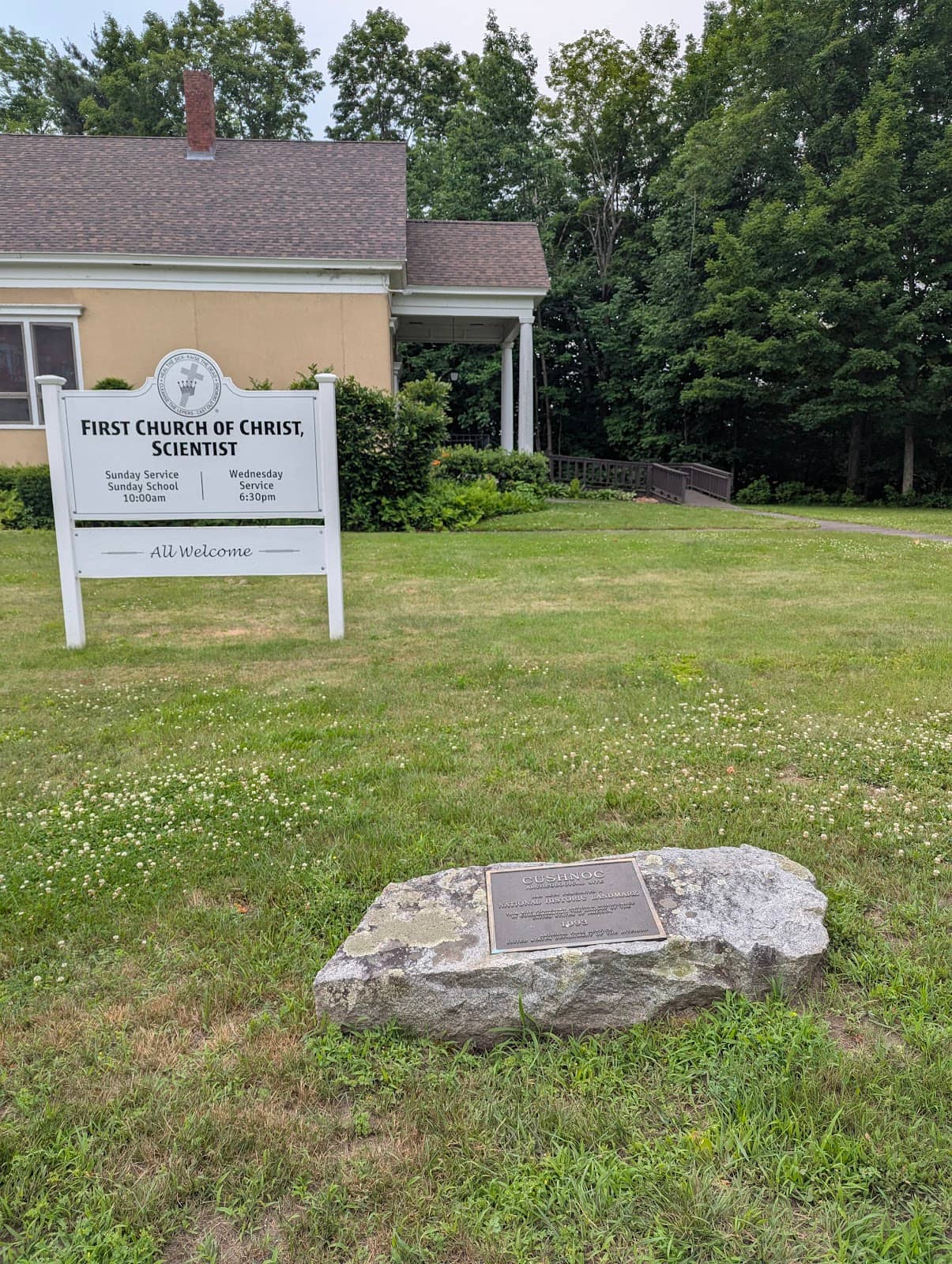
Cushnoc Archaeological Site - Image 1
1 / 3

Cushnoc Archaeological Site Augusta Maine

5
·2 reviews·Augusta, United States

Explore the grounds of the 1625 Cushnoc Trading Post, a key site in early European settlement and fur trade in Maine.

Highlights

Must-see attractions

Social content

Social

From TikTok & Reddit

Best Time

Spring and Fall mornings

Pleasant weather for exploring

CrowdLow
Loading map...
Cushnoc Archaeological Site - Image 1

Cushnoc Archaeological Site Augusta Maine

Best Time

Spring and Fall mornings

Pleasant weather for exploring

CrowdLow

Highlights

Must-see attractions

Explore the grounds of the 1625 Cushnoc Trading Post, a key site in early European settlement and fur trade in Maine.

5
(2 reviews)

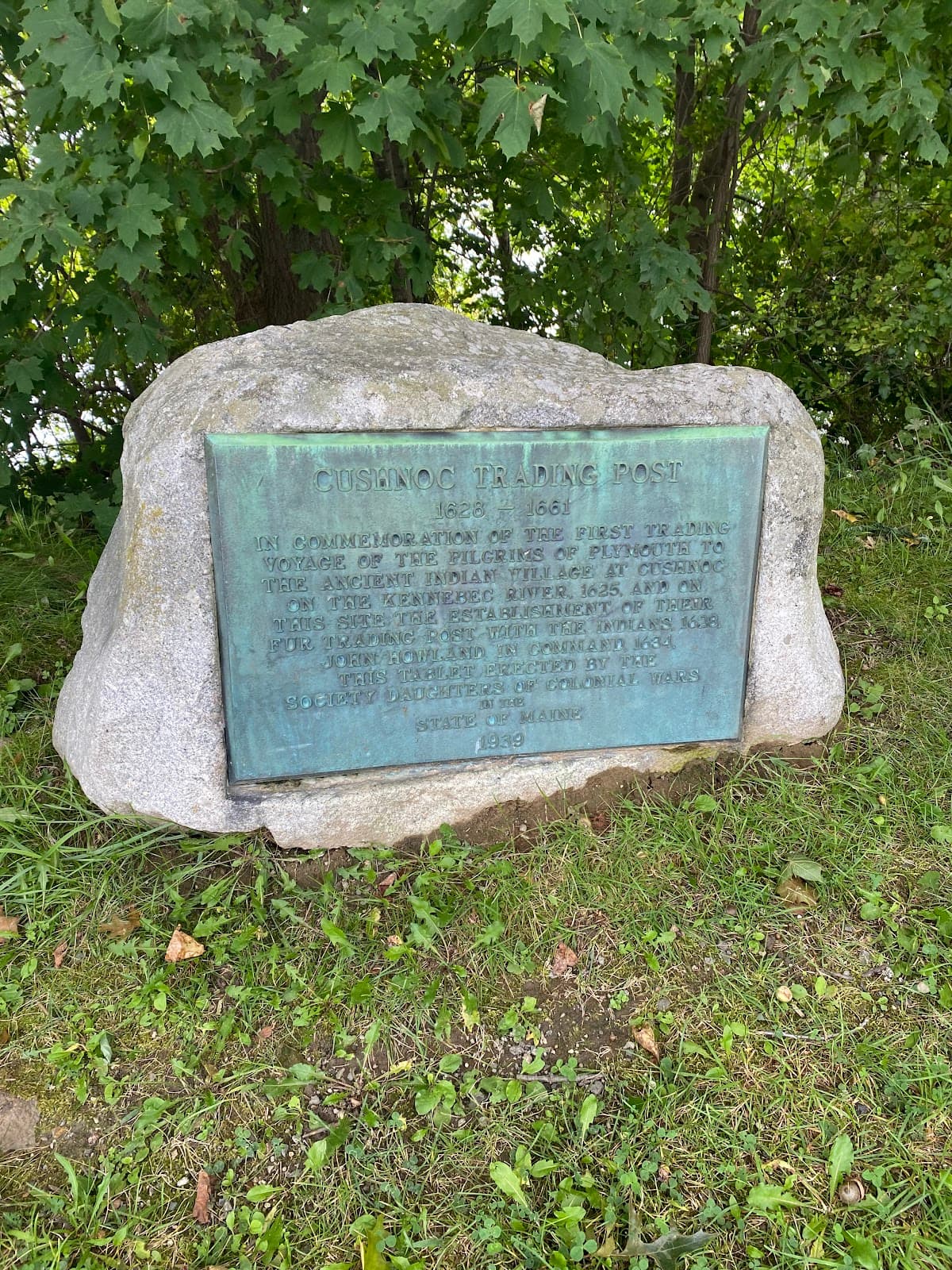
"It's a nice park with informational plaques on the site of Cushnoc Trading Post."
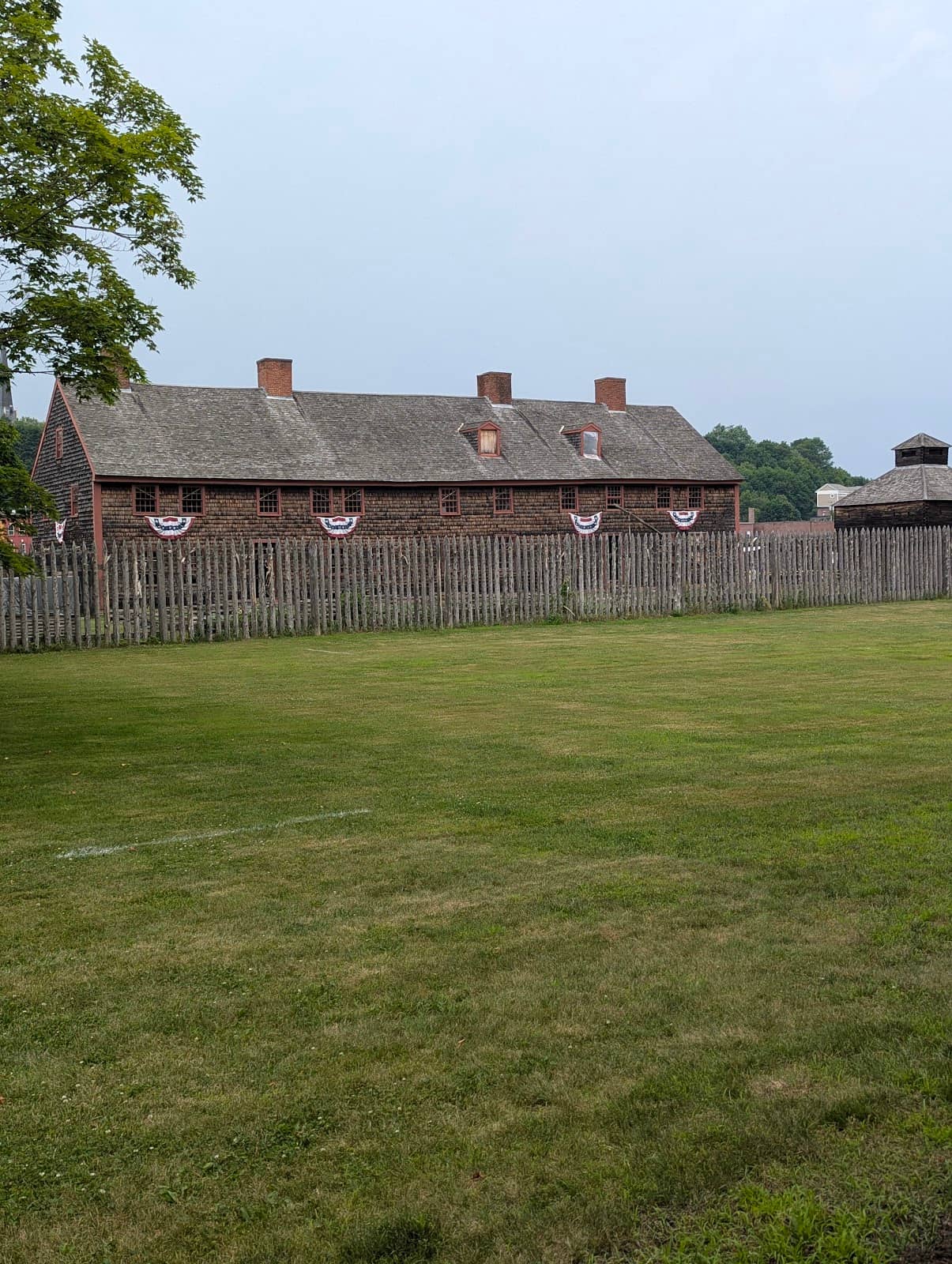
Vertical photo
TIP

Combine with Fort Western

Visit Old Fort Western nearby for a fuller historical experience. :world_map:

Quiet Reflection Spot

Enjoy a peaceful moment contemplating early colonial history. :park:

Third hero image

Highlights

Discover the most iconic attractions and experiences

Cushnoc Trading Post Site

Cushnoc Trading Post Site

Augusta, Maine

Discover the grounds where early European settlers established a vital trading post in 1625.

Informational Plaques

Informational Plaques

Throughout the site

Learn about the history of European exploration and settlement through informative markers.

Your AI travel agent

Plans like a pro.
Thinks like you

Start Chatting

Planning Your Visit

Step Back in Time

Explore the remnants of the Cushnoc Trading Post, established in 1625. This site offers a glimpse into early European settlement and fur trade in Maine. It's a quiet spot for history buffs.

Combine Your Visit

Cushnoc is located near Old Fort Western. Many visitors find it beneficial to explore both sites together for a more comprehensive understanding of the area's colonial past.

Best Times

When
Spring and Fall mornings
Why
Pleasant weather for exploring
Crowd
Low
When
Weekday afternoons
Why
Fewer visitors, peaceful atmosphere
Crowd
Low

Insider Tips

from TikTok, Instagram & Reddit

1607年9月最早有欧洲人考察这个地区。1625年普利茅斯殖民地的英国殖民者在这里建立了一个贸易点,这是首次欧洲人在此定居。这个居民点位于肯尼贝克河的通航终点。当时居民点的名称是印第安人的名字Cushnoc。此后32年的皮毛贸易非常有利。此后英国人将这个地区放弃了75多年。[9]1754年英国人在肯尼贝克河的东岸建造了一座木结构的堡垒,今天这座堡垒是美国最古老的木结构堡垒。[10]它和河畔的其它两座堡垒是为了吸引殖民者而建造的。[10] 1771年这个地区属于汉龙威尔1797年2月汉龙威尔上游的地区被分为一个自己的城市,同年8月这座城市被定名为奥古斯塔。1799年它成为肯纳贝克县的县府。[10] 1827年奥古斯塔正式成为州府。但是到1832年州议会大厦完工前缅因州议会依然在波特兰聚会。1849年奥古斯塔正式被提升为市 #augusta
@tomcat3340
0 likes • 132 views

Combine with Fort Western

Visit Old Fort Western nearby for a fuller historical experience. :world_map:

Quiet Reflection Spot

Enjoy a peaceful moment contemplating early colonial history. :park:

Learn from Plaques

Read the historical markers to understand the site's significance. :memo:

No content available

Tips

from all over the internet

Combine with Fort Western

Visit Old Fort Western nearby for a fuller historical experience. :world_map:

Quiet Reflection Spot

Enjoy a peaceful moment contemplating early colonial history. :park:

Learn from Plaques

Read the historical markers to understand the site's significance. :memo:

What Travellers Say

5
(2 reviews)

Reviews Summary

Visitors find the Cushnoc Archaeological Site to be a quiet, reflective spot rich in historical significance, particularly for its connection to the early 1625 trading post. While it's noted that there isn't much physically present beyond informational plaques, its proximity to Old Fort Western makes it a worthwhile stop for a comprehensive understanding of Augusta's colonial past.

"There's not much here except informational plaques on the site of Cushnoc Trading Post established in 1628 by Pilgrims from Plymouth Colony. Until recently I did not realize I was living just up river from where my 10x great grandfather spent time! It is very close to Old Fort Western - I highly recommend a visit there as well."

Deborah Fahy

"it's a nice park"

ricky church

What People Like

Historical significance
Quiet and reflective
Proximity to Old Fort Western

What People Dislike

Limited physical remains

Frequently Asked Questions

🚇 🗺️ Getting There

The Cushnoc Archaeological Site is located in Augusta, Maine, near Old Fort Western. It's easily accessible by car. Parking is typically available near the site or at Old Fort Western. Check local signage for specific parking instructions.

Public transport options to Augusta may be limited. It's recommended to check local Augusta transit schedules for bus routes that might get you close to the site. Driving is generally the most convenient option.

🎫 🎫 Tickets & Entry

The Cushnoc Archaeological Site itself is generally an open area with informational plaques. While there might not be an admission fee for the archaeological site itself, it's always a good idea to check if any associated historical societies or parks have specific entry requirements or donation suggestions.

As an open archaeological site, Cushnoc is typically accessible during daylight hours. However, if you are visiting in conjunction with Old Fort Western, their specific operating hours will apply to that facility.

🎫 🧭 Onsite Experience

At Cushnoc, you can explore the grounds where the 1625 Cushnoc Trading Post was established. Informational plaques detail the history of early European settlement and the fur trade in the area. It's a place for quiet reflection and historical learning.

While the site itself is more about historical markers and open ground, it can be educational for children interested in history. Combining it with a visit to Old Fort Western, which offers more interactive elements, might be more engaging for younger visitors.

A visit to Cushnoc Archaeological Site itself is relatively brief, perhaps 30 minutes to an hour, depending on how much you read the plaques. Many visitors combine it with Old Fort Western, which can take a couple of hours.

📸 📸 Photography

The best photo opportunities at Cushnoc involve capturing the historical plaques and the general landscape that evokes the feeling of early settlement. The proximity to the Kennebec River also offers scenic views. Consider visiting during the golden hours for softer light.

For Different Travelers

Tailored advice for your travel style

👨‍👩‍👧 Families with Kids

For families, the Cushnoc Archaeological Site offers a chance to introduce children to early American history. While the site itself is primarily informational plaques and open space, it sets the stage for understanding the past. To make the visit more engaging for kids, combine it with a trip to Old Fort Western. This nearby preserved fort provides a more visual and interactive historical experience, with buildings to explore and stories to uncover that are often more captivating for younger audiences. Pack snacks and water, as amenities might be limited.

📚 History Enthusiasts

History buffs will appreciate the Cushnoc Archaeological Site for its direct connection to the 1625 Cushnoc Trading Post. It's a place to contemplate the early days of European settlement and the vital fur trade that shaped colonial Maine. For a deeper dive, ensure you read all the informational plaques carefully. Pairing this visit with Old Fort Western is highly recommended, as it offers a preserved 18th-century structure that complements the narrative of colonial development and defense in the region.

Deep Dives

In-depth insights and expert knowledge

The History of Cushnoc

The Cushnoc Archaeological Site in Augusta, Maine, marks the location of a significant early European settlement. Established in 1625 by English colonists from Plymouth Colony, the Cushnoc Trading Post was a crucial hub for the fur trade along the Kennebec River. This strategic location allowed for interaction and trade with the indigenous Wabanaki Confederacy, shaping the early economic landscape of the region.

The site's history extends beyond the initial trading post. Later, in 1754, the English constructed a wooden blockhouse, which is now considered one of the oldest wooden fortifications in the United States. This structure, part of a larger defensive network, highlights the evolving colonial presence and the strategic importance of the area. The town itself was eventually named Augusta in 1797, becoming the capital of Maine.

Today, the Cushnoc Archaeological Site offers a quiet space for reflection on this rich history. While much of the original structures are gone, informational plaques guide visitors through the narrative of early exploration, trade, and settlement, providing a tangible connection to Maine's colonial past. It serves as a reminder of the complex interactions between European settlers and Native American populations that defined this era.

Visiting Cushnoc and Old Fort Western

Many visitors find that exploring the Cushnoc Archaeological Site in tandem with Old Fort Western offers a more complete historical experience of Augusta, Maine. Old Fort Western, a preserved 18th-century blockhouse, stands as a testament to the area's military and colonial significance, built by the English in 1754. It's a short distance from the Cushnoc site, making it easy to visit both in one outing.

While Cushnoc focuses on the earlier trading post era and the initial European presence, Old Fort Western provides a more tangible and preserved structure from a later period of colonial fortification. Together, these sites paint a broader picture of Augusta's role in early American history, from trade and settlement to defense and governance. It’s a journey through different facets of colonial life in Maine.

When planning your visit, consider dedicating a few hours to explore both locations. This allows ample time to read the historical markers at Cushnoc and fully tour the preserved buildings and grounds of Old Fort Western. Checking the operating hours for Old Fort Western is recommended, as it is a more structured museum experience compared to the open-air Cushnoc site.