
Blood Run National Historic Landmark Larchwood Iowa
Explore ancient earthworks and native prairies at this significant Native American historic landmark in rural Iowa.
Highlights
Must-see attractions

Social
From TikTok & Reddit
Best Time
Pleasant temps, fewer crowds
Blood Run National Historic Landmark Larchwood Iowa
Best Time
Pleasant temps, fewer crowds
Highlights
Must-see attractions
Explore ancient earthworks and native prairies at this significant Native American historic landmark in rural Iowa.
"A stunning look into NW-Iowa's past, feeling the ancient importance of this area."

Download Offline Maps 🗺️
Cell service is unreliable. Download maps before you go to navigate the trails easily.
Wear Sturdy Footwear 👟
Trails are natural prairie paths. Comfortable, closed-toe shoes are essential for exploring.

Quick Facts
Rating
4.3 · 6 reviews
Type
Natural Feature
Address
Highlights
Discover the most iconic attractions and experiences

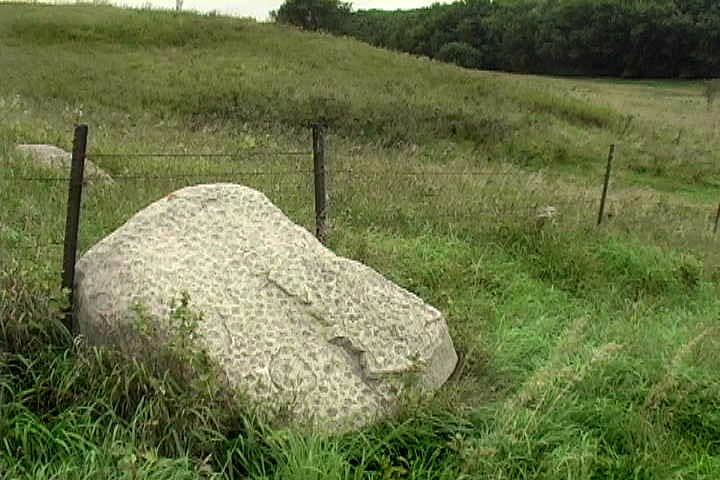
Oneota Pitted Boulder
Iowa side of the park
Discover ancient grinding stones used by the Oneota culture, a tangible link to millennia of human history.


Ancient Earthworks & Mounds
Throughout the park
Explore the subtle yet profound earthworks and mounds, testaments to the sophisticated societies that once thrived here.

Prairie Landscapes
Various trails
Wander through stunning native prairie, offering breathtaking views and a sense of untouched natural beauty.
Plans like a pro.
Thinks like you
Planning Your Visit
Respect the Sacred Ground
Plan for Remote Exploration
Best Times
Insider Tips
from TikTok, Instagram & Reddit
Download Offline Maps 🗺️
Cell service is unreliable. Download maps before you go to navigate the trails easily.
Wear Sturdy Footwear 👟
Trails are natural prairie paths. Comfortable, closed-toe shoes are essential for exploring.
Pack for the Weather ☀️
Iowa weather can change quickly. Bring layers, sun protection, and water, especially in warmer months.
Respect the History 🙏
This is a sacred site. Do not disturb or remove any artifacts or natural features.
Tips
from all over the internet
Download Offline Maps 🗺️
Cell service is unreliable. Download maps before you go to navigate the trails easily.
Wear Sturdy Footwear 👟
Trails are natural prairie paths. Comfortable, closed-toe shoes are essential for exploring.
Pack for the Weather ☀️
Iowa weather can change quickly. Bring layers, sun protection, and water, especially in warmer months.
Respect the History 🙏
This is a sacred site. Do not disturb or remove any artifacts or natural features.
Look Across the River 👀
South Dakota is visible from many points, offering a unique cross-border perspective.
What Travellers Say
Reviews Summary
Visitors appreciate Blood Run for its quiet beauty and historical significance, offering a unique glimpse into ancient cultures. However, some find it lacks amenities and clear signage, making it a destination best suited for those with a specific interest in history and nature who are prepared for a remote experience.
"Enjoyed the beauty and quiet a person has to be interested. It wasn't one of my favorite places I'd give it a 2 star rating."
Angie Gardner
"Did not take me to the park entrance"
Michael Edwards
""
Leah Kent
What People Like
What People Dislike
Frequently Asked Questions
🚇 🗺️ Getting There
Blood Run is located in a remote area of Lyon County, Iowa. The nearest town is Larchwood. Visitors often report difficulty finding the exact park entrance, so using GPS coordinates or downloading offline maps is highly recommended.
Public transportation options are extremely limited in this rural area. It is best to travel by personal vehicle.
Specific directions can vary, but generally, you'll head towards Larchwood, Iowa, and then follow local roads. It's advisable to consult a reliable GPS or mapping service and be prepared for unpaved or gravel roads as you get closer.
Yes, there are designated parking areas within the landmark. However, signage can sometimes be minimal, so keep an eye out for official markers.
Yes, Blood Run straddles the Iowa-South Dakota border, and you can access parts of it from the South Dakota side as well, though the primary landmark is on the Iowa side.
🎫 🎫 Tickets & Entry
No, Blood Run National Historic Landmark is generally free to enter and explore. It's a public land managed for preservation and education.
As an outdoor historical site, Blood Run is typically accessible during daylight hours. There are no strict opening or closing times posted, but it's best to visit during safe daylight hours.
There is no entrance fee to visit Blood Run National Historic Landmark. It is a site of historical and cultural significance open to the public for appreciation.
While official guided tours may not be regularly scheduled, local historical societies or indigenous cultural groups might offer special events or tours. It's best to check local listings or the Iowa History website for any planned activities.
The best way to experience Blood Run is by hiking the trails, observing the ancient earthworks, and reflecting on the history of the indigenous peoples who lived there. Take your time and appreciate the quiet.
🎫 🧭 Onsite Experience
The trails at Blood Run are primarily natural prairie paths. They can be uneven and may have some inclines. Sturdy hiking shoes are recommended.
Facilities are very limited. You may find basic signage, but don't expect a full visitor center or extensive restroom facilities. Come prepared.
The Oneota were a prehistoric Native American culture that inhabited the Upper Midwest, including the Blood Run area, known for their sophisticated earthworks and agricultural practices.
Picnicking is generally allowed in designated areas, but it's important to pack out everything you pack in to preserve the natural beauty and historical integrity of the site.
Children can enjoy exploring the open prairie and learning about history, but supervision is essential due to the natural terrain and the site's historical significance.
📸 📸 Photography
The rolling prairie landscapes, the pitted boulder, and the subtle earthworks offer unique photographic opportunities. Sunrise and sunset can provide beautiful light.
Yes, you can take photos of the historical mounds and earthworks. Remember to be respectful and avoid disturbing the sites.
Regulations regarding drone usage can vary. It's best to check with local authorities or the National Park Service if you plan to fly a drone, as it may be restricted in historical or sensitive areas.
A wide-angle lens is great for capturing the expansive prairie views, while a macro lens can be useful for details like wildflowers or textures on the pitted boulder.
While general photography is permitted, it's important to be mindful of the site's historical and cultural significance. Avoid intrusive photography and always respect the land.
Social
from TikTok, Instagram & Reddit