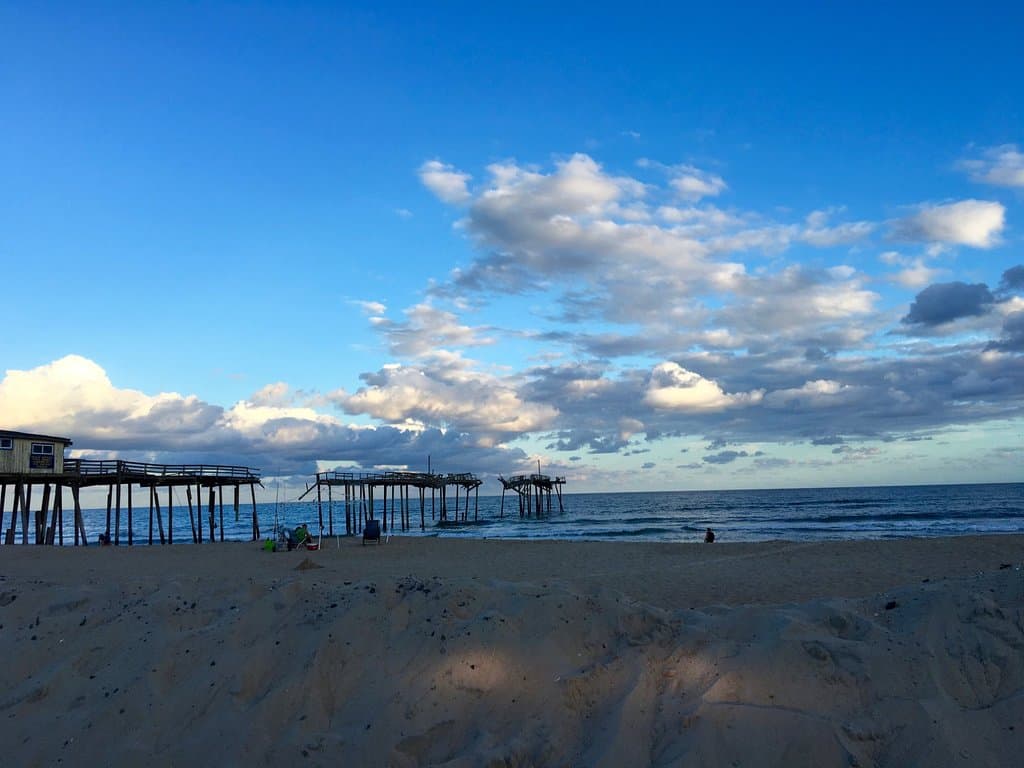
Cape Hatteras National Seashore
A protected stretch of North Carolina coast with iconic lighthouses, wild beaches, and abundant marine life.
Highlights
Must-see attractions

Social
From TikTok & Reddit
Best Time
Mild weather, fewer crowds
Cape Hatteras National Seashore
Best Time
Mild weather, fewer crowds
Highlights
Must-see attractions
A protected stretch of North Carolina coast with iconic lighthouses, wild beaches, and abundant marine life.
🚗 ORV Beach Driving
Get an ORV permit for access to remote beaches. Check tide times and weather before heading out.
🐚 Shell Collecting
Early mornings after storms can yield amazing shell finds. Be respectful of the environment.
Quick Facts
Highlights
Discover the most iconic attractions and experiences
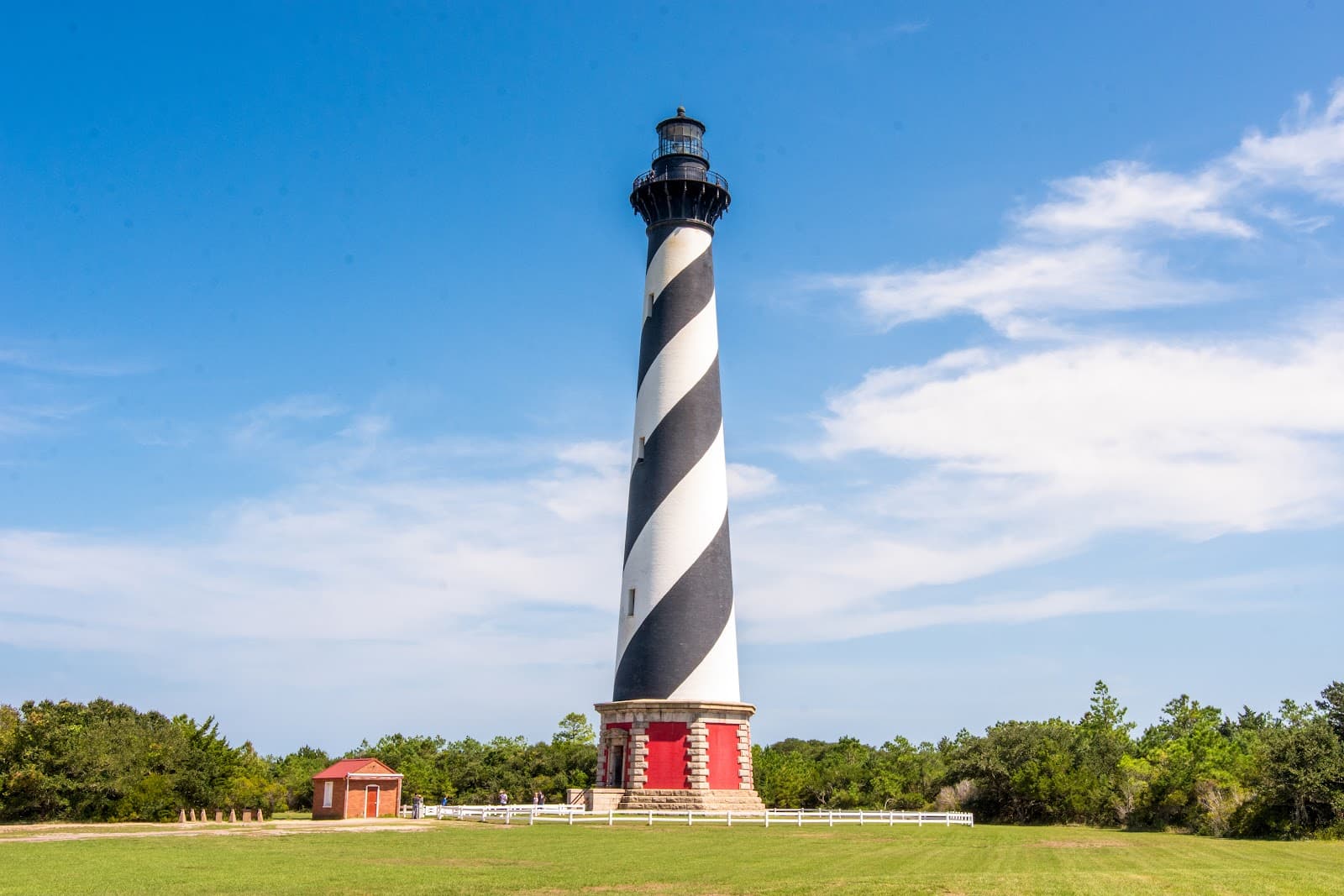
Cape Hatteras Lighthouse
Buxton
Iconic black and white striped lighthouse offering stunning views and a glimpse into maritime history.
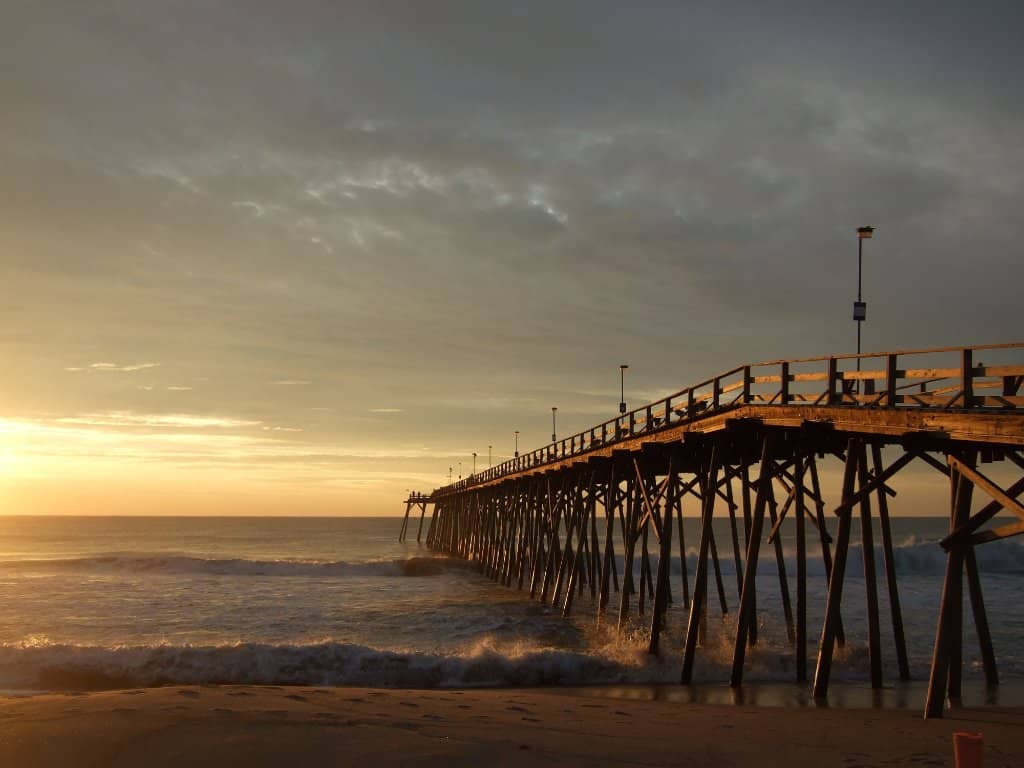
Off-Road Vehicle (ORV) Access Beaches
Various points along the Seashore
Experience remote beaches and pristine coastline by driving your 4x4 vehicle on designated ORV ramps.
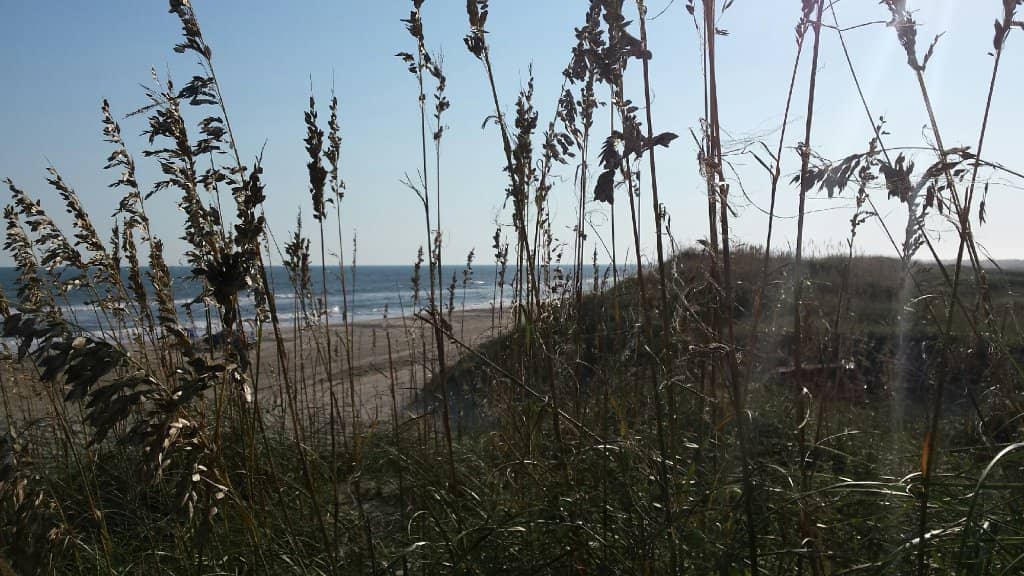
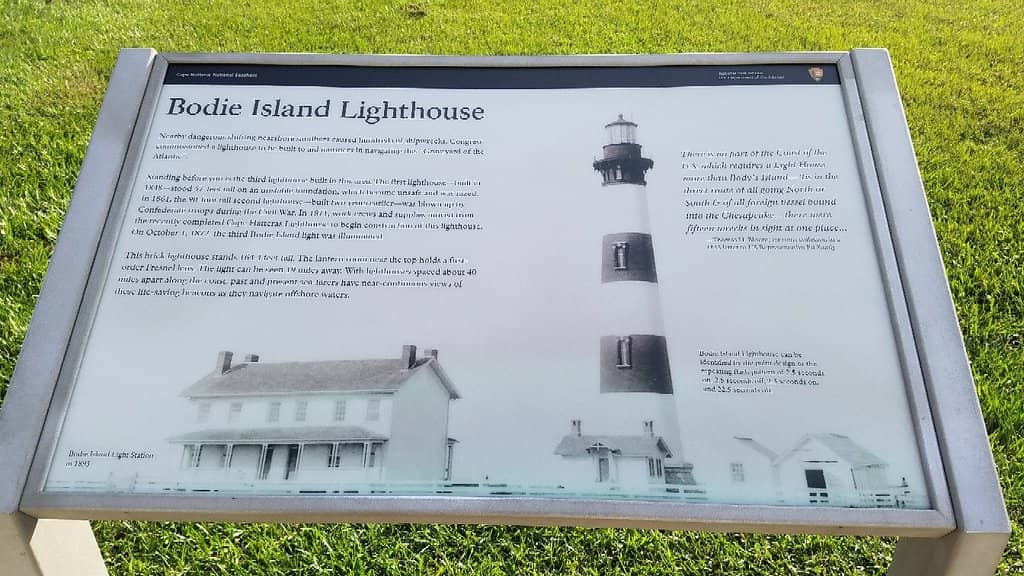
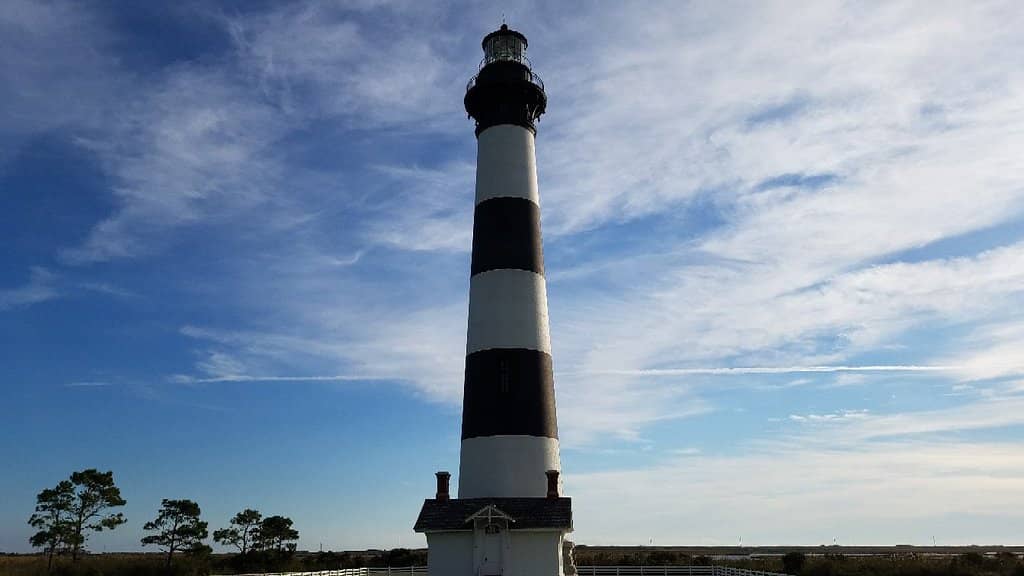
Bodie Island Lighthouse
Nags Head
A beautiful lighthouse offering climbing opportunities and panoramic views of the surrounding marshes and ocean.
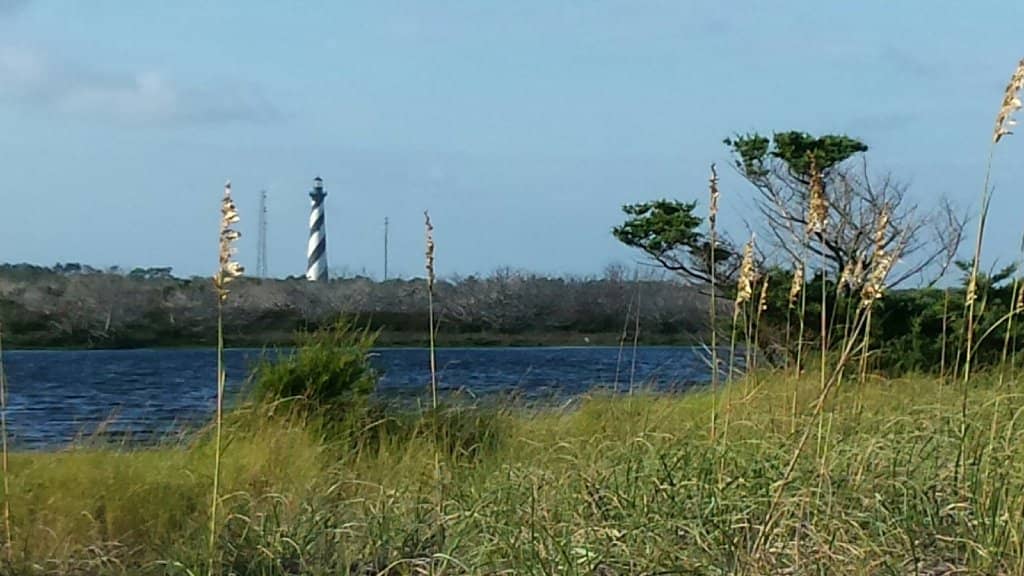
Ocracoke Island
Southern end of the Seashore
Accessible by ferry, this charming island offers a historic village, beautiful beaches, and a laid-back atmosphere.
Plans like a pro.
Thinks like you
Planning Your Visit
Coastal Erosion is Real
 +4
Hurricane Preparedness
+2Best Times
Insider Tips
from TikTok, Instagram & Reddit
🚗 ORV Beach Driving
Get an ORV permit for access to remote beaches. Check tide times and weather before heading out.
🐚 Shell Collecting
Early mornings after storms can yield amazing shell finds. Be respectful of the environment.
🔭 Stargazing
The dark skies here are incredible for astrophotography and viewing the Milky Way.
🏠 Coastal Erosion Awareness
Be mindful of beach erosion and house collapses, especially in Rodanthe and Buxton. Stay informed.
Tips
from all over the internet
🚗 ORV Beach Driving
Get an ORV permit for access to remote beaches. Check tide times and weather before heading out.
🐚 Shell Collecting
Early mornings after storms can yield amazing shell finds. Be respectful of the environment.
🔭 Stargazing
The dark skies here are incredible for astrophotography and viewing the Milky Way.
🏠 Coastal Erosion Awareness
Be mindful of beach erosion and house collapses, especially in Rodanthe and Buxton. Stay informed.
🚢 Ferry to Ocracoke
Plan your ferry trip to Ocracoke Island in advance, especially during peak season.
What Travellers Say
Reviews Summary
Visitors consistently praise the breathtaking natural beauty, iconic lighthouses, and opportunities for outdoor recreation like fishing and surfing. The wild, undeveloped beaches and the chance to drive on ORV access areas are major draws. However, some express concern over the increasing coastal erosion and the impact on beachfront properties, as well as the potential for road closures during severe weather.
What People Like
What People Dislike
Frequently Asked Questions
🚇 🗺️ Getting There
Cape Hatteras National Seashore is accessible by car via NC Highway 12. You can drive directly to Hatteras Island from the mainland. For Ocracoke Island, you'll need to take a ferry from Hatteras or Cedar Island.
NC Highway 12, the main road through the Seashore, can be subject to closures due to storms, flooding, and coastal erosion. Always check current road conditions before your trip. +1
No, standard vehicles are not allowed on most beaches within the Seashore. You need an Off-Road Vehicle (ORV) permit and a 4x4 vehicle to drive on designated ORV access beaches.
There are two main ferry routes: the Hatteras-Ocracoke ferry (free, runs frequently) and the Cedar Island-Ocracoke ferry (reservations recommended, fee applies).
Public transportation is limited. The Ocracoke Island shuttle is available, but getting around Hatteras Island generally requires a personal vehicle or bicycle.
🎫 🎫 Tickets & Entry
There is no entrance fee to access the general areas of Cape Hatteras National Seashore. However, permits are required for ORV beach driving and camping.
Visitor center hours vary seasonally. It's best to check the official Cape Hatteras National Seashore website for the most up-to-date operating hours for the Bodie Island, Hatteras Island, and Ocracoke visitor centers.
The cost of an ORV permit can vary. Check the National Park Service website for the current pricing and purchase options. Permits are typically valid for a year.
Yes, you can climb the Cape Hatteras Lighthouse during designated climbing seasons. Tickets are usually required and can sell out quickly, so it's advisable to purchase them in advance.
The Seashore itself does not have an entrance fee. Discounts may apply to camping fees or specific programs. Check with the National Park Service for any applicable passes or discounts.
🎫 🧭 Onsite Experience
Popular spots include the beaches near the Cape Hatteras Lighthouse, the ORV access areas for a more secluded experience, and the shores of Ocracoke Island.
Activities include swimming, surfing, fishing, kayaking, bird watching, exploring lighthouses, and driving on ORV beaches.
Ocean conditions can be unpredictable with strong currents and waves. Always swim in designated areas, heed lifeguard warnings, and be aware of rip currents.
While not extensive, there are nature trails and boardwalks, particularly around the visitor centers and lighthouses, offering opportunities to explore coastal habitats.
You might spot various shorebirds, sea turtles (during nesting season), dolphins, and even sharks. White sharks have been tagged and tracked in the waters here.
🍽️ 🍽️ Food & Dining
Dining options are limited within the Seashore itself. You'll find more restaurants in nearby towns like Buxton, Salvo, Rodanthe, and Ocracoke village.
Seafood is a staple, with fresh catches like shrimp, oysters, and local fish. Casual beachside cafes and seafood shacks are common.
Yes, picnicking is allowed in designated areas. Many visitors enjoy packing their own lunches to enjoy on the beach. Remember to pack out all trash.
Yes, there are grocery stores in the villages along Hatteras Island, including Buxton and Avon, where you can stock up on supplies for your visit.
Recommendations often include local seafood restaurants in Hatteras village and Ocracoke. Lee Robinson's General Store is a notable spot.
📸 📸 Photography
The Cape Hatteras Lighthouse, Bodie Island Lighthouse, dramatic sunrises and sunsets over the ocean, and the wild, undeveloped beaches are prime photography locations.
Absolutely! The low light pollution makes Cape Hatteras National Seashore an excellent location for capturing the Milky Way and starry skies.
A wide-angle lens for landscapes, a telephoto lens for wildlife, and a sturdy tripod for low-light conditions are recommended. Protect your gear from sand and salt spray.
Generally, photography is allowed, but be mindful of private property and any specific park regulations. Drone usage may be restricted.
The 'golden hours' around sunrise and sunset offer the most dramatic light. Midday can be harsh, but is good for capturing the vibrant blue of the ocean.
Social
from TikTok, Instagram & Reddit