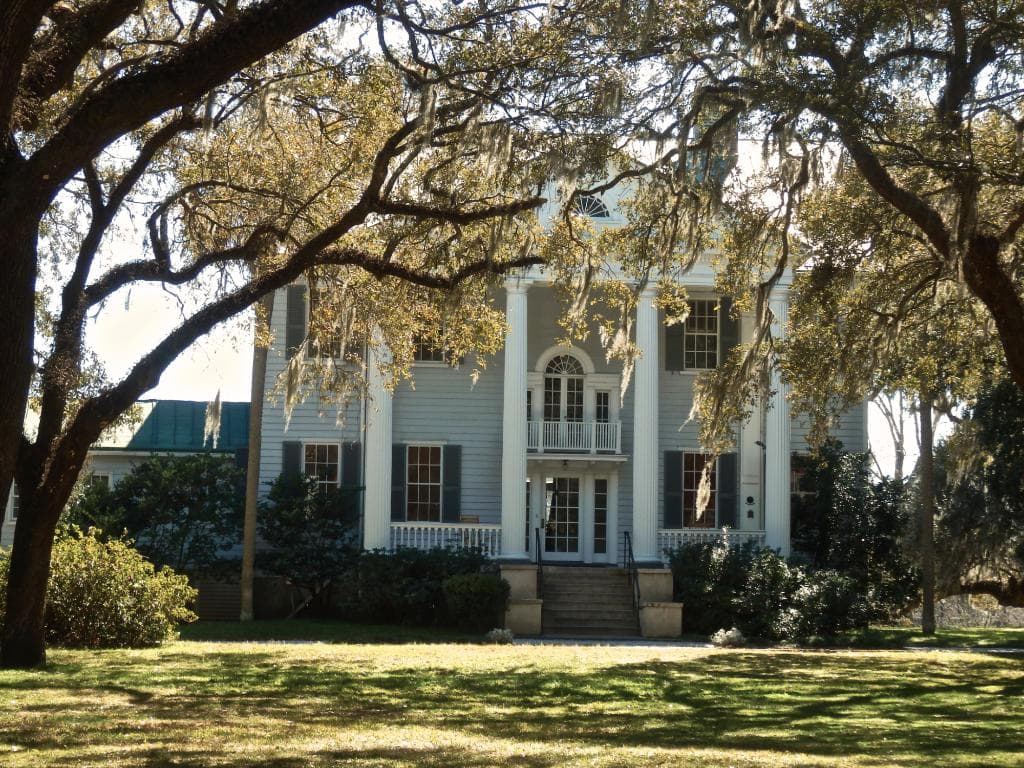
McLeod Plantation Historic Site
A preserved 37-acre Gullah/Geechee heritage site offering an accurate, respectful look at plantation history and enslaved lives.

Highlights
Must-see attractions

Social
From TikTok & Reddit
Best Time
Fewer crowds, more intimate experience.
McLeod Plantation Historic Site
Best Time
Fewer crowds, more intimate experience.
Highlights
Must-see attractions
A preserved 37-acre Gullah/Geechee heritage site offering an accurate, respectful look at plantation history and enslaved lives.
"An important and eye-opening experience that centers the humanity and reality of plantation history."
🎯 Take the Guided Tour
Essential for understanding the full, accurate history. Guides are knowledgeable and passionate.
🦟 Pack Bug Spray
Mosquitoes and other insects can be prevalent, especially in warmer months.
Quick Facts
Hours
Rating
4.5 · 1,924 reviews
Type
Historical Landmark
Highlights
Discover the most iconic attractions and experiences
Interpretive Tours
Gain deep insights into the lives of enslaved families and their descendants through engaging, historically accurate tours.

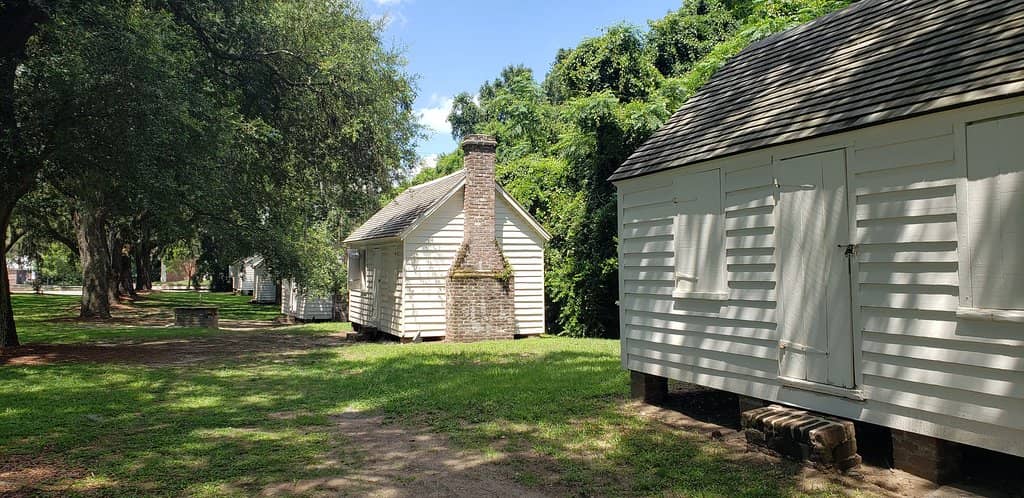
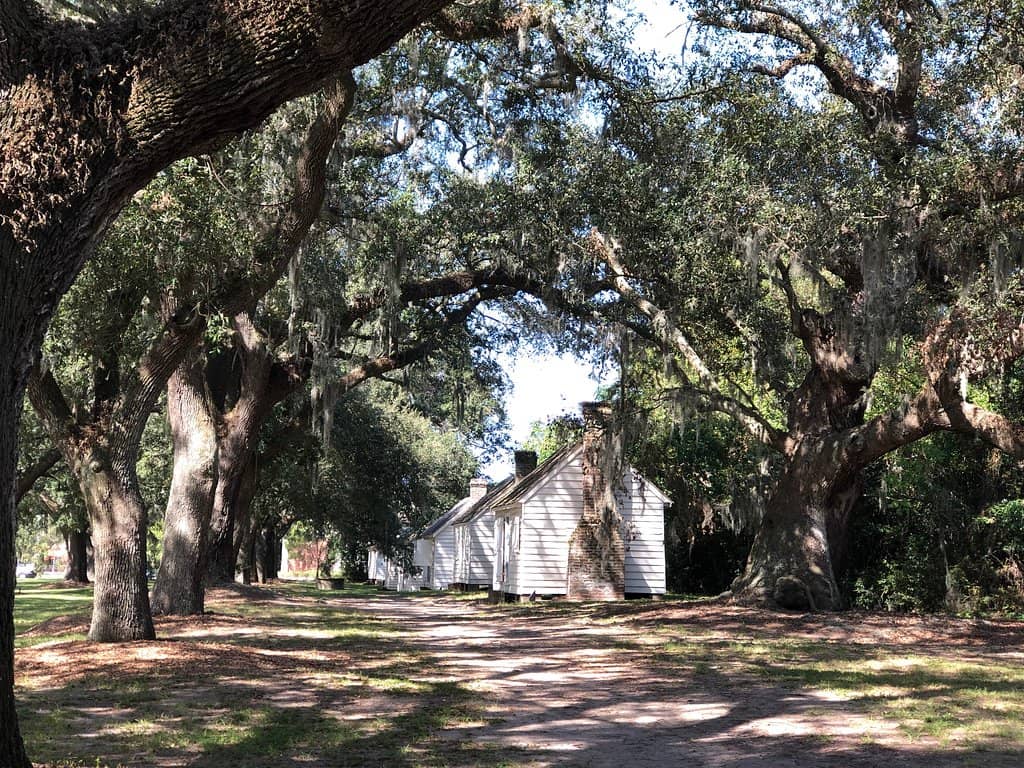
Slave Cabins
Explore the preserved cabins, offering a poignant glimpse into the living conditions of those who toiled on the plantation.

Georgian Mansion
Admire the architecture of the main house, which offers a look into the lives of the plantation owners.
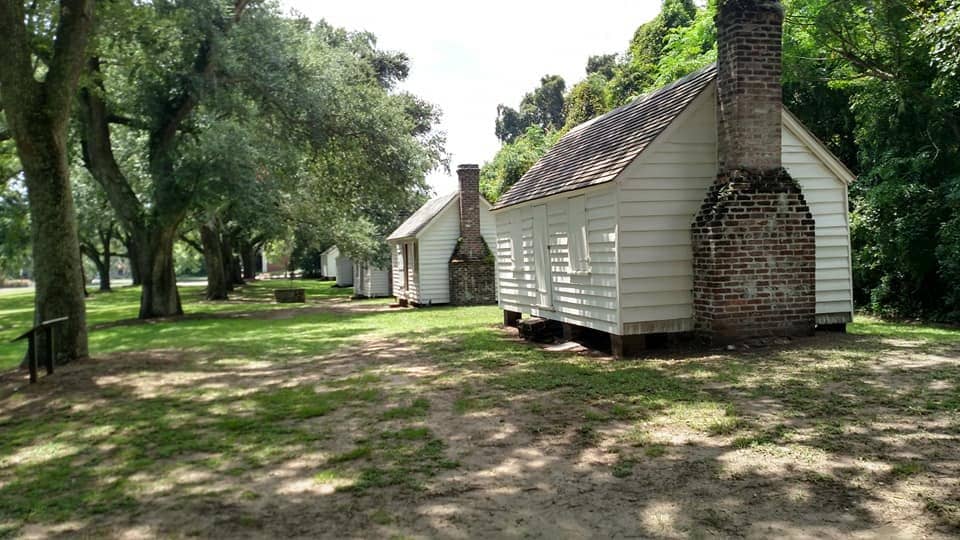
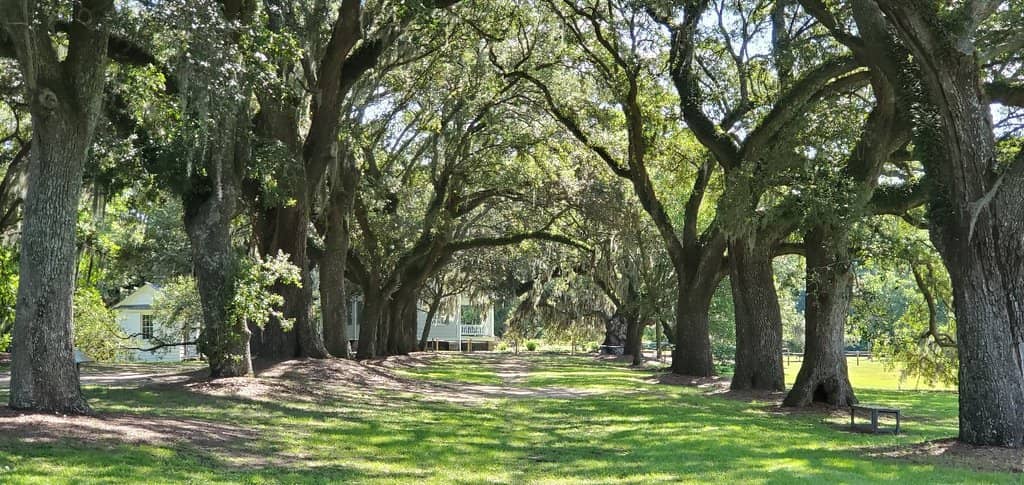
Oak Alley
Stroll beneath the majestic live oaks, a picturesque setting that adds to the site's historical ambiance.
Plans like a pro.
Thinks like you
Planning Your Visit
Focus on Authentic History
Plan for the Elements
Best Times
Insider Tips
from TikTok, Instagram & Reddit
🎯 Take the Guided Tour
Essential for understanding the full, accurate history. Guides are knowledgeable and passionate.
🦟 Pack Bug Spray
Mosquitoes and other insects can be prevalent, especially in warmer months.
👟 Wear Comfortable Shoes
You'll be walking on gravel paths and uneven terrain.
📸 Respectful Photography
Capture the beauty, but be mindful of the site's historical significance.
Tips
from all over the internet
🎯 Take the Guided Tour
Essential for understanding the full, accurate history. Guides are knowledgeable and passionate.
🦟 Pack Bug Spray
Mosquitoes and other insects can be prevalent, especially in warmer months.
👟 Wear Comfortable Shoes
You'll be walking on gravel paths and uneven terrain.
📸 Respectful Photography
Capture the beauty, but be mindful of the site's historical significance.
📚 Explore Gift Shop Resources
Find handouts and reading materials for continued learning after your visit.
What Travellers Say
Reviews Summary
Visitors consistently praise McLeod Plantation for its commitment to historical accuracy and its respectful portrayal of the lives of enslaved people and their descendants. The knowledgeable guides and the poignant stories shared make for a powerful and eye-opening experience. While admission is considered by some to be on the higher side, most feel the educational value and the importance of the history presented make it well worth the cost.
"If you’re interested in history and actually want to learn the full truth, visit here and take the tour. Not only was it interesting to learn how the slaves of McLeod Plantation lived, but also how their descendants have lived since then. It’s amazing and eye opening to learn of how recent the descendants were still living on the plantation and in what conditions.
Visit and learn about the McLeod family and The Gullah.
Our tour guide was a very nice and knowledgeable man. Suzanne was wonderful to speak with inside the home.
Well worth the price of admission and the time.
Tip…wear bug spray"
mrsr91899
"Tamara was a fantastic tour guide! She was extremely engaging and knowledgeable. Learnt a lot about the history of the enslaved people who used to live here. Admission is $20 and includes guided tour that leaves every hour or so."
Ant Wirjoprawiro
"Beautiful place, interesting history. The big house was impressive, but open only to first floor. Slave quarters were interesting to see, but observation is from the door only.
Interpretive tours available.
Admission was high, $20/adults. $6/children."
John Hall
What People Like
What People Dislike
Frequently Asked Questions
🚇 🗺️ Getting There
McLeod Plantation is located on James Island, a short drive from downtown Charleston. Visitors often drive, and parking is available on-site. Public transportation options might be limited, so checking local bus routes or considering ride-sharing services is advisable.
While specific routes can vary, it's generally recommended to check with Charleston Area Regional Transportation Authority (CARTA) for the most up-to-date information on bus routes that may serve James Island and get you close to the plantation.
The site is very walkable, with flat gravel paths. For those needing mobility assistance, golf carts are available to transport visitors around the grounds during tours.
Yes, ample parking is available for visitors at the McLeod Plantation Historic Site, making it convenient for those arriving by car.
Biking to McLeod Plantation is possible, but be sure to check local road conditions and bike lane availability. Secure bike parking may be available on-site.
🎫 🎫 Tickets & Entry
Admission typically includes a guided tour. As of recent information, adult tickets are around $20, with reduced prices for children. It's always best to check the official website for the most current pricing.
While walk-ins are often accommodated, booking tickets in advance, especially for guided tours, is highly recommended, particularly during peak season or weekends, to secure your spot.
McLeod Plantation Historic Site generally operates during daylight hours, with tours running at scheduled intervals. It's crucial to check their official website for the most up-to-date hours of operation, as they can vary seasonally.
Discounts may be available for children, seniors, or military personnel. Check the official McLeod Plantation website or inquire directly about any available concession rates.
It's worth investigating if any Charleston tourism passes or city cards include admission to McLeod Plantation. This can offer savings if you plan to visit multiple attractions.
🎫 🧭 Onsite Experience
You can explore the historic Georgian mansion (first floor), preserved slave cabins, Oak Alley, and the Sea Island Cotton Warehouse. Interpretive tours are a highlight, focusing on the lives of enslaved people and their descendants.
A visit, including the guided tour, usually lasts about an hour to an hour and a half. You might want to allow extra time to explore the grounds and visit the gift shop.
Generally, pets are not permitted within the historic buildings or on guided tours. Service animals are typically allowed. Always confirm the specific pet policy with the site directly.
Established in 1851, it's a significant Gullah/Geechee heritage site that witnessed crucial periods of American history, focusing on the experiences of enslaved African Americans and their descendants.
Photography is generally permitted on the grounds, but be respectful of the historical context. Flash photography might be restricted inside buildings.
🍽️ 🍽️ Food & Dining
McLeod Plantation typically does not have a full-service restaurant. Visitors are advised to bring their own snacks and water, or plan to dine before or after their visit in nearby Charleston.
Picnicking might be allowed in designated areas, but it's best to confirm this with the site. Bringing water is always a good idea, especially during warmer months.
Downtown Charleston offers a vast array of dining options, from casual cafes to upscale restaurants. James Island also has local eateries. Research restaurants in these areas for post-visit meals.
📸 📸 Photography
The Oak Alley, the exterior of the Georgian mansion, and the preserved slave cabins offer compelling photographic opportunities. The overall landscape also provides beautiful backdrops.
Drone usage is typically restricted at historical sites to preserve the atmosphere and for safety reasons. It's essential to check the site's specific regulations regarding drones before flying.
The site encourages respectful photography that captures the historical and cultural significance. Focus on the architecture, landscapes, and interpretive elements.
Photography inside the main house or other structures may be restricted, especially if flash is involved. Always look for signage or ask staff for guidance.
Late afternoon often provides beautiful 'golden hour' light, enhancing the atmosphere of the grounds. Early mornings can also offer softer light and fewer visitors.
You may also like

Magnolia Plantation and Gardens

Drayton Hall

Cannonborough–Elliotborough

Avery Research Center for African American History and Culture

Folly Beach

Caw Caw Interpretive Center
Magnolia Plantation and Gardens
Drayton Hall
Cannonborough–Elliotborough
Avery Research Center for African American History and Culture
Folly Beach
Caw Caw Interpretive Center

Angel Oak Tree

Middleton Place

International African American Museum

Old Slave Mart Museum

The Battery

Social
from TikTok, Instagram & Reddit