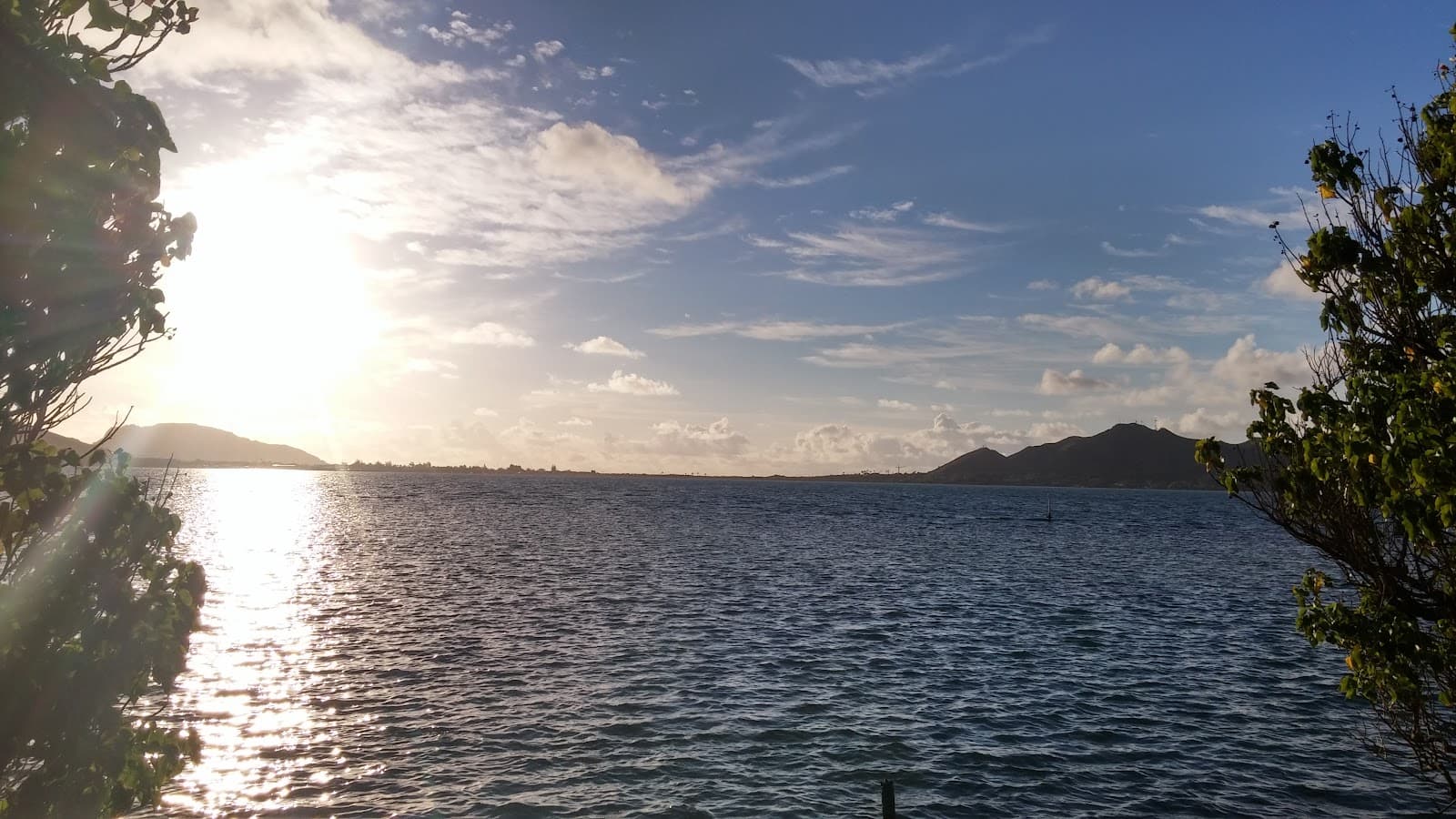
Coconut Island Moku o Loʻe
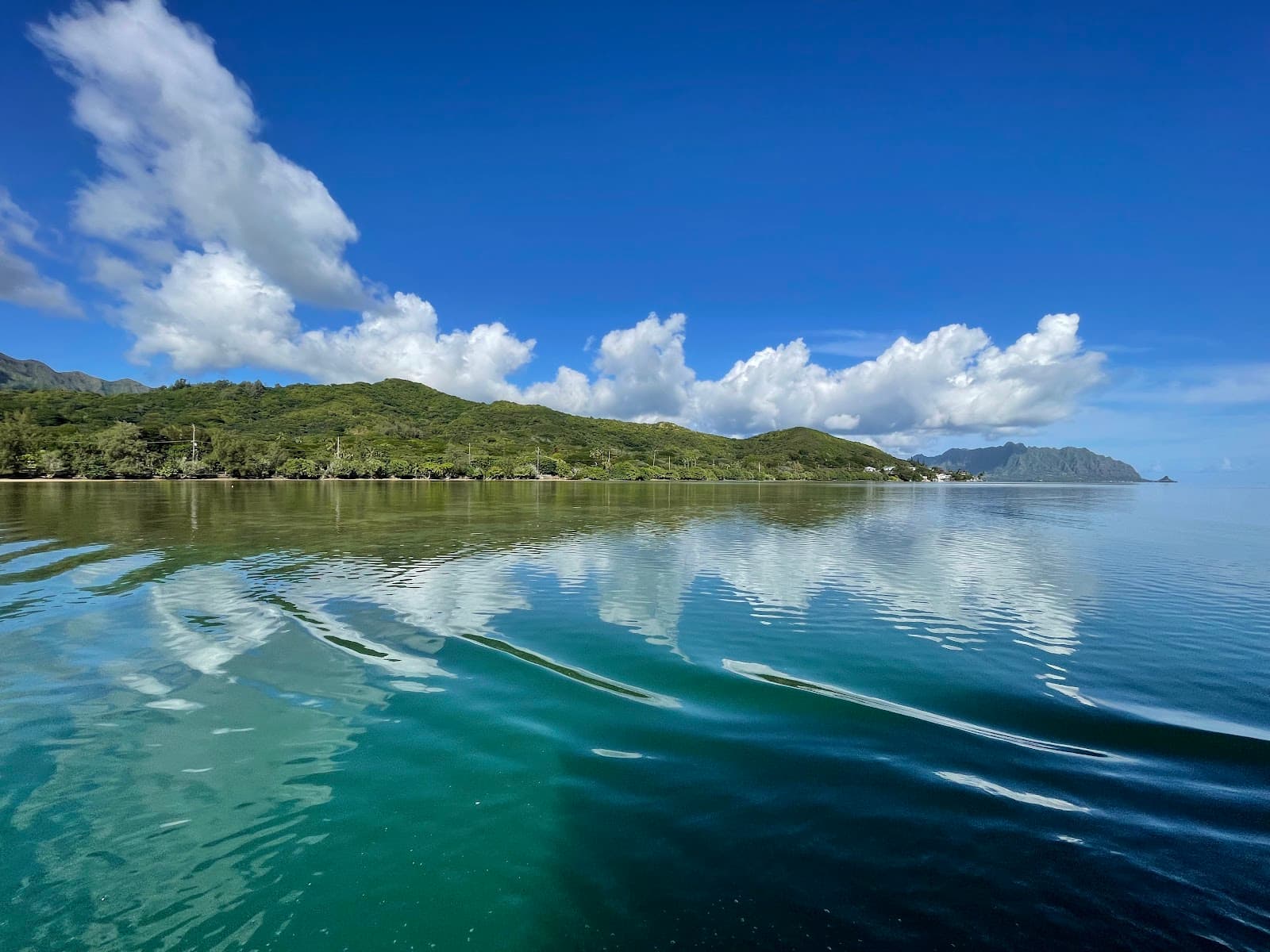
Moku o Lo'e (Coconut Island) is a marine research hub in Kaneohe Bay, offering stunning snorkeling and kayaking with vibrant reefs and marine life.
Highlights
Must-see attractions

Social
From TikTok & Reddit
Best Time
Fewer tour groups
Coconut Island Moku o Loʻe
Best Time
Fewer tour groups
Highlights
Must-see attractions
Moku o Lo'e (Coconut Island) is a marine research hub in Kaneohe Bay, offering stunning snorkeling and kayaking with vibrant reefs and marine life.
"Beautiful coral reefs with lots of fish and a couple of turtles. Nice for a kayaking and snorkeling day!"
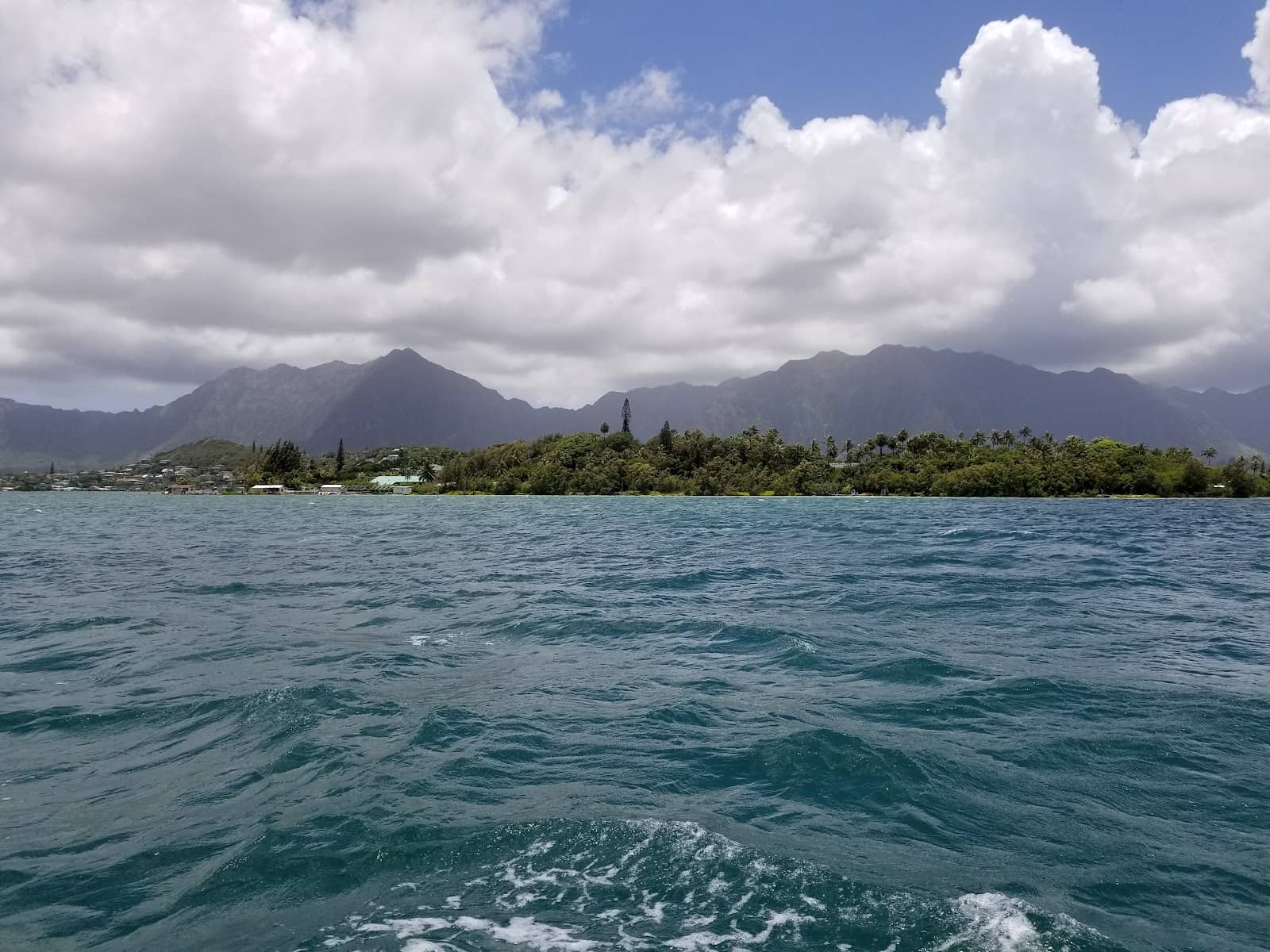
Plan Your Access
Access is usually via HIMB. Book tours or programs in advance! 🎟️
Snorkel Gear Recommended
Bring your own snorkel gear to explore the amazing reefs. 🎭
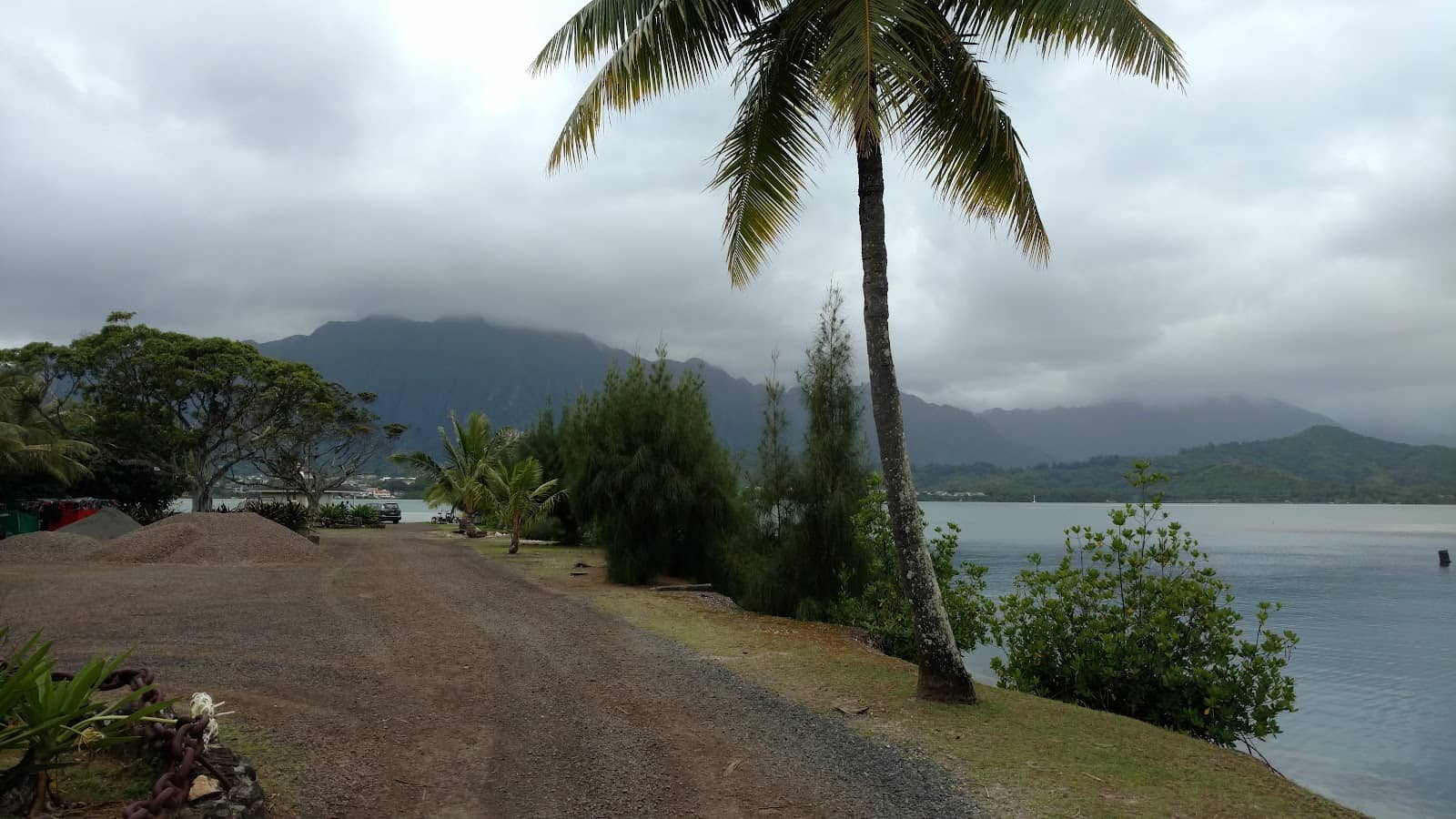
Quick Facts
Rating
5 · 15 reviews
Type
Natural Feature
Highlights
Discover the most iconic attractions and experiences
Kaneohe Bay Marine Life
Offshore waters
Discover vibrant coral reefs teeming with fish and the occasional sea turtle. A snorkeler's paradise!
Hawai'i Institute of Marine Biology
Island interior
Explore the research facilities and learn about marine science at this vital educational hub.
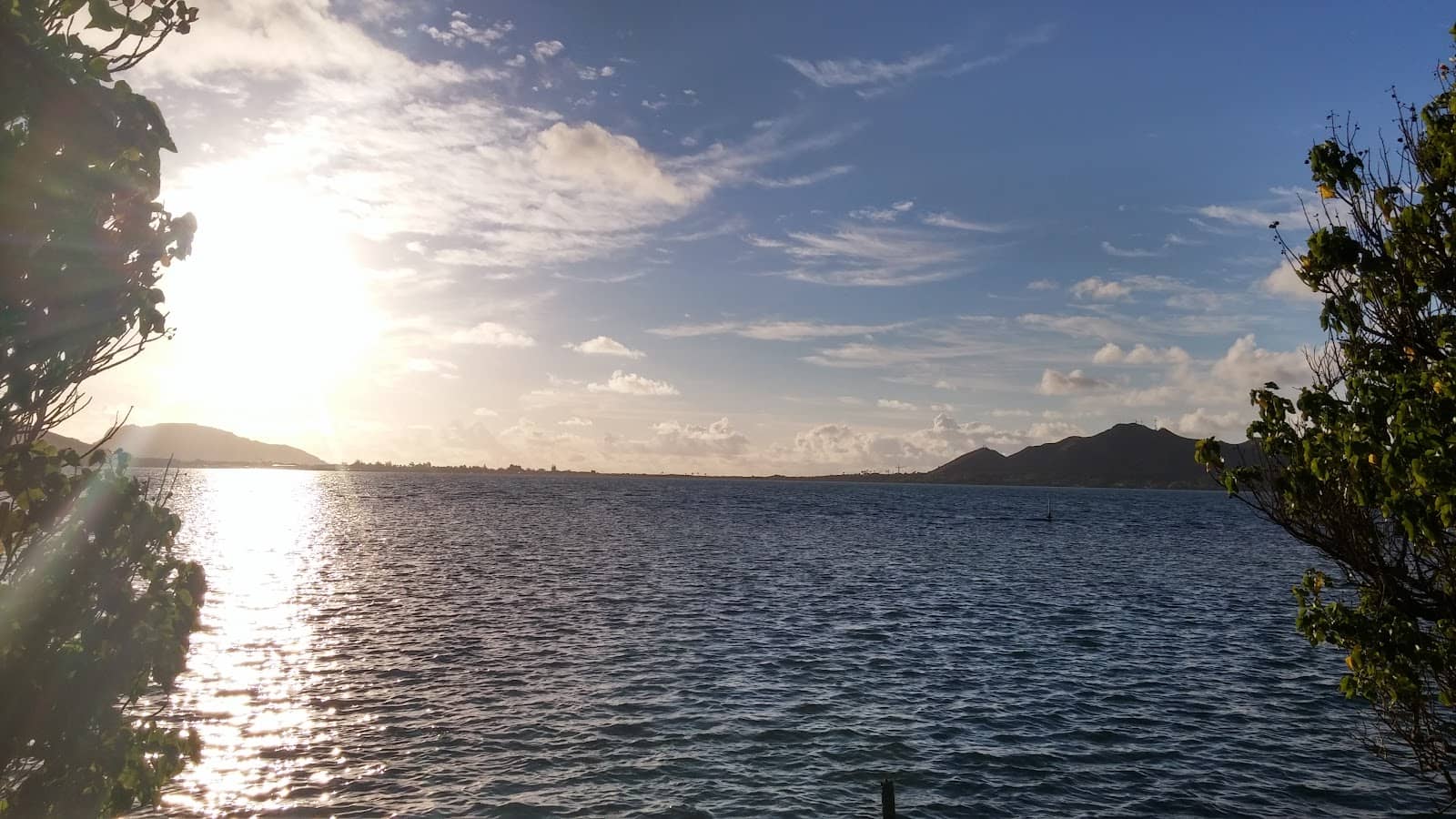
Coconut Palm Groves
Island perimeter
Stroll through lush groves of coconut trees, offering scenic beauty and a tropical ambiance.
Plans like a pro.
Thinks like you
Planning Your Visit
Accessing Coconut Island
Best Way to Experience Moku o Lo'e
Best Times
Insider Tips
from TikTok, Instagram & Reddit
Plan Your Access
Access is usually via HIMB. Book tours or programs in advance! 🎟️
Snorkel Gear Recommended
Bring your own snorkel gear to explore the amazing reefs. 🎭
Respect Marine Life
Observe turtles and fish from a distance; never touch them. 🐢
Island History
Learn about its significance, from Princess Puahi Bishop to marine research. 📜
Sea turtle rescue (Hawaii) The one time its okay to touch a Honu
Helped a DLNR guy cut leaders off a honu in Kaneohe Bay back when I worked on Moku o Loe. All we had was my Leatherman to work with over the side of a Boston Whaler. At first he was panicky, but as we cut the leaders off he calmed down and stopped struggling. He was cut up…
Tips
from all over the internet
Plan Your Access
Access is usually via HIMB. Book tours or programs in advance! 🎟️
Snorkel Gear Recommended
Bring your own snorkel gear to explore the amazing reefs. 🎭
Respect Marine Life
Observe turtles and fish from a distance; never touch them. 🐢
Island History
Learn about its significance, from Princess Puahi Bishop to marine research. 📜
What Travellers Say
Reviews Summary
Visitors rave about the stunning natural beauty of Moku o Lo'e, particularly the vibrant coral reefs and abundant marine life perfect for snorkeling and kayaking. The island's role as a marine research facility adds an educational dimension, though access is restricted and requires prior arrangements. Some note the island's historical significance and its picturesque coconut groves.
"Beautiful coral reefs with lots of fish and a couple of turtles. Nice for a kayaking and snorkeling day!"
Javier Gómez García
"I once lived on Mahalani Circle on the bay and could see the island from our dock and lanai. Going closer on the Prindle Cat 17 we kept on the dock, the island presents itself through the windward side rains and mists as a low lying coral island covered in coconut palm groves and several large low lying buildings. There are dock complexes on the north side that looked like they could handle crew boat size commercial boats as well as small boats . Approaching the island from the north, one is soon skimming over a shallow reef . To the west there is an unmarked channel between the island and the shore. It looks like a decent research facility and an idyllic sanctuary.
Immediately offshore from the shoreline where Mahalani Cirkle lies facing the island there is an area of deeper water. One morning we woke up to find our neighbors brother was anchored 100 yards away in a C &C 40 after a passage from San Diego. Amazing area."
William Fraser
"Did you know that this is also the island shown in the opening sequence for the Gilligans Island TV series? Yes, this is Gilligans Island!"
Bret Cox
What People Like
What People Dislike
Frequently Asked Questions
🚇 🗺️ Getting There
Access to Moku o Lo'e (Coconut Island) is primarily managed by the Hawai'i Institute of Marine Biology (HIMB). Visitors typically need to arrange access through HIMB for tours or educational programs. Spontaneous visits are generally not permitted. Kayaking or boat tours that circle the island are another way to see it from the water.
No, Coconut Island is a small island in Kaneohe Bay and is not accessible by car. Access is typically by boat or by arranging a visit through HIMB.
Kayaking and small boat rentals are popular for exploring Kaneohe Bay and getting close to Moku o Lo'e. Some tour operators may also offer trips that include views or stops near the island.
Parking is available on the mainland near Kaneohe Bay, from where you would typically launch a kayak or board a boat for access to Moku o Lo'e. Specific parking details depend on your chosen access method.
There are no public ferries to Coconut Island. Access is restricted and usually requires prior arrangement with the Hawai'i Institute of Marine Biology.
🎫 🎫 Tickets & Entry
Yes, you generally need to arrange access through the Hawai'i Institute of Marine Biology (HIMB) for tours or educational programs. Spontaneous entry is not allowed.
Moku o Lo'e is a research facility, so there are no public 'opening hours' in the traditional sense. Access is by appointment or during scheduled program times.
Costs vary depending on the type of access. Educational programs or specific tours organized by HIMB will have associated fees. Check with HIMB directly for current pricing.
No, you cannot simply walk onto Coconut Island. It is a restricted area managed by HIMB for research purposes. Prior arrangements are necessary.
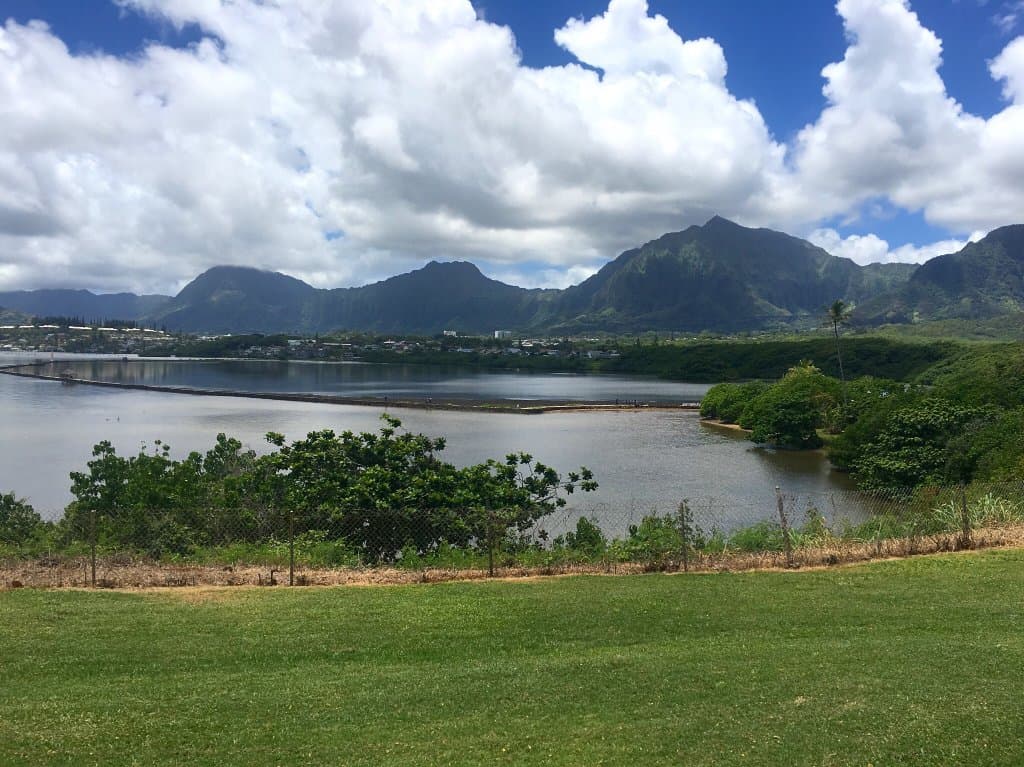
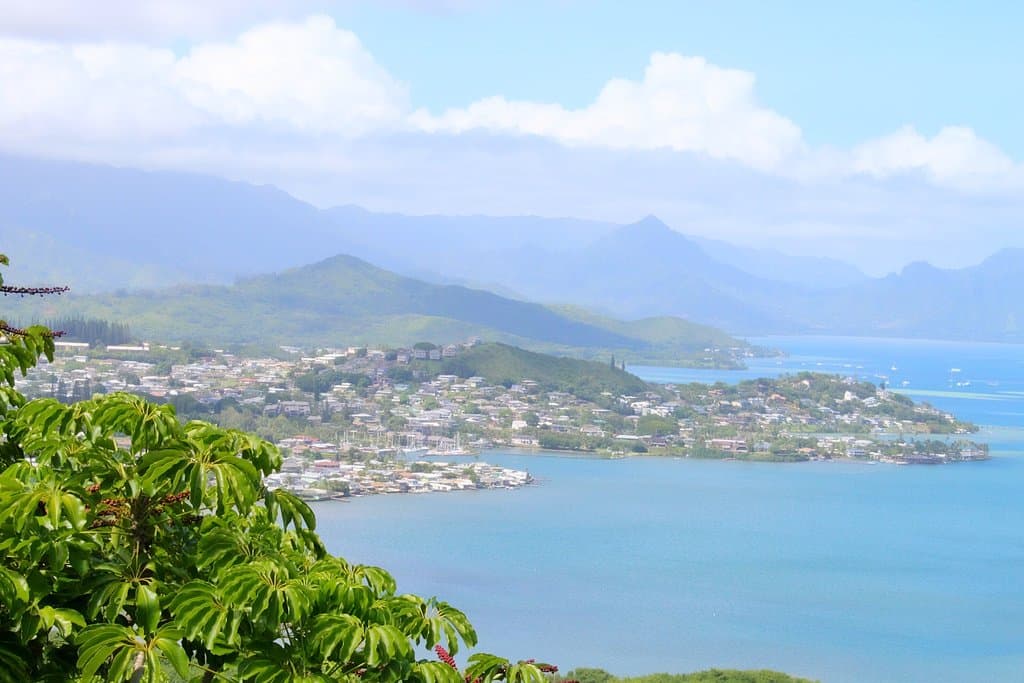
While direct access is restricted, you can often see Coconut Island from the shores of Kaneohe Bay or by kayaking around its perimeter, offering scenic views without landing.
🎫 🐠 Onsite Experience
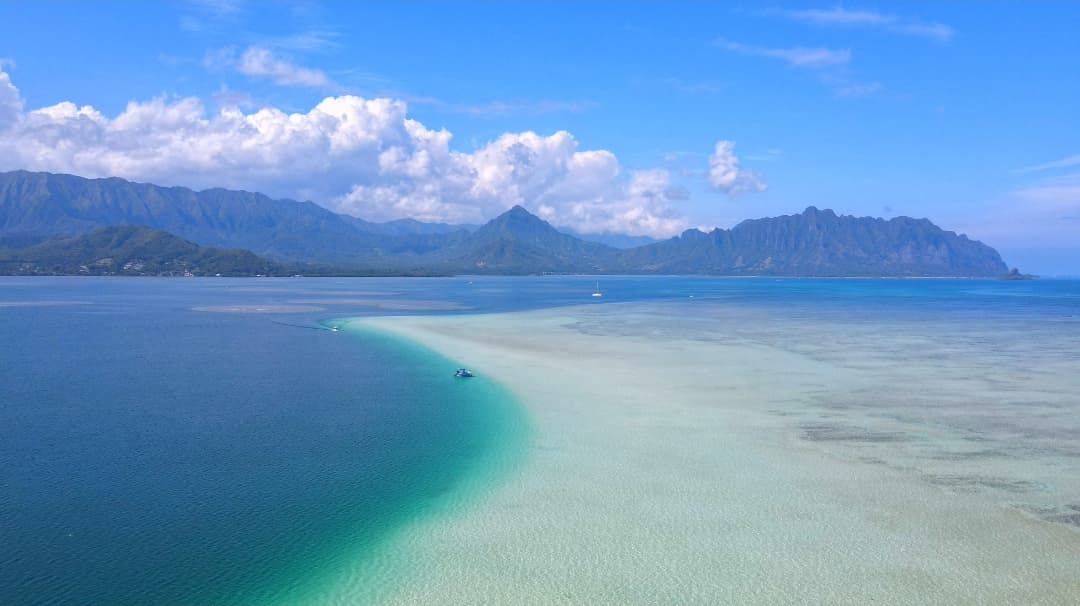
The waters immediately surrounding Moku o Lo'e are known for beautiful coral reefs and abundant marine life, making it excellent for snorkeling. You might see fish and turtles.
Visitors can expect to see a variety of tropical fish, coral formations, and potentially sea turtles in the waters around the island. HIMB also conducts research on marine mammals.
Yes, the Hawai'i Institute of Marine Biology sometimes offers guided tours or educational programs that allow visitors to learn about their research and the island's ecosystem. 
Activities are centered around marine science education and observation. Snorkeling and kayaking in the surrounding bay are popular ways to experience the area.
Yes, especially through organized educational programs. High school students have participated in marine science programs there, highlighting its educational value for younger visitors.
📸 📸 Photography
Capture stunning shots of the island's coconut groves, the marine research facilities, and the panoramic views of Kaneohe Bay. Snorkeling underwater shots are also incredible.
Yes, you can take photos of the marine life, but always maintain a respectful distance and avoid disturbing the animals. Underwater cameras are great for capturing reef scenes.
While general photography for personal use is usually fine, be mindful of research activities and sensitive areas. Always ask permission if unsure, especially around labs.
Early mornings and late afternoons often provide softer light for photography, minimizing harsh shadows and enhancing the tropical ambiance of the island and bay.
Drone usage is likely restricted due to it being a research facility and potentially near protected marine areas. It's best to check with HIMB directly before attempting to fly a drone.
Social
from TikTok, Instagram & Reddit