Little Bighorn Battlefield National Monument
Site of Custer's Last Stand, honoring both U.S. soldiers and Native American warriors in a profound historical landscape.
Highlights
Must-see attractions

Social
From TikTok & Reddit
Best Time
Fewer crowds, pleasant weather
Little Bighorn Battlefield National Monument
Best Time
Fewer crowds, pleasant weather
Highlights
Must-see attractions
Site of Custer's Last Stand, honoring both U.S. soldiers and Native American warriors in a profound historical landscape.
"A must-visit, moving, and sacred site that tells the story of both sides of the battle."
🚗 Drive the Tour Road
Take your time on the 4.5-mile loop to see key points and understand the battle's scope. 🚗
🎧 Listen to the Audio Tour
Enhance your visit with historical context for specific points on your phone. :iphone:

Quick Facts
Hours
Rating
4.7 · 5,554 reviews
Type
Monument
Highlights
Discover the most iconic attractions and experiences
Custer's Last Stand
Main Battlefield
Witness the iconic site where Lt. Col. Custer and his men made their final stand against overwhelming odds.
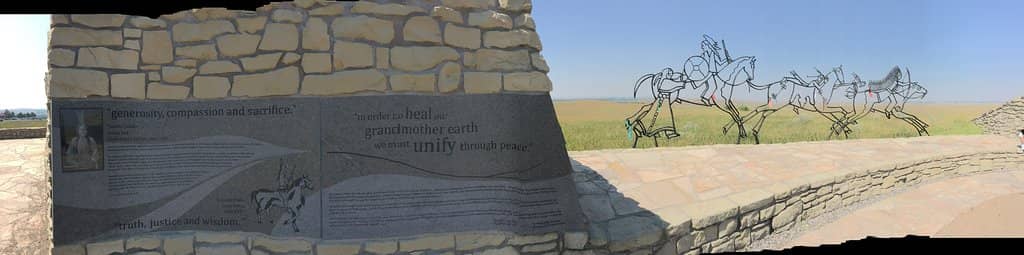
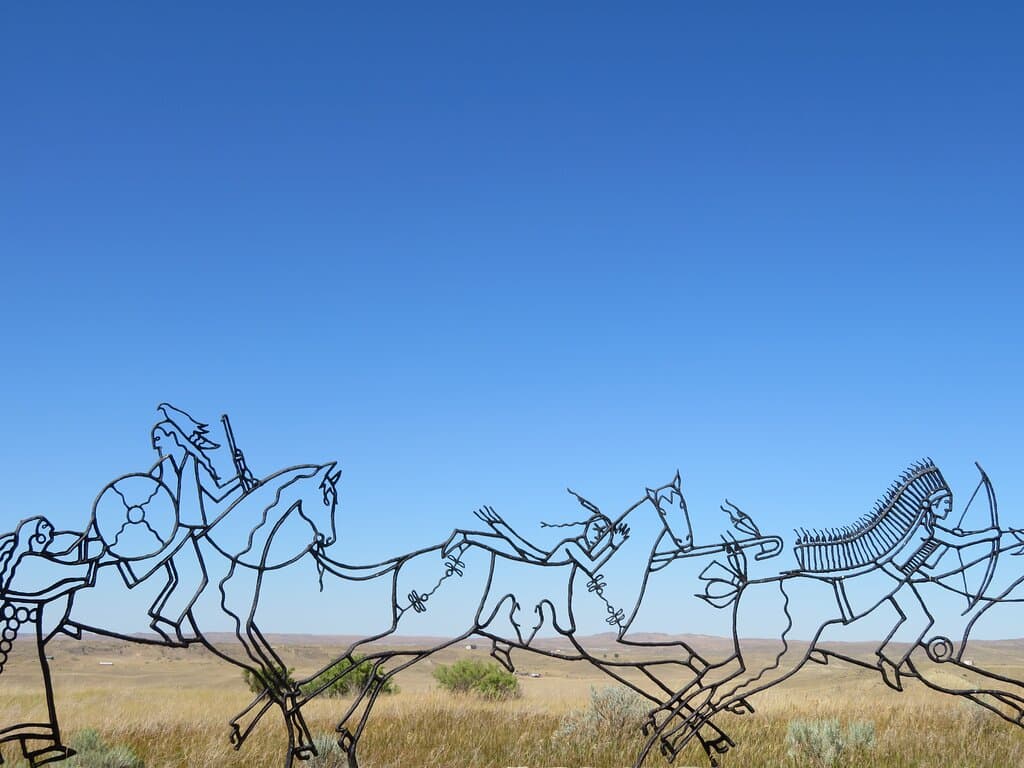
Indian Memorial
Near the Visitor Center
A powerful tribute to the Lakota, Cheyenne, and Arapaho warriors who fought to preserve their way of life.
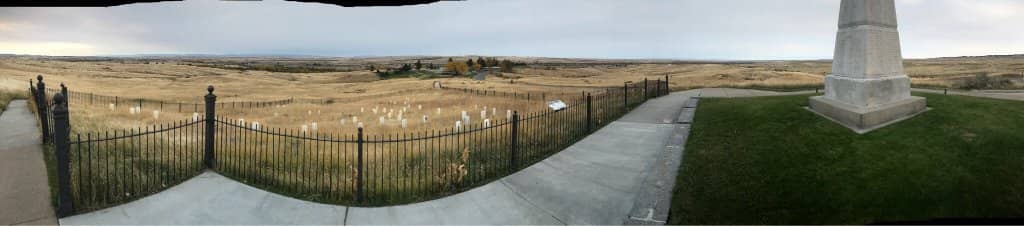
Reno-Benteen Battlefield
Tour Road Loop
Explore the area where other units of the 7th Cavalry fought, offering a broader perspective of the battle.
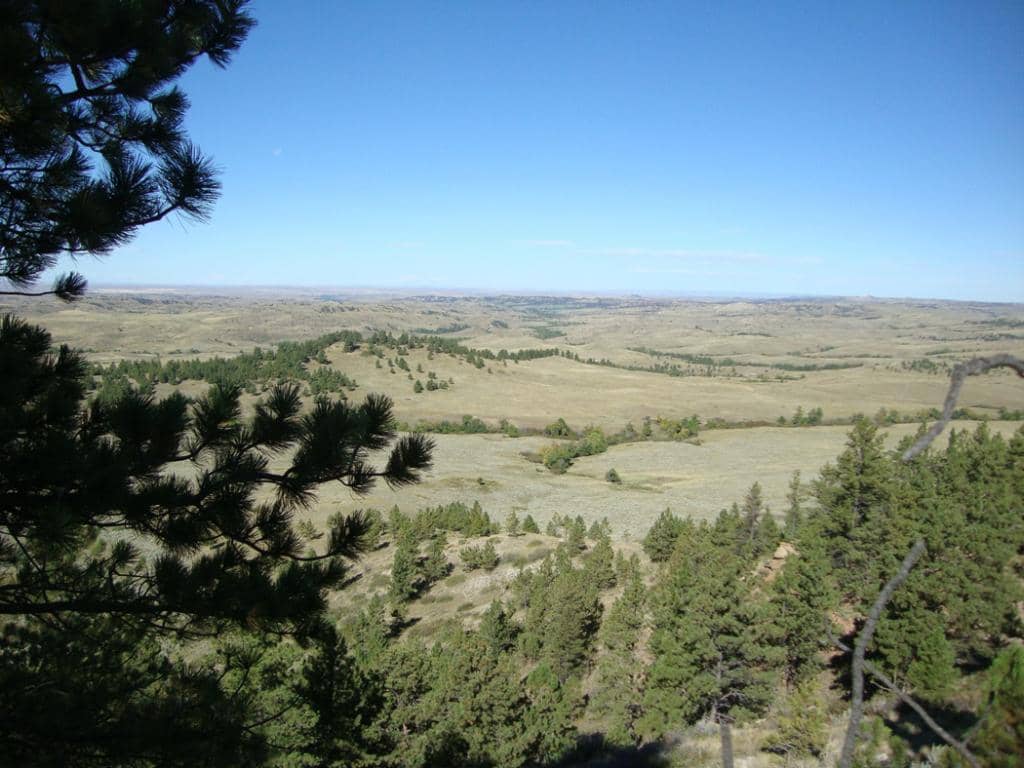
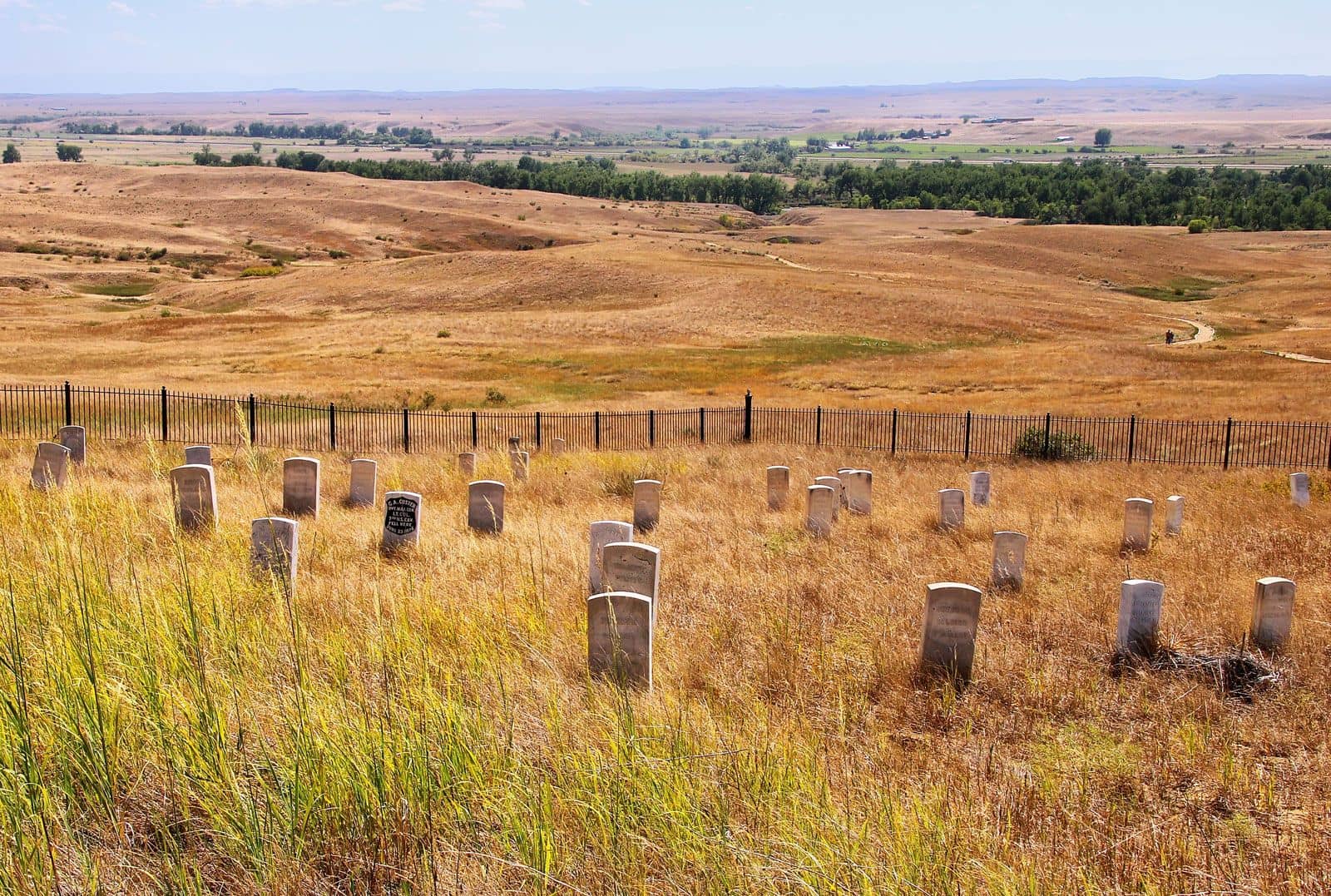
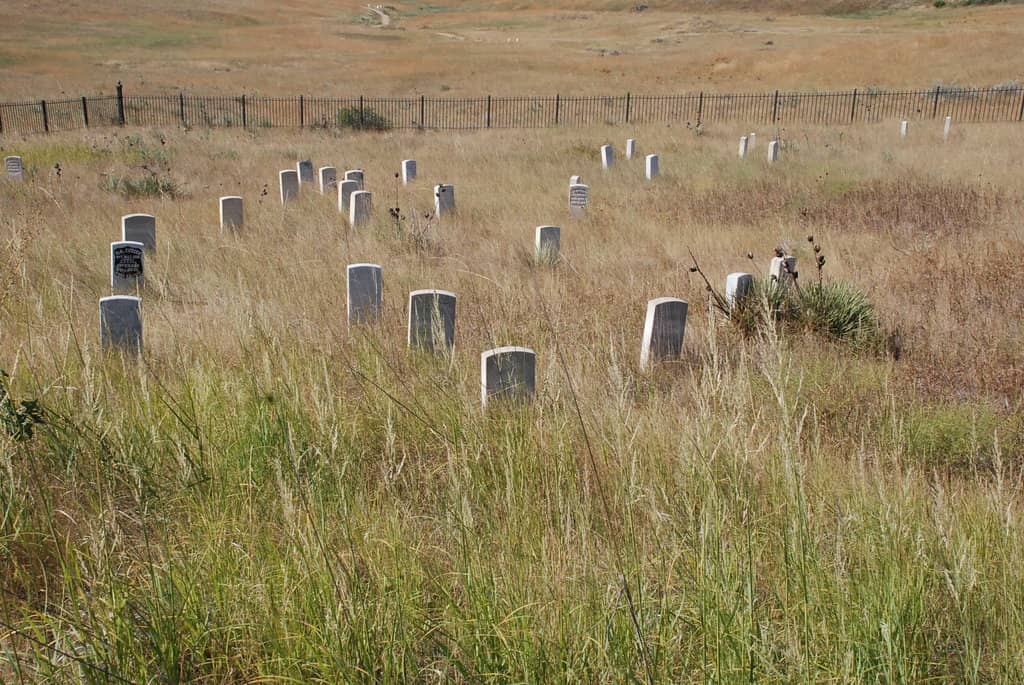
Custer National Cemetery
Adjacent to the Visitor Center
A solemn reminder of the costs of war, with rows of headstones marking the resting places of soldiers.
Plans like a pro.
Thinks like you
Planning Your Visit
Timing is Everything
Embrace Both Perspectives
Best Times
Insider Tips
from TikTok, Instagram & Reddit
🚗 Drive the Tour Road
Take your time on the 4.5-mile loop to see key points and understand the battle's scope. 🚗
🎧 Listen to the Audio Tour
Enhance your visit with historical context for specific points on your phone. :iphone:
🚶♀️ Wear Comfortable Shoes
You'll be doing a lot of walking on uneven terrain. :athletic_shoe:
🤝 Respect the Sacred Ground
This is a place of remembrance for all involved. Be mindful and respectful. 🙏
Tips
from all over the internet
🚗 Drive the Tour Road
Take your time on the 4.5-mile loop to see key points and understand the battle's scope. 🚗
🎧 Listen to the Audio Tour
Enhance your visit with historical context for specific points on your phone. :iphone:
🚶♀️ Wear Comfortable Shoes
You'll be doing a lot of walking on uneven terrain. :athletic_shoe:
🤝 Respect the Sacred Ground
This is a place of remembrance for all involved. Be mindful and respectful. 🙏
📚 Visit the Bookstore
Find insightful books and learn more about the battle's history. 📚
What Travellers Say
Reviews Summary
Visitors consistently describe Little Bighorn Battlefield National Monument as a moving and sacred site, appreciating the balanced historical narrative that honors both the U.S. soldiers and the Native American tribes. Many highlight the profound impact of the memorials and the importance of understanding the battle from all perspectives. Some note that it can get crowded during peak season and recommend visiting early or late.
"What an amazing experience. Take the tour with the tour guide. It's worth it and you won't regret it. There is lots to see and read. You can even use your cell phone and listen to the historical context that pertains to that specific historical point. Take your time and enjoy history. I would advise going early to mid June. I was there in mid July and it was packed."
Jon Reed
"Old West historic landmark. Was an honor to visit this sacred site. A must visit if you're in the area. Love the fact that they "now" tell the story of both sides of the battle. First part of the tour is the main Little Bighorn Battlefield and Custer's last stand. You then drive your own vehicle the 4.5 mile loop to the Reno-Benteen Battlefield area and then back to where you started. Please drive slow and safely since it's a very narrow road. There are "point of interest" parking areas along the route."
David Farley
"Been wanting to visit the battlefield for a long time, and it was as interesting as I had hoped. Visitor Center is very small and is mainly a gift shop and restrooms, but a new one is currently under construction.
We were struck by how large the battlefield is in area, and touched by the individual markers that note where soldiers and Native Americans fell throughout the site.
There is a paved road that extends the length of the battlefield, and there are numerous pull-off areas that feature kiosks with info on significant points of the battlefield.
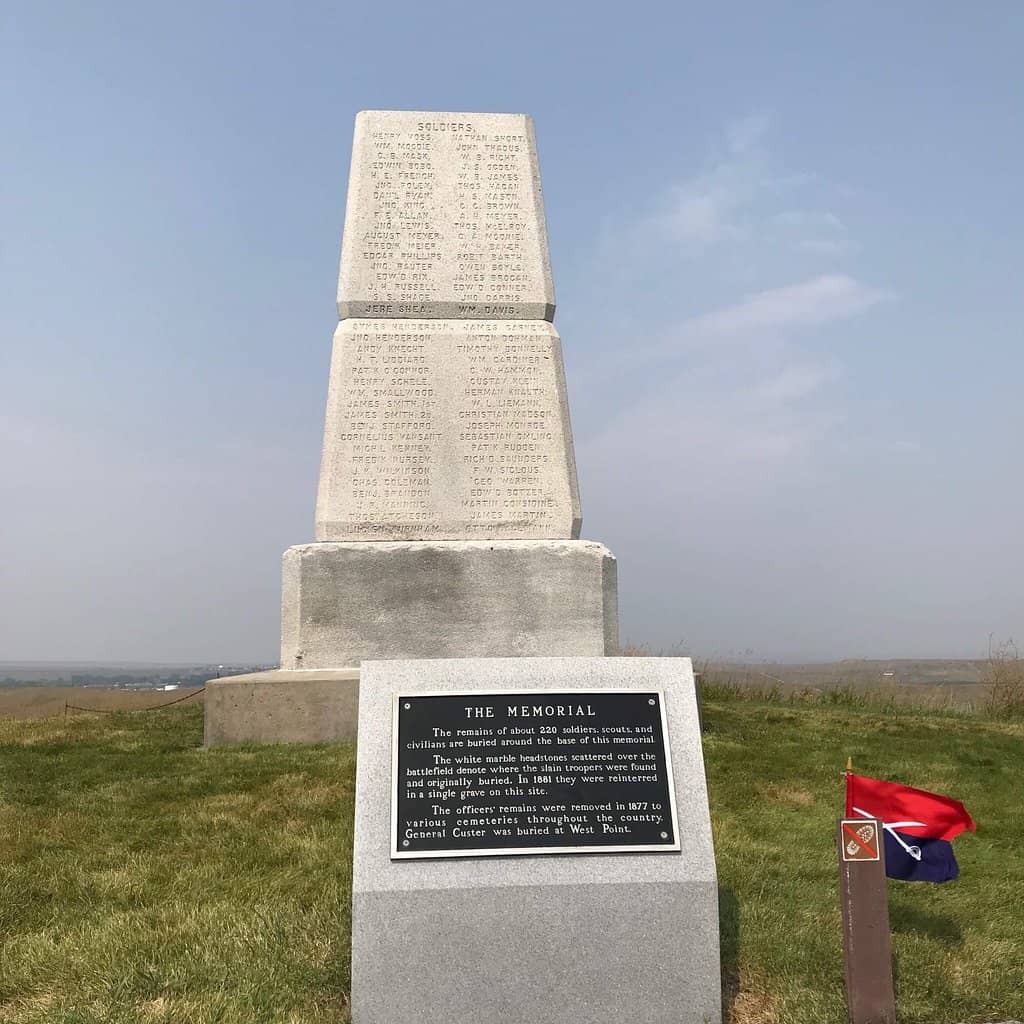
There’s a large memorial for the 7th Calvary and a striking Indian Memorial at the beginning of the road.
Very interesting part of our history that deserves a visit."
Cindy Sheets
What People Like
What People Dislike
Frequently Asked Questions
🚇 🗺️ Getting There
The monument is located in southeastern Montana, near Crow Agency. It's accessible via I-90. Take Exit 504 for MT-470 S towards Crow Agency/Little Bighorn Battlefield. Follow signs for the monument. Many visitors arrive by car as part of a road trip through Montana. 
Yes, it's a significant stop for those traveling through Montana, often included in road trips between North Dakota and Wyoming. It's a key point of interest for history buffs exploring the American West.
Pets are allowed on the grounds and in the cemetery but must be leashed and cannot enter buildings. They are welcome on the tour road and battlefield trails.
From Billings, take I-90 East for about 60 miles. Take Exit 504 for MT-470 S towards Crow Agency/Little Bighorn Battlefield. The monument is well-signed from the highway.
Public transportation directly to the monument is very limited. It is primarily a destination for those traveling by personal vehicle or tour bus.
🎫 🎫 Tickets & Entry
There is an entrance fee per vehicle, which is valid for 7 days. Check the official National Park Service website for current fees and any potential discounts or passes.
The monument grounds are typically open daily from dawn to dusk. The Visitor Center and bookstore have specific operating hours, which can vary seasonally. Always check the NPS website before your visit.
Advance booking is generally not required for entry to the monument itself. However, if you plan to take a guided tour with a specific company, it's advisable to book in advance, especially during peak season.
The audio tour, accessible via your smartphone, is usually included with your entrance fee or available for a small fee. Ranger programs are often free, but check the schedule upon arrival.
While buildings like the Visitor Center may be closed, the grounds and cemetery are typically accessible from dawn to dusk. However, it's best to confirm operating status to avoid disappointment.
🎫 🧭 Onsite Experience
You can explore the main battlefield where Custer fell, the Indian Memorial, the Reno-Benteen Battlefield via a scenic drive, and Custer National Cemetery. Informative exhibits and ranger talks provide historical context.
Plan for at least 2-3 hours to drive the tour road, visit the memorials, and explore the visitor center. History enthusiasts might spend half a day or more.
Yes, you can often join guided tours led by park rangers or licensed guides. These tours offer in-depth historical narratives and are highly recommended for a comprehensive understanding.
Driving the 4.5-mile tour road is essential. Consider using the audio tour on your phone to get historical context at each stop. Walking the battlefield itself offers a profound connection to the past.
The Visitor Center and Indian Memorial are generally accessible. The tour road has pull-offs, but some areas of the battlefield may have uneven terrain. Check with the park for specific accessibility details.
🍽️ 🍽️ Food & Dining
There are no food services or restaurants within the monument itself. It's recommended to bring your own snacks and drinks or plan to eat in nearby towns like Crow Agency or Hardin.
Picnicking is permitted in designated areas. It's a great way to enjoy the scenery while taking a break. Remember to pack out all your trash.
Crow Agency and Hardin offer basic dining options, including fast food and local diners. For more variety, you might need to travel further to cities like Billings.
Yes, there is a park store, often managed by Western National Parks Association, offering books, souvenirs, and educational materials related to the battle and Native American history.
Given the limited services, pack plenty of water, especially during warmer months, and snacks or a packed lunch to ensure you stay energized throughout your visit.
📸 📸 Photography
The Indian Memorial offers striking architectural shots. The vast battlefield landscapes, especially during sunrise or sunset, are stunning. The rows of headstones in Custer National Cemetery are also poignant.
No, drone operations are prohibited within all National Park Service areas, including Little Bighorn Battlefield National Monument, to protect wildlife and preserve the visitor experience.
Early morning and late afternoon offer the best light for photography, with softer shadows and warmer tones. Sunrise and sunset can be particularly dramatic over the open plains.
While general photography is encouraged, be respectful of the solemn nature of the site. Avoid intrusive photography of other visitors and always adhere to park regulations.
A wide-angle lens is great for capturing the expansive landscapes. A telephoto lens can be useful for focusing on distant monuments or wildlife. A tripod can help with low-light conditions.
Social
from TikTok, Instagram & Reddit