Grand Loop Road Yellowstone National Park
Yellowstone's Grand Loop Road connects a world of geothermal wonders, abundant wildlife, and breathtaking landscapes.

Highlights
Must-see attractions

Social
From TikTok & Reddit
Best Time
Best for wildlife & fewer crowds
Grand Loop Road Yellowstone National Park
Best Time
Best for wildlife & fewer crowds
Highlights
Must-see attractions
Yellowstone's Grand Loop Road connects a world of geothermal wonders, abundant wildlife, and breathtaking landscapes.
"The Grand Loop Road is Yellowstone's heart, offering a journey through its most iconic and wild wonders."

🚗 Drive Safely on Grand Loop
Be cautious of wildlife crossings and thermal areas. Some sections are acidic .
🚶 Stay on Boardwalks
Never step off designated paths near thermal features; they are dangerous and fragile .
Highlights
Discover the most iconic attractions and experiences
Grand Prismatic Spring
Midway Geyser Basin
A breathtaking, oversized hot spring with vibrant, rainbow-colored rings created by thermophilic bacteria.
Old Faithful Geyser
Upper Geyser Basin
The park's most famous geyser, reliably erupting every 60-90 minutes, a must-see geothermal spectacle.
Grand Canyon of the Yellowstone
Canyon Village Area
Dramatic canyon vistas with powerful waterfalls, including the Upper and Lower Falls, offering stunning viewpoints.
Hayden Valley
Between Canyon Village and Fishing Bridge
Prime location for spotting bison herds, elk, and other large mammals in their natural habitat.
Plans like a pro.
Thinks like you
Planning Your Visit
Navigate the Grand Loop Road Wisely
Wildlife Safety & Etiquette
Best Times
Insider Tips
from TikTok, Instagram & Reddit
🚗 Drive Safely on Grand Loop
Be cautious of wildlife crossings and thermal areas. Some sections are acidic.
🚶 Stay on Boardwalks
Never step off designated paths near thermal features; they are dangerous and fragile.+1
🔭 Pack Binoculars for Wildlife
Essential for safely viewing animals from a distance.+1
💧 Carry Plenty of Water
Stay hydrated, especially during hikes and long drives.
Tips
from all over the internet
🚗 Drive Safely on Grand Loop
Be cautious of wildlife crossings and thermal areas. Some sections are acidic.
🚶 Stay on Boardwalks
Never step off designated paths near thermal features; they are dangerous and fragile.+1
🔭 Pack Binoculars for Wildlife
Essential for safely viewing animals from a distance.+1
💧 Carry Plenty of Water
Stay hydrated, especially during hikes and long drives.
📱 Download Offline Maps
Cell service is spotty throughout the park.
⏰ Arrive Early for Parking
Popular spots fill up quickly, especially during peak season.
🧥 Dress in Layers
Weather can change rapidly in Yellowstone.
What Travellers Say
Reviews Summary
Visitors consistently praise Yellowstone's unparalleled natural beauty, from its unique geothermal features to its abundant wildlife. The sheer scale of the park and the iconic sights along the Grand Loop Road are major draws. However, many note the significant crowds, especially during peak season, and the potential for traffic delays, which can impact the overall experience.
What People Like
What People Dislike
Frequently Asked Questions
🚇 🗺️ Getting Around Yellowstone
The primary route is the Grand Loop Road, a figure-eight highway connecting most major attractions.
No, the Grand Loop Road is not fully open year-round. Sections are closed to wheeled vehicles from early November to mid-April due to snow. The northern loop (Mammoth Hot Springs to Cooke City) typically remains open, but the rest of the park requires snowmobiles or snow coaches during winter.
Early mornings and late evenings are prime times for wildlife viewing. Look for animals in open valleys like Hayden Valley and Lamar Valley. Always maintain a safe distance and use binoculars or a telephoto lens for close-up views.
+1
Road closures can occur due to weather, wildlife activity, or construction. Always check the official Yellowstone National Park website or visitor centers for the most up-to-date information before and during your visit. Some sections of the road can be hazardous due to thermal activity.
Driving the entire Grand Loop Road without significant stops can take about 4-7 hours, but this doesn't account for the numerous attractions, wildlife viewing, and potential traffic. Most visitors spend at least 2-3 full days to explore the main sights along the loop.
🎫 🎫 Tickets & Entry
As of recent information, a private vehicle entrance permit costs $35 and is valid for 7 days. An annual pass for all national parks is also available for $80. Check the official NPS website for the most current pricing.
Entrance to the park itself does not require advance booking, but popular lodging and tours within the park can book up months in advance, especially for summer travel. It's advisable to book accommodations and any desired guided tours as early as possible.
Yellowstone National Park is generally open 24 hours a day, 7 days a week, though specific roads and facilities have seasonal operating hours and may close due to weather. Always check the park's official website for current hours of operation for roads, visitor centers, and campgrounds.
Yes, the America the Beautiful Pass is accepted for entry into Yellowstone National Park. This annual pass covers entrance fees to all national parks and federal recreational lands for one year.
Discounts may be available for seniors, military personnel, and individuals with disabilities. Check the National Park Service website for details on passes and potential discounts. Some volunteer programs also offer entrance permits.
🎫 🏞️ Onsite Experience
Key geothermal attractions include Grand Prismatic Spring,+1 Old Faithful Geyser,
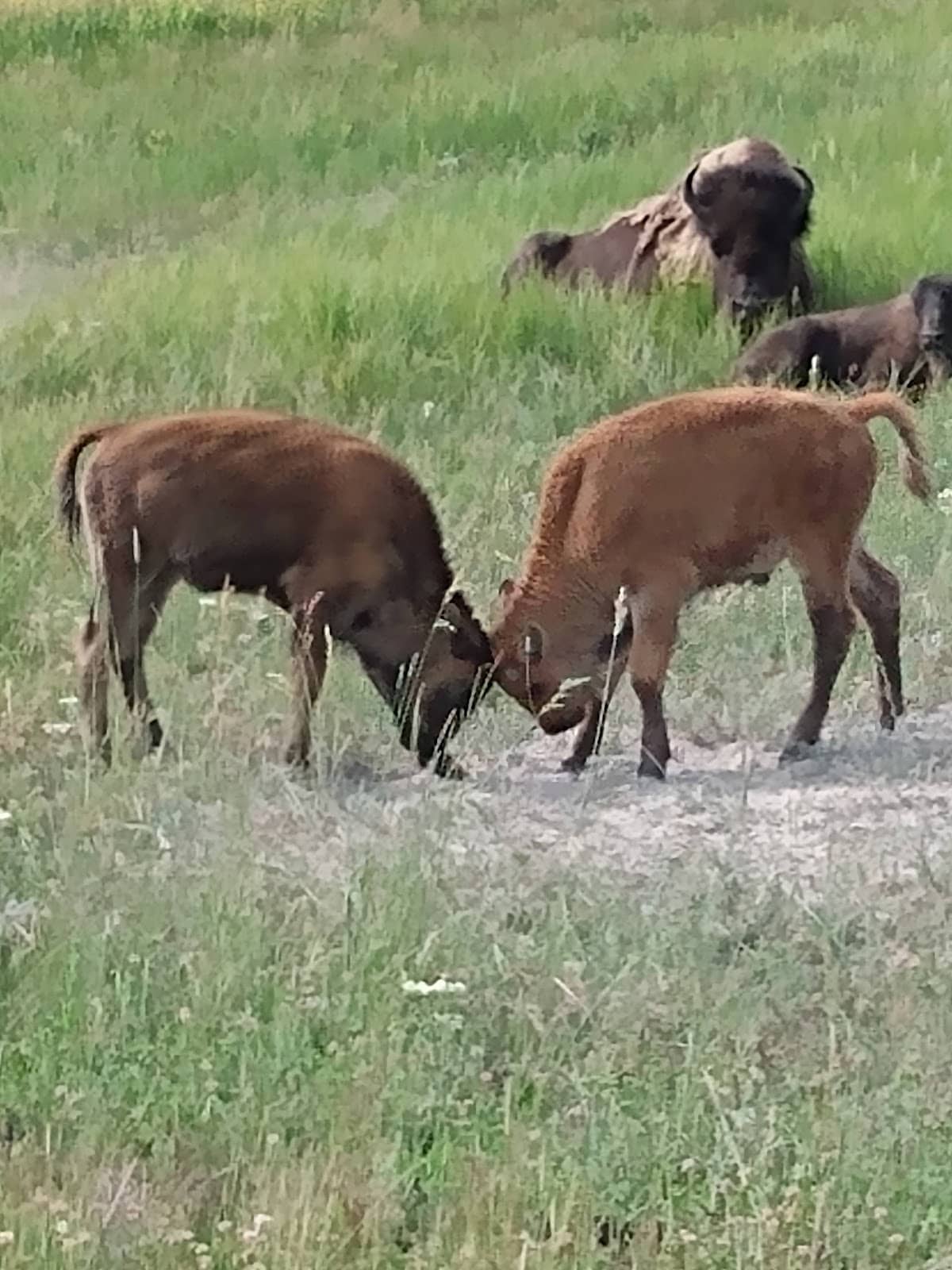
Yellowstone is renowned for its abundant wildlife, including bison,+1 coyotes, and various bird species. Hayden Valley and Lamar Valley are excellent for spotting large mammals.
Yes, the thermal areas are extremely dangerous. The ground can be thin and unstable, and the water is scalding hot and acidic.+1 Always stay on designated boardwalks and trails. Wildlife can also be dangerous if approached too closely.
Notable viewpoints include Artist Point for the Grand Canyon of the Yellowstone,
No, swimming in Yellowstone's hot springs is strictly prohibited due to extreme temperatures and acidity, which can cause severe burns and be fatal. The only designated swimming area is Firehole River, but even there, caution is advised.
🍽️ 🍽️ Food & Dining
Yes, there are several dining facilities operated by Xanterra Parks & Resorts, offering a range of options from casual cafeterias to sit-down restaurants. These are typically located near major visitor areas like Old Faithful, Canyon Village, and Lake Yellowstone.
Dining options usually include American cuisine, with choices like burgers, sandwiches, salads, and some regional specialties. Some locations offer breakfast, lunch, and dinner. Pack snacks and consider bringing your own food for more flexibility and cost savings.
Absolutely! There are numerous designated picnic areas throughout the park, often with scenic views. Remember to pack out all your trash and store food properly to avoid attracting wildlife.
Yes, general stores are available at major hubs like Old Faithful, Canyon Village, and Grant Village. They sell groceries, snacks, camping supplies, and souvenirs. However, selection can be limited and prices higher than outside the park.
Dining facilities are strategically located along the Grand Loop Road. Major lodges and visitor centers often have restaurants or cafeterias. For example, the Old Faithful Inn Dining Room and the Canyon Lodge Eatery are popular choices.
📸 📸 Photography
Iconic photo spots include Grand Prismatic Spring from the overlook trail, the Grand Canyon of the Yellowstone (especially Artist Point),+1 Sunrise and sunset offer dramatic lighting.
A wide-angle lens is great for landscapes and geothermal features. A telephoto lens (200mm or more) is essential for wildlife photography. A tripod can be useful for low-light conditions and capturing long exposures of geysers.
Always maintain a safe distance (at least 100 yards from bears/wolves, 25 yards from others). Use a telephoto lens to get close-up shots without disturbing the animals. Never feed wildlife for a photo opportunity.
The golden hours around sunrise and sunset provide the best light for photography, creating warm tones and dramatic shadows. Midday can be harsh, but it's good for capturing the vibrant colors of thermal features.
No, drone use is prohibited in all areas managed by the National Park Service, including Yellowstone National Park, to protect wildlife and preserve the visitor experience.
For Different Travelers
Tailored advice for your travel style
👨👩👧 Families with Kids
Wildlife viewing is a huge hit with kids; encourage them to spot bison, elk, and other animals from the safety of your car or designated viewing areas. Pack plenty of snacks and drinks, as dining options can be spread out. Consider visiting the Old Faithful Visitor Education Center for interactive exhibits that explain the science behind geysers. Remember to emphasize safety rules, especially around thermal areas and wildlife, to ensure a fun and secure trip for everyone.
🚗 Road Trippers & Scenic Drivers
+1 The entire 142-mile route is designed for scenic driving, with numerous pull-offs and overlooks to admire the diverse landscapes, from steaming geyser basins to vast valleys and dramatic canyons. Driving the loop allows you to experience the park's varied ecosystems without extensive hiking.Be prepared for varying road conditions and potential delays. Wildlife jams are common and can be part of the adventure, offering unexpected viewing opportunities.
or the Grand Canyon of the Yellowstone. Always check road status before you depart, as sections can close seasonally or due to unexpected events.📸 Photographers
Sunrise and sunset are magical times, bathing the park in golden light, perfect for dramatic shots of geysers and wildlife.For wildlife photography, a telephoto lens is essential to maintain safe distances while capturing intimate moments of bison, bears, or wolves.
Deep Dives
In-depth insights and expert knowledge
Exploring Yellowstone's Geothermal Wonders
When visiting these areas, stay strictly on the boardwalks. The ground can be thin and unstable, and the water is extremely hot and acidic, posing a severe risk of burns.
Beyond the famous sites, explore lesser-known geothermal areas like the West Thumb Geyser Basin, which features thermal features right on the shores of Yellowstone Lake. The unique interplay of hot water and the lake creates a fascinating spectacle. Remember to check the park's daily geyser prediction schedule for Old Faithful and other predictable geysers to plan your viewing.
Wildlife Encounters on the Grand Loop Road
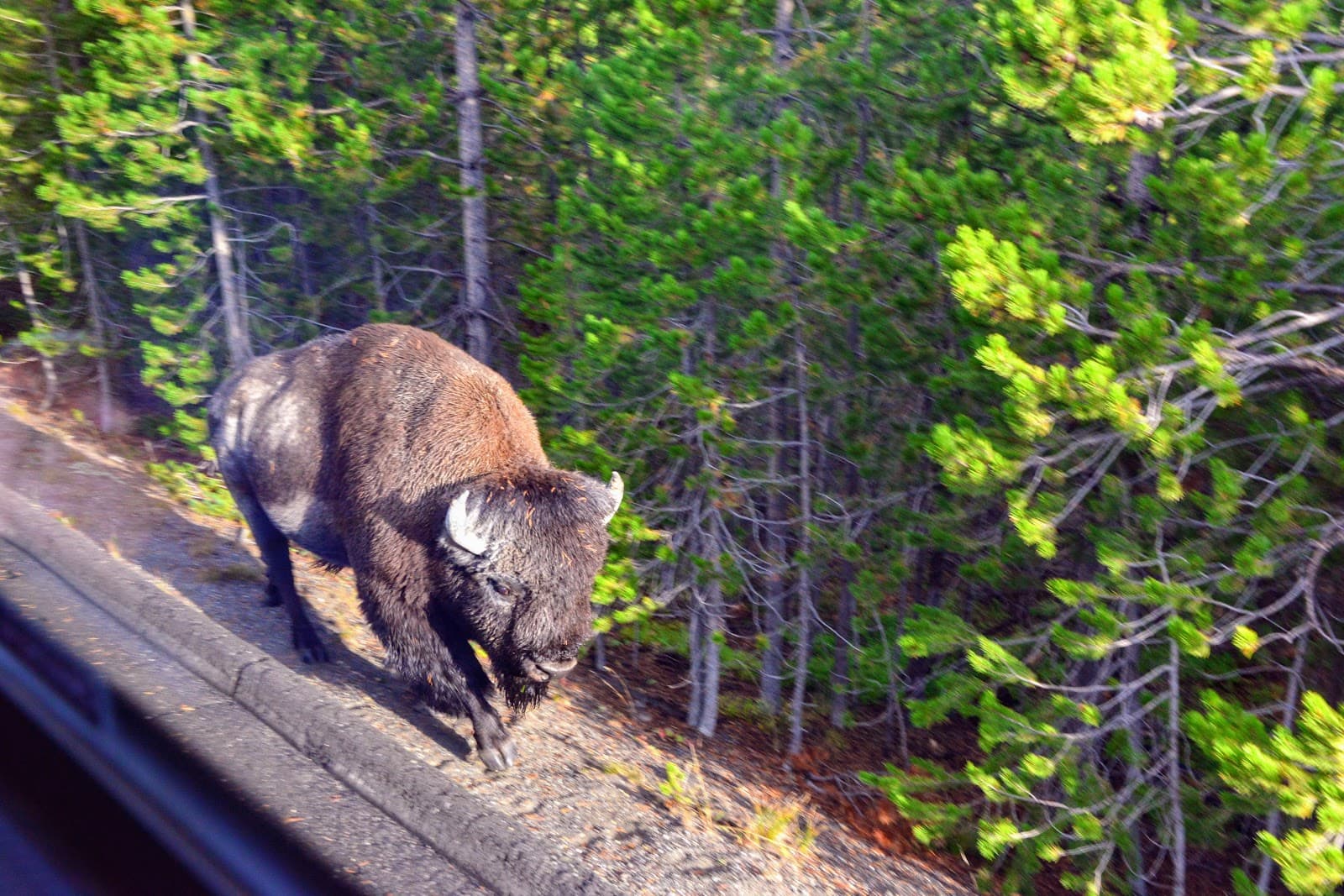
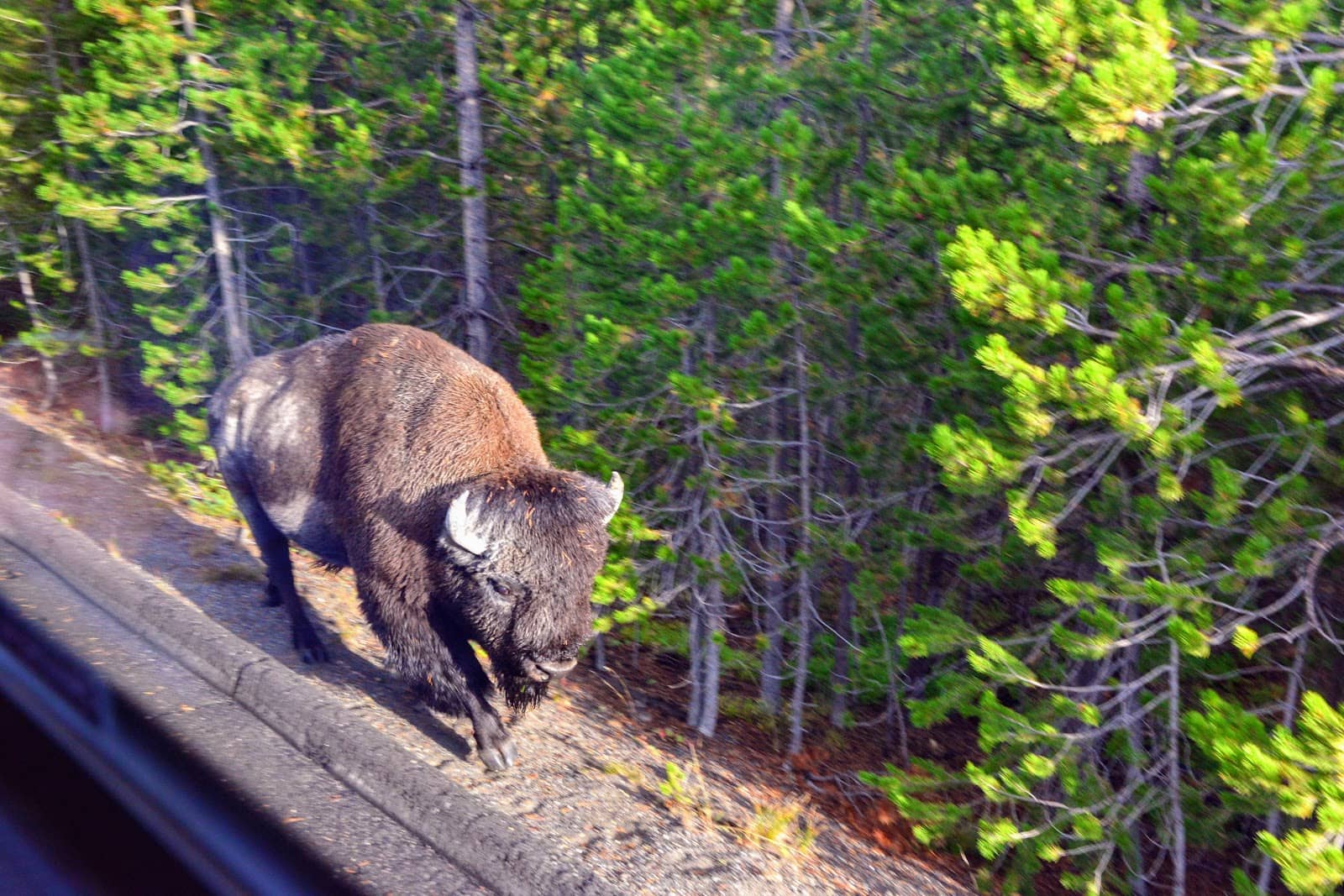
It's not uncommon for bison to cause traffic jams, known as 'bison jams,' as they cross the road.Other commonly sighted animals include elk, pronghorn, coyotes, and various bird species. Bears (grizzly and black) and wolves are more elusive but can be spotted, especially with patience and by visiting areas like Lamar Valley. Always maintain a safe distance of at least 100 yards from bears and wolves, and 25 yards from other animals.
Remember that these are wild animals, and their behavior can be unpredictable. Never feed them, as this can lead to habituation and dangerous situations for both animals and humans. Respect their space and enjoy the incredible opportunity to witness them in their natural habitat.
Navigating the Grand Loop Road: Tips for a Smooth Journey
Understanding its layout is key to an efficient trip. The road is divided into the Upper Loop and the Lower Loop, each offering distinct experiences. The Lower Loop is generally considered more geothermally active, while the Upper Loop is known for wildlife and the Grand Canyon of the Yellowstone.When planning your drive, consider that distances can be deceiving due to the park's size and speed limits, which are often 45 mph or lower. Traffic congestion, especially during summer, and wildlife jams can significantly increase travel times.
It's advisable to start your days early to beat the crowds and maximize your chances of seeing wildlife.
Social
from TikTok, Instagram & Reddit