
Place of Peace Furman Asia Garden
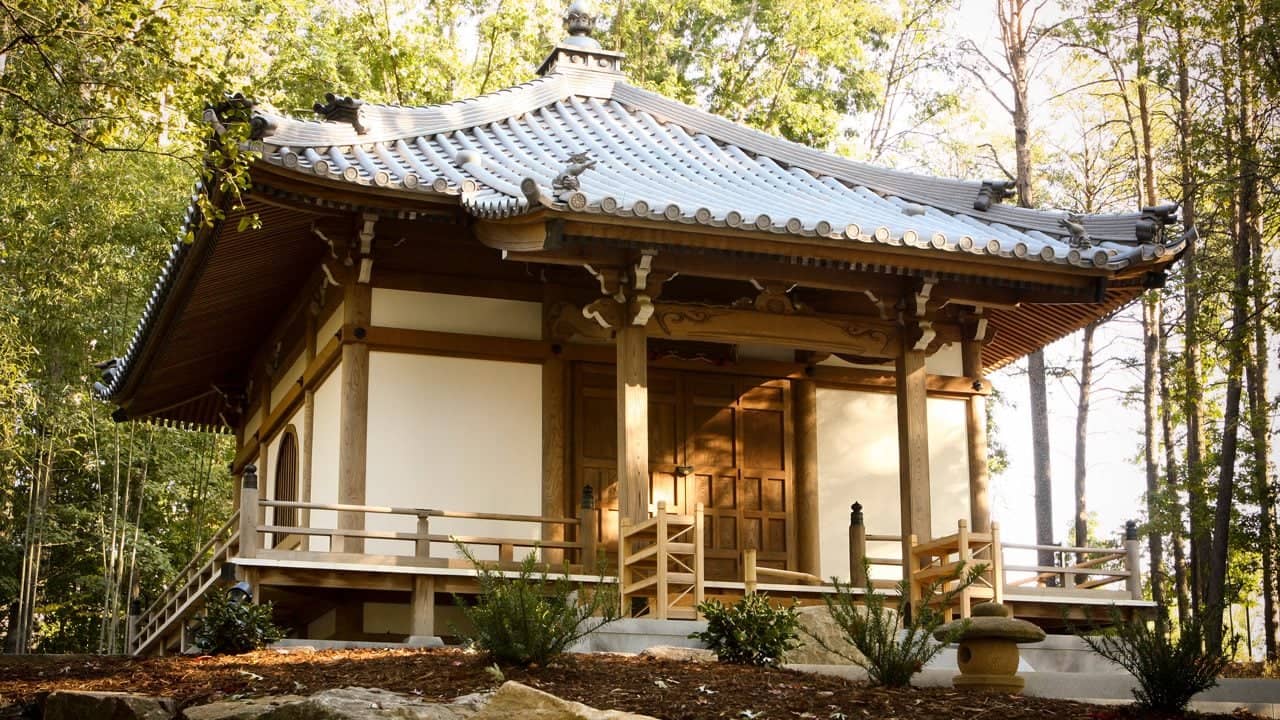
Discover America's first reconstructed Japanese temple nestled within Furman's serene Asia Garden, a unique blend of culture and nature.
Highlights
Must-see attractions

Social
From TikTok & Reddit
Best Time
Blooming irises & peaceful atmosphere
Place of Peace Furman Asia Garden
Best Time
Blooming irises & peaceful atmosphere
Highlights
Must-see attractions
Discover America's first reconstructed Japanese temple nestled within Furman's serene Asia Garden, a unique blend of culture and nature.
"A peaceful escape with a fascinating history and beautiful Asian flora."

🚶♀️ Follow the Path
Access the temple by crossing from the Asia Garden and following the designated path. 🚶
🌸 Admire the Flora
Don't miss the 20 types of bamboo and beautiful Japanese irises in the Asia Garden. :hibiscus:

Quick Facts
Rating
4 · 4 reviews
Highlights
Discover the most iconic attractions and experiences

The Place of Peace Temple
Asia Garden, Furman University
America's first dismantled and reconstructed Japanese temple, originally built in Nagoya, Japan.

Diverse Asian Flora
Asia Garden, Furman University
Explore 20 varieties of bamboo and vibrant Japanese irises, showcasing native Asian plant life.
Plans like a pro.
Thinks like you
Planning Your Visit
Timing Your Visit
Navigating the Garden
Best Times
Insider Tips
from TikTok, Instagram & Reddit
🚶♀️ Follow the Path
Access the temple by crossing from the Asia Garden and following the designated path. 🚶
🌸 Admire the Flora
Don't miss the 20 types of bamboo and beautiful Japanese irises in the Asia Garden. :hibiscus:
📜 Learn the History
Read the plaque honoring the Tsuzuki family and the temple's unique relocation story. 📜
Tips
from all over the internet
🚶♀️ Follow the Path
Access the temple by crossing from the Asia Garden and following the designated path. 🚶
🌸 Admire the Flora
Don't miss the 20 types of bamboo and beautiful Japanese irises in the Asia Garden. :hibiscus:
📜 Learn the History
Read the plaque honoring the Tsuzuki family and the temple's unique relocation story. 📜
What Travellers Say
Reviews Summary
Visitors appreciate the unique historical and cultural significance of the Place of Peace temple and the serene beauty of the Asia Garden. The diverse bamboo collection and vibrant irises are frequently highlighted as beautiful natural features. Some visitors note that it's a smaller attraction, best enjoyed as part of a larger visit to Furman University.
"The Place of Peace is the first Japanese temple ever to be dismantled and reconstructed in America. A plaque at the site honors the Tsuzuki family, who donated the temple to Furman. The temple’s original name in Japan was Hei-Sei-Ji, and it was built in 1984 in Nagoya, Japan. The temple was never assigned a Buddhist priest or open to a practicing lay community, it became eligible for relocation—something exceedingly rare for Japanese temples. To reach the temple, cross from the Asian Garden and follow the path leading up to it.
The Asia Garden offers 20 different types of bamboo and a variety of irises, including the Japanese iris. These, along with the kind of pine trees in the garden, are all native to Asia."
KCorn
""
Mark Campanini
""
Dale
What People Like
What People Dislike
Frequently Asked Questions
🚇 🗺️ Getting There
The Place of Peace is located within Furman University's Asia Garden. You'll need to access the Asia Garden first, then follow the path leading up to the temple. Parking is available on campus.
Yes, several Greenville Transit Authority bus routes serve the area around Furman University. Check their schedule for routes and times.
You can drive to Furman University and park, then walk to the Asia Garden and the Place of Peace. Direct vehicle access to the temple itself is not available.
🎫 🎫 Tickets & Entry
No, admission to the Asia Garden and the Place of Peace at Furman University is generally free and open to the public during university hours.
The gardens are typically open during daylight hours, aligning with Furman University's campus access. It's best to check the university's official website for any specific closures or event-related access changes.
There is no separate entrance fee for the Place of Peace temple itself. It is part of the free-to-access Asia Garden.
🎫 🌿 Onsite Experience
The Place of Peace is the first Japanese temple ever dismantled and reconstructed in America. Originally built in Nagoya, Japan, in 1984, it was donated to Furman by the Tsuzuki family.
The Asia Garden boasts over 20 different types of bamboo, a variety of irises (including Japanese iris), and Asian pine trees, showcasing native flora from the continent.
No, the temple was never assigned a Buddhist priest or open to a practicing lay community, which made its relocation to the U.S. possible.
While official guided tours might be limited, you can often find information about the garden's features on Furman University's botanical garden website. Student-led tours may also be available during the academic year.


Social
from TikTok, Instagram & Reddit