
Mars Desert Research Station
Experience Earth's closest simulation of Mars. Explore alien landscapes and witness astronaut training at this remote Utah research station.
Highlights
Must-see attractions

Social
From TikTok & Reddit
Best Time
Best colors & cooler temps
Mars Desert Research Station
Best Time
Best colors & cooler temps
Highlights
Must-see attractions
Experience Earth's closest simulation of Mars. Explore alien landscapes and witness astronaut training at this remote Utah research station.
"Definitely felt otherworldly. You feel like you are on a different planet."

🚗 Remote Location Alert
Hanksville is tiny. No Uber/Lyft. Rent a car! :car:
☀️ Beat the Heat
Visit at sunrise/sunset for colors & cooler temps. Bring water! :sunriseovermountains:
Highlights
Discover the most iconic attractions and experiences
The Mars Desert Research Station Habitat
Near Hanksville, Utah
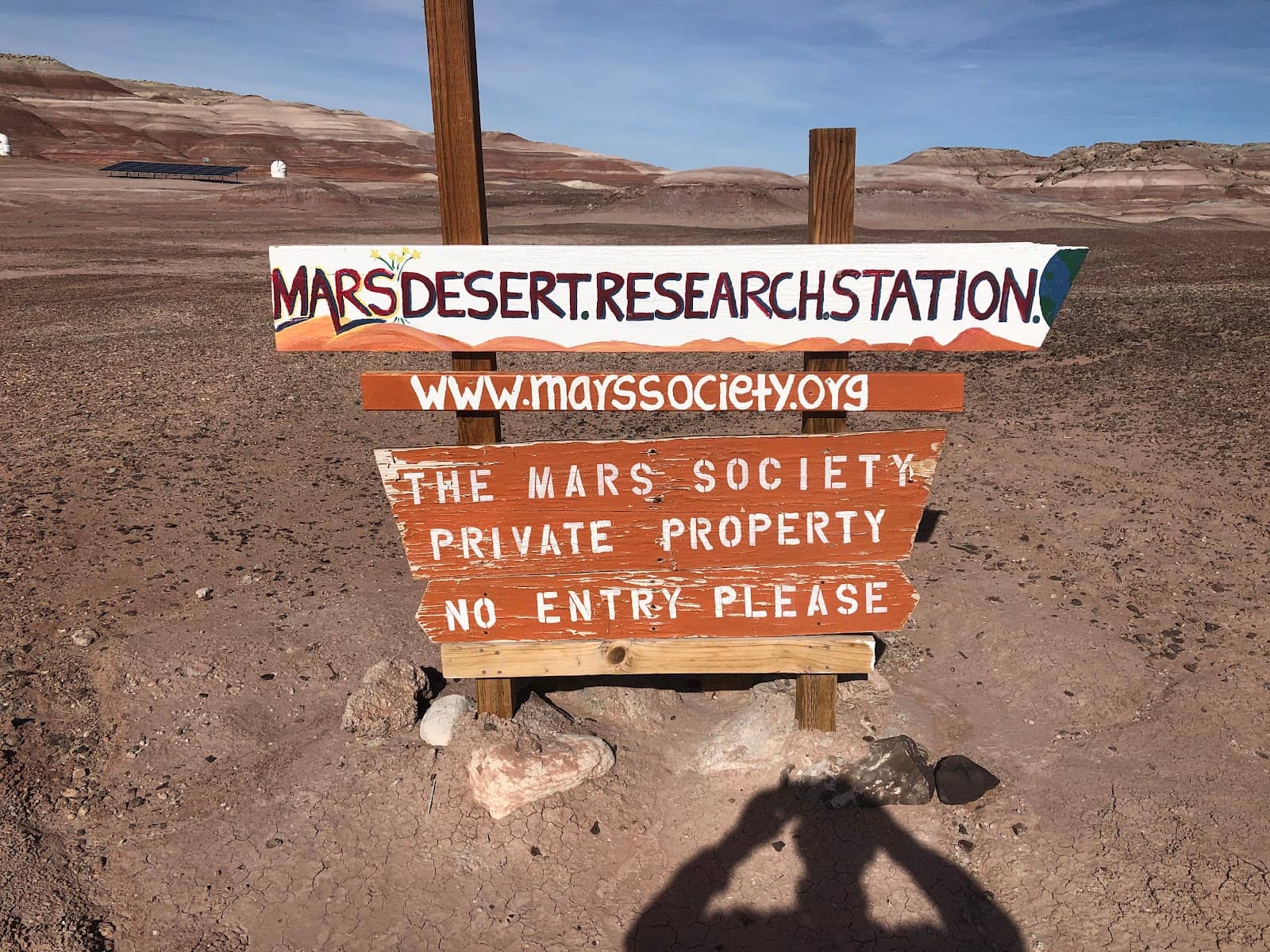
See the iconic habitat where astronauts train for Mars missions. It's a unique glimpse into simulated extraterrestrial living.
Otherworldly Martian Landscapes
Surrounding Hanksville, Utah
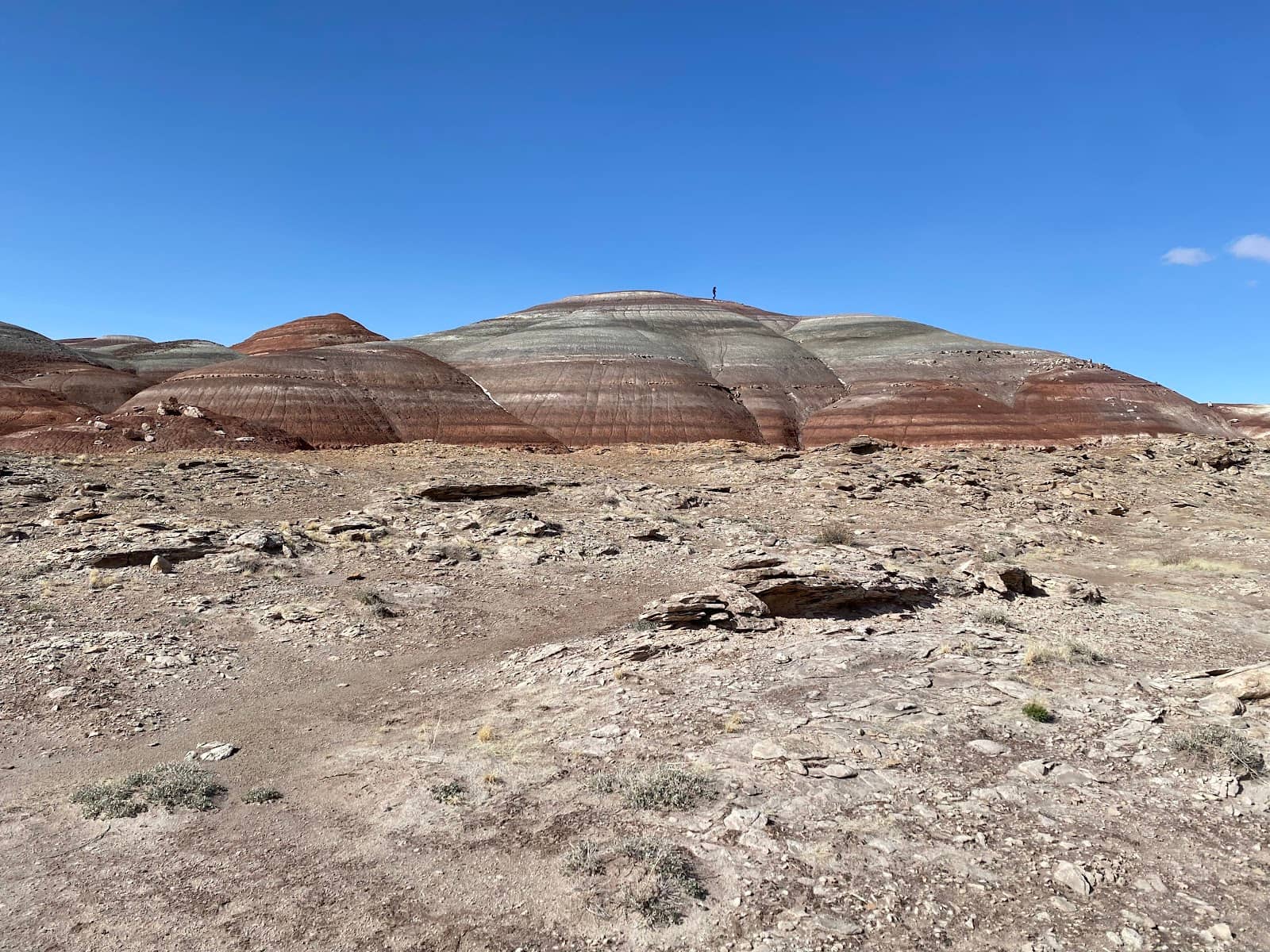
Experience rust-red, purple, and grey terrains that mimic Mars. The Bentonite Hills are particularly stunning.

Simulated Spacewalks
MDRS research area
Witness or imagine astronauts in space suits conducting research in this alien-like environment.
Plans like a pro.
Thinks like you
Planning Your Visit
Embrace the Remote
Timing is Everything
Best Times
Insider Tips
from TikTok, Instagram & Reddit
🚗 Remote Location Alert
Hanksville is tiny. No Uber/Lyft. Rent a car! :car:
☀️ Beat the Heat
Visit at sunrise/sunset for colors & cooler temps. Bring water! :sunriseovermountains:
📸 Respect the Rules
No trespassing or drones in restricted areas. Admire from afar.
🗺️ Navigate with Care
Exact coordinates are key to finding some spots.
Tips
from all over the internet
🚗 Remote Location Alert
Hanksville is tiny. No Uber/Lyft. Rent a car! :car:
☀️ Beat the Heat
Visit at sunrise/sunset for colors & cooler temps. Bring water! :sunriseovermountains:
📸 Respect the Rules
No trespassing or drones in restricted areas. Admire from afar.
🗺️ Navigate with Care
Exact coordinates are key to finding some spots.
👽 Feel the Alien Vibe
Embrace the 'otherworldly' feel; it's why astronauts train here! :alien:
What Travellers Say
Reviews Summary
Visitors consistently describe the Mars Desert Research Station area as an 'otherworldly' and 'unique' experience, feeling like they've stepped onto another planet. The Martian-like landscapes are a major draw, offering incredible photographic opportunities, especially during sunrise and sunset. However, the extreme remoteness, lack of facilities, and limited signage can be challenging for some.
"Definitely felt otherworldly. We went in late April around 8 am.. no people, but it was already hot (no shade). Plan accordingly.. try and get there around sunrise or sunset to see the vibrant colors"
Arielle McCarthy
"It's amusing to see this place and take a photo, but that's about it. The drive in is quite long and does have some interesting topography. There are port-a-potties available, at least (weird)."
Kristen Rush
"Definitely a unique spot in the Utah desert. Some additional signage would be nice; there was nobody there when we visited, and a tour or explanation would have been welcome. We did respect the no-trespassing and no-drone signs, so all photos were from the ground."
Greg Illes
What People Like
What People Dislike
Frequently Asked Questions
🚇 🗺️ Getting There
The Mars Desert Research Station (MDRS) is located near Hanksville, Utah. Due to its remote nature, having your own vehicle is highly recommended. Ride-sharing services like Uber or Lyft are not readily available in Hanksville, and local taxi services may be limited. The drive itself can be long and involves traversing interesting topography.
Public transportation options directly to Hanksville are very limited. Most visitors arrive by car, often flying into a larger airport like Salt Lake City International Airport (SLC) and then driving. Renting a car is essential for exploring the area around Hanksville and reaching the MDRS.
While some videos show off-roading vehicles, the primary research station area is generally accessible by standard vehicles, though a car with decent clearance might be beneficial for exploring the surrounding desert roads.
Currently, the Mars Desert Research Station itself is not typically open for public tours, and there's a lack of signage and explanations on-site. Visitors often view it from a distance and explore the surrounding analog landscapes.
The closest major airport is Salt Lake City International Airport (SLC), which is about a 3.5 to 4-hour drive from Hanksville. Other options include Grand Junction Regional Airport (GJT) in Colorado, which is about a 2.5-hour drive, or Canyonlands Field Airport (CNY) in Moab, Utah, which is closer but has fewer flight options.
🎫 🎫 Tickets & Entry
No, there are no tickets required to visit the general area around the Mars Desert Research Station. It's located in a public desert landscape. However, access to the actual research habitat and restricted zones is prohibited.
The area is generally accessible at any time, as it's part of the open desert. However, for the best experience and safety, visiting during daylight hours, especially around sunrise and sunset, is highly recommended due to the extreme temperatures and lack of facilities.
There is no entrance fee to visit the vicinity of the Mars Desert Research Station. The drive through the area is free, offering a unique opportunity to experience Martian-like terrain.
No, the Mars Desert Research Station habitat is a research facility and is not open to the public for entry. Visitors are asked to respect the research operations and stay within designated public areas.
Yes, visitors must respect 'no trespassing' signs and 'no drone' zones. The research station is an active scientific outpost, and unauthorized access is strictly prohibited.
🎫 🧭 Onsite Experience
While you can't enter the habitat, you can explore the surrounding Martian-analog landscapes, take photos, and imagine life on Mars.
Bring plenty of water, sun protection (hat, sunscreen), sturdy shoes for walking on uneven terrain, and a camera to capture the unique scenery.
Some reviews mention the availability of port-a-potties, but facilities are very basic. It's advisable to be prepared for limited amenities and to bring all necessary supplies with you.
The area is remote, and temperatures can be extreme. It's crucial to be prepared for desert conditions, stay hydrated, and be aware of your surroundings. Respecting all signage and staying on marked paths is important for safety.
No, drone usage is prohibited in and around the Mars Desert Research Station. Please adhere to all 'no drone' signs to avoid any issues.
📸 📸 Photography
Sunrise and sunset offer the most dramatic lighting and vibrant colors, truly enhancing the Martian feel of the landscape.
A wide-angle lens is great for capturing the vast desert panoramas. A telephoto lens can be useful for isolating interesting rock formations or distant views. Don't forget a sturdy tripod for low-light sunrise/sunset shots.
While there aren't designated viewpoints, exploring the accessible desert areas around the station can yield stunning photographic opportunities. The Bentonite Hills are particularly photogenic.
You can photograph the habitat from a distance, but remember it's an active research facility. Respect any posted restrictions and avoid intrusive photography.
Focus on the unique geological formations, the stark desert landscape, the research habitat itself (from afar), and the overall sense of isolation and alienness.
For Different Travelers
Tailored advice for your travel style
👨👩👧 Families with Kids
Encourage kids to learn about Mars and astronauts before your visit to enhance their understanding and excitement. Plan your visit for cooler parts of the day, like early morning or late afternoon, to make it more comfortable for children.
🚀 Space Enthusiasts & Aspiring Astronauts
+1 Seeing the habitat and the surrounding terrain can be incredibly inspiring, providing a glimpse into what life on another planet might entail. Consider researching the Mars Society and their ongoing projects before your visit. Understanding the scientific objectives and the daily life of the crews can deepen your appreciation for the station's significance.
While you can't interact directly with the crews, the very act of being in this simulated environment can be a profound experience for space enthusiasts. 🚗 Off-Roaders & Adventure Seekers
+1 If you have a suitable vehicle, exploring the dirt roads and trails can be a thrilling experience. Always prioritize safety and preparedness. Inform someone of your travel plans, carry essential supplies like water, food, and a first-aid kit, and be aware of weather conditions.
Respect any private property or restricted research zones. The stark beauty of the desert, combined with the unique context of the MDRS, makes for an unforgettable adventure. Deep Dives
In-depth insights and expert knowledge
The Mars Desert Research Station: A Martian Analog
+1 The landscape in this region of Utah, with its red sandstone, dry washes, and rugged terrain, is remarkably similar to the surface of Mars, making it an ideal location for such research. Astronaut crews typically spend two weeks at the MDRS, living in the habitat (HAB) and conducting scientific experiments. They are required to wear space suits and use walkie-talkies whenever they venture outside, mimicking the protocols for exploring the Red Planet.
+1While the station itself is not open to the public, the surrounding desert offers a chance for visitors to experience this unique 'Martian' environment firsthand. The drive through the area provides a glimpse into the stark beauty and alien feel that makes this location so valuable for space research.
+1Navigating the Remote Utah Desert
+1Transportation is a key consideration. Ride-sharing services are virtually non-existent, and relying on local taxis might be unreliable. Renting a suitable vehicle, perhaps one with higher clearance, is often the most practical solution for exploring the area and reaching the MDRS.
When exploring, always be prepared for desert conditions. This includes carrying ample water, wearing sun protection, and being aware of the terrain. While the main station area is accessible, some surrounding areas might have restricted access, so always respect signage.
The unique topography, like the Bentonite Hills, offers incredible photographic opportunities, but it's essential to navigate safely and responsibly.
Social
from TikTok, Instagram & Reddit