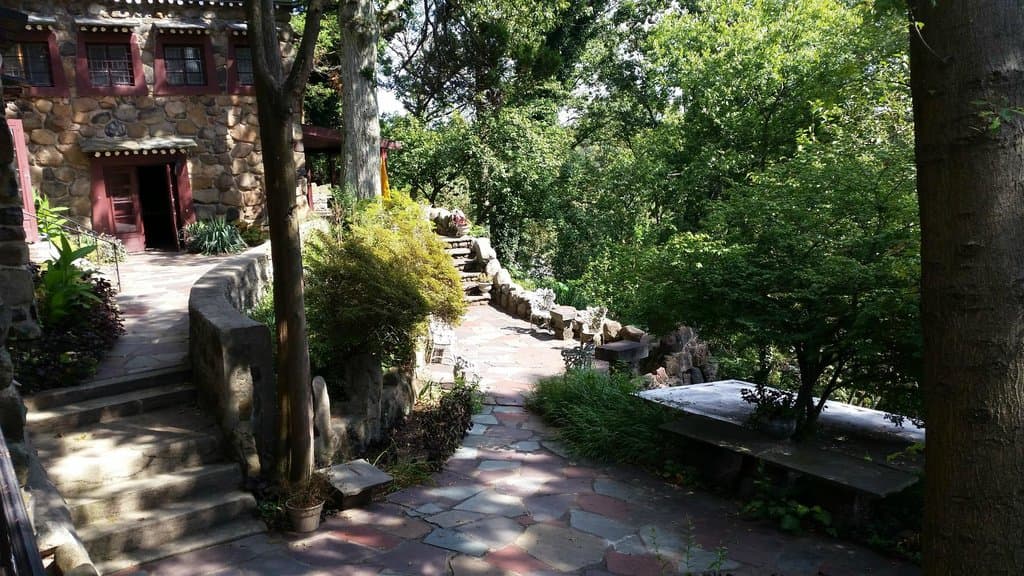
Jacques Marchais Museum of Tibetan Art
A serene Staten Island sanctuary housing a remarkable collection of Tibetan Buddhist art, designed like a Himalayan monastery.
Highlights
Must-see attractions

Social
From TikTok & Reddit
Best Time
Pleasant weather for garden
Jacques Marchais Museum of Tibetan Art
Best Time
Pleasant weather for garden
Highlights
Must-see attractions
A serene Staten Island sanctuary housing a remarkable collection of Tibetan Buddhist art, designed like a Himalayan monastery.
"A hidden gem on Staten Island! This small but atmospheric museum truly feels like stepping into a Tibetan monastery."
🚗 Car Recommended for Access
Public transport is challenging; a car is best for reaching this secluded gem. 🚗
🧘♀️ Embrace the Calm
The museum's serene atmosphere is perfect for quiet reflection and cultural immersion. :lotus_flower:
Quick Facts
Hours
Rating
4.5 · 102 reviews
Type
Museum
Highlights
Discover the most iconic attractions and experiences
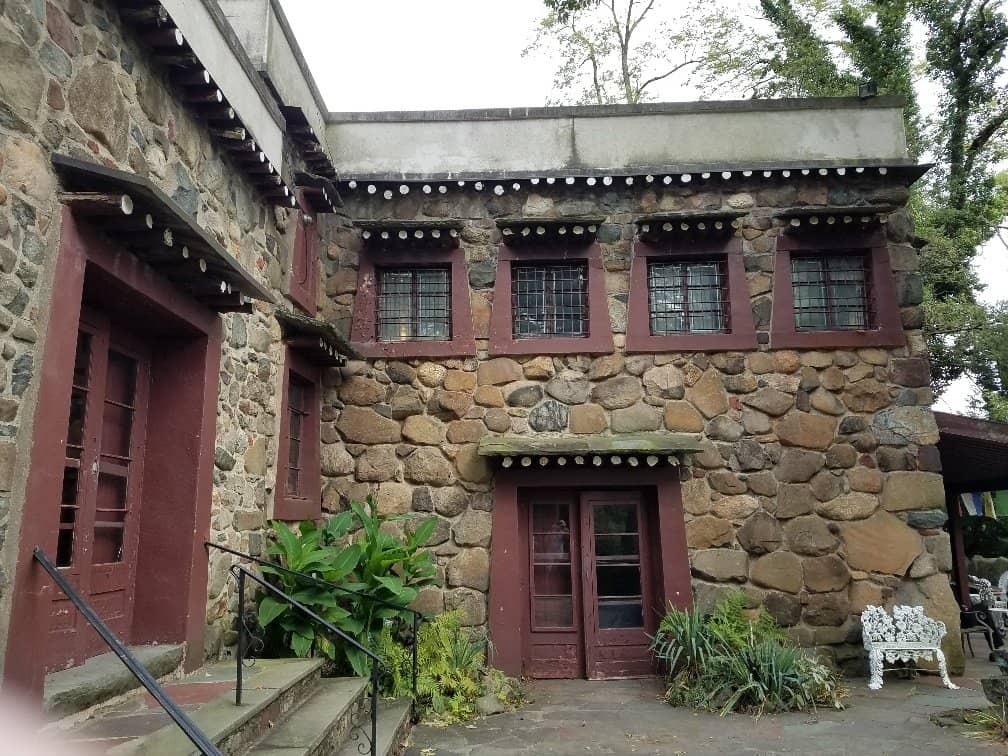
Monastery-Inspired Architecture
Exterior and interior
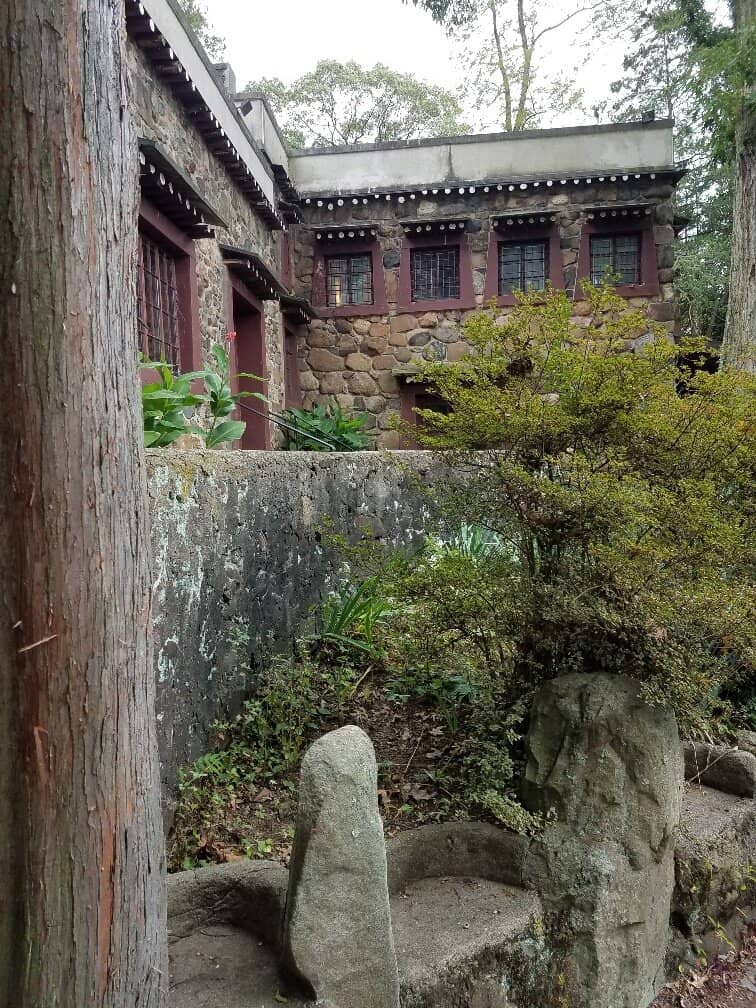
Experience a unique architectural marvel designed to resemble a Tibetan Buddhist mountain monastery.

Sacred Art Collection
Museum galleries
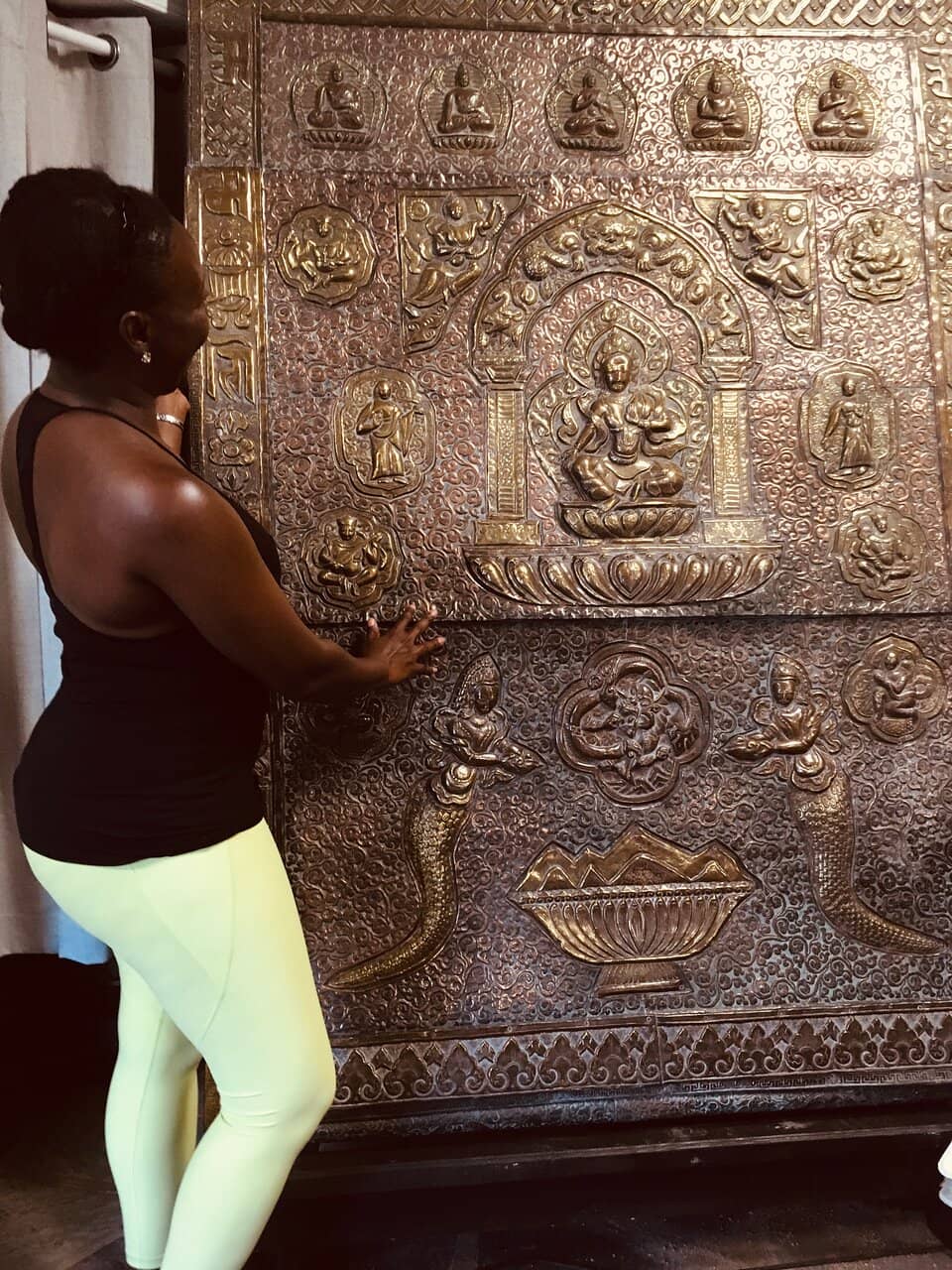
Explore a rich collection of 15th- to 20th-century Tibetan Buddhist art, including statues and ritual objects.
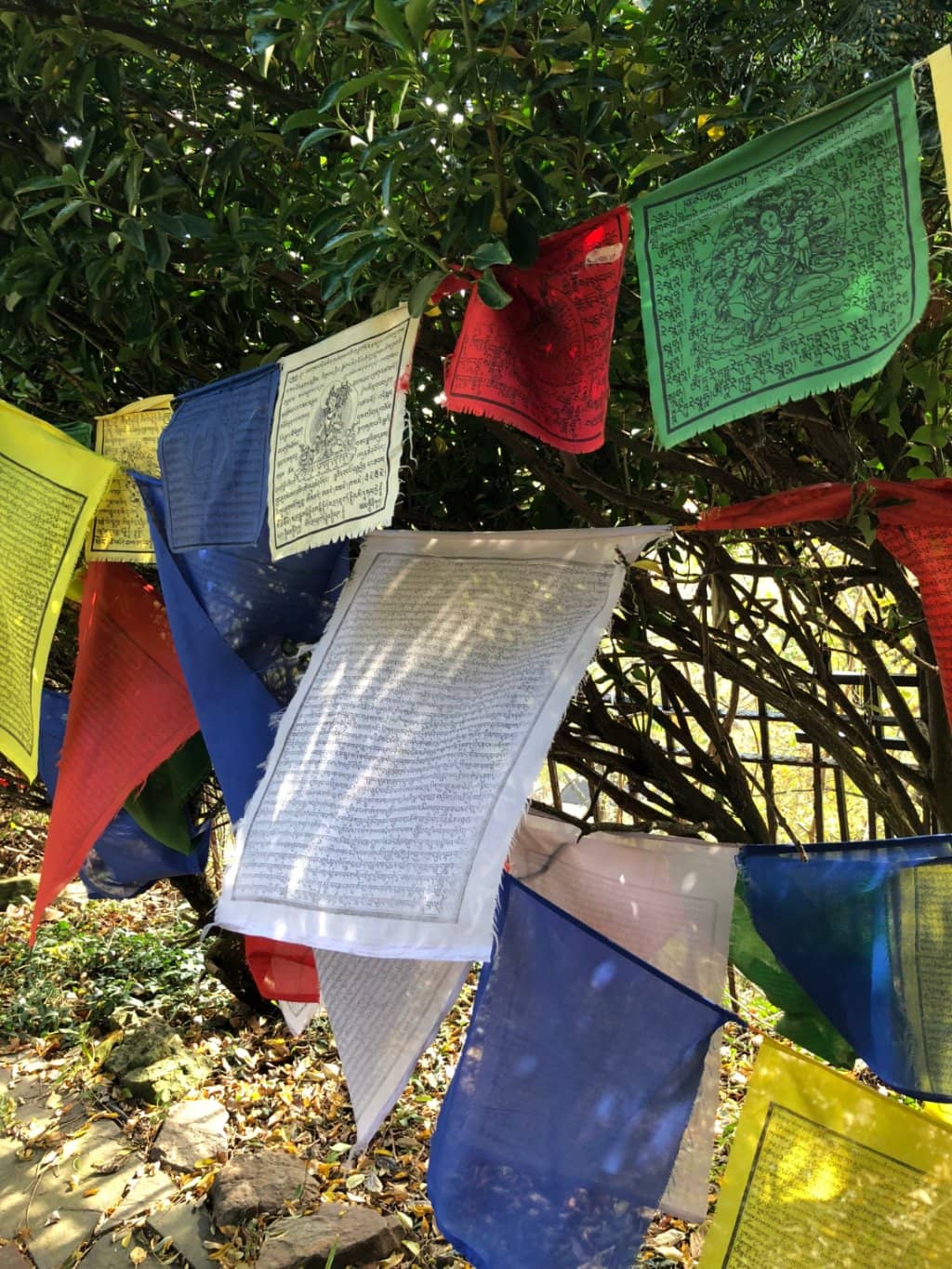
Tranquil Garden
Outdoor grounds
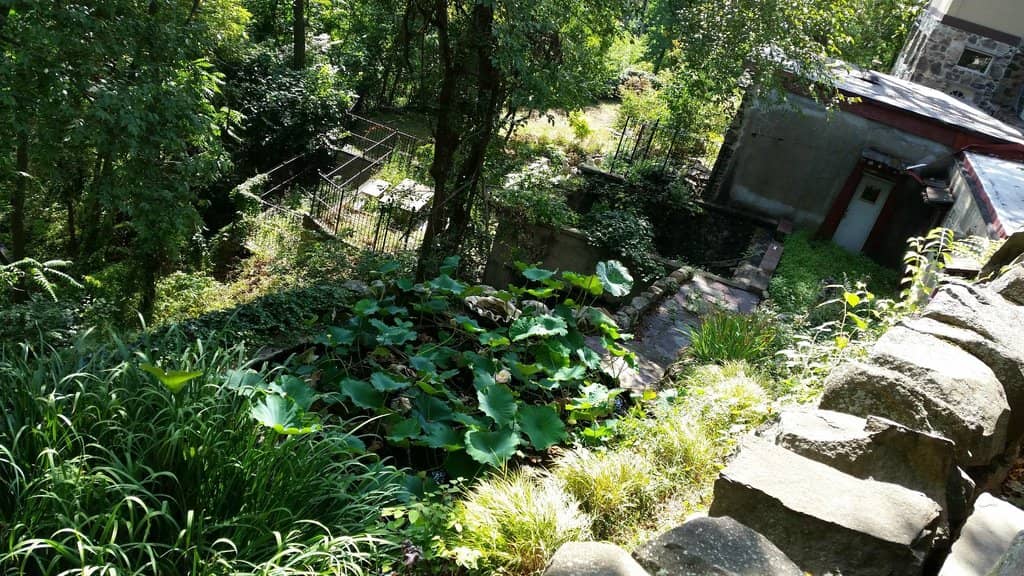
Find peace in the serene garden, a perfect spot for reflection and enjoying the museum's calming ambiance.
Plans like a pro.
Thinks like you
Planning Your Visit
Getting There: Plan Your Journey
Embrace the Serenity
Best Times
Insider Tips
from TikTok, Instagram & Reddit
🚗 Car Recommended for Access
Public transport is challenging; a car is best for reaching this secluded gem. 🚗
🧘♀️ Embrace the Calm
The museum's serene atmosphere is perfect for quiet reflection and cultural immersion. :lotus_flower:
⏳ Quick Visit Possible
You can see the main collection in about 10-15 minutes, but linger for the atmosphere. :stopwatch:
💰 Donation Appreciated
Entry is free, but donations are encouraged to support this unique cultural institution. :moneywithwings:
Tips
from all over the internet
🚗 Car Recommended for Access
Public transport is challenging; a car is best for reaching this secluded gem. 🚗
🧘♀️ Embrace the Calm
The museum's serene atmosphere is perfect for quiet reflection and cultural immersion. :lotus_flower:
⏳ Quick Visit Possible
You can see the main collection in about 10-15 minutes, but linger for the atmosphere. :stopwatch:
💰 Donation Appreciated
Entry is free, but donations are encouraged to support this unique cultural institution. :moneywithwings:
📸 Photo Opportunities
Capture the unique architecture and serene garden settings.
What Travellers Say
Reviews Summary
Visitors consistently praise the Jacques Marchais Museum of Tibetan Art as a 'hidden gem' and an 'oasis of calm' on Staten Island. Its unique monastery-like architecture, serene garden, and impressive collection of Tibetan Buddhist art are frequently highlighted as major draws. While the journey can be challenging for those without a car, the peaceful atmosphere and knowledgeable staff make it a worthwhile destination for cultural enrichment and quiet reflection.
"A hidden gem on Staten Island! This small but atmospheric museum truly feels like stepping into a Tibetan monastery. The architecture and peaceful garden create a calming vibe, perfect for relaxing and reflecting. The collection is impressive - full of statues, ritual objects, books, and historic photos. The staff is friendly and knowledgeable, always happy to share interesting stories. A great place to learn about Tibetan culture and enjoy some quiet time. Highly recommended, especially in warmer months when the garden is beautiful!"
Sultimzhamso Budaev
"One of the true hidden treasures of New York City. An oasis of calm not far from Frank Lloyd Wright's only residential building in New York City (the "Crimson Beech" house, built in 1959). Beautiful building designed by the founder Jacques Marchais in the style of a Tibetan Buddhist mountain monastery and dedicated on September 28, 1947. Sadly Jacques Marchais (1887-1948) passed away shortly thereafter. Lovely grounds in a secluded section of Staten Island. On today's visit I was pleased to note a significant improvement of the displays in the entrance area of the museum."
Nils Paellmann
"First and foremost : You'd better have a car. I foolishly thought that, being in New York City, the museum would be accessible by transit. But it is located in a very pedestrian-hostile part of Staten Island. From the nearest bus stop it is about half a mile to the museum. All uphill, steep, on a sometimes busy street where there are in many parts NO sidewalks. In other parts there are sidewalks on only one side of the street, so a human without a car has to keep criss-crossing the street to stay out of the traffic lanes. The museum was nice, but in no way worth the struggle and danger to get there. If you are irresponsible enough to drive a car in New York City, you can get to the museum fairly easily, but note that there is no parking. All that being said, if you are interested in and conversant about Tibetan Art, you will love the place. Remarkable pieces and very helpful staff."
Sacred Heart
What People Like
What People Dislike
Frequently Asked Questions
🚇 🗺️ Getting There
The museum is located in a secluded part of Staten Island. While accessible by public transport (bus), it involves a steep, uphill walk of about half a mile with limited sidewalks, making it challenging. Driving is highly recommended for easier access, though parking can be limited.
Yes, but it's not ideal. You can take a bus to a stop near the museum, but be prepared for a significant uphill walk on busy streets with inconsistent sidewalks.
For the most convenient experience, driving a car to the Jacques Marchais Museum of Tibetan Art is recommended due to its location.
Parking can be limited at the museum itself. Visitors driving are advised to be prepared for potential parking challenges.
No, the Jacques Marchais Museum of Tibetan Art is located on Staten Island, not Manhattan.
🎫 🎫 Tickets & Entry
Entry to the museum is free. However, there is a donation box at the front door, and contributions are greatly appreciated to support the museum's operations and preservation efforts.
Generally, advance booking is not required for general admission. However, for special events, workshops, or group visits, it's advisable to check the museum's official website or contact them directly.
Operating hours can vary seasonally and may be subject to change. It's best to check the official Jacques Marchais Museum of Tibetan Art website for the most up-to-date information on opening days and times before your visit.
The museum's operating days can vary. It's recommended to check their official schedule, as some sources suggest it might be closed on certain weekdays like Tuesdays.
Information on membership programs is not widely available in public discussions. For details on potential membership benefits or to support the museum, contacting them directly is the best approach.
🎫 🏛️ Onsite Experience
You can explore a collection of Tibetan Buddhist art, including statues, ritual objects, books, and historic photos. The museum's architecture, designed like a monastery, and its serene garden are also major attractions. +1
Many visitors find that they can see the main collection in about 10 to 15 minutes. However, to fully appreciate the atmosphere, garden, and exhibits, you might want to allocate more time.
Yes, the museum is highly praised for its serene energy and calming atmosphere, making it an ideal spot for quiet reflection and spiritual appreciation. +1
While not always explicitly advertised, the staff is often described as knowledgeable and happy to share information. Inquire upon arrival or check their website for any scheduled tours or educational programs.
The museum was designed by its founder, Jacques Marchais, to resemble a Tibetan Buddhist mountain monastery, creating an immersive cultural experience.
📸 📸 Photography
Photography policies can vary. While many visitors share photos online, it's always best to check for any posted signs or ask staff about restrictions, especially regarding flash photography or specific exhibits.
Absolutely! The unique architecture, the serene garden, and the intricate details of the Tibetan art offer numerous beautiful photo opportunities.
The exterior architecture, the peaceful garden areas, and the detailed statues and artifacts within the galleries are popular subjects for photography.
Drone usage is typically restricted in museum environments and public parks. It's highly unlikely to be permitted and would require special permission, if granted at all.
For events, photography permissions may depend on the event organizer and the museum's policies for that specific occasion. It's best to inquire with the event host or museum staff.
Social
from TikTok, Instagram & Reddit