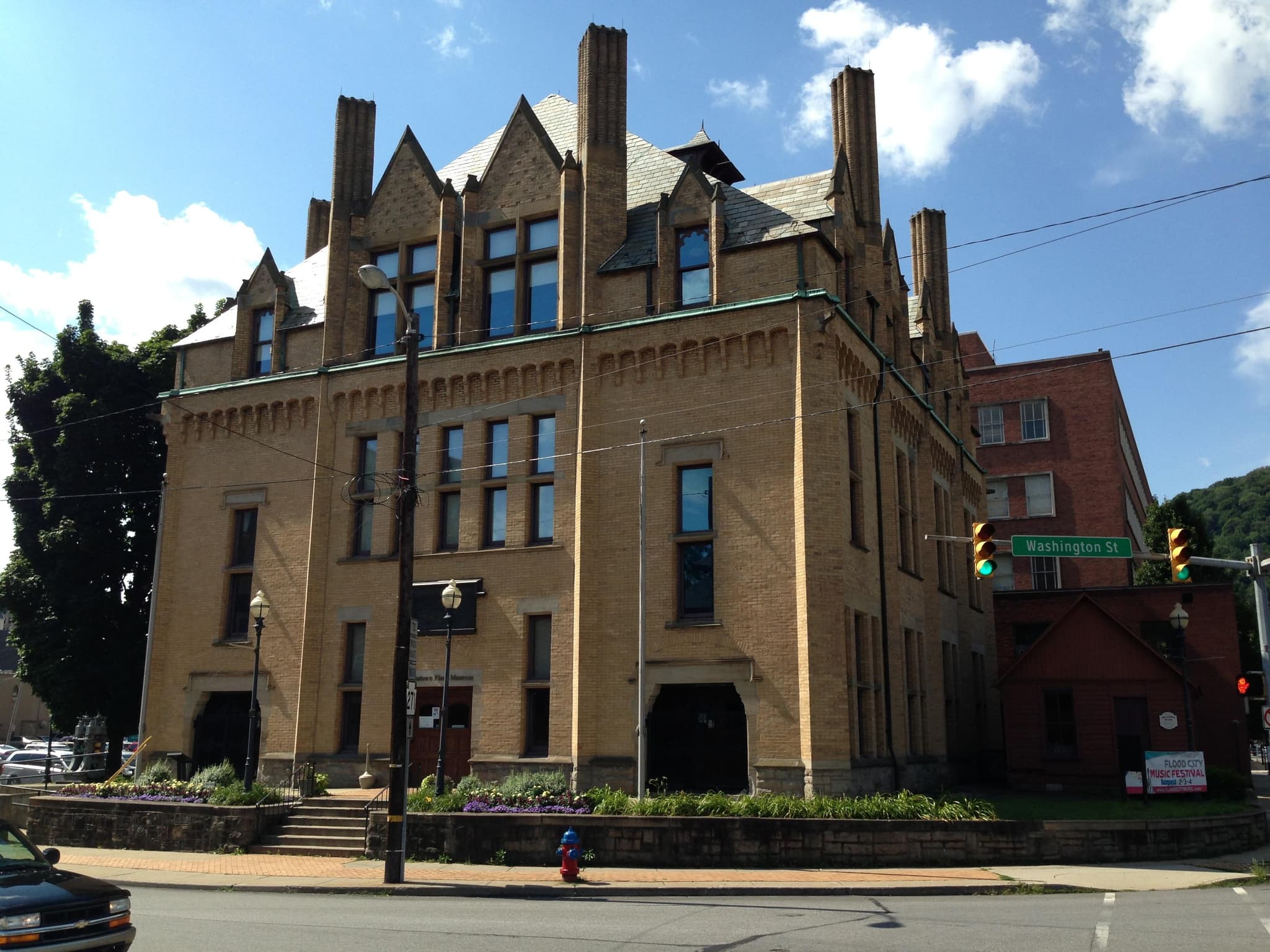
Johnstown Flood Museum
A multi-story museum chronicling the devastating 1889 Johnstown Flood with impactful exhibits, artifacts, and a must-see film.
Highlights
Must-see attractions

Social
From TikTok & Reddit
Best Time
Fewer crowds, more personal experience
Johnstown Flood Museum
Best Time
Fewer crowds, more personal experience
Highlights
Must-see attractions
A multi-story museum chronicling the devastating 1889 Johnstown Flood with impactful exhibits, artifacts, and a must-see film.
"The video on the flood was phenomenal! Really enjoyed the displays for they truly brought home that tragic and gut-wrenching experience!"
Bring Cash for Parking
Some parking lots are cash-only and can be confusing to find. Be prepared! :moneybag:
Watch the Film First
The museum's movie offers essential context for the exhibits. Don't skip it! 🎥
Quick Facts
Hours
Rating
4.5 · 580 reviews
Type
Museum
Highlights
Discover the most iconic attractions and experiences
The Flood Film
An outstanding and phenomenal movie that provides crucial context for the exhibits. A must-see before exploring.
Flood Aftermath Wall
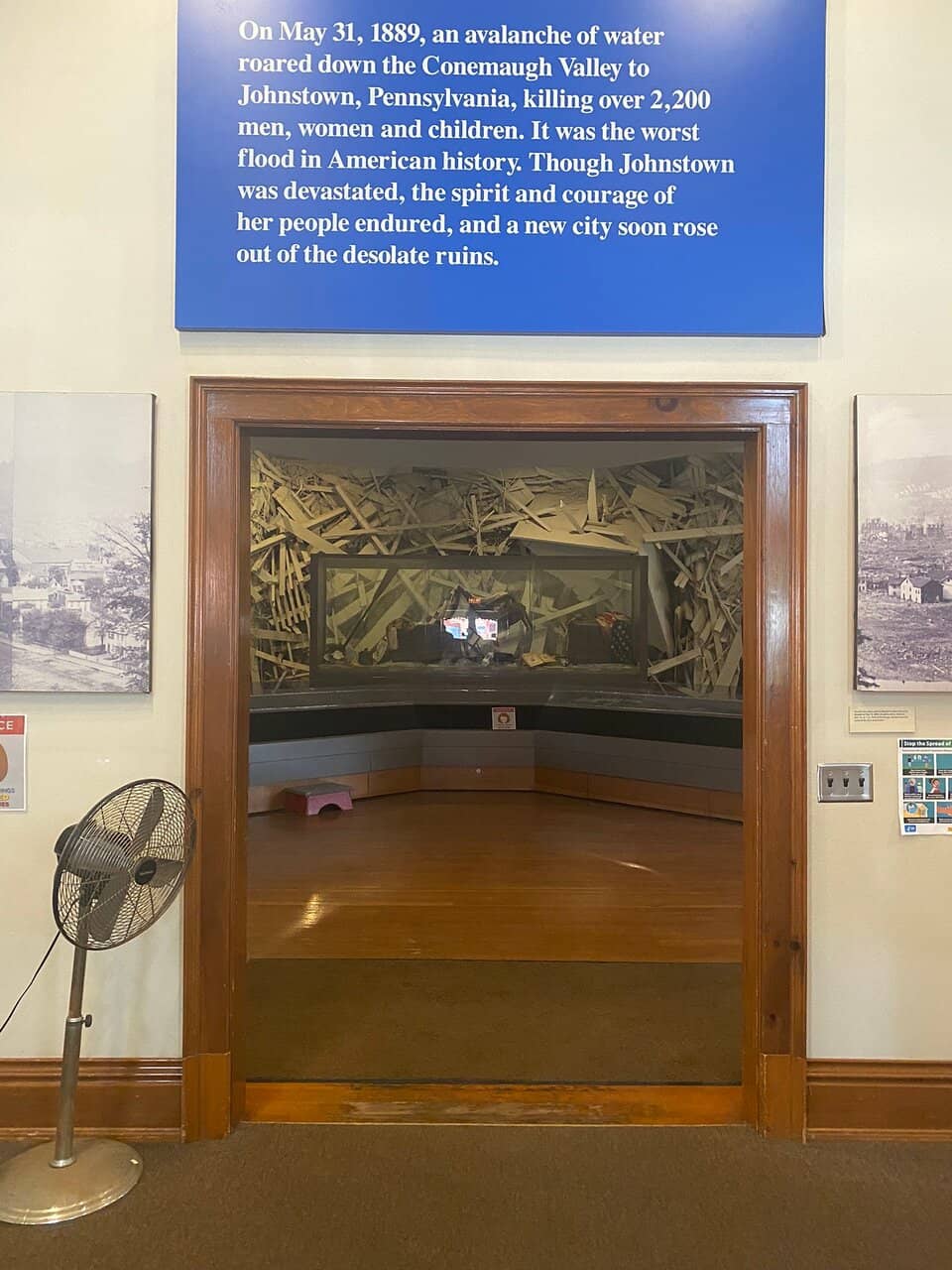
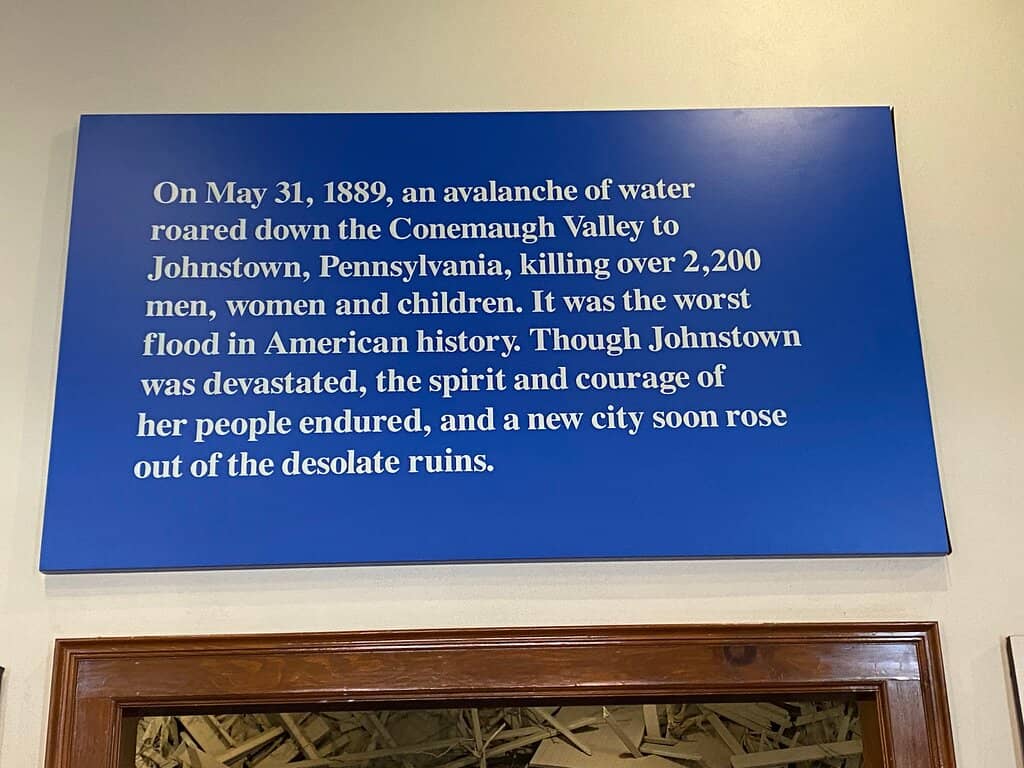
A powerful display recreating the height and debris of the devastating 1889 flood. Truly impactful.
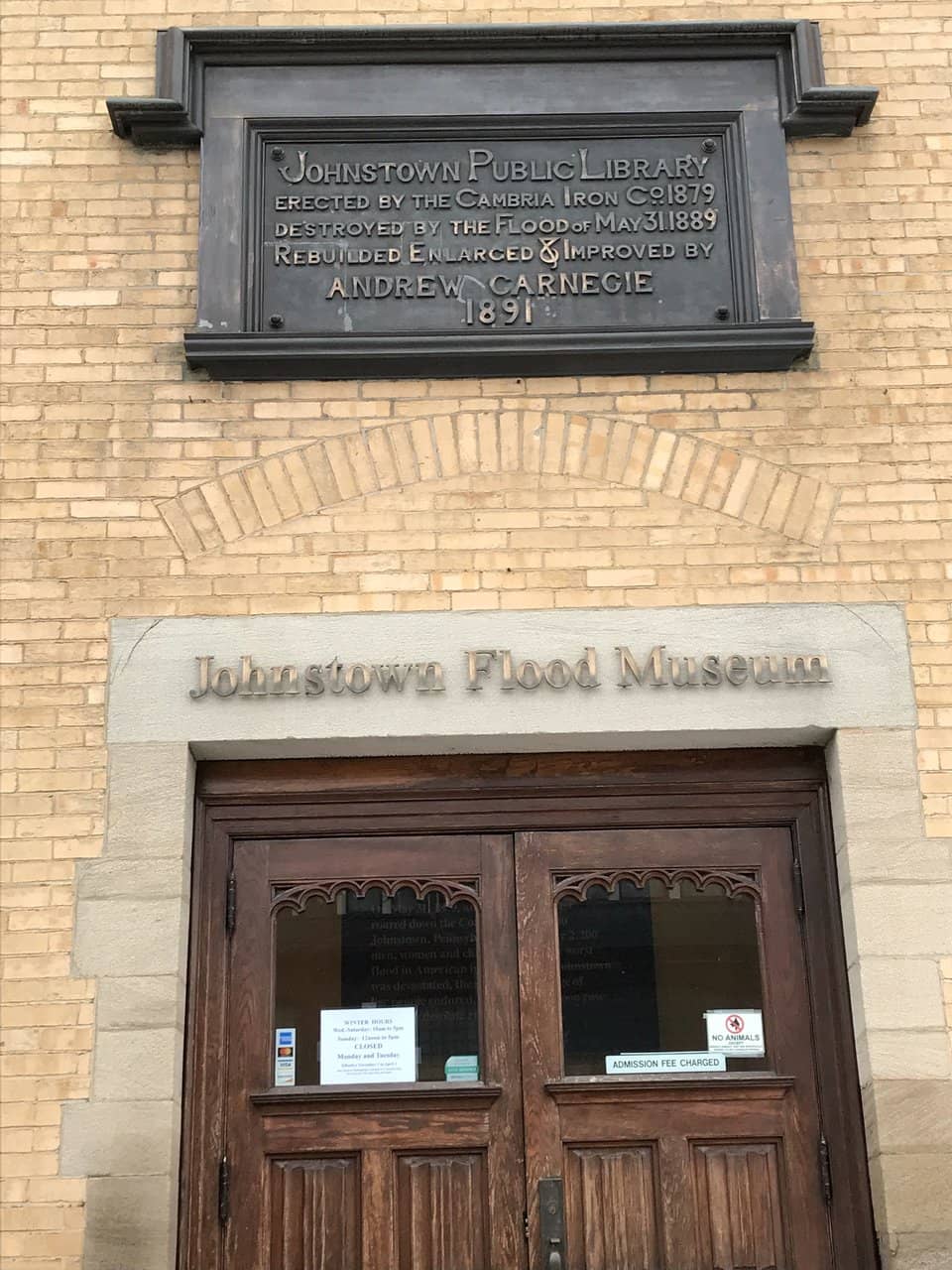
Historic Building
Housed in the old Carnegie Library, the building itself is a significant piece of Johnstown's history.
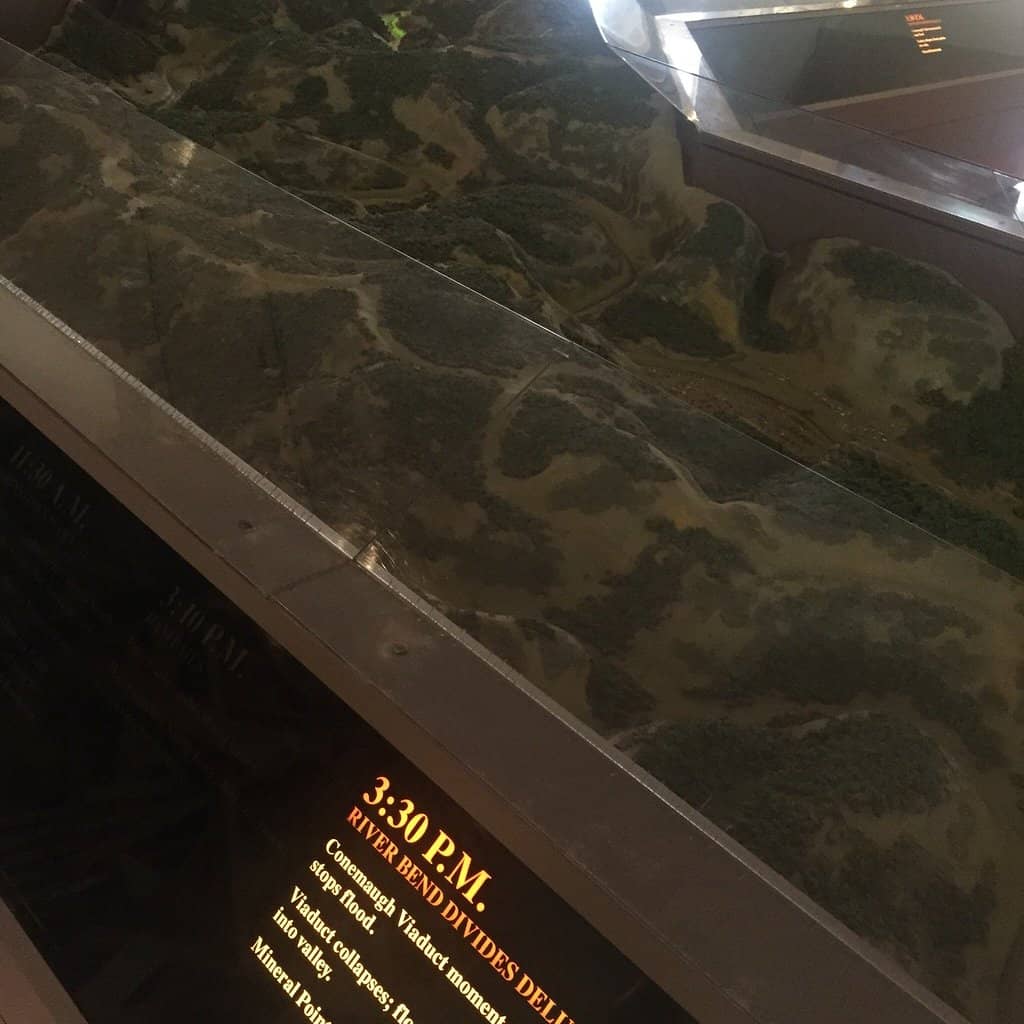
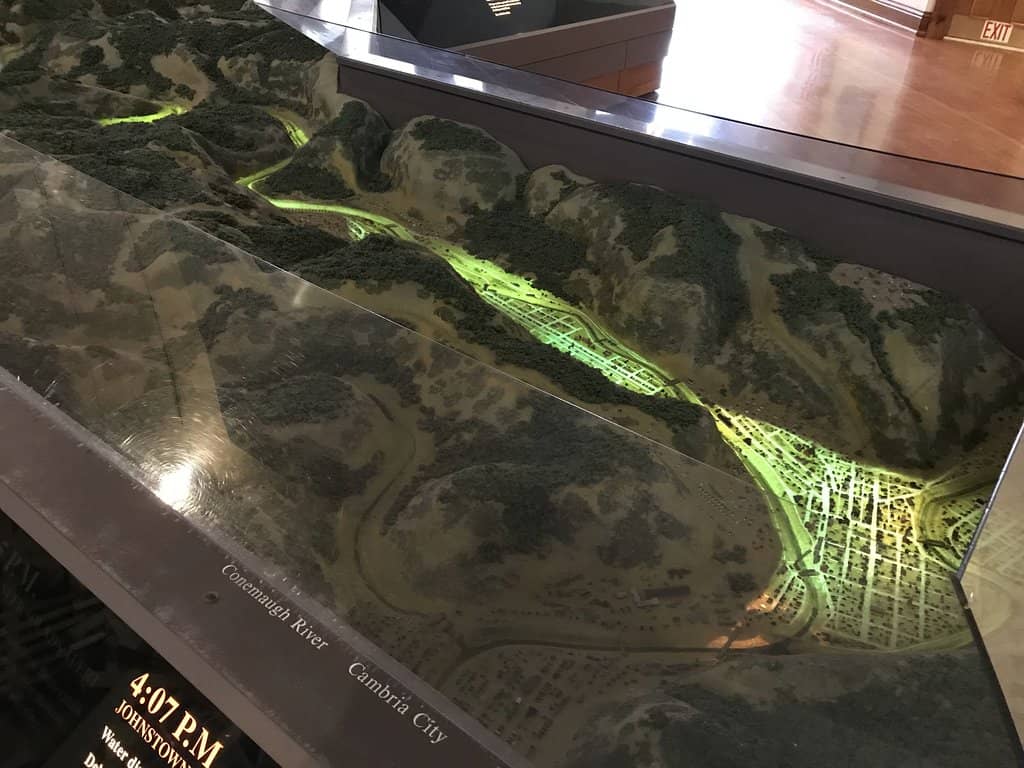
Flood Simulator
Experience a recreated flood event, offering a visceral understanding of the disaster's power.

Plans like a pro.
Thinks like you
Planning Your Visit
Parking Pointers
Timing Your Visit
Best Times
Insider Tips
from TikTok, Instagram & Reddit
Bring Cash for Parking
Some parking lots are cash-only and can be confusing to find. Be prepared! :moneybag:
Watch the Film First
The museum's movie offers essential context for the exhibits. Don't skip it! 🎥 +1
Engage with Staff
Staff and volunteer guides are incredibly knowledgeable and friendly. Ask questions! :bustsinsilhouette:
Explore the Building
The museum is in a historic Carnegie Library. Appreciate the architecture! :classical_building:
Tips
from all over the internet
Bring Cash for Parking
Some parking lots are cash-only and can be confusing to find. Be prepared! :moneybag:
Watch the Film First
The museum's movie offers essential context for the exhibits. Don't skip it! 🎥 +1
Engage with Staff
Staff and volunteer guides are incredibly knowledgeable and friendly. Ask questions! :bustsinsilhouette:
Explore the Building
The museum is in a historic Carnegie Library. Appreciate the architecture! :classical_building:
Check for Events
The museum sometimes hosts special events and conferences. 📅
What Travellers Say
Reviews Summary
Visitors praise the Johnstown Flood Museum for its impactful exhibits, particularly the introductory film and the flood simulator. The knowledgeable and friendly staff, especially volunteer guides, significantly enhance the experience. However, some find the museum a bit 'bare' for the admission fee, and parking can be a point of frustration due to cash-only lots and confusing signage.
"We drove around the block several times looking for parking, and finally parked a block away at a pay to park lot. After getting in, we could see signs for parking, but they were facing the opposite direction as we were driving, and it is across a bridge with a bit of a walk for someone with mobility issues. The museum itself was pretty bare and did not have much to offer, especially considering an admittance fee. The staff at the entrance seemed uninterested in assisting us to get cash to pay for the cash only parking that we had to use, so definitely left a bad taste in our mouths. Fortunately our volunteer tour guide Don was fantastic. Energetic and very knowledgeable about the area and its history. Overall, I'd give a a 3 star review, but the building itself is quite interesting, and the tour guide was what bumped it up to four. For a place lacking in shopping and restaurants, the idea of paying for parking surrounded by empty parking lots seems absurd. I could see Johnstown being a real tourist destination if whoever is in charge would see it through the eyes of an outsider."
Matthew
"The museum is in the old town library. Built after the flood of 1889. Dennis gave me a tour of all three floors. They have an outstanding movie about the town and the flood. Lots of excellent exhibits. Highly recommend visiting this location."
Joseph Russell Johnson III (Rusty)
"Incredibly knowledgeable and friendly staff who assisted with my questions and offered me up some interesting insights and stories about that infamous day! Thank you so much! The video on the flood was phenomenal! Really enjoyed the displays for they truly brought home that tragic and gut-wrenching experience! An hour well spent, indeed!"
Ken Morris
What People Like
What People Dislike
Frequently Asked Questions
🚇 🗺️ Getting There
The Johnstown Flood Museum is located in downtown Johnstown, PA. It's accessible by car, and there are parking options nearby, though some are cash-only and can be a bit confusing to locate. Consider using GPS to navigate to the museum's address. Public transportation options may be limited, so driving is often the most convenient method for visitors.
Yes, there are parking lots near the museum. However, be aware that some are cash-only and signage can be difficult to spot from certain directions. It's advisable to have cash on hand or be prepared for a short walk from a paid lot.
While there isn't specific information about direct bike access to the museum itself, Johnstown has trails like the 'Path of the Flood' trail. If you're biking, you might be able to connect to areas near the museum, but research the trail system beforehand.
Information on public transport directly serving the museum is limited. It's best to check local Johnstown transit schedules if you plan to rely on buses or other public options. Driving is generally recommended for ease of access.
The Johnstown Flood Museum is approximately a 1.5 to 2-hour drive from Pittsburgh, depending on traffic conditions. It's a popular day trip destination for those interested in Pennsylvania history.
🎫 🎫 Tickets & Entry
Admission fees apply for the Johnstown Flood Museum. While specific prices can vary, visitors have noted it's a place where you pay for admittance. It's recommended to check their official website or call ahead for the most current pricing information.
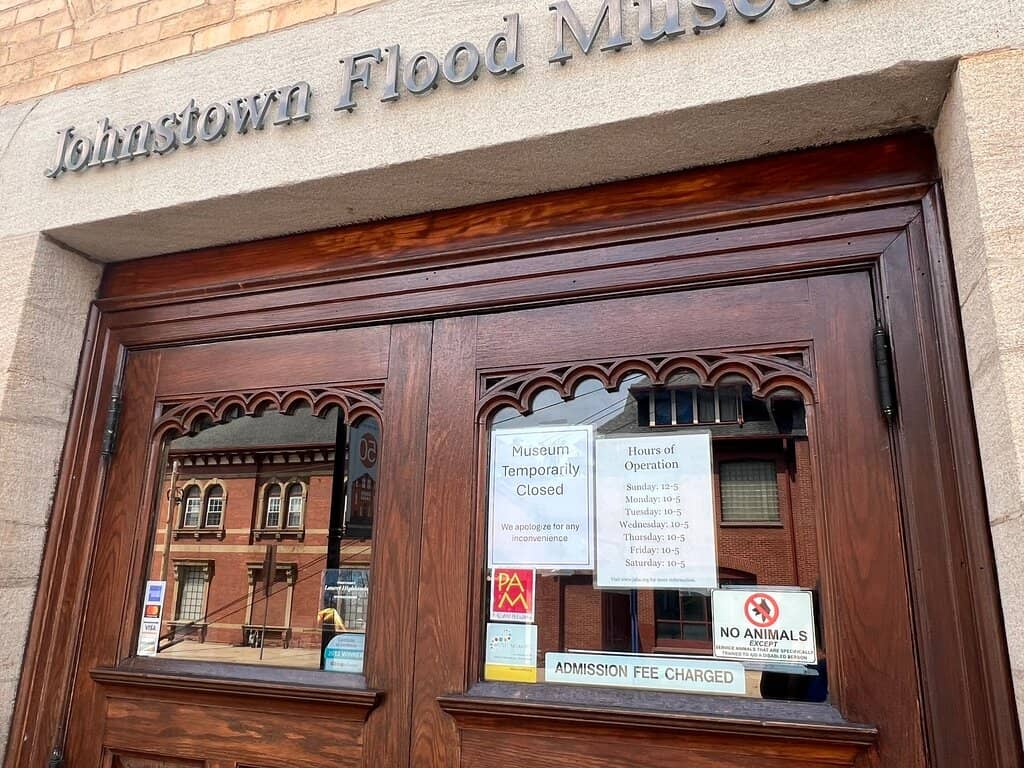
Museum hours can vary, and it's always a good idea to confirm them before your visit. Some social media posts indicate potential changes due to weather, so checking their official channels is advised.
Advance booking is generally not required for the Johnstown Flood Museum, but it's always a good practice to check their website for any special events or group visit policies that might necessitate pre-booking.
Information on specific discounts is not widely available in user-generated content. It's best to inquire directly with the museum about potential discounts for seniors, students, or military personnel.
While some parking lots are cash-only, it's advisable to confirm the accepted payment methods for museum admission. Many museums accept credit cards, but it's wise to check their website or call ahead to be sure.
🎫 🧭 Onsite Experience
The Johnstown Flood Museum features exhibits, artifacts, and maps chronicling the historic 1889 flood. Highlights include an outstanding film about the disaster, a powerful flood aftermath wall, and displays showcasing the town's diverse population and the causes of the flood. +3
Yes, the museum offers interactive elements, including a flood simulator that allows visitors to experience the event's impact.
Most visitors find that an hour is well spent at the Johnstown Flood Museum, especially if you watch the introductory film. However, you could spend longer if you delve deeply into all the exhibits and historical context.
Yes, guided tours are often available and highly recommended. Volunteer tour guides like Don are noted for being fantastic, energetic, and very knowledgeable about the area and its history, significantly enhancing the visitor experience. +1
The museum is housed in the historic old Carnegie Library, built after the 1889 flood. This building is a significant piece of Johnstown's heritage, donated by Andrew Carnegie.
📸 📸 Photography
Photography policies can vary. While some visitors have shared photos online, it's always best to check with museum staff upon arrival regarding their specific rules on photography, especially concerning flash usage.
Iconic photo spots include the historic architecture of the old Carnegie Library exterior, any unique gates or ironwork like the one mentioned by a visitor, and the powerful displays within the museum that capture the flood's impact.
The flood aftermath wall, with its depiction of debris and water height, is a visually striking exhibit. The flood simulator and any displays featuring historical artifacts or maps can also make for compelling photographs.
A standard camera or smartphone is sufficient for capturing the exhibits. If you plan to take photos in lower light conditions inside, a camera with good low-light performance or a tripod (if permitted) could be beneficial.
Yes, the exterior of the historic Carnegie Library building is a great subject for photography. Capturing it from different angles, especially during different times of day, can yield beautiful shots.

Social
from TikTok, Instagram & Reddit