
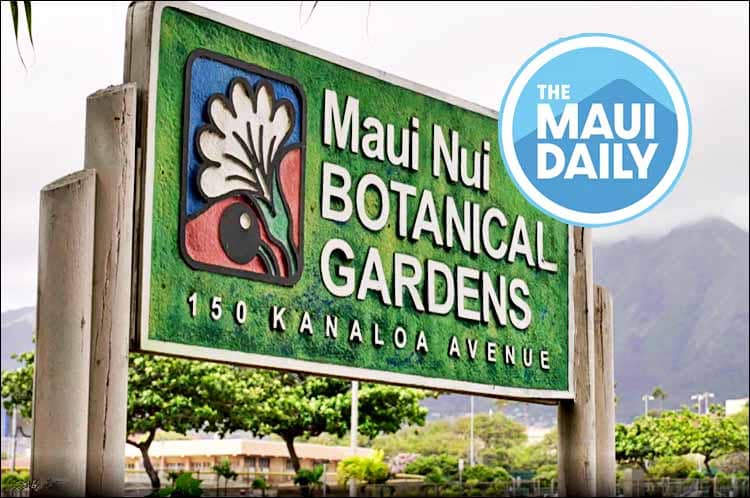
Maui Nui Botanical Gardens
Discover Maui's native flora and rich cultural heritage at this ethnobotanical garden, a sanctuary for rare plants and traditional knowledge.
Highlights
Must-see attractions

Social
From TikTok & Reddit
Best Time
Fewer crowds, more interaction
Maui Nui Botanical Gardens
Best Time
Fewer crowds, more interaction
Highlights
Must-see attractions
Discover Maui's native flora and rich cultural heritage at this ethnobotanical garden, a sanctuary for rare plants and traditional knowledge.
"A WONDERFUL way to pass an hour, learning about plants' ethnobotanical significance and cultural history. "
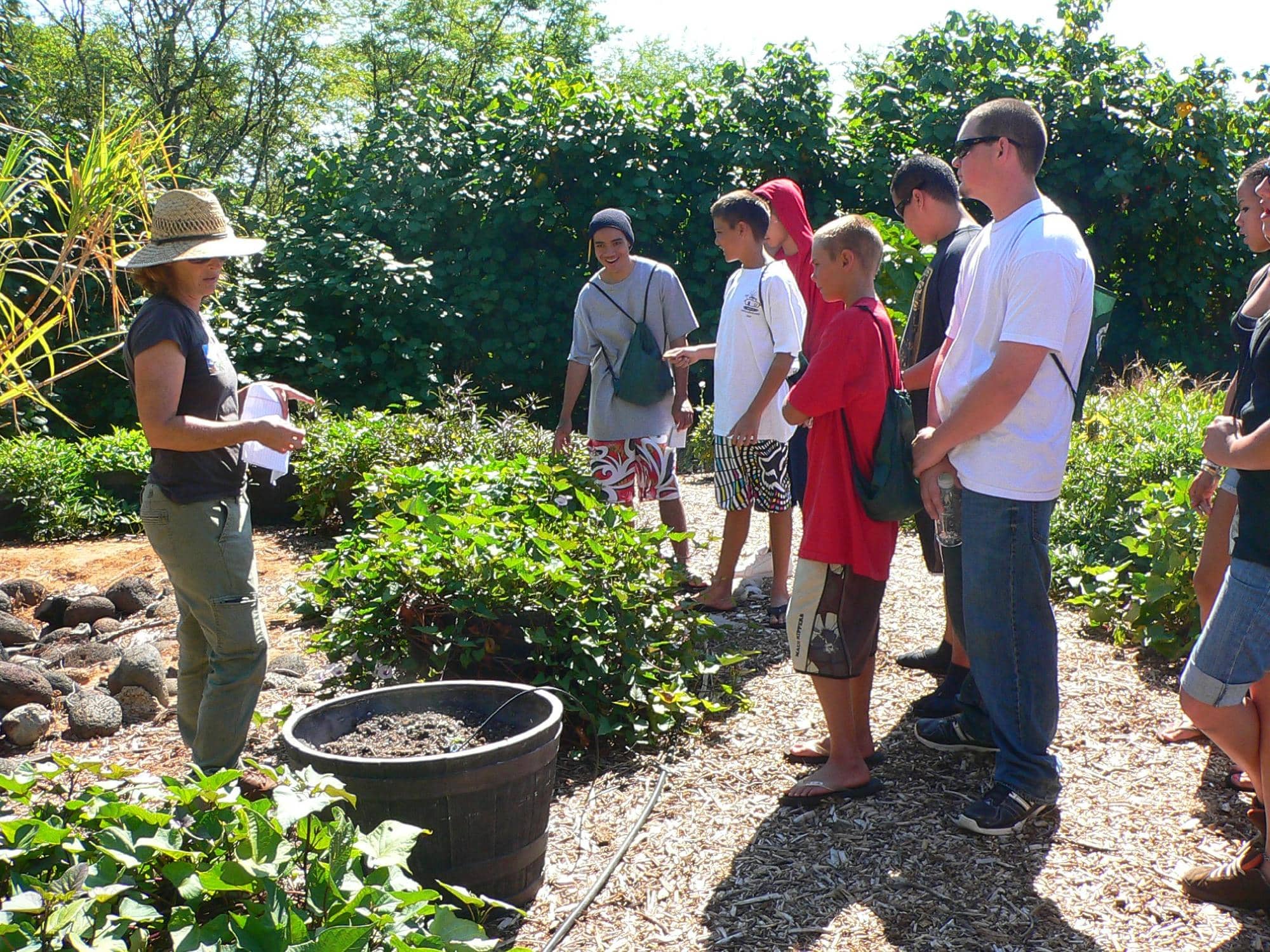
🚶♀️ Stroll & Learn
Allocate 30-60 mins for a good appreciation, or longer for deep dives. Audio tours are informative! :iphone:
💰 Entry Fee Support
Your $10 fee supports volunteers and plant distribution, especially for fire-affected areas.
Quick Facts
Hours
Rating
4.2 · 471 reviews
Type
Botanical Garden
Website
mnbg.orgHighlights
Discover the most iconic attractions and experiences
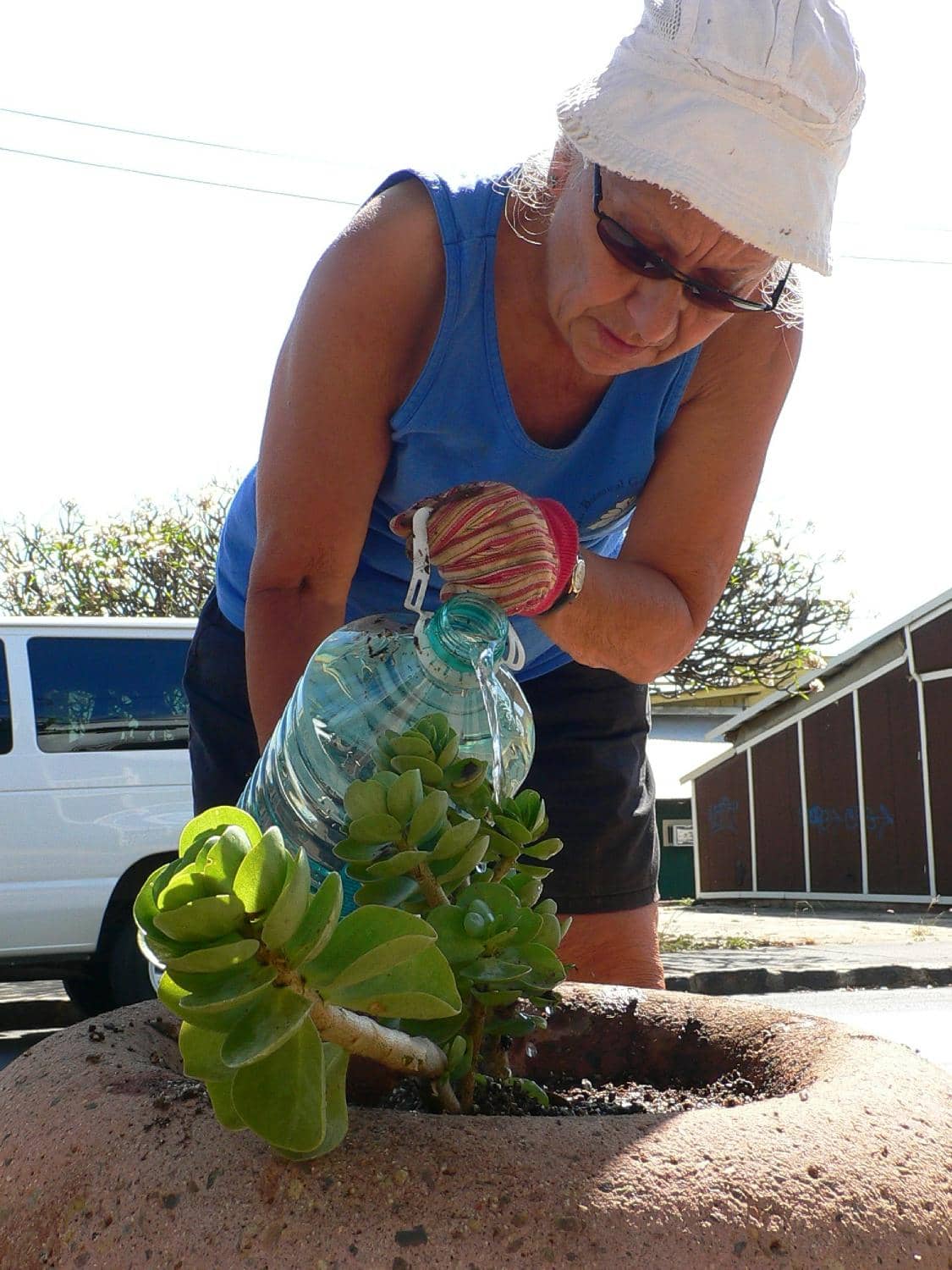
Native Hawaiian Plants
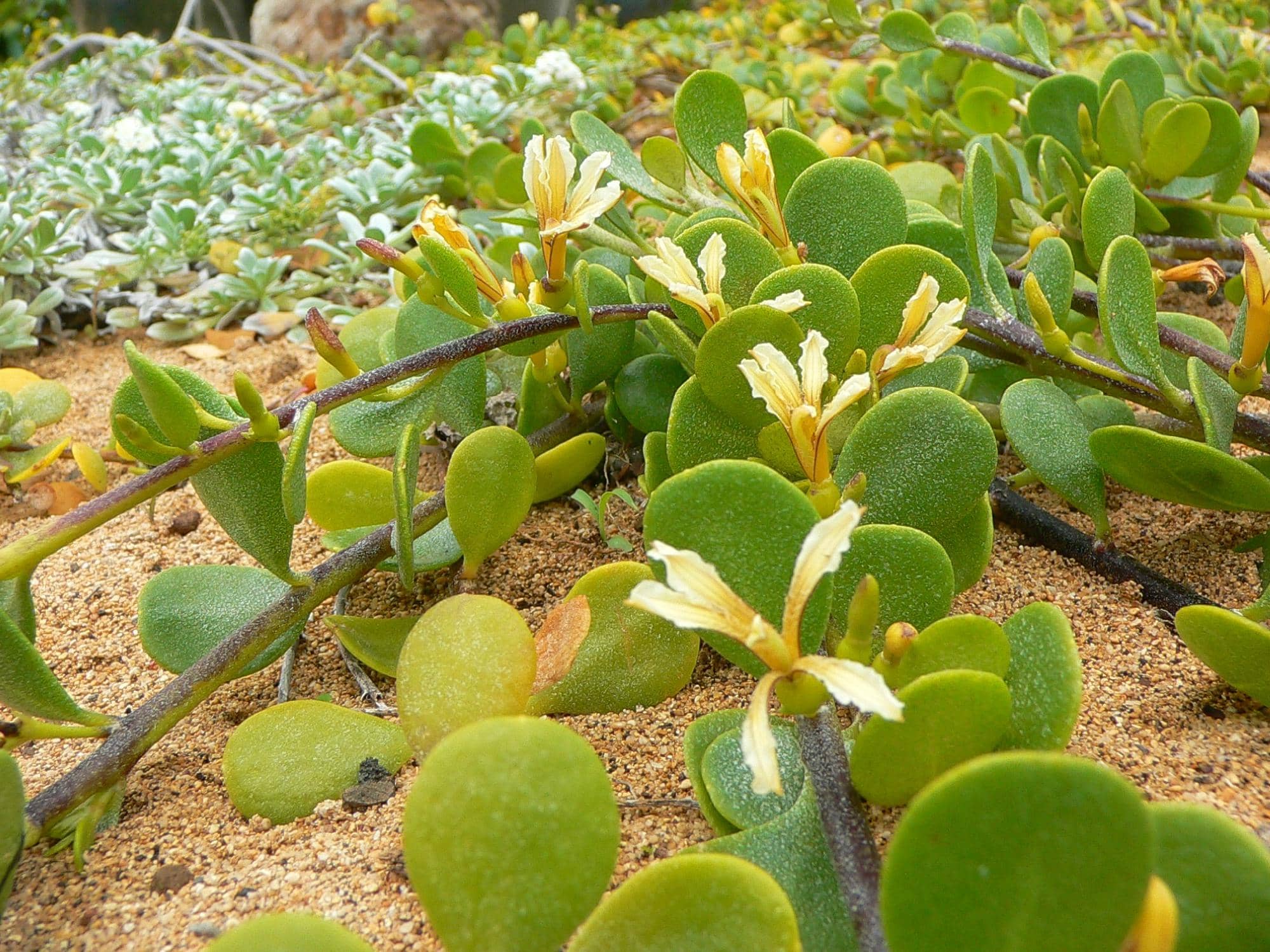
Discover endangered species and plants crucial to Hawaiian culture and history. Learn their traditional uses.
Ethnobotanical Significance
Explore plants used for dyes, clothing, hula, and religious offerings. Understand their deep cultural roots.
Polynesian Voyagers' Plants
See the resourceful plants brought by early Polynesian settlers and their vital role in survival.
Plans like a pro.
Thinks like you
Planning Your Visit
Embrace the Ethnobotany
Volunteer-Run Gem
Best Times
Insider Tips
from TikTok, Instagram & Reddit
🚶♀️ Stroll & Learn
Allocate 30-60 mins for a good appreciation, or longer for deep dives. Audio tours are informative! :iphone:
💰 Entry Fee Support
Your $10 fee supports volunteers and plant distribution, especially for fire-affected areas.
🌱 Support Local Plants
Purchase propagated plants from the garden to take a piece of Maui home. Bring cash!
♿️ Accessible Paths
Mostly flat and shaded paths with seating make it comfortable for all mobility levels.
Tips
from all over the internet
🚶♀️ Stroll & Learn
Allocate 30-60 mins for a good appreciation, or longer for deep dives. Audio tours are informative! :iphone:
💰 Entry Fee Support
Your $10 fee supports volunteers and plant distribution, especially for fire-affected areas.
🌱 Support Local Plants
Purchase propagated plants from the garden to take a piece of Maui home. Bring cash!
♿️ Accessible Paths
Mostly flat and shaded paths with seating make it comfortable for all mobility levels.
🎨 Artist's Vision
Consider the potential for murals on old zoo buildings to enhance the aesthetic.
What Travellers Say
Reviews Summary
Visitors praise Maui Nui Botanical Gardens for its focus on ethnobotany, native plants, and cultural significance, often highlighting the informative audio tour and dedicated volunteers. While some find the $10 entry fee a bit steep for the garden's size, many feel it's well worth it for the educational value and support of conservation efforts, especially given the gardens' role in community aid.
"The negative reviews for this botanical garden are by people who simply don't understand what botanical gardens are meant to be. This facility has numerous endemic, native and culturally relevant species growing on their premises. For many of these species, this garden is one of the ONLY places you will have the opportunity to see them growing. These people are doing the extremely important work of preserving and even cultivating many rare species in an attempt to preserve plants that simply do not exist outside of Hawaii. It's lowland location in Kahalui limits it's inventory to predominantly lowland, dry adapted species, if people bothered to look into even a fraction of the biology of these species, they'd understand that many are drought deciduous and lose their leaves in the Hawaiian summer or periods of drought (as Hawaii is in now) I didn't see a single "dead" plant on the premises, thought some like Erythrina sandwichensis and the Polyscias species had dropped their leaves and we're dormant. This place is incredible if you want to see some biology that exists nowhere else on the planet. If you want some pretty photos of manicured, cultivated plants, you can go literally anywhere else, including the Home Depot garden center."
Benjamin Orzechowski
"If you like plants, appreciate xeriscaping, are intrigued by ethnobotany, enjoy history and strolling through pretty places, this is a WONDERFUL way to pass an hour! You can deep dive and spend longer but 30-60 mins will give you good appreciation.
Plants featured have ethnobotanical significance rather than typical showy gardens. You can see plants from several islands, including endangered plants not possible elsewhere. Learn which plants provided dyes, material for clothing and sails, were used in hula, religious offerings, torch oil etc.
The audio tour was informative and the voices were pleasant. (If you've ever had audio tours with an annoying voice you know what I mean)
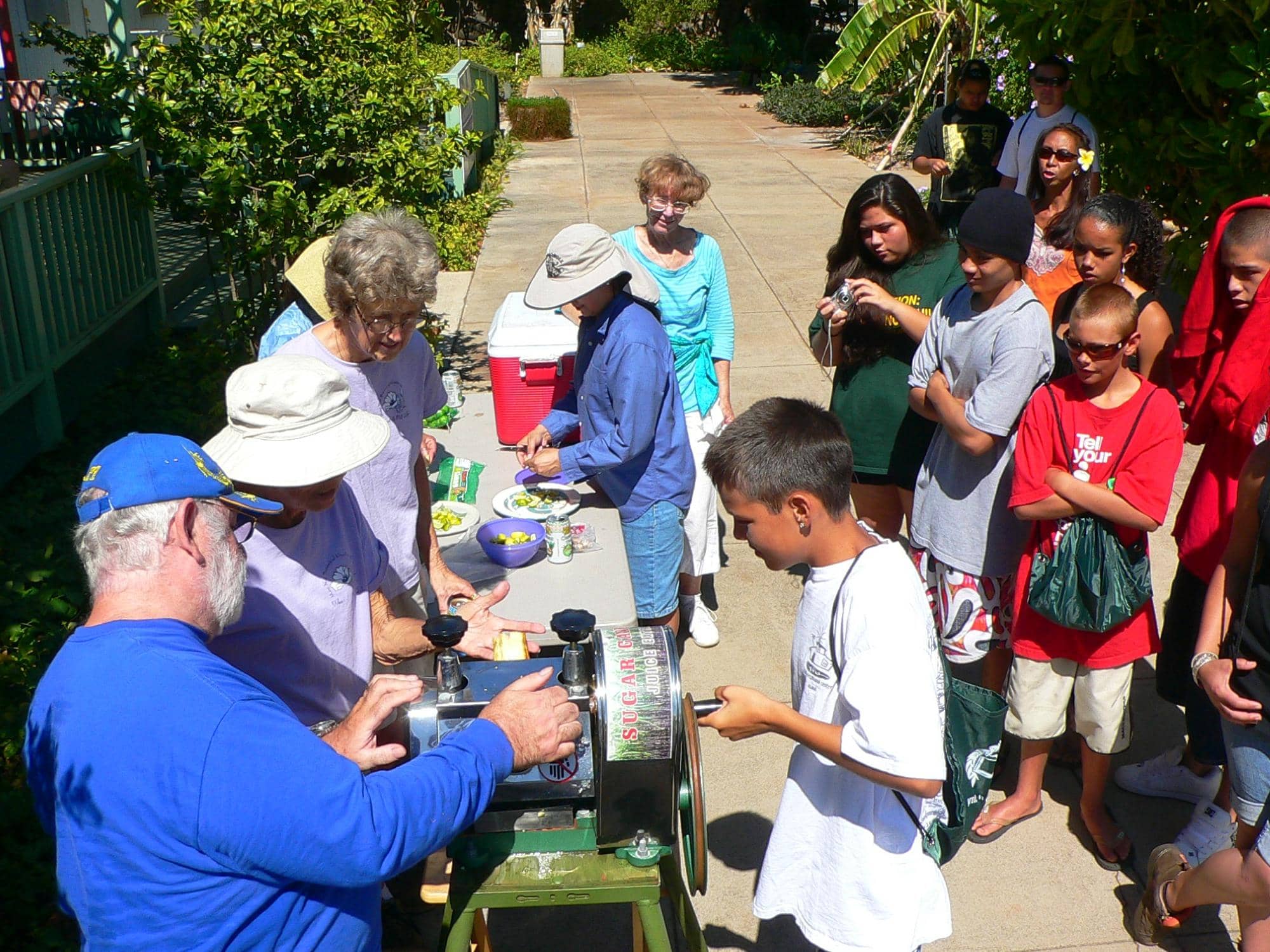
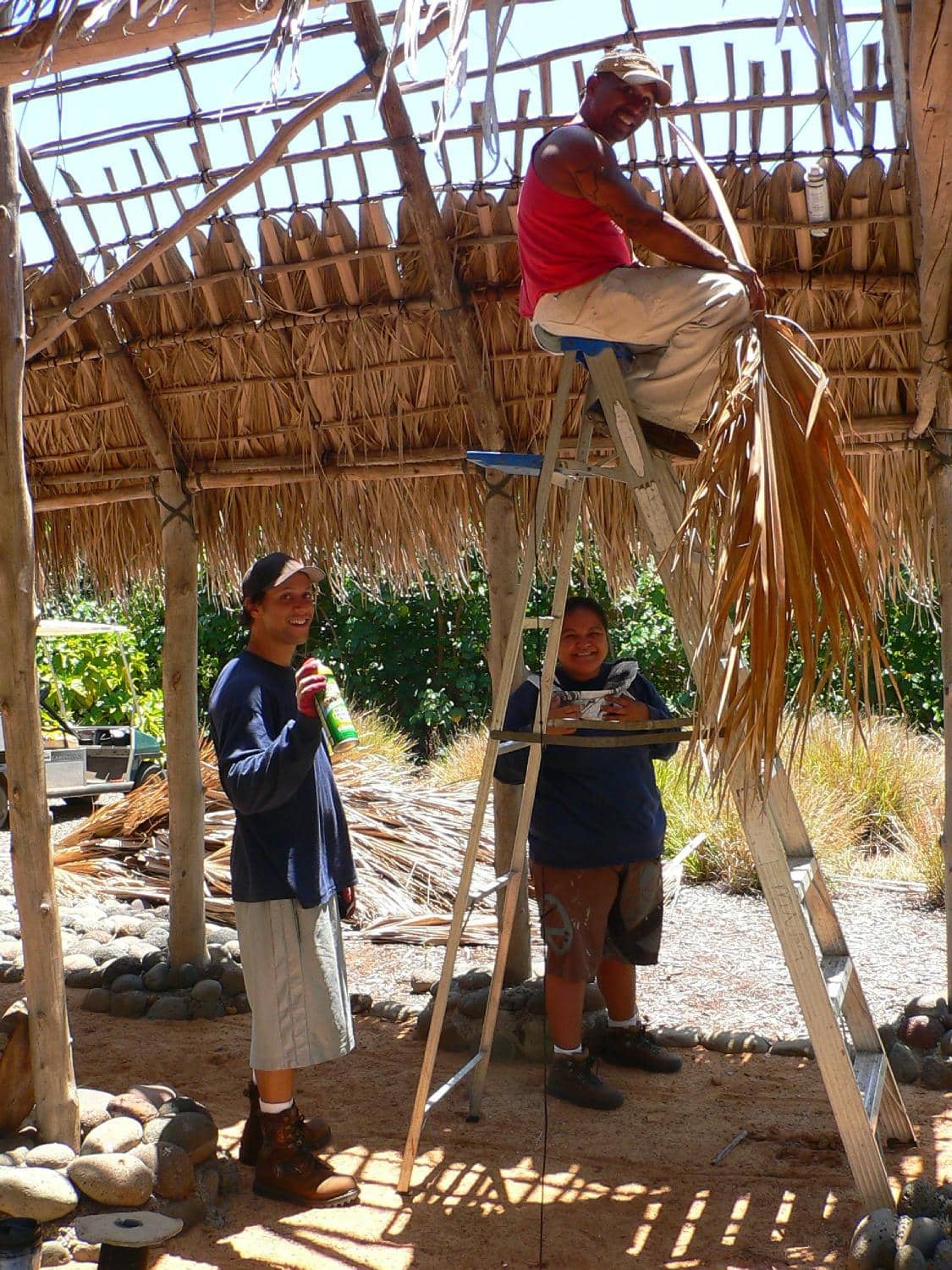
There were classes on traditional plant use the day we visited. Students were preparing and weaving ahu'awa cordage, hala mats and ipu (gourd) preparation. The place is run and maintained by volunteers. They sell propagated plants, but are distributing plants for free to anyone affected by recent fires. This alone makes your $10 entry fee worth it.
There is shade and many places to sit in case anyone in your party is slightly less interested in plants than you are. It's mostly flat in case you have any one with mobility issues.
Free parking in front of the gardens, though the signage is confusing.
My only suggestion for improvement, and this is because I see blank canvases everywhere:
The gardens are on the site on an old zoo and garden, so there are little cement buildings that used to house animal displays. They are pretty stark and bleak. They should have one of the many talented island artists mural the heck out of them. I'm thinking pollinators, birds, animals previously held there. Each little building could have a theme.
Overall I learned new things, got in some steps and had nice conversations with volunteers. #winning"
Lynn Allin-Hall
"Always a joy to visit! And they have helped my haumāna with establishing a Native Hawaiian garden and growing it. Absolutely love it!"
Caroline Hartman
What People Like
What People Dislike
Frequently Asked Questions
🚇 🗺️ Getting There
Maui Nui Botanical Gardens is located at 150 Kanaloa Avenue in Kahului, Maui. Free parking is available in front of the gardens, though signage can be a bit confusing. Some visitors suggest parking across the street at War Memorial Stadium for events.
Information on direct public transport routes to the gardens is limited. It's generally recommended to have a rental car or use ride-sharing services for convenient access.
Visiting on weekday mornings is often recommended to experience fewer crowds and have more opportunities to interact with volunteers.
Yes, there is free parking available in front of the gardens. For larger events like the La Ulu Breadfruit Festival, parking is also available across the street at War Memorial Stadium.
The gardens are mostly flat with ample seating, making them accessible for individuals with mobility concerns.
🎫 🎫 Tickets & Entry
The admission fee is $10 per person. This fee directly supports the garden's operations and volunteer efforts.
While generally not free, donations are appreciated, especially for events like Arbor Day where food donations to the Maui Food Bank are encouraged.
Operating hours can vary, especially for special events. It's best to check their official website or social media for the most up-to-date information.
Tickets are typically purchased upon arrival. For specific events, advance booking might be necessary, so check the event details.
Admission generally includes access to the gardens and the informative audio tour. Special workshops or classes may have separate fees.
🎫 🌿 Onsite Experience
The gardens focus on native Hawaiian plants and Polynesian-introduced species, many of which are endangered. You'll find plants with significant ethnobotanical uses.
Yes, an informative audio tour is available, featuring pleasant narration that enhances the learning experience about the plants and their cultural significance.
While an audio tour is provided, the gardens are largely maintained by volunteers who are often available to share their knowledge and answer questions.
A leisurely stroll of 30-60 minutes is recommended for a good appreciation, but you can easily spend longer if you wish to delve deeper into the ethnobotanical information.
Yes, the gardens frequently host events like Arbor Day giveaways, breadfruit festivals, and workshops on traditional plant uses, such as making kapa or cordage. 
📸 📸 Photography
Photography is generally allowed and encouraged to capture the beauty and cultural significance of the plants.
Look for unique native plants, cultural displays, and the peaceful, natural settings. The variety of flora offers many picturesque opportunities.
Tripod usage policies can vary. It's advisable to check with the garden staff upon arrival to ensure compliance with any regulations.
Drone usage is typically restricted in botanical gardens and public spaces to ensure the safety and tranquility of visitors and the environment. Please check with the garden administration for specific rules.
Early morning or late afternoon often provides the best natural light for photography, creating softer shadows and a more serene atmosphere.




Social
from TikTok, Instagram & Reddit