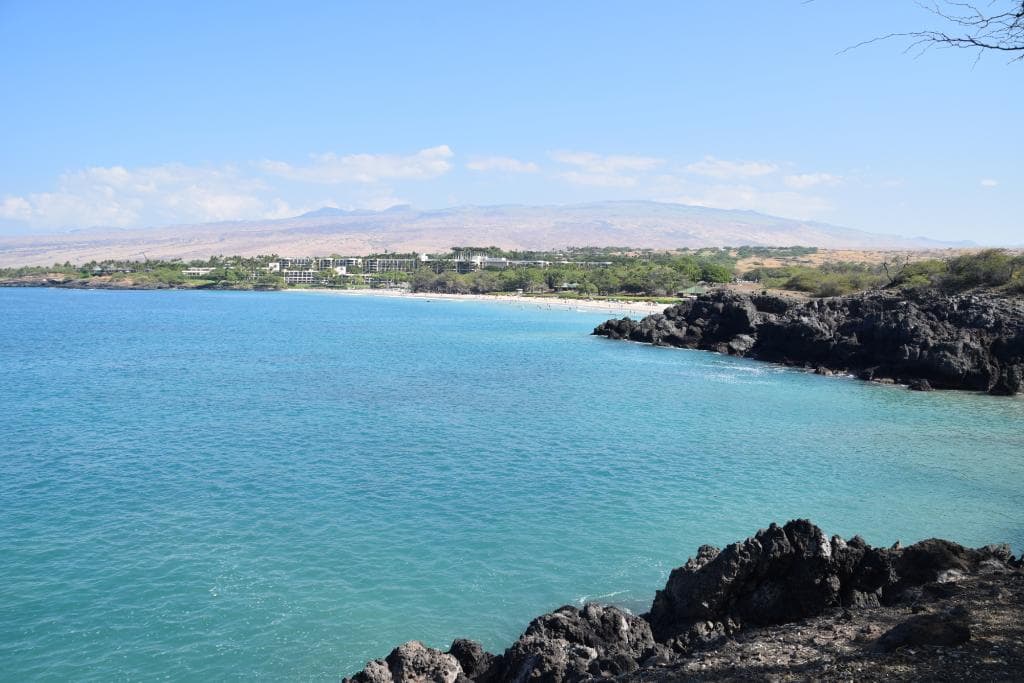
Ala Kahakai National Historic Trail Kona Coast
Explore 175 miles of ancient Hawaiian coastal paths, blending history, stunning views, and rugged beauty.
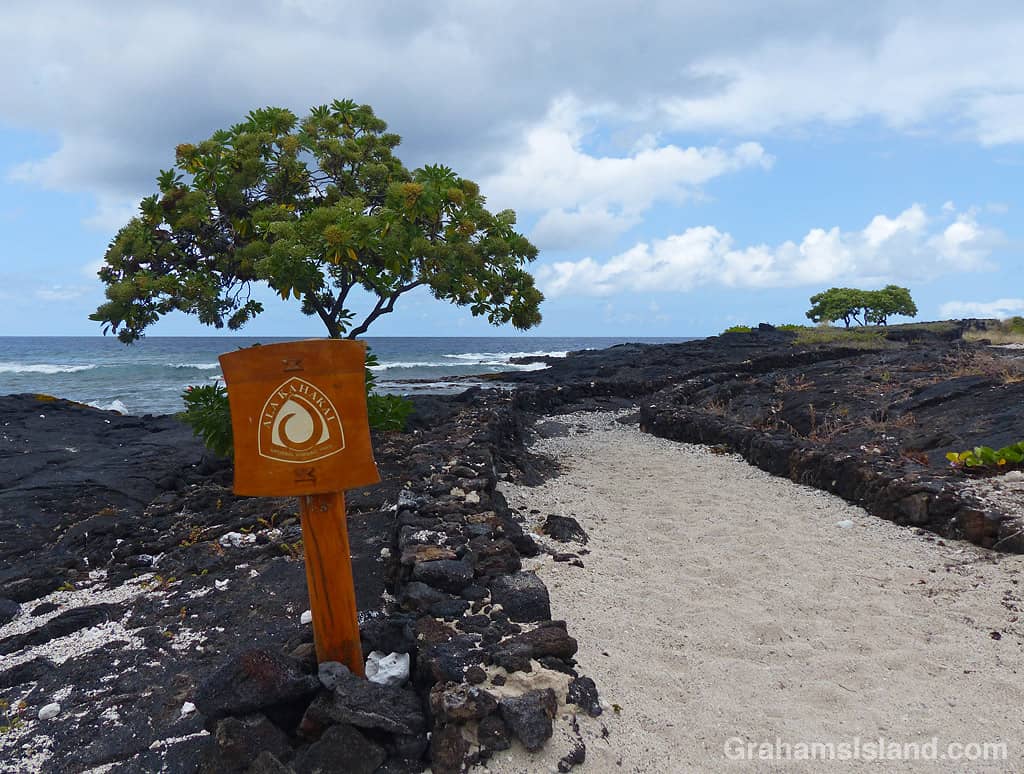
Highlights
Must-see attractions

Social
From TikTok & Reddit
Best Time
Beat the heat and crowds
Ala Kahakai National Historic Trail Kona Coast
Best Time
Beat the heat and crowds
Highlights
Must-see attractions
Explore 175 miles of ancient Hawaiian coastal paths, blending history, stunning views, and rugged beauty.
"Respect the lands or she will eat you up.. the beach is wonderful, warm, shallow water; super nice to swim into."
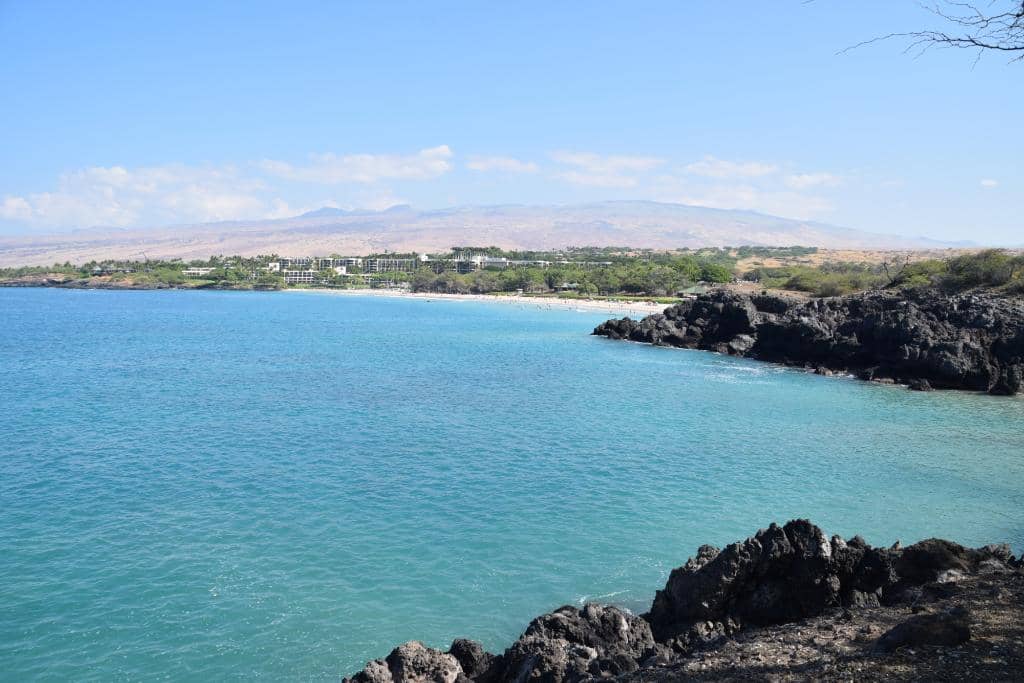
☀️ Bring Plenty of Water!
Zero shade means dehydration is a real risk. Carry more water than you think you'll need.
👟 Sturdy Footwear is Key
The terrain is varied and can be rough. Good hiking shoes are essential for comfort and safety.
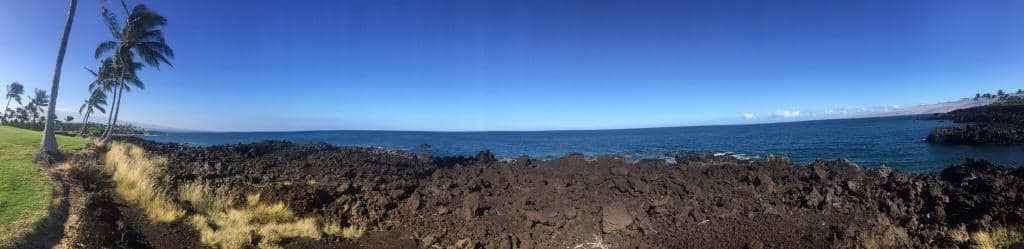
Quick Facts
Rating
4.7 · 453 reviews
Type
Hiking Area
Highlights
Discover the most iconic attractions and experiences
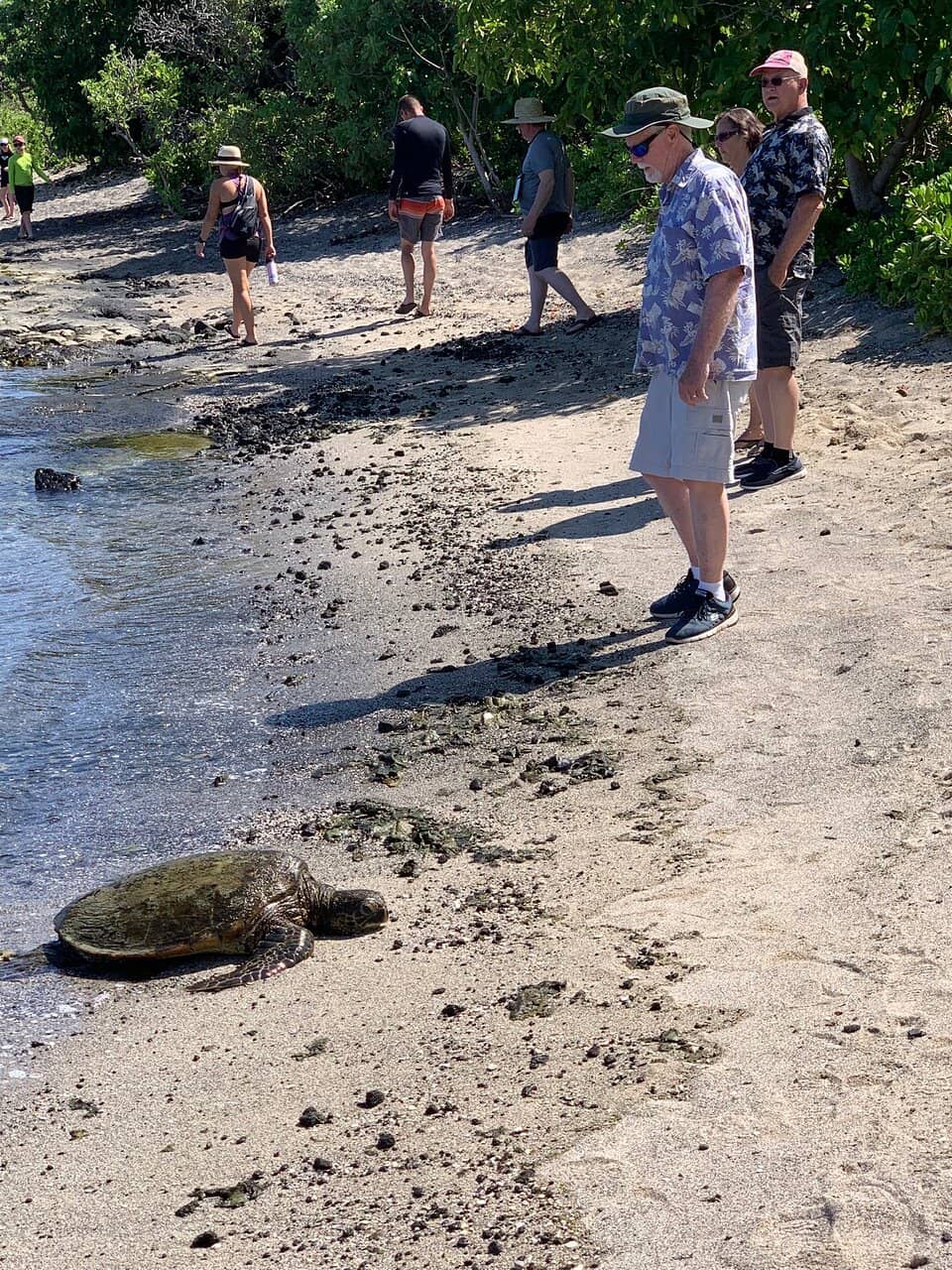
Kīholo Bay
North Kona Coast
A stunning coastal area with lava fields, a beautiful bay, and ancient fishponds. Perfect for photography and exploring.
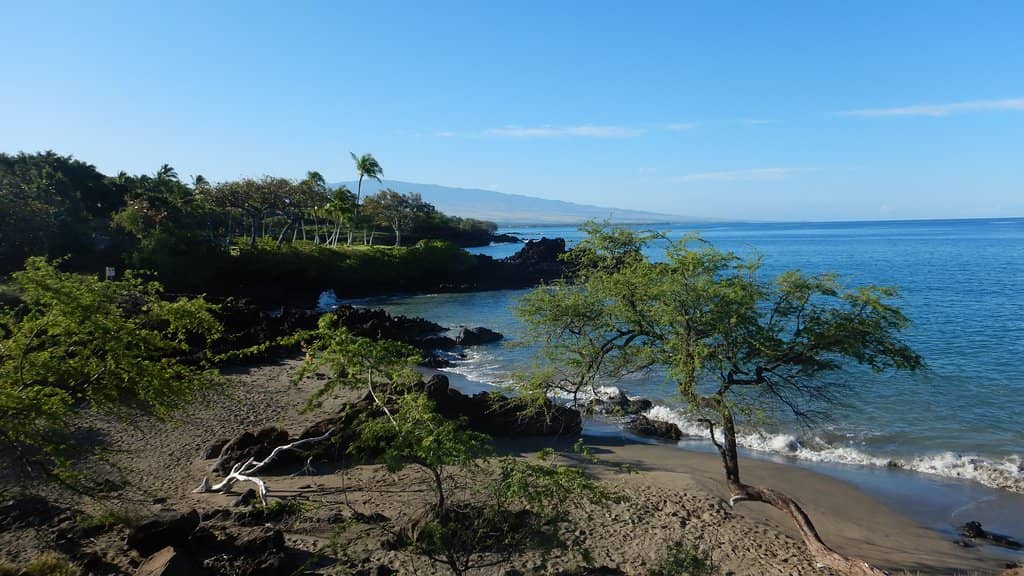
Waikoloa Beach Resort Area
Waikoloa
Experience the trail's integration with modern resorts, offering sunset views and a unique blend of history and leisure.
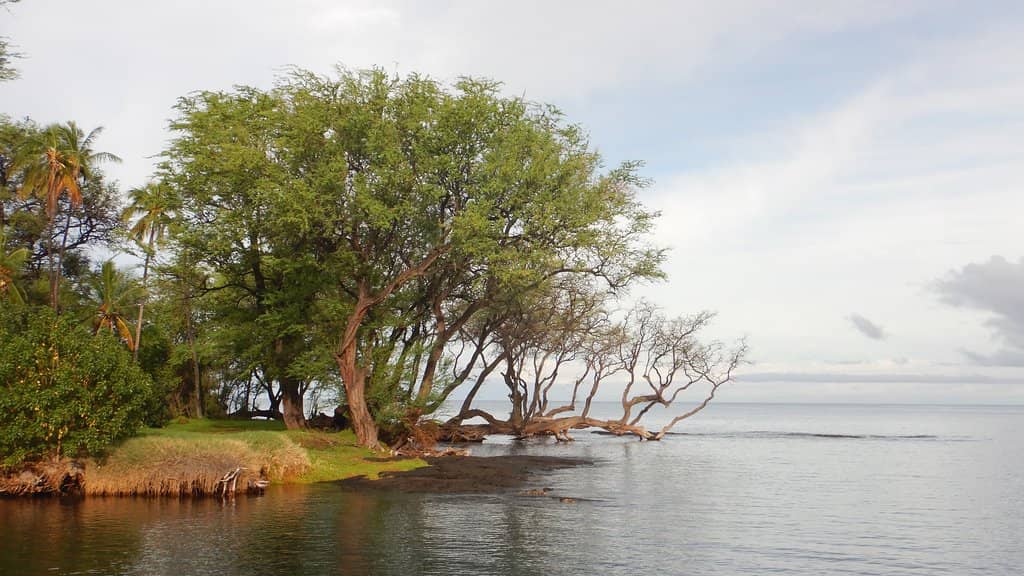
Historical Significance
Various points along the trail
Discover ancient Hawaiian history, sacred sites, and learn about the cultural importance of this coastal pathway.
Plans like a pro.
Thinks like you
Planning Your Visit
Respect the Trail and the Elements
Navigation and Accessibility
Best Times
Insider Tips
from TikTok, Instagram & Reddit
☀️ Bring Plenty of Water!
Zero shade means dehydration is a real risk. Carry more water than you think you'll need.
👟 Sturdy Footwear is Key
The terrain is varied and can be rough. Good hiking shoes are essential for comfort and safety.
🗺️ Download Offline Maps
Cell service can be spotty. Ensure you have offline maps of the trail sections you plan to hike.
🌅 Sunset Views
Many sections offer incredible sunset vistas over the Pacific Ocean.
Tips
from all over the internet
☀️ Bring Plenty of Water!
Zero shade means dehydration is a real risk. Carry more water than you think you'll need.
👟 Sturdy Footwear is Key
The terrain is varied and can be rough. Good hiking shoes are essential for comfort and safety.
🗺️ Download Offline Maps
Cell service can be spotty. Ensure you have offline maps of the trail sections you plan to hike.
🌅 Sunset Views
Many sections offer incredible sunset vistas over the Pacific Ocean.
🎒 Pack Light, Hike Smart
Focus on essentials. The trail can feel longer than its mileage due to the terrain.
What Travellers Say
Reviews Summary
Visitors praise the Ala Kahakai Trail for its stunning coastal scenery, historical significance, and unique blend of natural beauty and ancient Hawaiian culture. Many appreciate the opportunity to explore diverse landscapes and learn about the island's past. However, the trail's lack of shade, challenging terrain, and potential for extreme heat are frequently cited as significant drawbacks, requiring thorough preparation.
"I was fortunate enough to have met Turtle (A Local Legend).. He gave us an amazing history lesson and showed us the true green sand..
Do not go on this hike alone, without someone expecting you back before dark..
There is 0 shade the entire time.. & NOT and easy journey! I saw too many people that were Way In Over Their Heads for the hike they were already committed and involved in... Hot, Dry, windy and No visibility through the canyon walls that towered over my head at 6'6.. They say it is 2.5 miles, but seemed like 6 miles one way.. nothing is straight, just weaving back and forth climbing up and down..
Respect the lands or she will eat you up.."
Jason Rabon
"The beach is wonderful, warm, shallow water; super nice to swim into and the trail goes along the ocean shore through a “cemetery” of corals and varied coastal landscape. Great place to watch the sunset from several locations including the resort."
Ioana Cozmuta
"Cool place to learn some of the Hawaiian history. They had a short film that you could watch that explained a lot of the history and details with information I had not heard about before. Then you can go and explore the park. They do have a jr ranger program and badger here if you like doing those. We spent a couple of hours here but if you’re into history you could probably spend even more. There is no beach access within the park as it is considered sacred ground. But there is a poplar snorkeling beach just outside the park where you can cool off."
Seth Christensen
What People Like
What People Dislike
Frequently Asked Questions
🚇 🗺️ Getting There
The Ala Kahakai National Historic Trail is a 175-mile path along the Big Island's coastline, with numerous access points. You can find trailheads near Kīholo Bay, Waikoloa Beach Resort, and other coastal areas. Some sections are integrated into resort pathways, so using Google Maps to trace your route is advised.
While the trail spans 175 miles, hiking the entire length is a significant undertaking. Many visitors opt to explore specific, accessible sections that offer historical insights and beautiful coastal scenery.
Given the trail's length and varied terrain, downloading offline maps is highly recommended. Some parts merge with sidewalks in populated areas, so having a digital guide can prevent confusion.
Public transportation on the Big Island can be limited, especially to more remote trail access points. Renting a car is generally the most convenient way to reach various starting points along the Ala Kahakai Trail.
The Ala Kahakai Trail is primarily a hiking path. While you can drive to various access points along the coast, the trail itself is meant for walking and exploring on foot.
🎫 🎫 Tickets & Entry
No, the Ala Kahakai National Historic Trail is a public trail and does not require an entrance fee or tickets. It's part of the National Park Service, but access to most sections is free.
The trail is generally accessible year-round, from sunrise to sunset. However, specific access points within parks or resorts might have their own hours. Always check local advisories.
While there isn't a dedicated visitor center solely for the Ala Kahakai Trail, you can find information at nearby National Park Service sites or local visitor information centers on the Big Island. Some areas may have interpretive signs.
For day hiking, no permits are typically required. However, if you plan to backpack or camp along the trail, you will likely need to obtain permits from the relevant land management agencies, which may include the National Park Service or State Parks. Research is crucial for overnight stays.
Pet policies can vary depending on the specific section of the trail and the land it traverses. Generally, pets are not allowed in protected natural or cultural areas. It's best to check with the National Park Service or local authorities for specific regulations.
🎫 🧭 Onsite Experience
Expect varied terrain including sandy beaches, rocky lava fields, coastal paths, and some paved sections near resorts. The trail can be uneven and challenging in places, with significant elevation changes on some segments.
Shade is extremely limited, especially on the more exposed coastal sections. It's crucial to wear sun protection, including hats, sunscreen, and sunglasses, and to carry ample water.
The trail passes by numerous ancient Hawaiian sites, including heiau (temples), fishponds, and petroglyphs. It offers a unique opportunity to learn about the island's rich history and cultural heritage.
Some shorter, more accessible sections near resorts or beaches might be suitable for families. However, longer or more rugged parts are not recommended for young children due to the terrain and lack of shade.
You might see various coastal birds, sea turtles (honu) basking on beaches, and possibly monk seals. Always maintain a respectful distance from wildlife.
📸 📸 Photography
Kīholo Bay offers dramatic lava formations and a beautiful bay. The coastal stretches provide stunning ocean views, especially at sunrise and sunset. Look for ancient fishponds and unique geological features. 
The 'golden hours' – shortly after sunrise and before sunset – offer the most dramatic and beautiful lighting for photography. Midday sun can be harsh.
A versatile camera with a good zoom lens is useful for capturing landscapes and wildlife. A wide-angle lens is great for expansive coastal views. Consider a polarizing filter to enhance ocean colors and reduce glare.
Drone usage is often restricted in National Parks and protected areas. Always check the specific regulations for the section of the trail you plan to visit before flying a drone.
Focus on the ancient fishponds, heiau ruins, and petroglyphs. Include elements of the natural landscape to provide context and scale to these historical remnants.


Social
from TikTok, Instagram & Reddit