Jet Propulsion Laboratory (JPL)
Explore NASA's Jet Propulsion Laboratory, a hub for robotic space exploration, from Mars rovers to deep space missions. Free tours available!
Highlights
Must-see attractions

Social
From TikTok & Reddit
Best Time
Fewer crowds, more focus
Jet Propulsion Laboratory (JPL)
Best Time
Fewer crowds, more focus
Highlights
Must-see attractions
Explore NASA's Jet Propulsion Laboratory, a hub for robotic space exploration, from Mars rovers to deep space missions. Free tours available!
"Walking around JPL feels like being in a sci-fi movie where the budget went into brains instead of costumes."
🎯 Book Tours Early!
Free tours fill up fast. Reserve your spot well in advance to avoid disappointment.
👟 Wear Comfortable Shoes
You'll be doing a fair amount of walking during the 2.5-hour tour.
Quick Facts
Hours
Rating
4.7 · 659 reviews
Type
Research Institute
Highlights
Discover the most iconic attractions and experiences
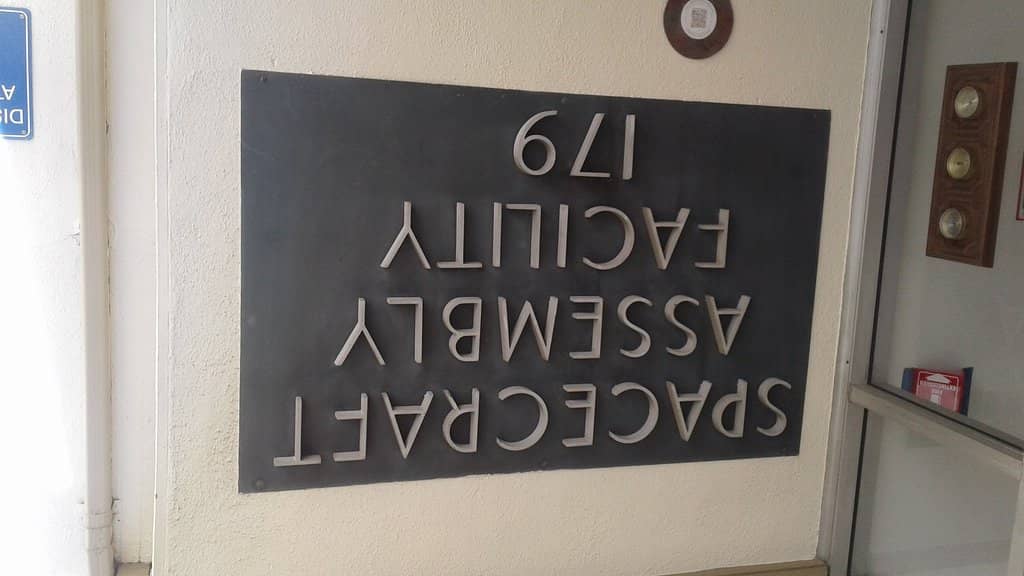
Spacecraft Assembly Facility
Clean Room Viewing Area
Witness where robotic spacecraft are assembled for missions across the solar system. See active projects up close!
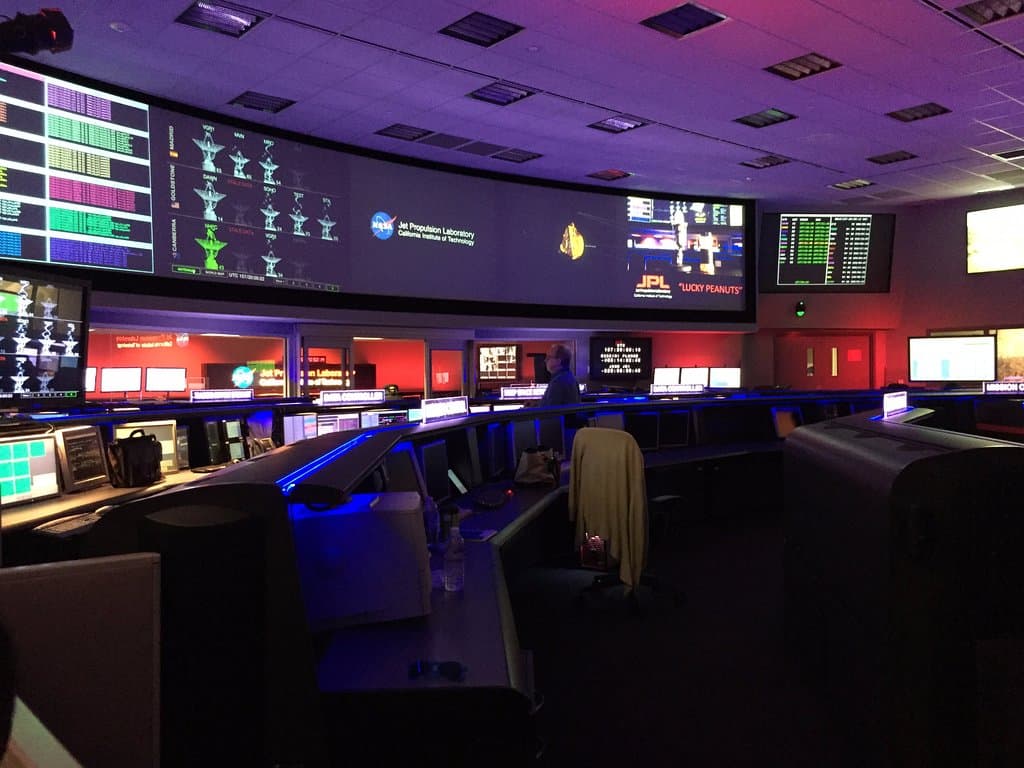
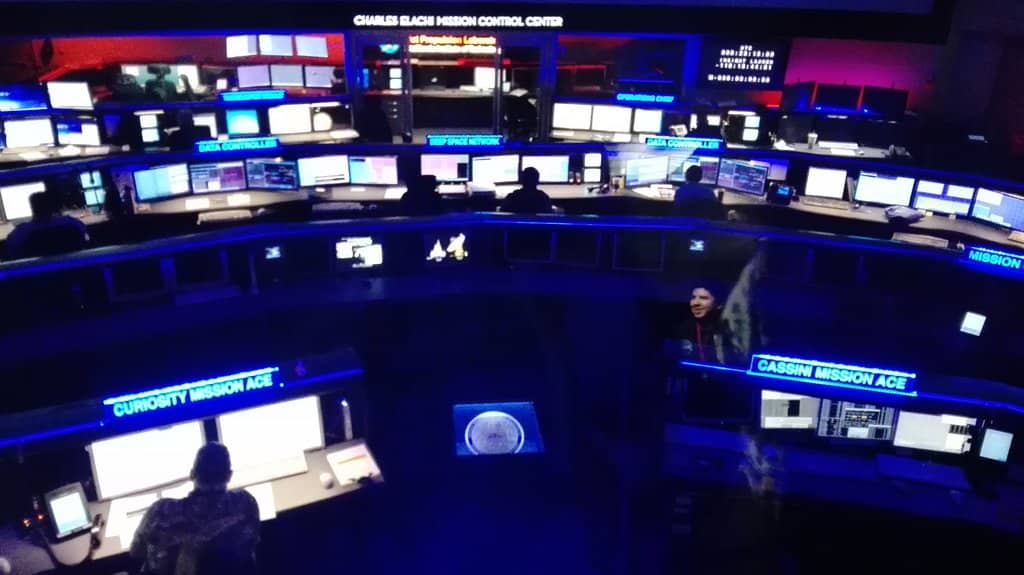
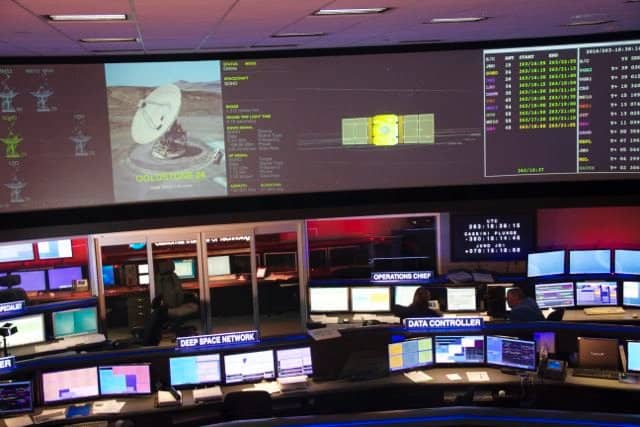
Mission Control Center
Space Flight Operations Facility
Get a view of the nerve center where data is received and commands are sent to active missions like JWST and Voyager.
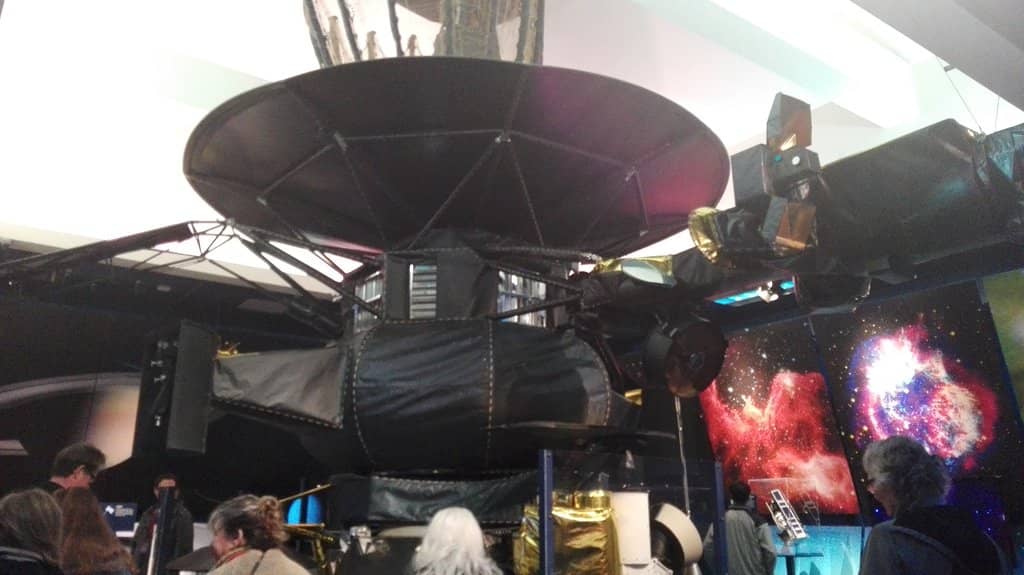
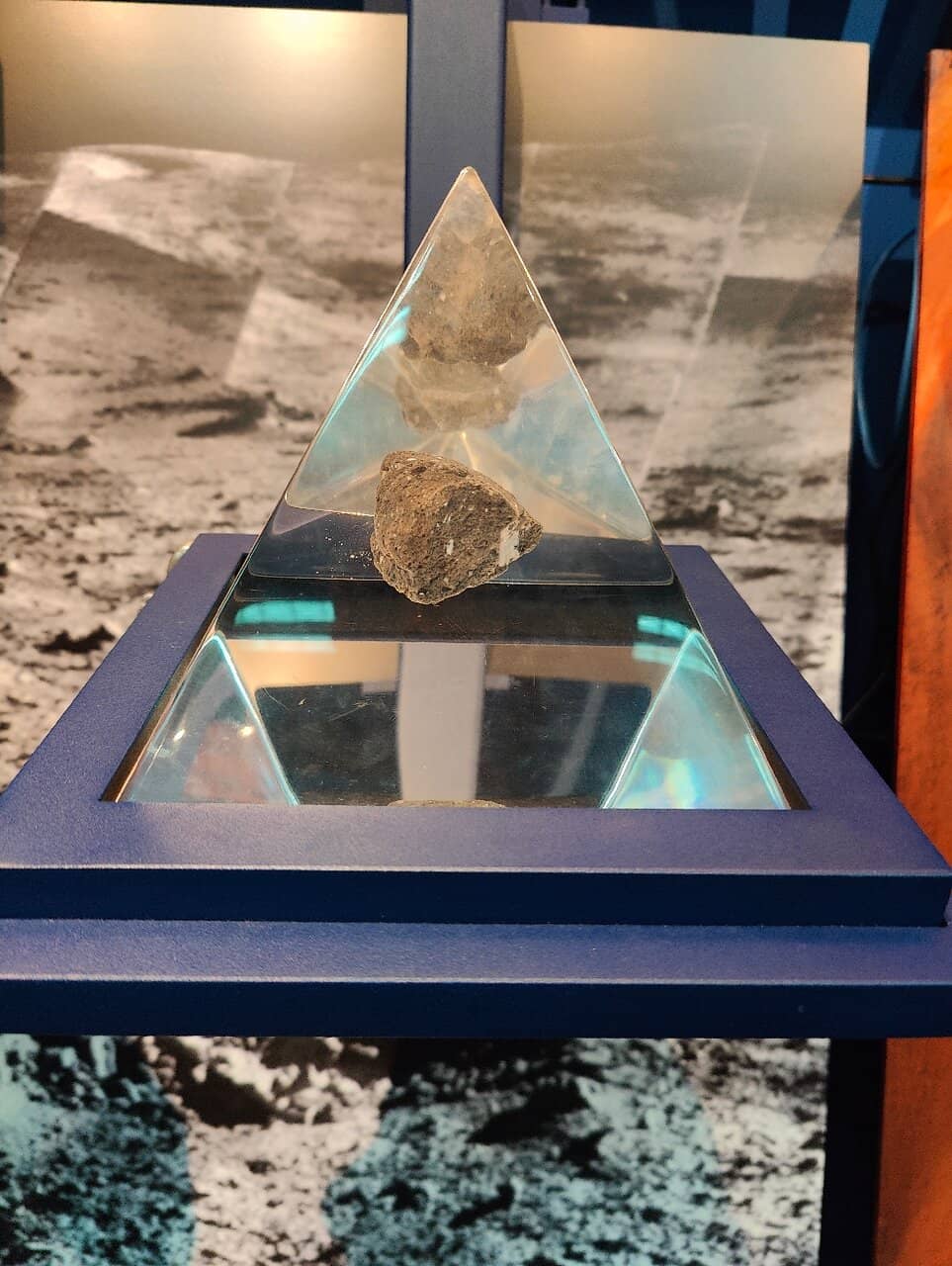
Scale Models of Iconic Missions
Visitor Center
Marvel at detailed models of legendary spacecraft like Voyager, Cassini, and the Mars rovers. A history lesson in space!
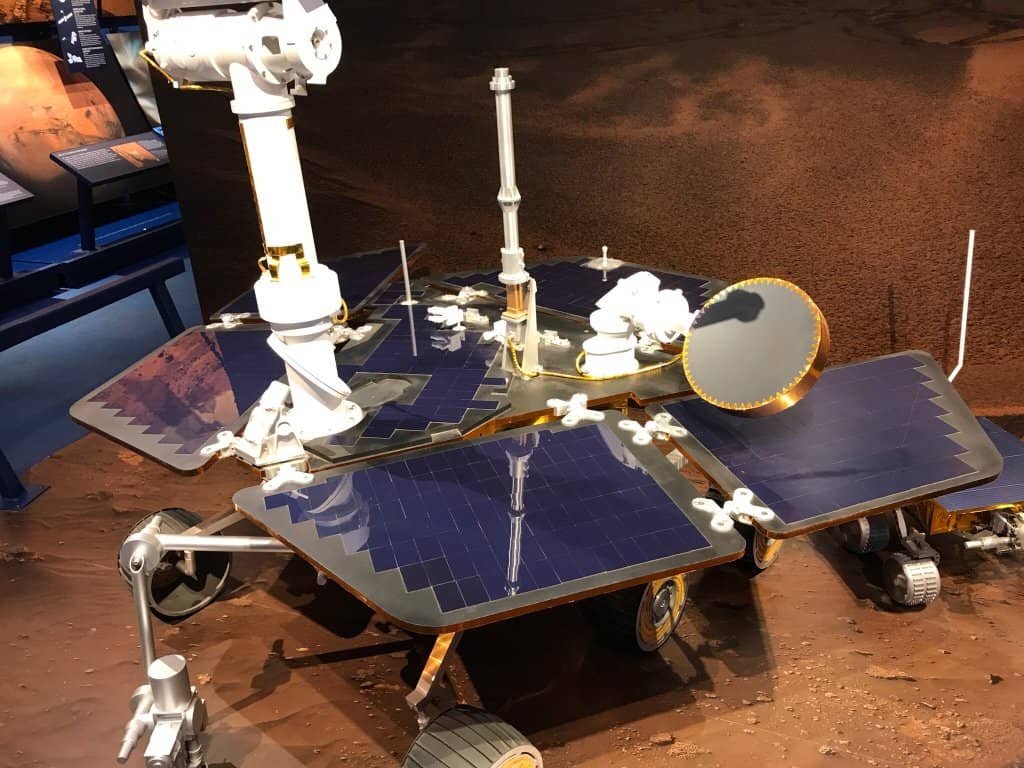
Robotics and Rover Exhibits
Visitor Center
See life-size models of Mars rovers and learn about the cutting-edge robotics developed for planetary exploration.

Plans like a pro.
Thinks like you
Planning Your Visit
Book Your Tour in Advance
No Unescorted Access
Best Times
Insider Tips
from TikTok, Instagram & Reddit
🎯 Book Tours Early!
Free tours fill up fast. Reserve your spot well in advance to avoid disappointment.
👟 Wear Comfortable Shoes
You'll be doing a fair amount of walking during the 2.5-hour tour.
❓ Ask Lots of Questions
Guides are knowledgeable and eager to share insights about JPL's work.
📸 Photo Ops Galore
Capture memories with spacecraft models and exhibits.
Tips
from all over the internet
🎯 Book Tours Early!
Free tours fill up fast. Reserve your spot well in advance to avoid disappointment.
👟 Wear Comfortable Shoes
You'll be doing a fair amount of walking during the 2.5-hour tour.
❓ Ask Lots of Questions
Guides are knowledgeable and eager to share insights about JPL's work.
📸 Photo Ops Galore
Capture memories with spacecraft models and exhibits.
🥜 Lucky Peanuts Tradition
Learn about the quirky tradition of 'lucky peanuts' in Mission Control!
What Travellers Say
Reviews Summary
Visitors consistently praise the JPL tours as an inspiring and educational experience, highlighting the knowledgeable guides and the impressive scale of the facility. The chance to see where space missions are assembled and controlled is a major draw. Some visitors wished for more time at certain exhibits, especially in larger groups, but overall, it's considered a 10/10 experience for anyone interested in space exploration.
"Bobby & Curtis of NASA were so helpful, educated, inspiring on the JPL visit. They explained the science history and details of JPL relative to other NASA hubs. I really appreciate walk to the mars rover, rocket lab and more!
Brandon of Emerging LA & Sunset Ventures was my host - thanks for coordinating the group!
I used to live at NASA Moffett in Mountain View, near Google in 2016 when I was a Google Scholar for AI research on self driving cars / machine vision via Dr. Ray Kurzweil’s collab with NASA
So messed to be inspired by Science again —- #ScienceIsReal
I post mostly on @LunaOfLA my STEM adventures"
Luna Lee
"I’ve been to JPL twice—once was to get a tour from a friend who worked there, another to attend one of the “official” JPL tours with a guide employed by JPL (event pictured).
Our tour guide was FANTASTIC and such great charisma and attitude the entire 2.5-hour tour. He was great, and as someone who works in the guiding industry, I really appreciated his performance.
The tour begins with a movie about JPL—its mission and flagship satellites and science, a tour of the visitor’s center, and some great photo opps with scale models of Explorer-1, Voyager, and Cassini. There’s also a little aerogel cube which I thought was super cool.
Next, we headed over to the high bay to see the clean room where they assemble spacecraft. ASTHROS is pictured in my review.
The final stop on the tour was the Mission Control room where the Deep Space Network is monitored. There are three sites to monitor data from missions beyond the orbit of our moon (e.g., JWST, Juno, Voyager 1,2, etc.) at Goldstone, Madrid, and Canberra. We got the story of the “lucky peanuts” and could even see the mission command center which is broadcast LIVE during rover missions (the scenes of all the scientists high-fiving come from that room!)
My only point of constructive feedback is that it would have been nice to spend more time at the clean room view and look at some of the exhibits/displays there. I think because our group was so large (30+), we had to rush a bit between stopping points. Otherwise, this was a 10/10 experience. It’s such a privilege to get to see the amazing work and science being done at JPL!"
Vincent Ledvina
"If NASA is the cool kid who goes to space parties, JPL is the nerdy friend who actually gets them there on time and does their math homework for fun. Walking around JPL feels like being in a sci-fi movie where the budget went into brains instead of costumes. Everyone’s casually working on “side projects” like landing a robot on Mars or figuring out how to fly helicopters in thin atmospheres, while I can barely get my Wi-Fi router to connect.
Their gift shop? Unreal. Where else can you buy socks with Mars rovers on them and feel like you’re supporting interplanetary exploration instead of your sock drawer?
The only downside: zero chance of getting recruited as an astronaut. JPL doesn’t send people into space…they send machines. So unless you can download yourself into a rover, best you can do is admire from Earth while Perseverance lives your dream.
Overall, 10/10 would trust them to babysit my child, my dog, and definitely my satellite."
Griffin R
What People Like
What People Dislike
Frequently Asked Questions
🚇 🗺️ Getting There
JPL is located in Pasadena, California. The best way to get there is by car, as public transportation options can be time-consuming. Parking is available for visitors. Many visitors use ride-sharing services like Uber or Lyft.
While there are bus routes that go near JPL, they are not always direct or convenient for visitors. It's generally recommended to drive or use a ride-sharing service for easier access.
Visitor parking is available on-site for those with confirmed tour reservations. Follow the signs for visitor parking upon arrival.
Yes, you can visit JPL without a car by using ride-sharing services or taxis. Ensure your driver knows the exact entrance for visitors with reservations.
JPL is located at 4800 Oak Grove Drive, Pasadena, CA 91109. Major freeways like the 210 and 134 are nearby, with specific exits leading towards the facility. Always check real-time traffic updates.
🎫 🎫 Tickets & Entry
Yes, the public tours offered by JPL are completely free! However, they are very popular and require advance reservations.
Reservations are made through the official JPL Public Services Office website. Tours are released on a specific schedule and tend to book up quickly, so check the website regularly.
No, unescorted visits are not allowed. You must have a confirmed reservation for a public tour or be invited by an employee.
Tours typically run on select weekdays and have specific start times. The duration of the tour is approximately 2.5 hours. Check the JPL website for the most current schedule.
If you miss your reserved tour time, you may not be able to join another tour that day, as they are often fully booked. It's crucial to arrive on time.
🎫 🧭 Onsite Experience
Tours typically include visits to the Spacecraft Assembly Facility (clean room viewing), the Space Flight Operations Facility (Mission Control), and the Visitor Center with scale models of famous missions.
The guided tours at JPL are approximately 2 hours and 40 minutes long.
JPL strives to be accessible. The tour routes are generally accessible, but it's advisable to contact the Public Services Office in advance to discuss specific needs.
Photography is generally allowed in designated visitor areas and during tours, but there may be restrictions in certain sensitive areas. Always follow your guide's instructions.
The Mars Yard is a testing ground designed to simulate Martian terrain, where engineers test rovers and other equipment before sending them to Mars. It's a fascinating area to see in action.
📸 📸 Photography
The Visitor Center with its spacecraft models, the exterior views of the facilities, and any designated photo opportunities during the tour are great for pictures.
Tripod usage might be restricted in certain areas to ensure smooth visitor flow and safety. It's best to check with your tour guide or JPL staff on site.
Yes, photography may be restricted in sensitive areas like active assembly rooms or areas with classified work. Always adhere to the guidelines provided by your guide.
You can expect to photograph impressive scale models of spacecraft, exhibits on space exploration history, and potentially glimpses of active research areas.
Absolutely not. Drones are strictly prohibited at JPL due to security and operational reasons.
Social
from TikTok, Instagram & Reddit