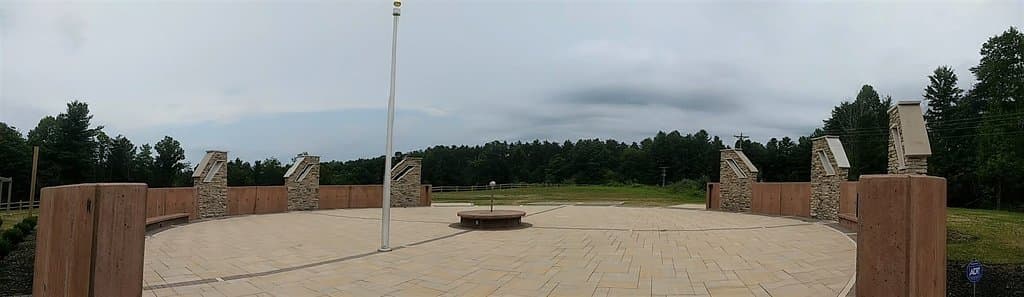
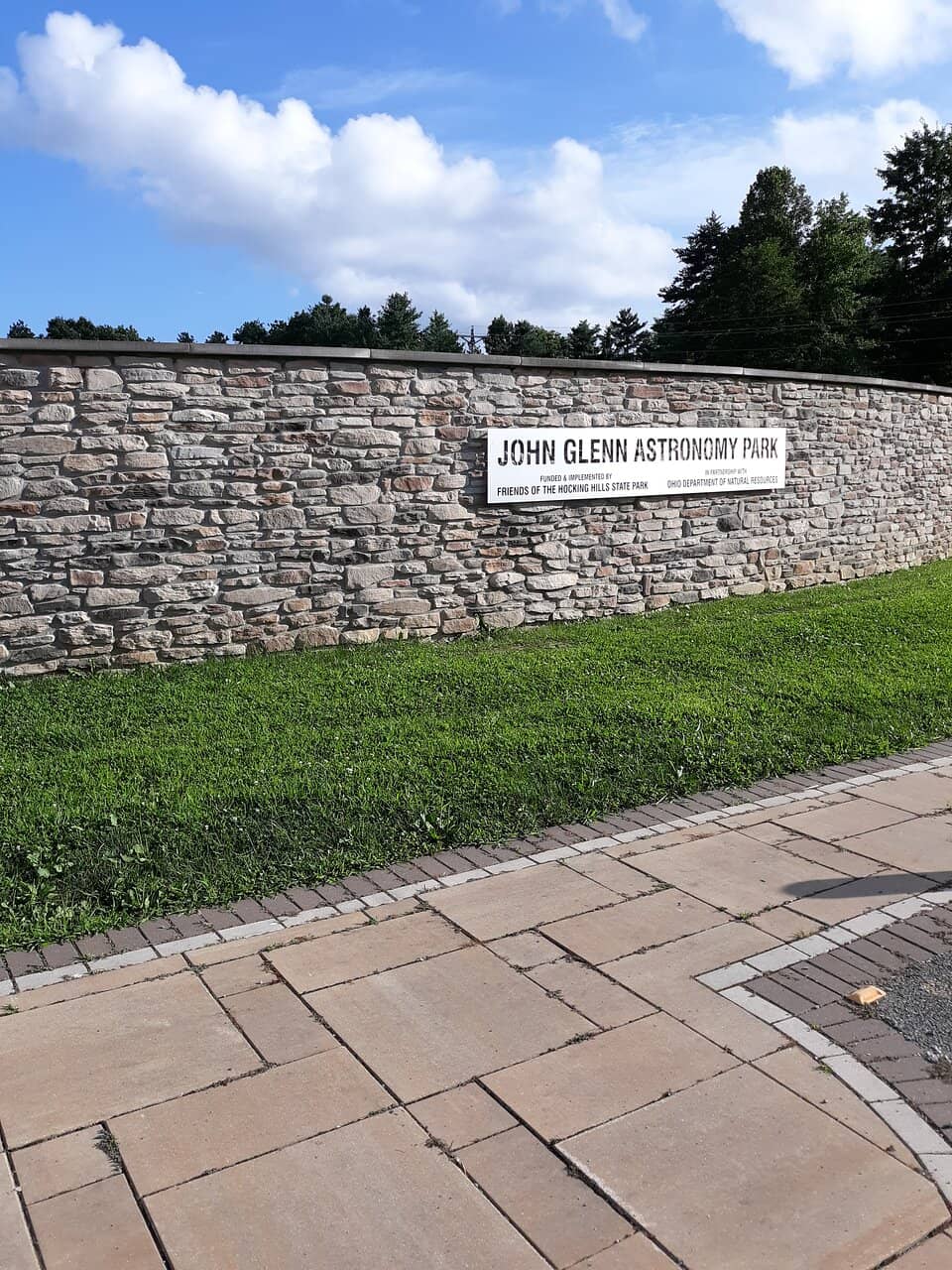
John Glenn Astronomy Park
Experience the cosmos at John Glenn Astronomy Park, offering free stargazing programs and breathtaking views of the night sky in Ohio.
Highlights
Must-see attractions

Social
From TikTok & Reddit
Best Time
Best chance for stunning views
John Glenn Astronomy Park
Best Time
Best chance for stunning views
Highlights
Must-see attractions
Experience the cosmos at John Glenn Astronomy Park, offering free stargazing programs and breathtaking views of the night sky in Ohio.
"You wouldn't believe that you can actually see the Milky Way in Ohio, but it happened!!"
Check Program Schedule First
Free programs are a highlight! See what's happening before you go. :calendar:
Bring Blankets & Pillows
Comfortable viewing is key for long stargazing sessions. :blanket:
Highlights
Discover the most iconic attractions and experiences
Stargazing Programs
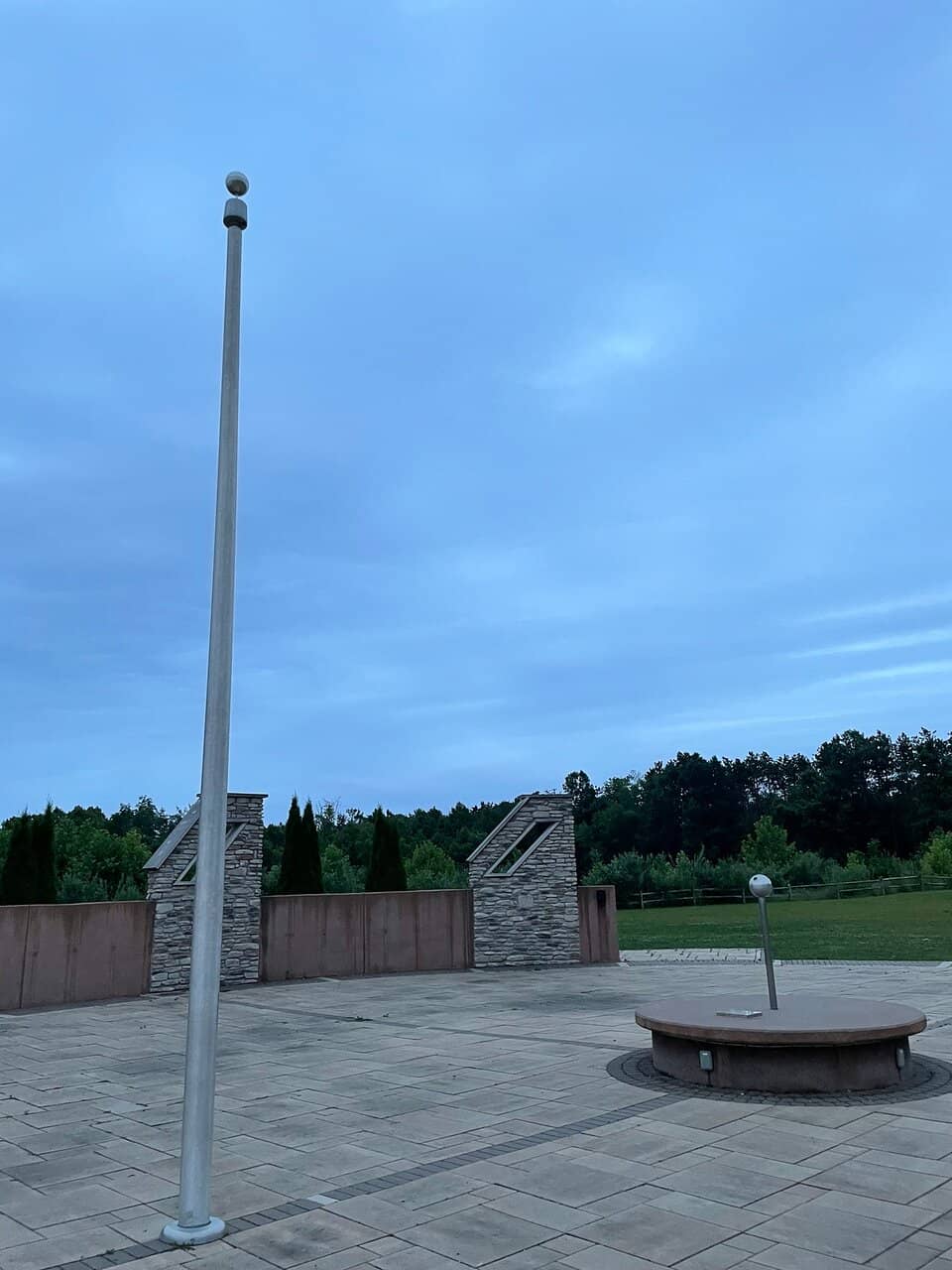
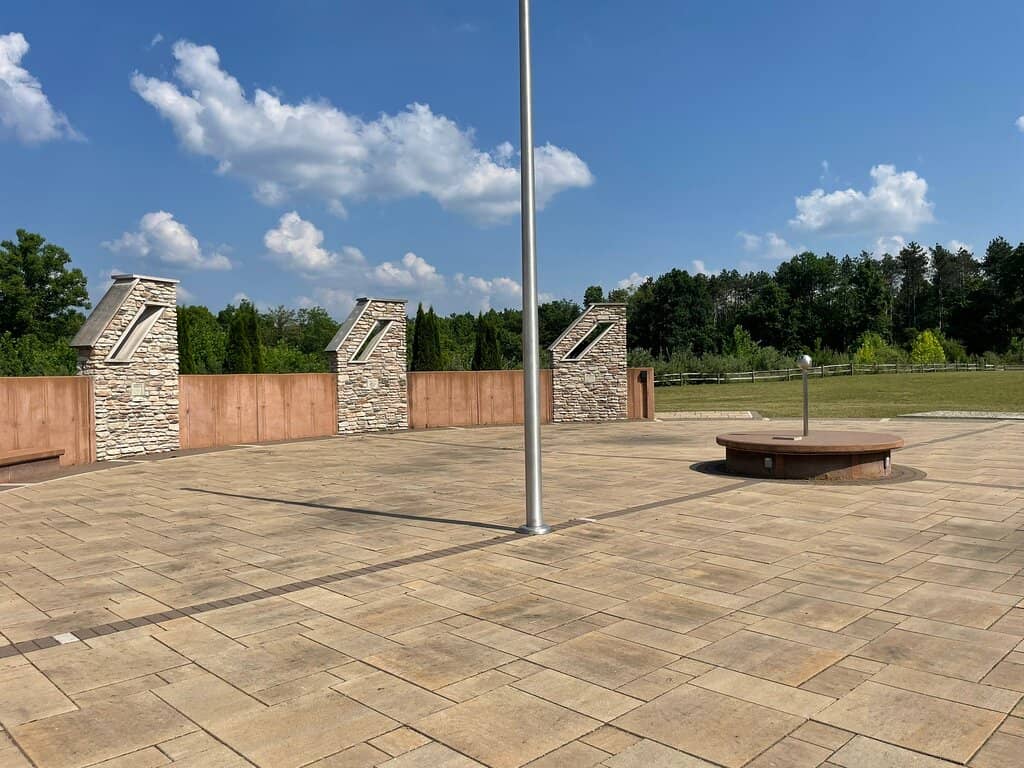
Main viewing area
Experience the cosmos with free, expert-led programs on meteor showers, full moons, and more. A must-do for any visitor!
Telescope Viewings
Observatory (check schedule)
Peer through powerful telescopes to see planets, nebulae, and galaxies up close. A truly awe-inspiring experience.
The Milky Way
Open viewing field
Witness the breathtaking spectacle of the Milky Way arching across the pristine Ohio night sky.

Plans like a pro.
Thinks like you
Planning Your Visit
Check the Weather & Program Schedule
Prepare for the Night
Best Times
Insider Tips
from TikTok, Instagram & Reddit
Check Program Schedule First
Free programs are a highlight! See what's happening before you go. :calendar:
Bring Blankets & Pillows
Comfortable viewing is key for long stargazing sessions. :blanket:
Download a Stargazing App
Identify constellations and planets easily.
Dress in Layers
Temperatures drop significantly after sunset. :cloud:
Tips
from all over the internet
Check Program Schedule First
Free programs are a highlight! See what's happening before you go. :calendar:
Bring Blankets & Pillows
Comfortable viewing is key for long stargazing sessions. :blanket:
Download a Stargazing App
Identify constellations and planets easily.
Dress in Layers
Temperatures drop significantly after sunset. :cloud:
Check for Weather Cancellations
Cloudy or rainy skies can lead to cancellations. :umbrella:
What Travellers Say
Reviews Summary
Visitors rave about the John Glenn Astronomy Park for its free, educational programs and the stunning clarity of the night sky, often highlighting the ability to see the Milky Way. The passionate volunteers and well-executed concept are frequently praised, though occasional cloud cover can lead to disappointment.
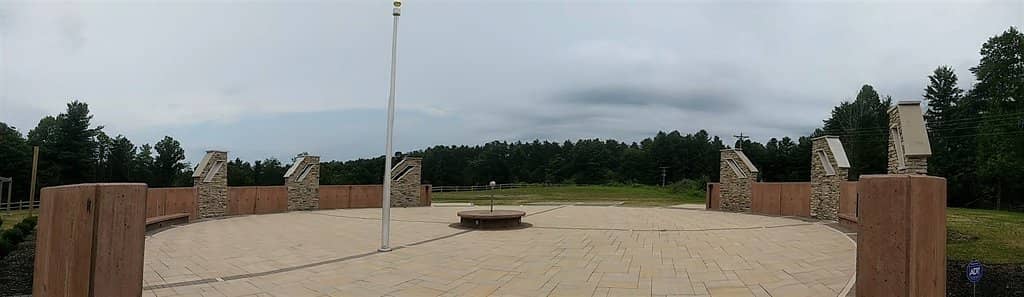
"This was really a neat experience. I suggest looking up open times to look through the telescope, and to check to make sure it doesn't get canceled due to clouds/weather. Also if you plan to star gaze bring a blanket and pillow to lay on. This facility has a nice concrete area that is perfect for this exact thing."
Ashley Fout
"Every Weekend they have events planned according to the celestial happenings from meteor showers to Full Moon viewing.
If there is cloud cover or rain obst5ructions for the viewings registered people are intimated that morning to plan the day accordingly.
Great to see highly motivated astro-nerds(as they would like to call them) run the show.
I'm
More lodges and hotels within 50m radius helps with planning to attend an event night and then relax for the rest of the night in your hotel room before heading into Columbus/Cincinnati the next morning!!"
Ponilango Ponraj
"Didn't even know this place existed til I was searching around on Google Maps. Was exploring the Hocking Hills area during the day and decided to check it out and see what was there. There is a lot of information to read about. Can't wait to come back during a dark clear sky to view the stars."
Brian Dible
What People Like
What People Dislike
Frequently Asked Questions
🚇 🗺️ Getting There
John Glenn Astronomy Park is located in Logan, Ohio, about an hour's drive south of Columbus. Take US-33 E towards Athens, then follow signs for Hocking Hills State Park. The park is conveniently located near Old Man's Cave.
Yes, there is ample parking available at the John Glenn Astronomy Park. It's free to park, making it easy to access the viewing areas and facilities.
Absolutely! While the main draw is the night sky, the park is open during the day. You can explore the grounds, read informational displays, and prepare for an evening of stargazing.
The park is situated in the Hocking Hills region, close to Logan, Ohio. There are numerous lodges, cabins, and hotels within a 50-mile radius, offering convenient options for overnight stays.
The park features a nice concrete area perfect for viewing, which is generally accessible. It's advisable to check with the park directly for specific accessibility details regarding all facilities.
🎫 🎫 Tickets & Entry
No, entry to the John Glenn Astronomy Park is free! This makes it an accessible and budget-friendly destination for everyone interested in astronomy.
The park is generally open for visitors to explore during daylight hours. However, specific viewing programs and telescope sessions have their own schedules, which are best checked online.
Yes, the park frequently hosts free programs tied to celestial events like meteor showers and full moons. It's highly recommended to check their official schedule for upcoming events.
If weather conditions like heavy rain or cloud cover are expected to obstruct views, registered attendees are typically notified in the morning to adjust plans.
While the park offers its own telescopes for viewing, visitors are generally welcome to bring their own equipment to enjoy the dark skies.
🎫 🔭 Onsite Experience
The best experience involves attending a scheduled program, bringing blankets and pillows to lie on the concrete viewing area, and using a stargazing app to identify celestial objects.
Yes, due to its location away from significant light pollution, you can often see the Milky Way clearly from the park on dark, clear nights.
The park hosts events for various celestial happenings, including meteor showers (like the Perseids or Geminids), full moon viewings, and opportunities to observe planets and nebulae.
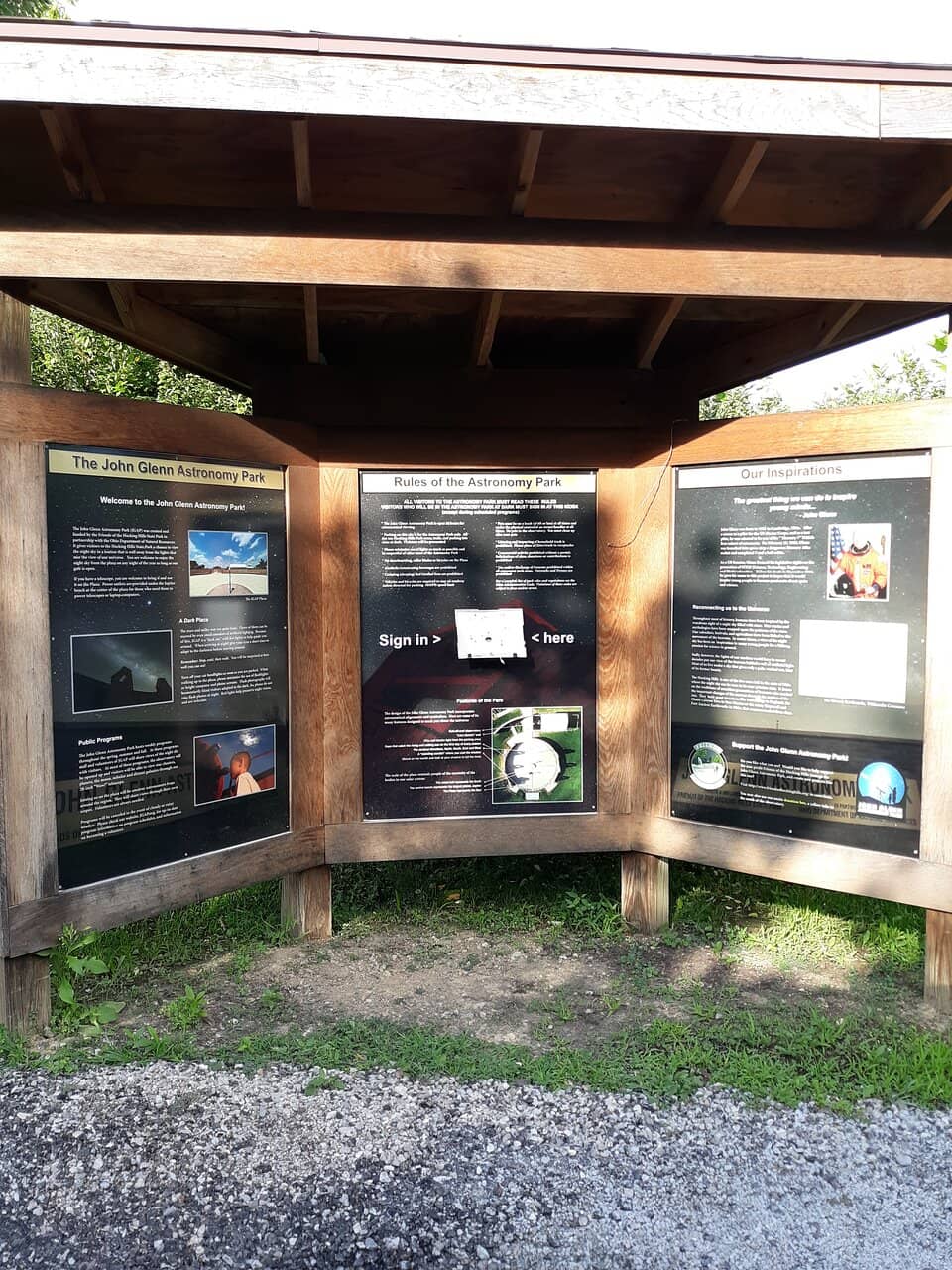
The park is designed to popularize astronomical knowledge, with information displays and knowledgeable volunteers who are passionate about sharing the wonders of the night sky.
It's crucial to dress in layers, as temperatures can drop significantly after sunset. Comfortable, warm clothing is recommended, even during summer evenings.
📸 📸 Photography
Yes, the park's dark skies make it an excellent location for astrophotography. Many volunteer astrophotographers capture stunning images of nebulae and galaxies here.
The best times are during new moon phases when the sky is darkest, and during celestial events like meteor showers or when specific nebulae are prominent.
Bring a sturdy tripod, a camera with good low-light performance, and experiment with long exposure settings. Consider visiting during a program to learn from experienced astrophotographers.
The park sells an astronomical calendar featuring amazing images taken by their volunteer astrophotographers on Etsy.
With clear skies, you can photograph the Milky Way, nebulae (like the California Nebula), star clusters, and even meteors during showers.
For Different Travelers
Tailored advice for your travel style
👨👩👧 Families with Kids
Key tips for families: Bring extra blankets and snacks, as kids might get restless waiting for the stars to appear. Consider downloading a kid-friendly stargazing app to help them identify planets and constellations. The concrete viewing area is also great for kids to spread out on.
🌌 Budget Travelers
To keep costs low: Pack your own picnic dinner and drinks, as dining options directly at the park are limited. Focus on the free programs and natural beauty rather than paid activities. The nearby Hocking Hills area also offers many free hiking trails to explore during the day.
🔭 Amateur Astronomers
Amateur astronomers should: Check the park's schedule for specific events like meteor showers or planetary conjunctions. Bring your own telescope if you have one, and be prepared to share your passion with fellow enthusiasts. The opportunity to see the Milky Way so clearly is a major draw.
Deep Dives
In-depth insights and expert knowledge
The Magic of Dark Skies
The park's commitment to preserving dark skies is evident in its design and location. This dedication allows for unparalleled views of stars, planets, and deep-sky objects, offering an immersive experience for both amateur enthusiasts and seasoned astronomers. The pristine conditions are a significant draw for those seeking an authentic connection with the cosmos.
When planning your visit, remember that light pollution is the enemy of stargazing. Therefore, checking the moon phase and avoiding nights with a full moon will significantly enhance your viewing experience. The park's programs often coincide with these darker periods, making them even more special.
Engaging Programs and Expert Guidance
Led by passionate volunteers, these programs offer a fantastic opportunity to learn from experts. Visitors often praise the 'astro-nerds' who run the show, highlighting their motivation and willingness to share their knowledge. Whether you're a beginner or have some astronomical background, these sessions provide valuable insights and a deeper appreciation for the universe.
It's crucial to check the park's schedule in advance, as these programs are a major draw and can influence the best time to visit. Being aware of celestial happenings, like the Perseid meteor shower or specific planetary alignments, can help you plan a visit around a particularly exciting event.
Astrophotography at JGAP
+1Volunteer astrophotographers at the park regularly capture breathtaking images, some of which are featured in the park's astronomical calendar. This showcases the potential for incredible photographic results. Visitors are encouraged to bring their own equipment, such as tripods and cameras with good low-light capabilities, to make the most of the dark skies.
Key to successful astrophotography here is understanding the celestial calendar. Visiting during a new moon phase will provide the darkest skies, maximizing the visibility of faint objects. Experimenting with long exposure settings and learning from the park's community can lead to truly memorable photographic achievements.
+1


Social
from TikTok, Instagram & Reddit