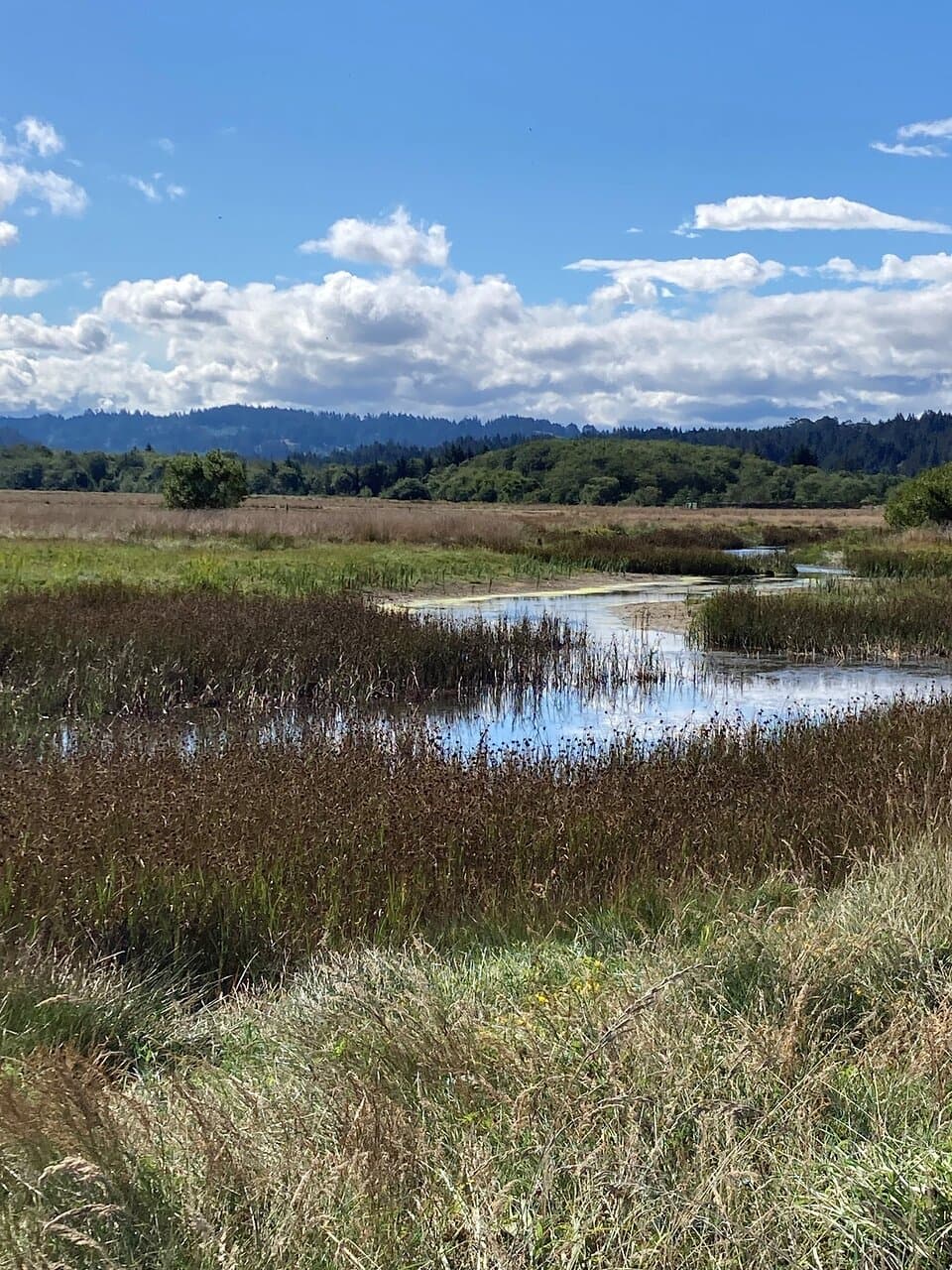
Humboldt Bay National Wildlife Refuge
A vital coastal wetland sanctuary teeming with diverse birdlife and playful river otters, offering serene trails and educational insights.
Highlights
Must-see attractions

Social
From TikTok & Reddit
Best Time
Peak wildlife activity
Humboldt Bay National Wildlife Refuge
Best Time
Peak wildlife activity
Highlights
Must-see attractions
A vital coastal wetland sanctuary teeming with diverse birdlife and playful river otters, offering serene trails and educational insights.
"A must stop for birders and wildlife enthusiasts; wish we had planned an entire day here."
Binoculars are a must! :binoculars:
Bring your own or check out a pair from the visitor center for incredible wildlife viewing.
Mosquito repellent needed :bug:
Especially during the wet season, mosquitoes can be abundant in wooded areas.
Quick Facts
Hours
Rating
4.7 · 722 reviews
Type
Wildlife Refuge
Highlights
Discover the most iconic attractions and experiences
Shorebird Trail
Visitor Center Area
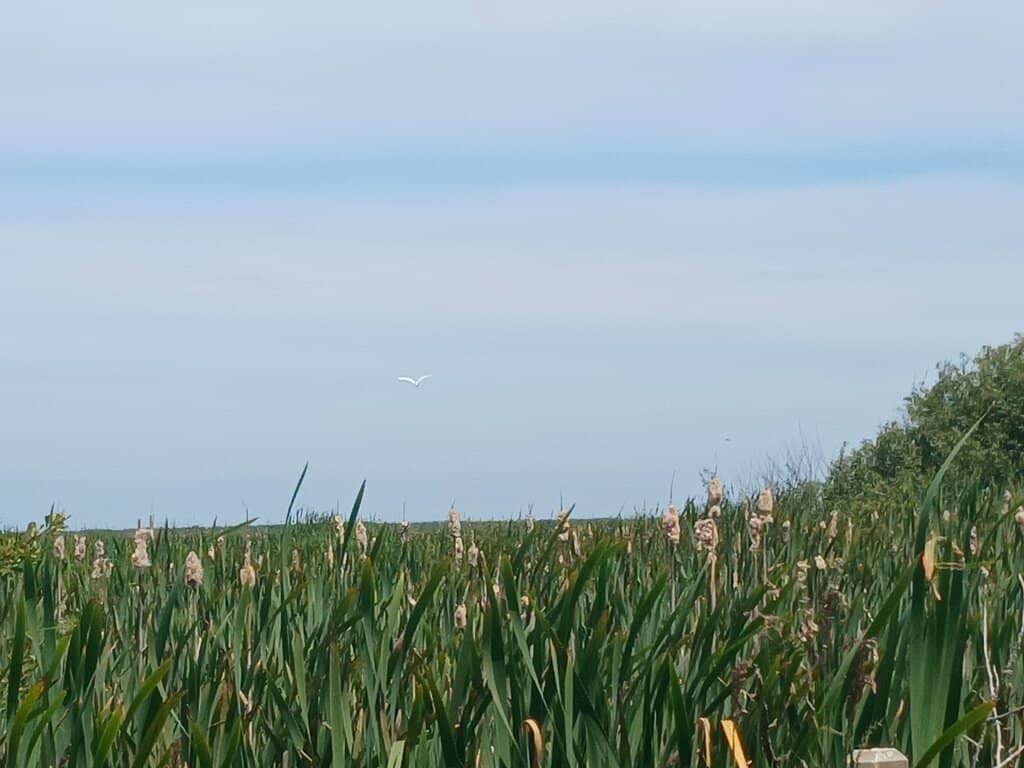
A nearly 2-mile loop offering excellent birdwatching opportunities, especially for shorebirds.
River Otters
Various wetland areas
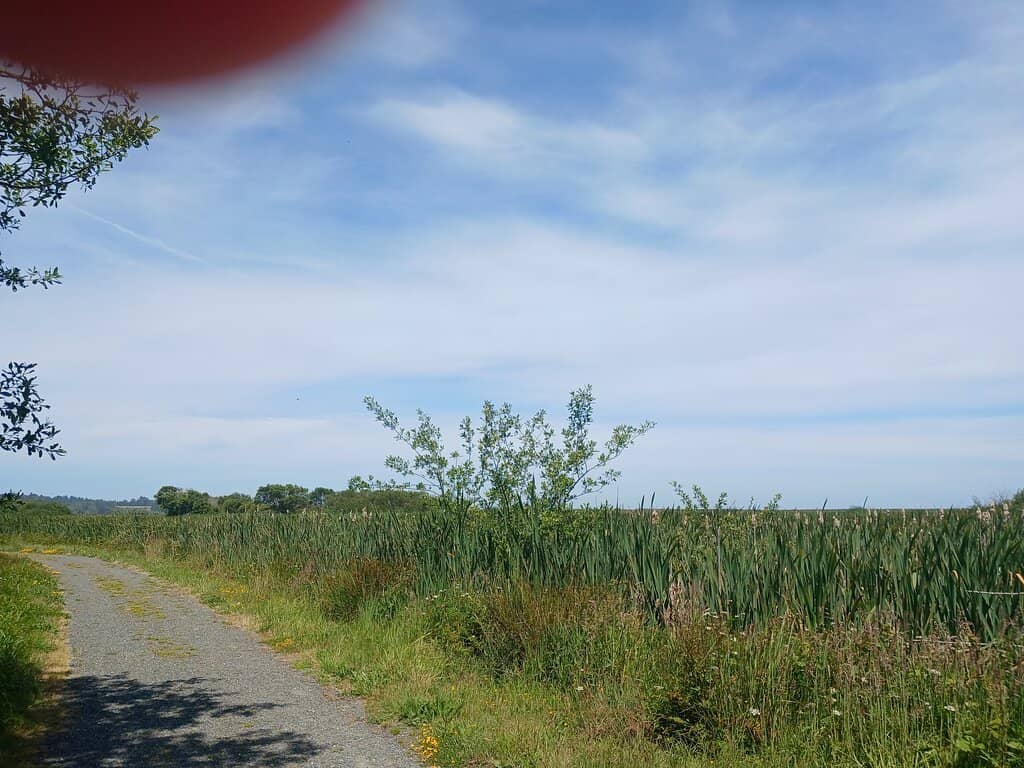
Keep an eye out for playful river otters, often seen munching on fish near the water's edge.
Coastal Dunes
Western edge of the refuge
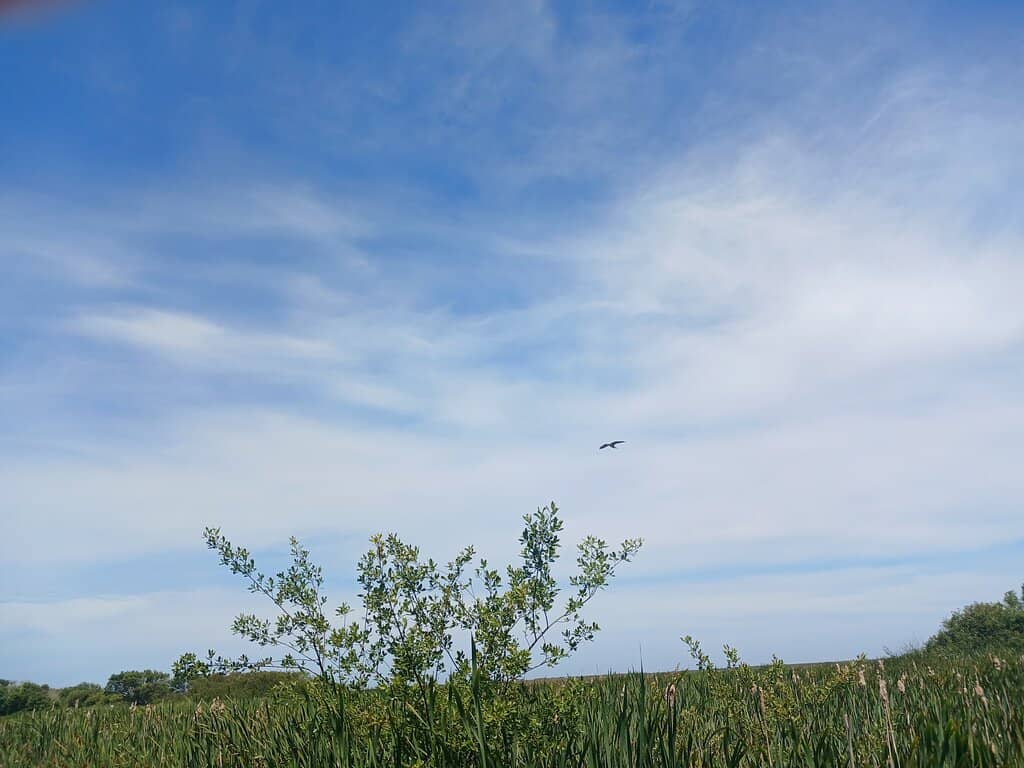
Explore unique sand dune ecosystems, a vital habitat for specialized plants and animals.
Visitor Center Exhibits
Main Visitor Center
Learn about the refuge's diverse habitats and wildlife through informative displays and interactive exhibits.
Plans like a pro.
Thinks like you
Planning Your Visit
Timing is Everything for Wildlife
Prepare for the Elements
Best Times
Insider Tips
from TikTok, Instagram & Reddit
Binoculars are a must! :binoculars:
Bring your own or check out a pair from the visitor center for incredible wildlife viewing.
Mosquito repellent needed :bug:
Especially during the wet season, mosquitoes can be abundant in wooded areas.
Check for events 📅
The refuge often hosts guided walks and educational programs.
Wear sturdy shoes :athletic_shoe:
Trails can be uneven, especially in dune areas. Good footwear is essential for comfort.
Tips
from all over the internet
Binoculars are a must! :binoculars:
Bring your own or check out a pair from the visitor center for incredible wildlife viewing.
Mosquito repellent needed :bug:
Especially during the wet season, mosquitoes can be abundant in wooded areas.
Check for events 📅
The refuge often hosts guided walks and educational programs.
Wear sturdy shoes :athletic_shoe:
Trails can be uneven, especially in dune areas. Good footwear is essential for comfort.
Otter sightings are common :otter:
Keep an eye on the water for playful river otters; they're a highlight for many visitors.
What Travellers Say
Reviews Summary
Visitors consistently praise Humboldt Bay National Wildlife Refuge for its stunning natural beauty and abundant wildlife, particularly birds and river otters. The well-maintained trails and informative visitor center enhance the experience, making it a peaceful escape. Some visitors note the entrance fee and potential for mosquitoes during certain seasons.
"Simply breathtaking. Stopped here to kill some hours while waiting to go to the airport and wish we had planned an entire day here. A must stop for birders and wildlife enthusiasts."
Fatvikingballet
"Great place to walk if you're a birder! There's a shorebird trail under 2 mile long and bathrooms."
Emily S
"We had a wonderful time walking here. Trails were well maintained and the visitor center had great information and a clean bathroom. We went to two different trails and both were great. Excellent spot for bird watching, and if you forget your binoculars the visitor center will let you check a pair out!"
Mercury Lawton
What People Like
What People Dislike
Frequently Asked Questions
🚇 🗺️ Getting There
The refuge is located off Highway 101 in Loleta, California. Take the Loleta Drive exit and follow signs. Many visitors stop here while driving the scenic Northern California coast.
Yes, there are parking areas available at the visitor center and trailheads. Parking is generally ample, especially on weekdays.
While biking is possible on nearby roads, the refuge itself is best explored on foot. Bike racks may be available at the visitor center.
Public transportation options are limited in this rural area. Driving is the most convenient way to reach the refuge.
The primary access is via the visitor center. Several trailheads also provide entry points to different units of the refuge.
🎫 🎫 Tickets & Entry
Yes, there is an entrance fee, typically around $15 per adult, though this can vary. Some sources mention it, and it's worth checking the official website for current pricing.
The refuge grounds are generally open from sunrise to sunset. The visitor center has more specific operating hours, so it's best to check their official schedule.
Yes, the refuge is open year-round, but wildlife viewing opportunities and trail conditions can vary significantly with the seasons.
Advance booking is typically not required for general admission. You can usually pay the entrance fee upon arrival.
While not always advertised, some national wildlife refuges offer free entry days. It's advisable to check the refuge's official announcements for any such opportunities.
🎫 🧭 Onsite Experience
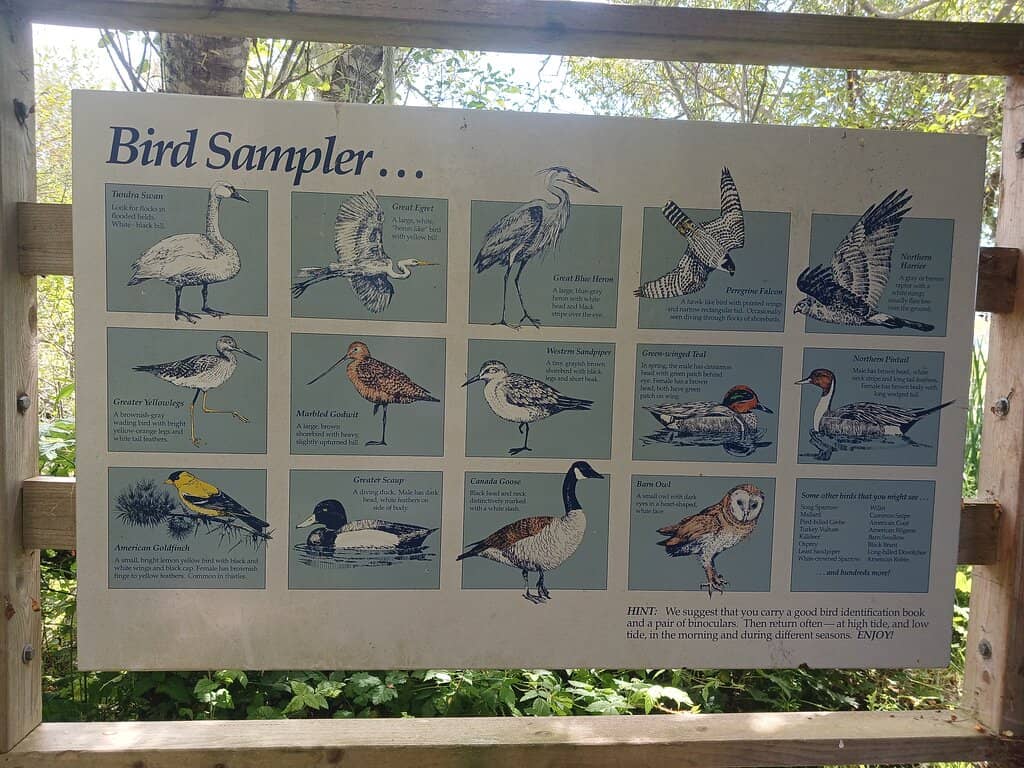
You can see a wide variety of birds, including waterfowl, shorebirds, and raptors. River otters are also a popular sighting. Keep an eye out for deer and other mammals. 
Yes, there are several well-maintained hiking trails, including the popular Shorebird Trail. These trails offer diverse views of wetlands, dunes, and forests.
Dogs are generally allowed on refuge trails but must be kept on a leash at all times. Some specific areas might have restrictions, so always check signage.
Yes, fishing is permitted in designated areas and during specific seasons. Regulations apply, so consult the refuge's fishing guidelines.
Families can enjoy easy walks, wildlife spotting, and educational exhibits at the visitor center. The labyrinth and giant sequoia are also points of interest.
📸 📸 Photography
The Shorebird Trail and areas near the water's edge are excellent for bird photography. Dawn and dusk offer the best light and animal activity.
General photography for personal use is usually permitted. However, commercial photography or drone usage may require special permits. Always check refuge regulations.
A telephoto lens is highly recommended for capturing wildlife details. A wide-angle lens is useful for landscape shots of the dunes and wetlands.
Yes, river otters are a popular subject. Be patient and maintain a respectful distance to get great shots without disturbing them.
The 'golden hours' around sunrise and sunset provide soft, beautiful light for photography. Midday can be harsh, but good for spotting animals in shaded areas.


Social
from TikTok, Instagram & Reddit