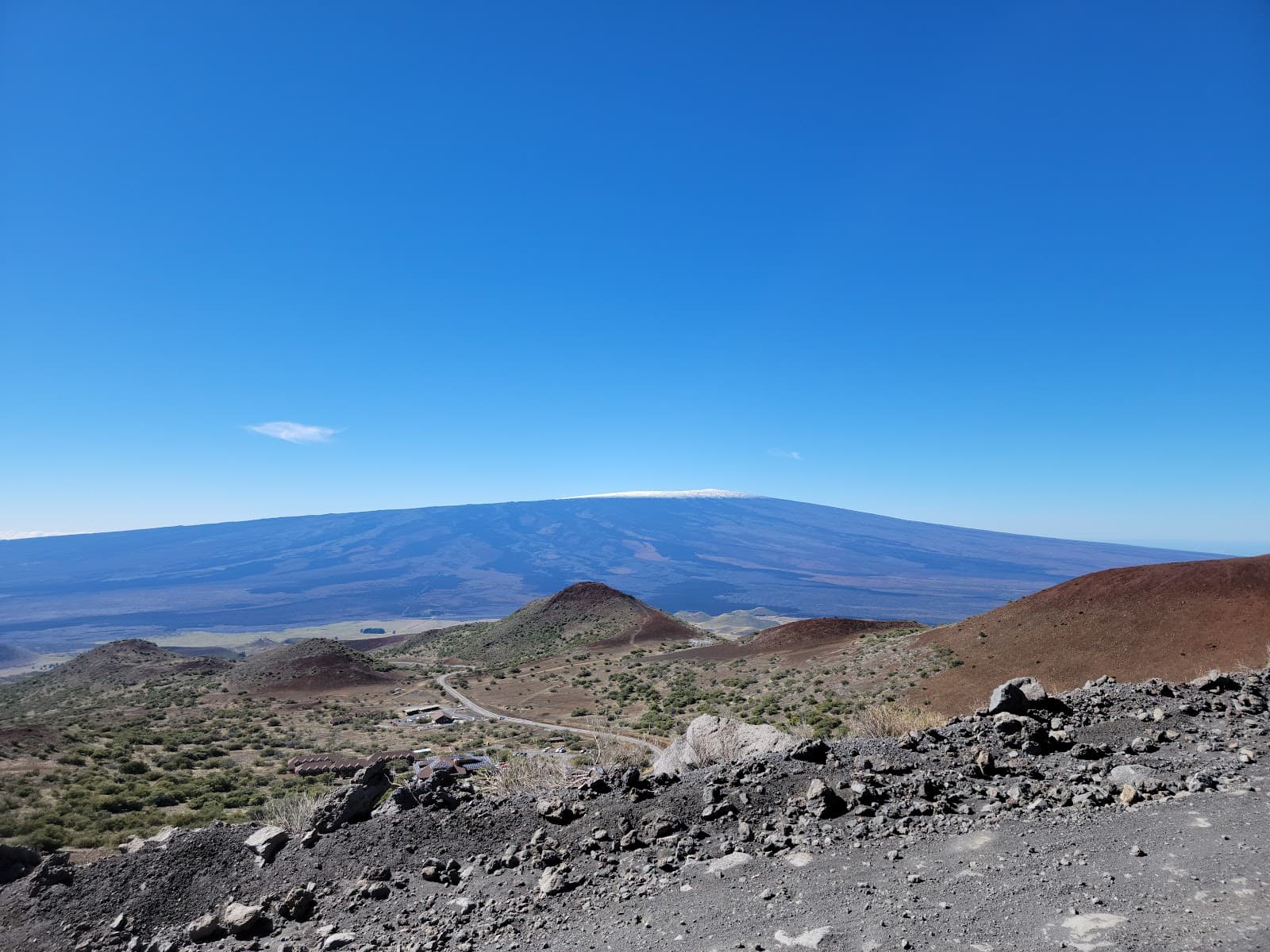
Mauna Kea
A dormant volcano offering unparalleled stargazing, breathtaking summit views above the clouds, and a challenging ascent.
Highlights
Must-see attractions

Social
From TikTok & Reddit
Best Time
Catch the stunning sunset
Mauna Kea
Best Time
Catch the stunning sunset
Highlights
Must-see attractions
A dormant volcano offering unparalleled stargazing, breathtaking summit views above the clouds, and a challenging ascent.
"The views are breathtaking, and the observatories are incredible. At nearly 14,000 ft, the skies are some of the clearest in the world."

🚗 4WD is Essential
Many rental car agreements prohibit driving to the summit. Ensure your vehicle is capable and permitted.
🧥 Dress in Layers
Temperatures drop significantly. Bring warm clothing, hats, and gloves, even if it's warm at sea level.

Highlights
Discover the most iconic attractions and experiences
Summit Sunset Above the Clouds
Summit
Witness a celestial show of vibrant colors painting the sky from nearly 14,000 feet, above a sea of clouds.
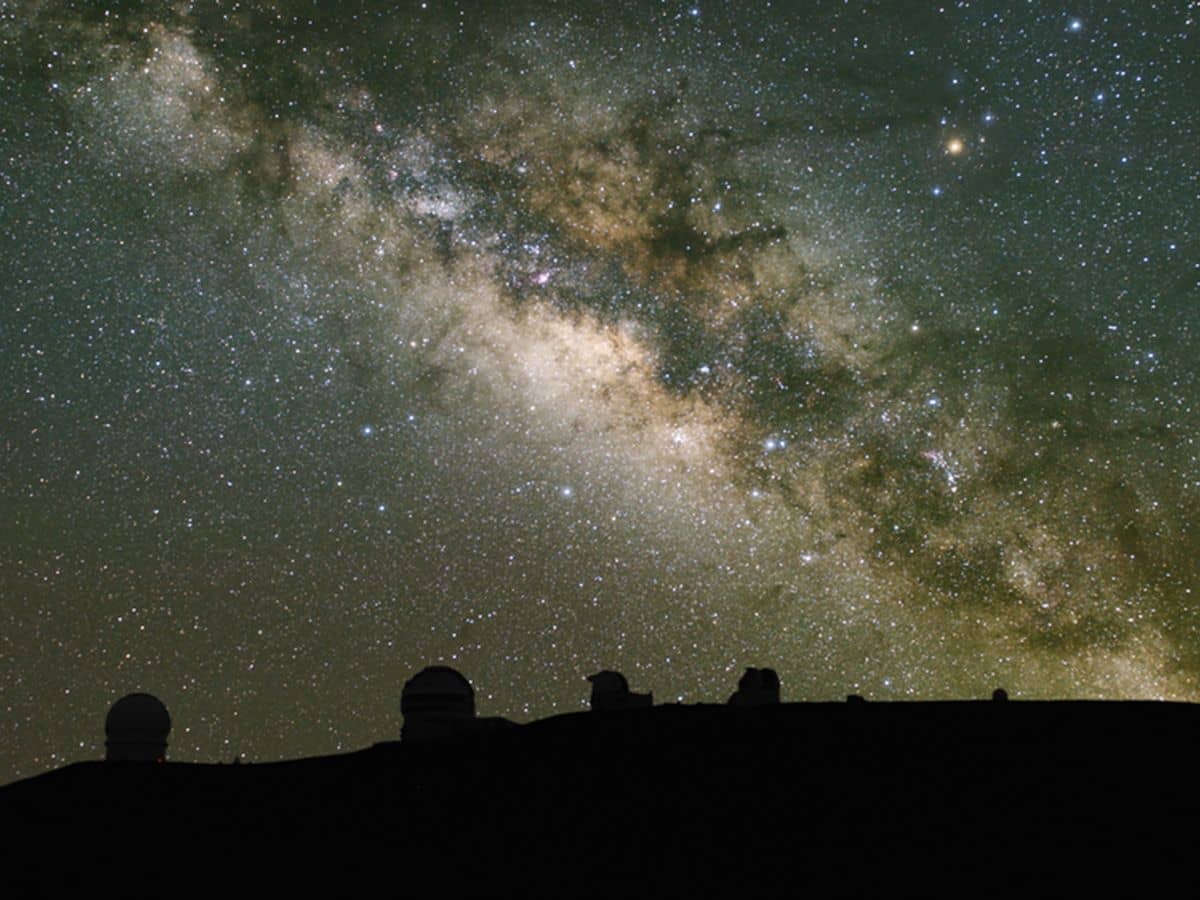
World-Class Stargazing
Visitor Information Station & Summit
Experience some of the clearest skies on Earth, perfect for observing the cosmos with powerful telescopes.
The Tallest Mountain Challenge
Base to Summit
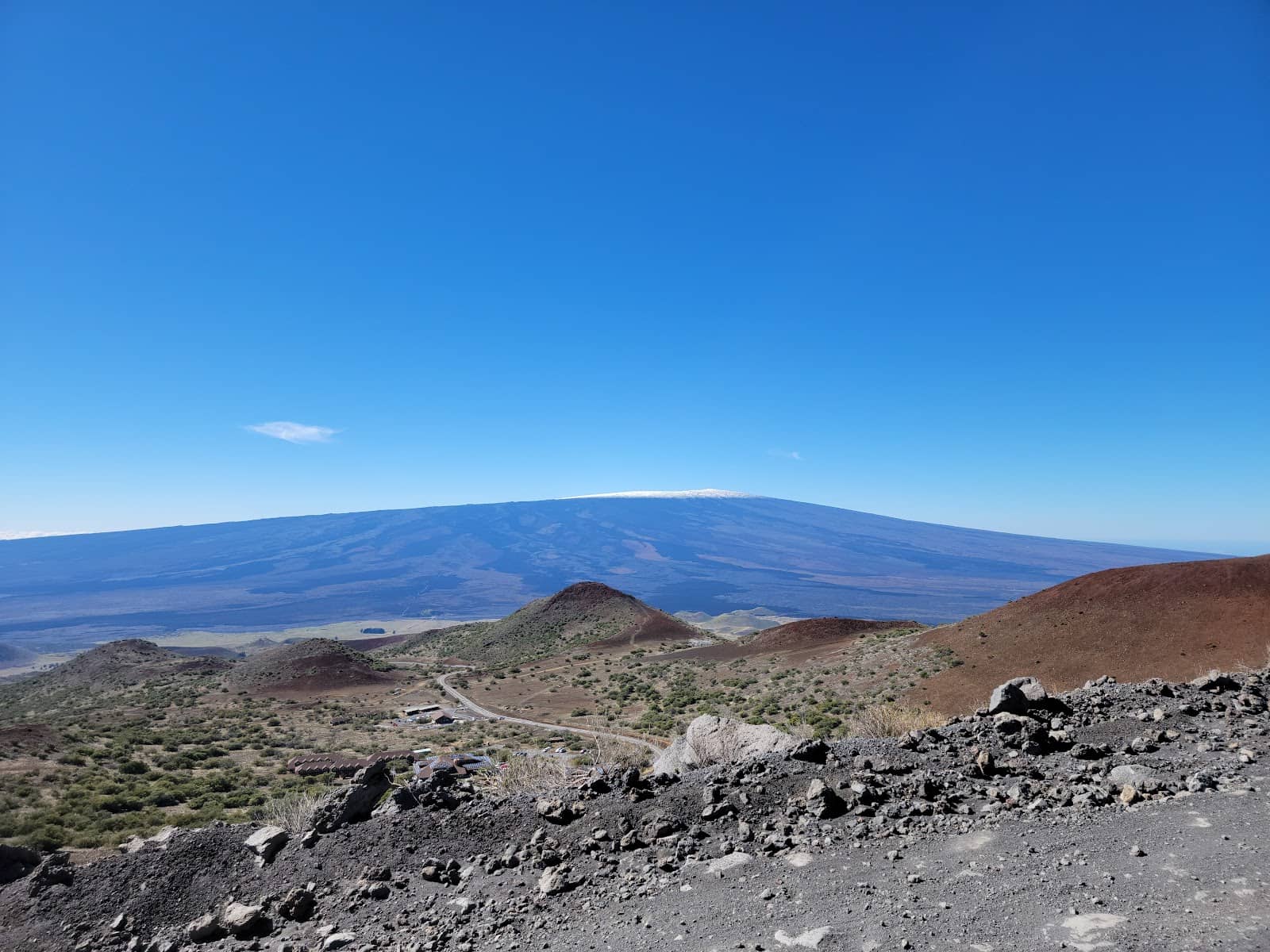
Mauna Kea is technically the tallest mountain from base to peak, a challenging climb for the adventurous.
Plans like a pro.
Thinks like you
Planning Your Visit
Altitude Awareness is Key
Vehicle & Weather Preparedness
 +1
+1Best Times
Insider Tips
from TikTok, Instagram & Reddit
🚗 4WD is Essential
Many rental car agreements prohibit driving to the summit. Ensure your vehicle is capable and permitted.
🧥 Dress in Layers
Temperatures drop significantly. Bring warm clothing, hats, and gloves, even if it's warm at sea level.
💧 Hydrate & Acclimatize
Drink plenty of water and spend time at the Visitor Information Station to adjust to the altitude.
🔭 Stargazing Etiquette
Be mindful of others; avoid using bright lights or car headlights during stargazing sessions.
Tips
from all over the internet
🚗 4WD is Essential
Many rental car agreements prohibit driving to the summit. Ensure your vehicle is capable and permitted.
🧥 Dress in Layers
Temperatures drop significantly. Bring warm clothing, hats, and gloves, even if it's warm at sea level.
💧 Hydrate & Acclimatize
Drink plenty of water and spend time at the Visitor Information Station to adjust to the altitude.
🔭 Stargazing Etiquette
Be mindful of others; avoid using bright lights or car headlights during stargazing sessions.
⏳ Go Early for Sunset
Lines can be long. Arrive well before sunset to secure a good viewing spot and avoid missing the show.
What Travellers Say
Reviews Summary
Mauna Kea offers breathtaking views and incredible stargazing opportunities, making it a truly unforgettable experience. However, visitors must be mindful of the extreme altitude, which can cause sickness, and the importance of respecting its sacred cultural significance. Preparation with warm clothing and a suitable vehicle is essential for a safe and enjoyable visit.
"Visiting Mauna Kea is an unforgettable experience — the views are breathtaking, and the observatories are incredible. At nearly 14,000 ft above sea level, the skies are some of the clearest in the world, perfect for stargazing and astronomy. 🌌🔭
That said, this is not recommended for children under 13 or for anyone sensitive to high altitude. The air is very thin, and you can easily feel sick — in rare cases, altitude sickness can even be dangerous or fatal. We had to stop for almost an hour just to let our lungs adjust before going higher.
If you go, take it slow, bring layers (it gets very cold), and respect that this is also a deeply sacred place for Native Hawaiians."
Reyna Fernandez
"It was a nice hike, pretty easy, it only took 4 hours to get to the top. I started hiking at 0540 and saw an awesome sunrise. You can't go to the real top because it's sacred or whatever BS. But it's cool it's only like another 100ft so no biggie and the actual top is directly behind the sign so you can't even see it if you take the picture at a good angle lol."
Kris
"Our tour guide, James, provided us with an exceptional experience. The stargazing activity was truly remarkable, and the provision of hot cocoa and thermal clothing was highly commendable for ensuring our comfort in the cold."
Weihong Sung
What People Like
What People Dislike
Frequently Asked Questions
🚇 🗺️ Getting There
Access to the summit of Mauna Kea is via the Mauna Kea Access Road, which branches off the Saddle Road (Highway 200). A 4WD vehicle is typically required for the upper portion of the road. Many rental car companies prohibit driving their vehicles on this road, so check your agreement carefully. The Visitor Information Station (VIS) at 9,000 feet is accessible by most vehicles and is a good place to acclimatize.
Yes, if you have a suitable 4WD vehicle and are comfortable driving on steep, unpaved roads. The road is often rough and can be challenging. It's highly recommended to check road conditions and weather forecasts before heading up.
Yes, numerous tour operators offer guided trips to Mauna Kea, often including transportation, stargazing, and warm clothing. This is a great option if you don't have a 4WD vehicle or are concerned about the altitude.
For the summit, a 4WD vehicle is best. For the Visitor Information Station, most cars can make it. Many visitors opt for guided tours for convenience and safety, especially regarding altitude.
The road status can change due to weather or cultural events. It's advisable to check the official Mauna Kea Weather Center website or contact the Visitor Information Station for current conditions before your visit.
🎫 🎫 Tickets & Entry
There is no entrance fee to visit Mauna Kea or its Visitor Information Station. However, some guided tours may have associated costs.
The Visitor Information Station (VIS) is typically open from 9 AM to 10 PM daily. Access to the summit is usually 24/7, but the road may be closed due to weather or other reasons. Always check current conditions.
No, tickets are not required for general access to Mauna Kea. However, if you plan to use the public stargazing telescopes at the VIS, there might be specific programs or times to be aware of.
It is highly discouraged for children under 13 to go to the summit due to the extreme altitude. The Visitor Information Station at 9,000 feet is generally safe for all ages, but monitor for any signs of altitude sickness.
Yes, Mauna Kea is a deeply sacred place for Native Hawaiians. Visitors are asked to be respectful of the cultural significance, avoid disturbing the environment, and follow all posted guidelines.
🎫 🔭 Onsite Experience
You can enjoy breathtaking sunsets, incredible stargazing (especially at the VIS), and learn about astronomy at the observatories. There are also hiking trails, including a path to the summit.
Dress in warm layers, including a jacket, hat, and gloves, as temperatures can be near freezing, especially at the summit. Comfortable walking shoes are also recommended.
The primary risk is altitude sickness due to the high elevation. Symptoms can include headache, nausea, and dizziness. In rare cases, it can be severe. It's crucial to acclimatize and descend if symptoms worsen.
Yes, there are hiking trails. The trail from the Visitor Information Station to the summit is a challenging 6-mile hike, often done for sunrise. Be prepared for the altitude and weather.
When measured from its base on the ocean floor, Mauna Kea is taller than Mount Everest. Its total height is nearly 33,500 feet, while Everest is about 29,029 feet above sea level.
📸 📸 Photography
The summit offers unparalleled panoramic views, especially during sunrise and sunset. The observatories themselves make for striking photographic subjects against the vast sky. The Visitor Information Station also provides excellent stargazing photo opportunities.
The extreme cold can affect camera batteries, so keep them warm. The high altitude and thin air can also be challenging for photographers. However, the unique landscapes and celestial views are well worth the effort.
A wide-angle lens is great for capturing the expansive landscapes and starry skies. A tripod is essential for long-exposure astrophotography. Consider a camera with good low-light performance.
Drone usage is generally restricted in protected areas, including near the observatories on Mauna Kea, due to potential interference and cultural sensitivity. Always check local regulations before flying a drone.
Sunrise and sunset offer dramatic lighting and colors above the clouds. For stargazing, clear nights are best, typically after sunset. The Milky Way is often visible during certain times of the year.
For Different Travelers
Tailored advice for your travel style
👨👩👧 Families with Kids
If you do decide to ascend higher, take extreme precautions: acclimatize for an extended period at the VIS, keep children hydrated, and monitor them closely for any signs of altitude sickness. Many families opt for guided tours that manage the ascent and provide necessary support.
🚗 Adventure Seekers & Cyclists
This is an extreme challenge requiring peak physical condition and careful preparation. If you're driving to the summit, ensure you have a capable 4WD vehicle and are comfortable navigating steep, unpaved roads. The journey itself is an adventure, offering dramatic changes in scenery and climate as you ascend.
🌌 Stargazers & Astronomy Enthusiasts
For the best experience, visit on a clear night. Be prepared for cold temperatures and bring warm clothing. While the summit offers the ultimate view, the VIS is an excellent alternative if you're concerned about altitude or don't have a 4WD vehicle.
Deep Dives
In-depth insights and expert knowledge
The Science Behind Mauna Kea's Height
+3This immense height contributes to Mauna Kea's unique environment. The summit's elevation above much of the Earth's atmosphere results in exceptionally clear and dry air, making it an ideal location for astronomical observation. This is why numerous world-class observatories are situated on its peak, housing some of the most powerful telescopes on the planet.
Visitors can learn about this incredible geological formation and its scientific significance at the Mauna Kea Visitor Information Station (VIS). The VIS also offers stargazing programs, providing a fantastic opportunity to experience the wonders of the night sky.
Navigating Altitude Sickness on Mauna Kea
The most effective strategy is to acclimatize gradually. Spend at least 30 minutes at the Mauna Kea Visitor Information Station (VIS) at 9,000 feet before ascending further. Drink plenty of water, avoid alcohol and strenuous activity, and be aware of how you're feeling. If you experience symptoms, descend immediately. Children under 13 are particularly vulnerable and are strongly discouraged from going to the summit.
Many visitors find that taking it slow and listening to their bodies is key to a successful and enjoyable trip. Tour operators often provide oxygen and guidance, which can be very helpful for those concerned about the altitude.
Cultural Significance and Respect
+1The presence of astronomical observatories on the summit has been a point of contention and protest, highlighting the tension between scientific advancement and the preservation of indigenous cultural and spiritual sites. Visitors are urged to approach Mauna Kea with respect, understanding its profound cultural significance.
When visiting, it's important to follow all guidelines, avoid disturbing the natural or cultural landscape, and be mindful of the sacredness of the mountain. This includes respecting any restricted areas and being aware of the ongoing cultural discussions surrounding the site.
Social
from TikTok, Instagram & Reddit