Miami City Cemetery
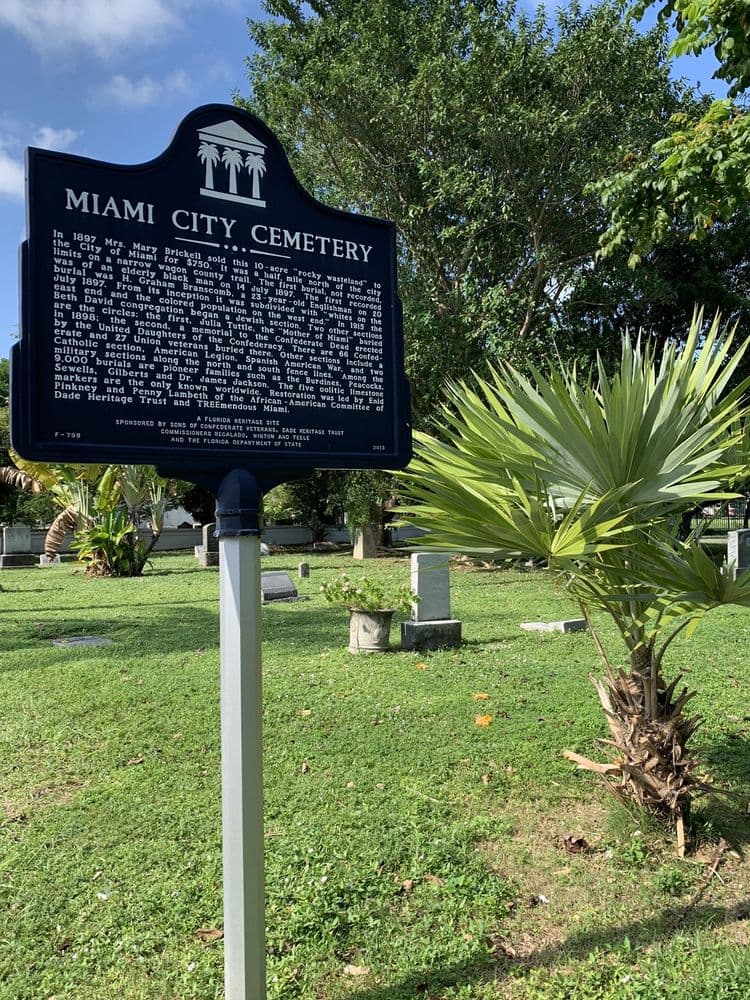
Miami's oldest public cemetery, a historic resting place of pioneers and a unique blend of architecture and tropical nature.
Highlights
Must-see attractions

Social
From TikTok & Reddit
Best Time
Golden light, cooler temps
Miami City Cemetery
Best Time
Golden light, cooler temps
Highlights
Must-see attractions
Miami's oldest public cemetery, a historic resting place of pioneers and a unique blend of architecture and tropical nature.
"A compelling counternarrative to Miami's youthful reputation, offering a serene chronicle of its evolution."
Wear Comfortable Shoes
You'll be doing a lot of walking on uneven paths. :athletic_shoe:
Bring Water & Stay Hydrated
Miami can get hot and humid, even in the shade. :droplet:
Quick Facts
Hours
Rating
4.9 · 31 reviews
Type
Cemetery
Highlights
Discover the most iconic attractions and experiences
Pioneer Gravesites
Various sections
Discover the final resting places of Miami's founding families like the Burdines, Peacocks, and Julia Tuttle.
Unique Oolitic Limestone Gravestones
Throughout the cemetery
See the world's only known five oolitic limestone gravestones, a testament to the region's geology.
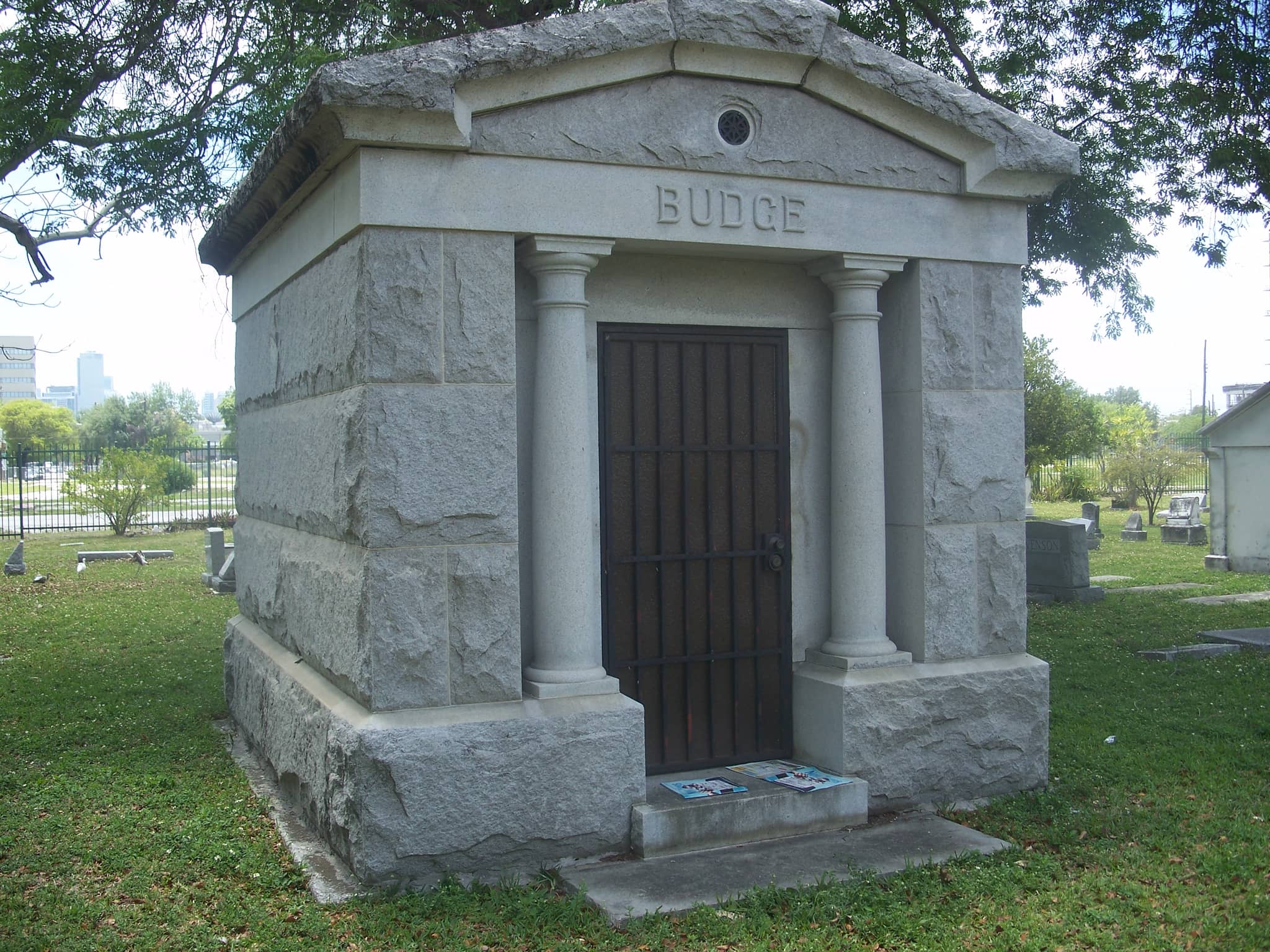
Budge Mausoleum
Near the center
Admire this miniature Greek revival temple mausoleum with elegant columns and rough-hewn limestone walls.
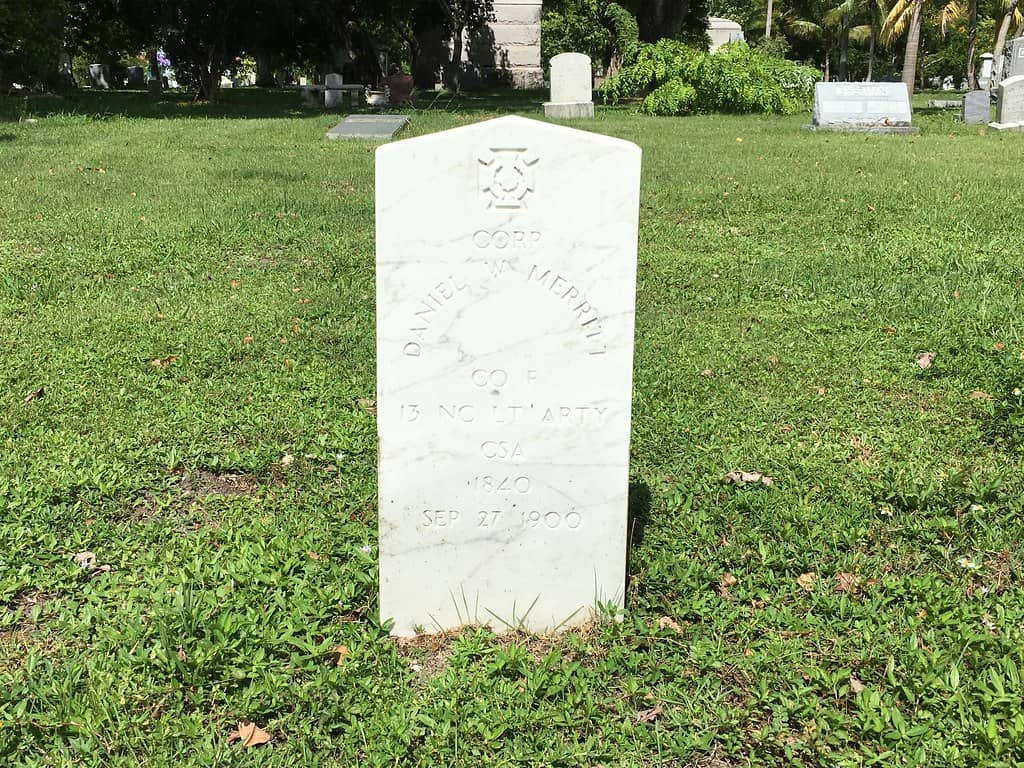
Military Sections
Designated areas
Pay respects to Confederate and Union veterans, and those from the Spanish-American War.
Plans like a pro.
Thinks like you
Planning Your Visit
Respectful Exploration
History Amidst the City

Best Times
Insider Tips
from TikTok, Instagram & Reddit
Wear Comfortable Shoes
You'll be doing a lot of walking on uneven paths. :athletic_shoe:
Bring Water & Stay Hydrated
Miami can get hot and humid, even in the shade. :droplet:
Respectful Photography
Capture the history, but always be respectful of the grounds and resting places. :camerawithflash:
Check for Tours
HistoryMiami often hosts special tours, offering deeper insights. 📅
Tips
from all over the internet
Wear Comfortable Shoes
You'll be doing a lot of walking on uneven paths. :athletic_shoe:
Bring Water & Stay Hydrated
Miami can get hot and humid, even in the shade. :droplet:
Respectful Photography
Capture the history, but always be respectful of the grounds and resting places. :camerawithflash:
Check for Tours
HistoryMiami often hosts special tours, offering deeper insights. 📅
Understand the Layout
The cemetery is divided by race and religion; reading signs helps navigate. :world_map:
What Travellers Say
Reviews Summary
Visitors praise the Miami City Cemetery as a significant historical site offering a unique glimpse into Miami's past, with notable pioneer graves and distinctive oolitic limestone markers. While some mention litter and the presence of homeless individuals, many find the grounds well-maintained and the experience enriching for history buffs and photographers.
"Big piece of Miami history nestled in the middle if a busy touristy area. Miami pioneers buried here, great for history buffs. Since it is public lots of homeless hang out during the day and you will find Lots of litter in certain shaded areas. But if you like cemeteries this one is pretty interesting. Make sure to read the sign and find the different areas of the cemetery."
Nancy
"This Cemetery is Miami's Oldest Cemetery. The first burial, not recorded, was of an elderly black man on July 14, 1897. The first recorded burial of a white man was H. Graham Branscomb, a 24-year-old Englishman on July 20, 1897 from consumption. Among the 9,000 burials are pioneer families such as the Burdines, Julia Tuttle, Peacocks and Dr. James Jackson. Sixty-six Confederate and twenty-seven Union veterans are buried here. Other sections include a Catholic section, a Jewish Section, American Legion, Spanish–American War, and two military sections. This Cemetery has the only known five oolitic (limestone) gravestone worldwide. On January 4, 1989, it was added to the U.S.National Register of Historic Places."
Andres Behrens
"In a city better known for its neon-lit South Beach and gleaming condominiums, the Miami City Cemetery offers a compelling counternarrative to the metropolis's youthful reputation. Established in 1897 on what was then dismissively termed a "rocky wasteland," this 10-acre plot now stands as an enchanting chronicle of Miami's evolution from frontier town to global city.
The cemetery's classical mausoleums and weathered headstones emerge from beneath a verdant canopy of towering palm trees, creating an unexpectedly serene tableau in the urban landscape. Of particular note is the Budge mausoleum, a miniature Greek revival temple complete with elegant columns and rough-hewn limestone walls, its iron-gated entrance hinting at the stories contained within.
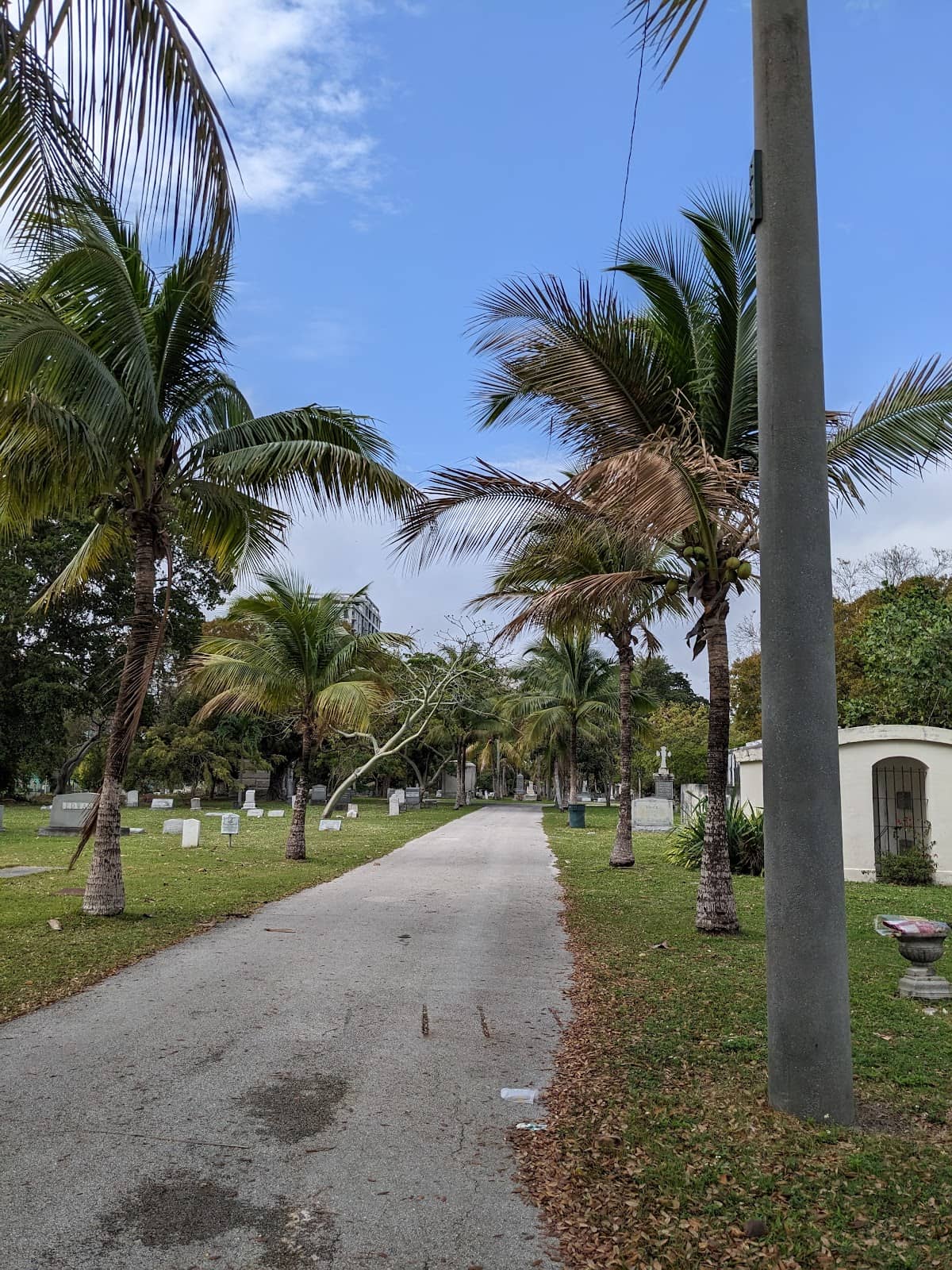
Along the cemetery's winding paths, royal palms stand like sentinels, their golden fronds casting dappled shadows across the historic markers below. The Tuttle family monument, rising stark against this tropical backdrop, serves as a reminder of Miami's founding pioneers. This juxtaposition of formal Victorian-era cemetery architecture with Florida's lush vegetation creates a uniquely Miami aesthetic that photographers and history buffs alike will appreciate.
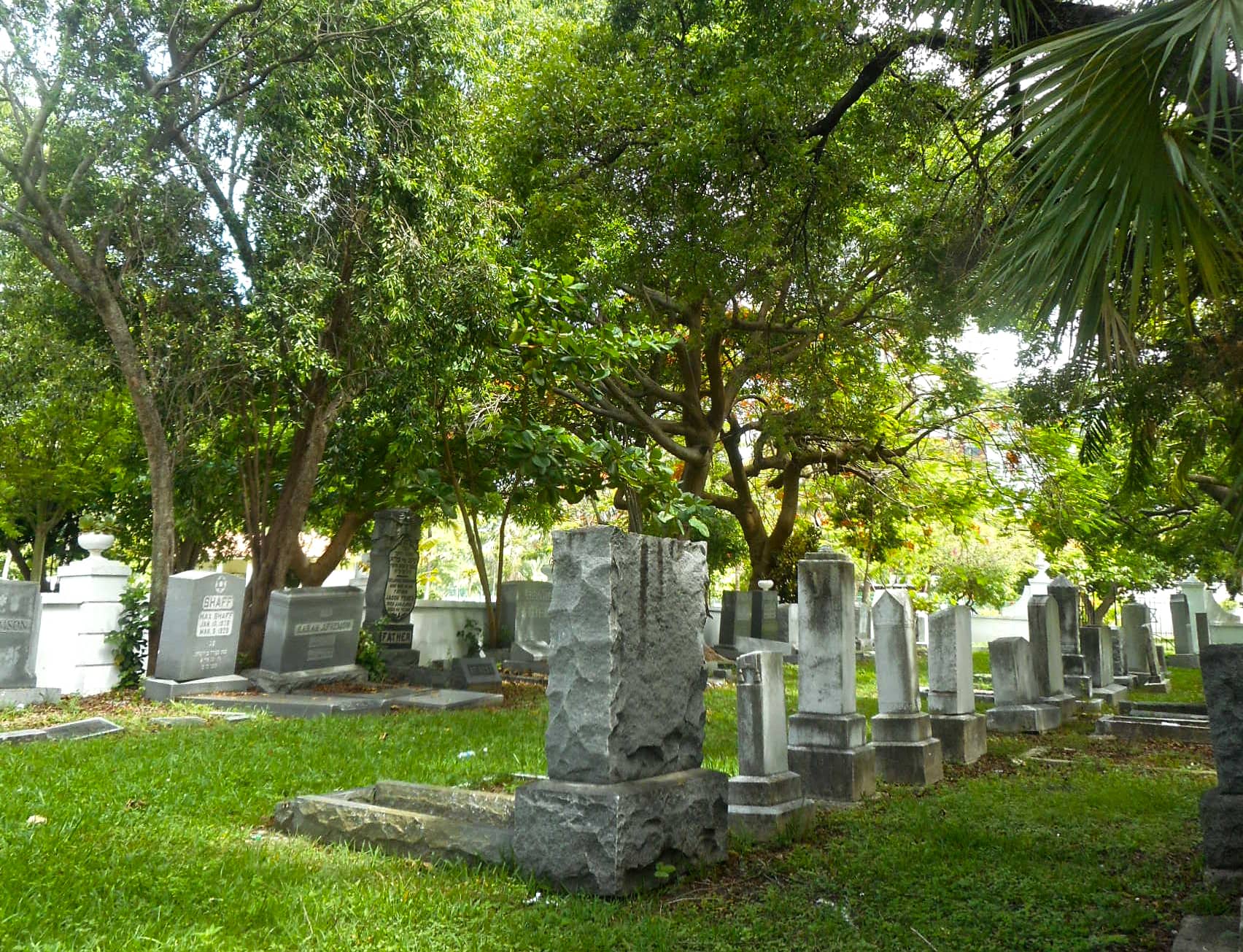
The site's historical significance extends beyond its architectural merit. As Miami's first organized burial ground, it maps the city's social geography through its carefully delineated sections: east for white residents, west for Black residents, with later additions including a Jewish section established by Beth David congregation and areas dedicated to military veterans from both the Union and Confederacy.
The five distinctive oolitic limestone markers – unique worldwide according to local historians – stand as testament to the region's geological heritage. These, along with approximately 9,000 other graves, read like a who's who of Miami's past, including members of the Burdine family (of department store fame) and other pivotal figures in the city's development.
Recent restoration efforts, spearheaded by local heritage organizations, have helped preserve this outdoor museum while making it more accessible to visitors. The cemetery is particularly atmospheric in the early morning hours, when the rising sun filters through the palm fronds and illuminates the historic grounds.
Visitor Information:
- Location: A half-mile north of Miami's original city limits
- Best times to visit: Early morning or late afternoon for optimal lighting and cooler temperatures
- Notable features: Greek revival mausoleums, historic limestone markers, and specimen palm trees
- Historical significance: Final resting place of many of Miami's founding families and early residents
- Tips: Bring water and comfortable walking shoes; photography permitted but be respectful of the grounds
While Miami rushes headlong into its future of soaring skyscrapers and international glamour, this peaceful corner offers a contemplative window into its past. The Miami City Cemetery stands as a reminder that before the art deco hotels and contemporary museums, there was a frontier town with outsize ambitions – ambitions that would eventually transform a "rocky wasteland" into one of America's most dynamic cities."
Jeremy Edmunds
What People Like
What People Dislike
Frequently Asked Questions
🚇 🗺️ Getting There
The Miami City Cemetery is located north of Miami's original city limits. It's accessible by car, and ride-sharing services are a convenient option. Public transportation routes may also serve the area, but checking schedules in advance is recommended.
Parking availability can vary. It's advisable to check for designated parking areas upon arrival or consider ride-sharing to avoid any potential parking challenges in the busy area.
Yes, it's situated in a busy tourist area, making it relatively close to other Miami attractions. However, the cemetery itself offers a distinct historical experience.
🎫 🎫 Tickets & Entry
Generally, no tickets are required for general access to the Miami City Cemetery as it's a public space. However, special guided tours may have associated fees.
The cemetery is typically open during daylight hours. It's best to confirm specific opening and closing times with the City of Miami Parks Department, as these can sometimes vary.
As a public cemetery, there is usually no admission fee for individuals to walk through and explore the grounds.
Burial is generally restricted to descendants of deed owners, making it a place for historic family plots rather than new interments for the general public.
🎫 🧭 Onsite Experience
You can explore the graves of Miami pioneers, unique oolitic limestone gravestones, historic mausoleums like the Budge mausoleum, and military sections. It's a living chronicle of the city's development.
While it's a historic site, some visitors have noted the presence of homeless individuals and litter in certain areas. However, many find the grounds well-maintained and feel safe, especially during daylight hours.
Photography is generally permitted, but visitors are urged to be respectful of the grounds and the resting places.
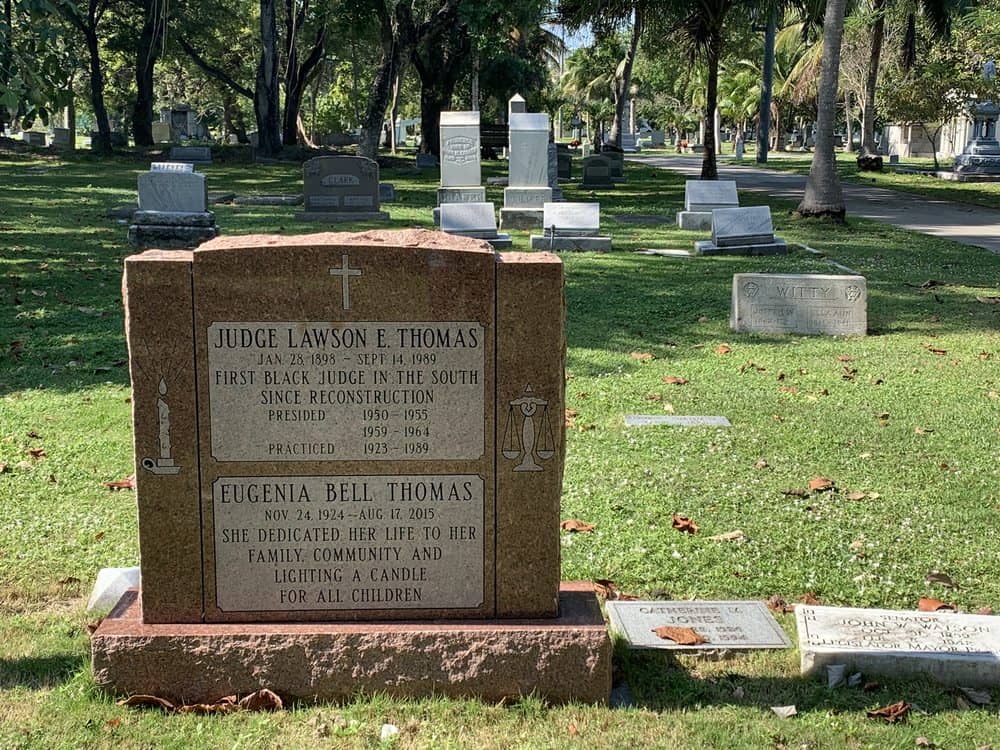
Notable figures include members of pioneer families like the Burdines and Peacocks, Julia Tuttle, and Dr. James Jackson, who established Miami's first hospital.
Yes, organizations like HistoryMiami occasionally host guided tours, which offer in-depth historical context and stories about the cemetery's inhabitants.
📸 📸 Photography
The interplay of lush tropical vegetation with classical cemetery architecture, especially mausoleums like the Budge mausoleum and pioneer family monuments, offers unique photographic opportunities. Early morning and late afternoon light is particularly atmospheric.
Regulations regarding drone usage in cemeteries can be strict. It's best to check with the City of Miami Parks Department or local aviation authorities before flying a drone.
A versatile lens, such as a 24-70mm, would be useful for capturing both wide shots of the grounds and details of the headstones and mausoleums. A tripod can be helpful for low-light conditions.








Social
from TikTok, Instagram & Reddit