African Burial Ground National Monument
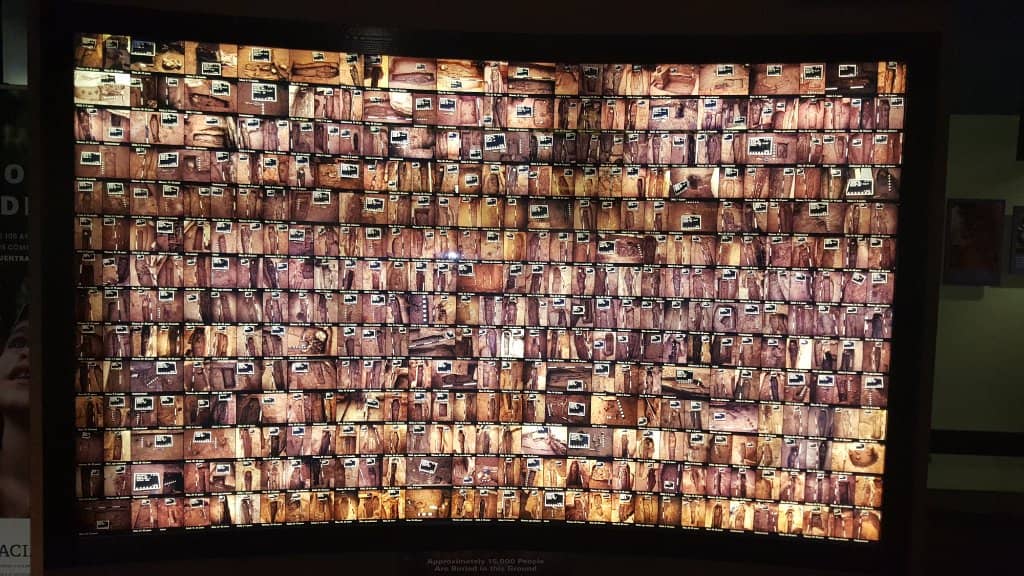
A sacred burial ground honoring over 15,000 Africans, a powerful testament to resilience and overlooked history in NYC.
Highlights
Must-see attractions

Social
From TikTok & Reddit
Best Time
Fewer crowds, more reflection
African Burial Ground National Monument
Best Time
Fewer crowds, more reflection
Highlights
Must-see attractions
A sacred burial ground honoring over 15,000 Africans, a powerful testament to resilience and overlooked history in NYC.
"A powerful reminder of our roots and resilience, a must-visit in NYC."
🚶♀️ Walk with Respect
This is a sacred burial ground. Approach with reverence and quiet reflection.
🏛️ Visit the Visitor Center
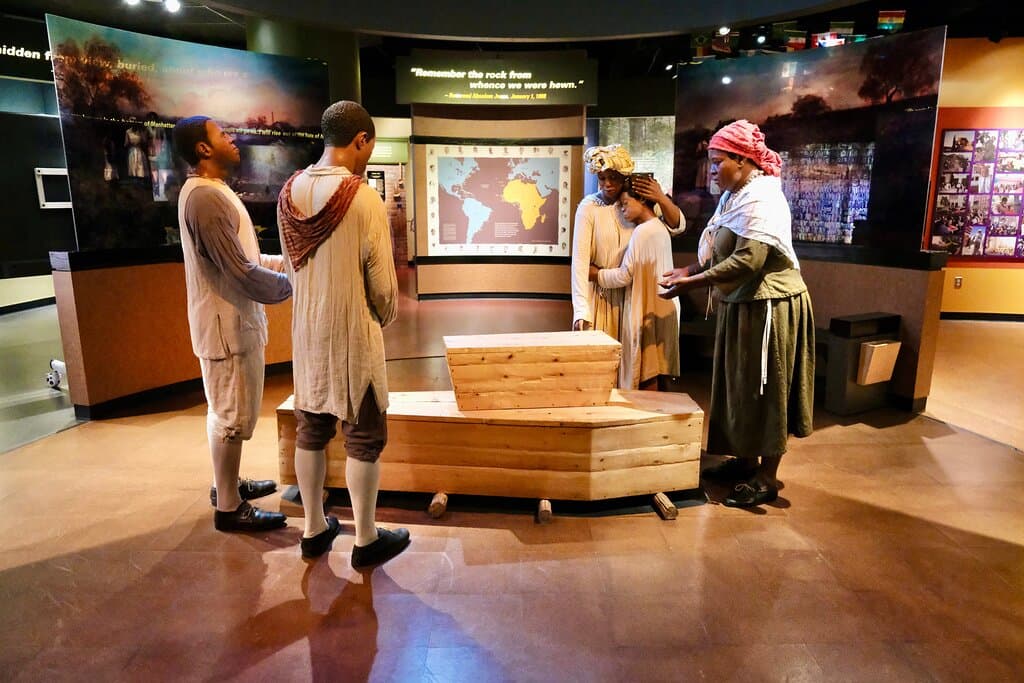
Don't miss the informative exhibits detailing the site's history and significance.
Quick Facts
Hours
Rating
4.7 · 765 reviews
Type
Monument
Website
nps.gov/afbgHighlights
Discover the most iconic attractions and experiences
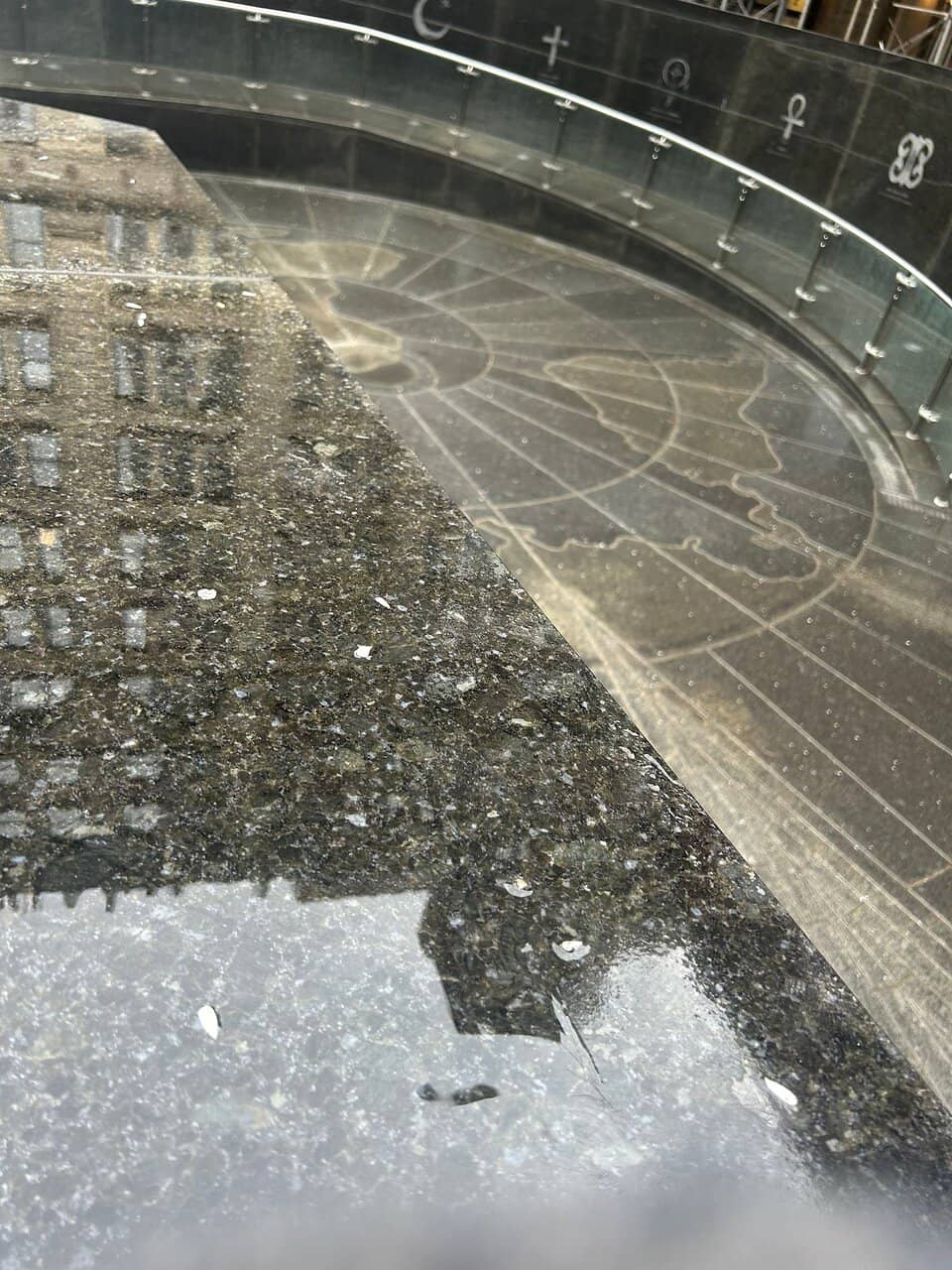
The Memorial
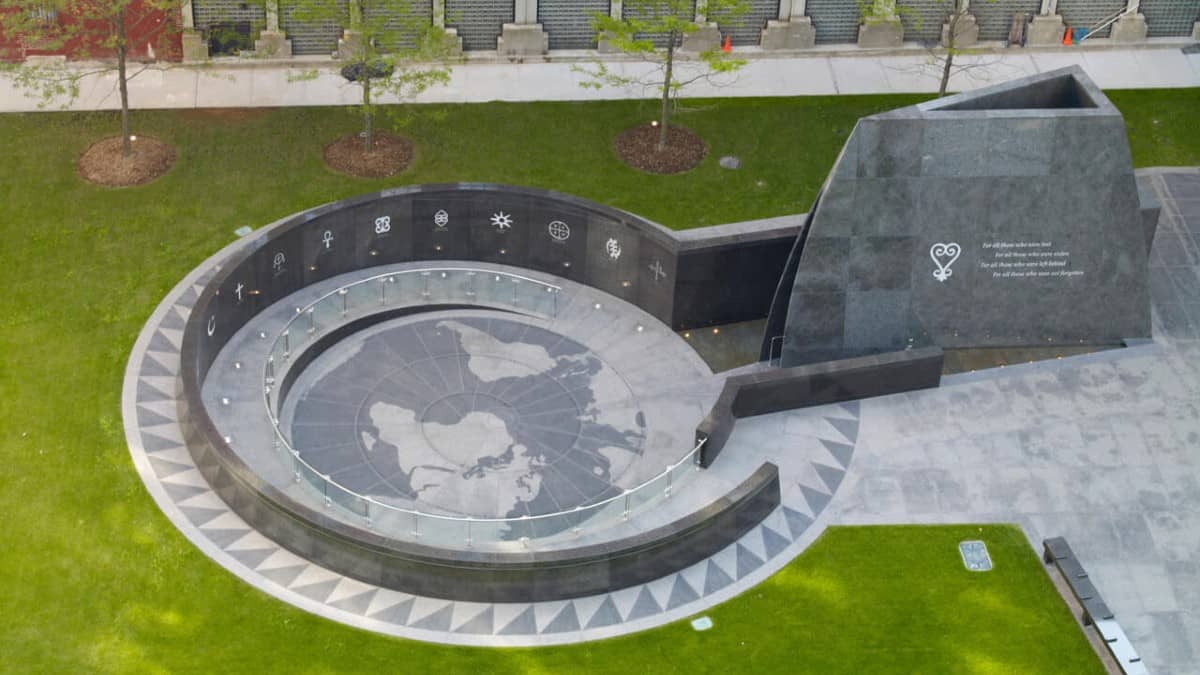
Outdoor Memorial
A powerful, ship-inspired design symbolizing the journey of souls back to their homeland.
Ancestral Libation Chamber
Visitor Center
A deeply spiritual space for reflection and remembrance of the ancestors.

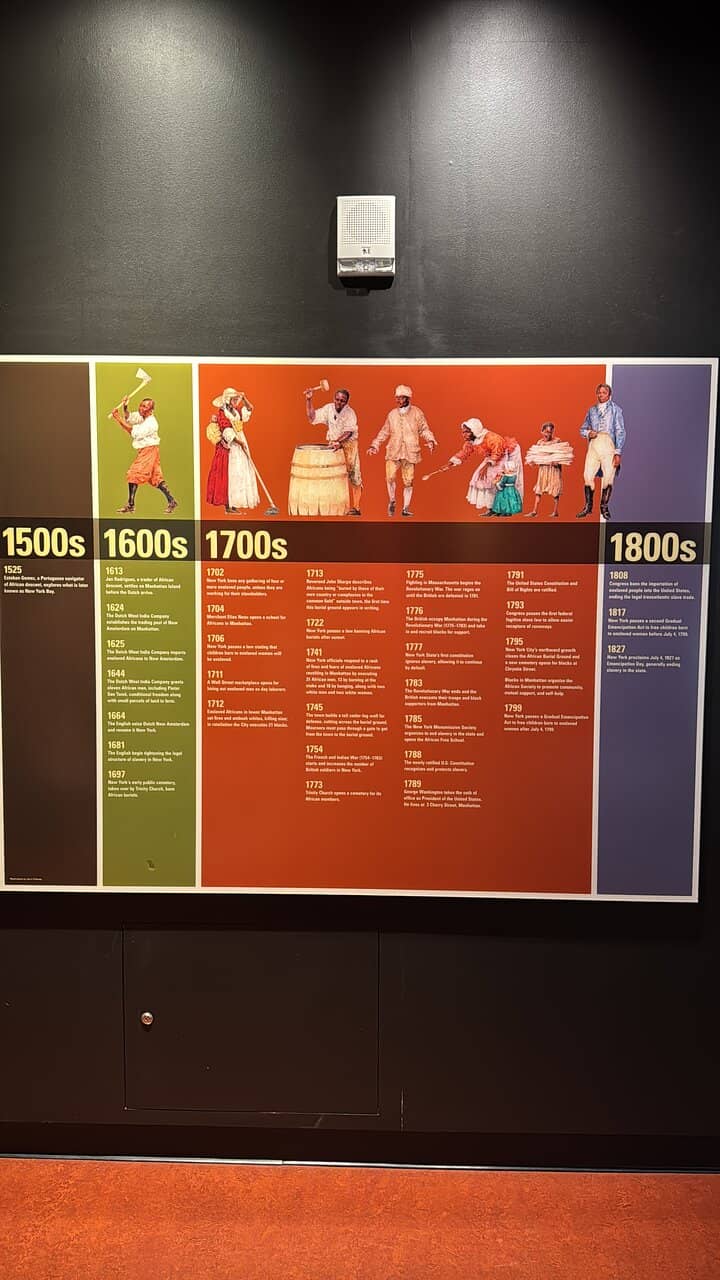
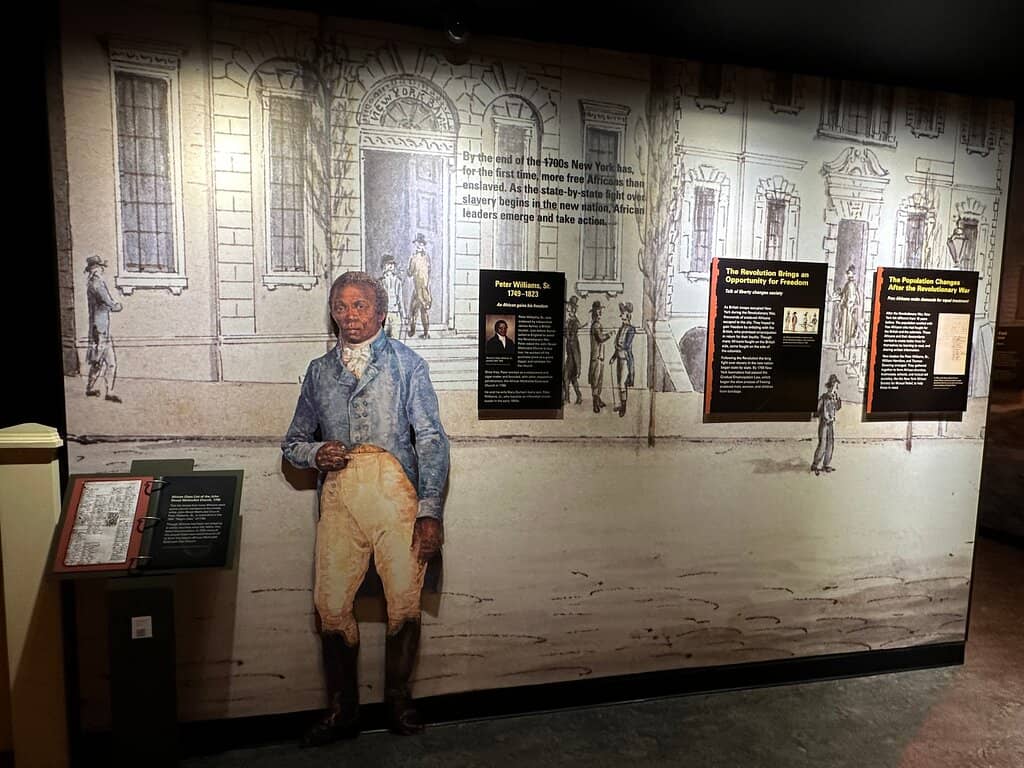
Visitor Center Exhibits
Ted Weiss Federal Building
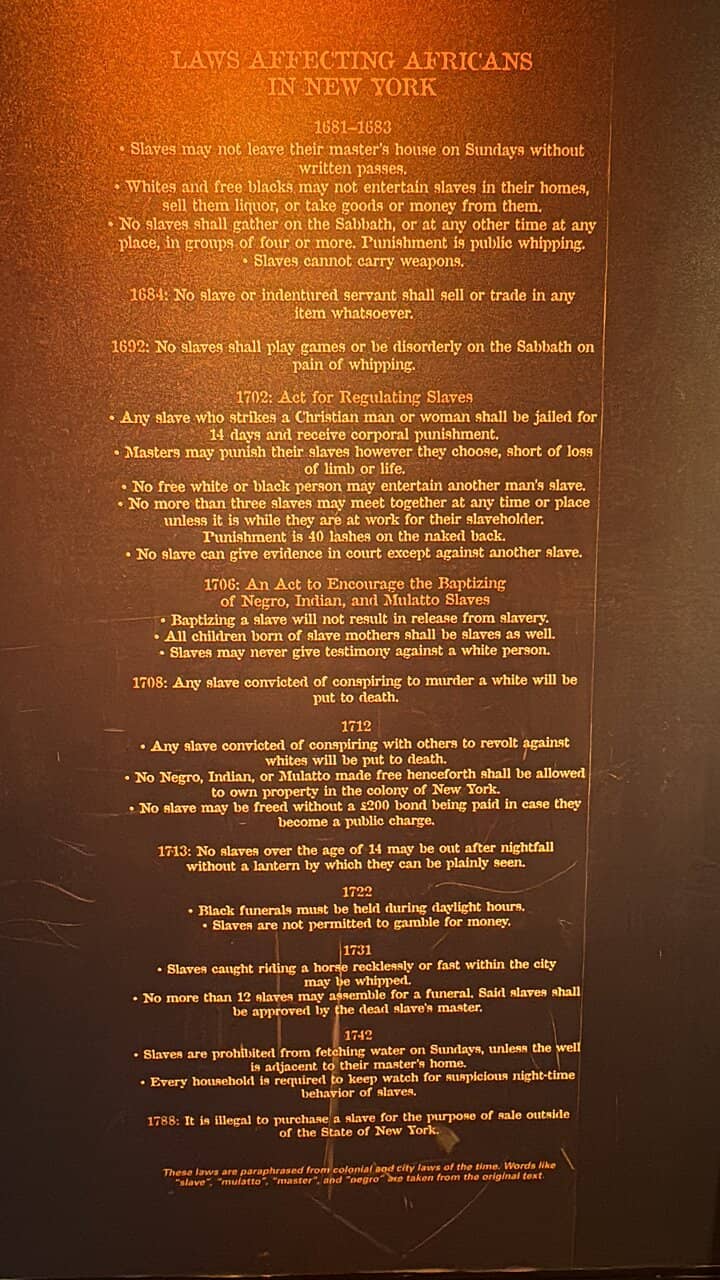
Informative displays detailing the history of the site and the lives of free and enslaved Africans in NYC.
Plans like a pro.
Thinks like you
Planning Your Visit
Respectful Visit is Key
+1Uncover Hidden History
Best Times
Insider Tips
from TikTok, Instagram & Reddit
🚶♀️ Walk with Respect
This is a sacred burial ground. Approach with reverence and quiet reflection.
🏛️ Visit the Visitor Center
Don't miss the informative exhibits detailing the site's history and significance.
🗣️ Learn the History
Understand the powerful story of community activism that led to this monument's creation.
🗺️ Check for Events
Special programming often enhances the visitor experience and historical understanding.
Tips
from all over the internet
🚶♀️ Walk with Respect
This is a sacred burial ground. Approach with reverence and quiet reflection.
🏛️ Visit the Visitor Center
Don't miss the informative exhibits detailing the site's history and significance.
🗣️ Learn the History
Understand the powerful story of community activism that led to this monument's creation.
🗺️ Check for Events
Special programming often enhances the visitor experience and historical understanding.
What Travellers Say
Reviews Summary
Visitors find the African Burial Ground National Monument to be a deeply moving and historically significant site, offering a powerful connection to the past. While some wish for more detailed information on specific aspects like DNA results, the overall experience is described as a spiritual journey and a crucial reminder of the contributions of Africans to the city and nation.
"The park was very well done, I would have liked to have heard more about the DNA results of those who were interned there, their exact origins(current country) very thorough depiction of like as an Enslaved in America. The memorial itself is a combination of art , history and spiritual journey."
KSD Ksd
"I hadn't heard about this monument or the story behind it until my wife studied it at university. We both decided it had to be a stop on our trip to New York.
It was very quiet there as far as people visiting, largely due to the lack of signage and it not being on a lot of tour maps . But you can feel an energy there I can't describe. I wish more people would visit this place and visited the museum to learn about this part of the history of the city and the country."
Tom Hughes
"A little known gem hidden amongst the court buildings. The African Burial ground originally spanned 5 city blocks but now only takes up a historical cornerstone. Such an important site dating back to the late 1700s. An equally important cemetery as Trinity Church and honorable as the 911 monument."
Jaye Bartley
What People Like
What People Dislike
Frequently Asked Questions
🚇 🗺️ Getting There
The African Burial Ground National Monument is located in Lower Manhattan. It's accessible via several subway lines, including the 4, 5, 6, J, Z, M, N, Q, R, W, and 1, 2, 3 trains, with stations like City Hall, Brooklyn Bridge-City Hall, and Chambers Street nearby.
Parking in Lower Manhattan can be challenging and expensive. It's generally recommended to use public transportation. If driving, look for parking garages in the Civic Center area.
Yes, numerous bus lines serve the area around the African Burial Ground National Monument, making it easily accessible for visitors.
The monument is centrally located in Lower Manhattan, making it a walkable distance from attractions like City Hall, the courthouses, and even parts of the Financial District.
Many visitors recommend starting at the Visitor Center to learn about the history before exploring the outdoor memorial.
🎫 🎫 Tickets & Entry
No, admission to the African Burial Ground National Monument is completely free. This NPS site is dedicated to sharing the history of the enslaved Africans who built this nation.
The outdoor memorial is generally accessible during daylight hours. The Visitor Center has specific operating hours, which can vary, so it's best to check the official National Park Service website before your visit.
Tickets are not required for general entry as it is a free site. However, for special ranger-led programs or events, advance registration might be necessary.
The monument is typically open on most holidays, but it's always advisable to confirm hours with the National Park Service, as closures can occur.
Yes, you can get a powerful sense of the history with a brief visit to the outdoor memorial. However, to fully appreciate the story, dedicating time to the Visitor Center is highly recommended.
🎫 🧭 Onsite Experience
You can explore the outdoor memorial, including the Ancestral Libation Chamber, and visit the informative Visitor Center with exhibits on the history of free and enslaved Africans in New York.
Yes, it is a deeply moving and somber memorial. Visitors often describe feeling a profound energy and a sense of deep reflection on the lives and struggles of those buried there.
The National Park Service often offers ranger-led programs and tours. Check the official website or inquire at the Visitor Center for schedules and availability.
The memorial is designed to evoke a ship, symbolizing the journey of the souls of the interred Africans back to their homeland.
Photography is generally permitted in outdoor areas for personal use, but be mindful of the sacred nature of the site. Check specific guidelines at the Visitor Center.
🍽️ 🍽️ Food & Dining
The monument itself does not have dining facilities. However, there is a small gift shop. You'll find numerous restaurants and eateries in the surrounding Lower Manhattan area.
While there are no specific restrictions mentioned for the outdoor memorial, it's best to consume food and drinks away from the sacred burial areas. The Visitor Center may have guidelines.
The area around the monument offers a wide range of dining options, from quick-service delis and cafes to sit-down restaurants, catering to various tastes and budgets.
Designated picnic areas are not a prominent feature of the monument itself. You might find public seating in nearby parks or plazas in Lower Manhattan.
Yes, numerous coffee shops and small eateries are located within a short walking distance of the African Burial Ground National Monument.
📸 📸 Photography
The outdoor memorial itself offers striking architectural and symbolic photo opportunities. The entrance to the Visitor Center and surrounding streetscapes also provide context.
Tripod usage policies can vary for National Park Service sites. It's advisable to check with the Visitor Center staff for specific regulations regarding photography equipment.
Drone operations are strictly prohibited in National Parks and Monuments for safety and preservation reasons.
Photography that respectfully captures the memorial and its historical significance is encouraged. Focus on conveying the solemnity and importance of the site.
Commercial photography or videography may require special permits. Contact the National Park Service for details if you plan to use images for commercial purposes.
Social
from TikTok, Instagram & Reddit