
Oyster Bay National Wildlife Refuge
A vital coastal sanctuary with salt marshes and ponds, perfect for wildlife viewing and birdwatching.
Highlights
Must-see attractions

Social
From TikTok & Reddit
Best Time
Peak bird migration
Oyster Bay National Wildlife Refuge
Best Time
Peak bird migration
Highlights
Must-see attractions
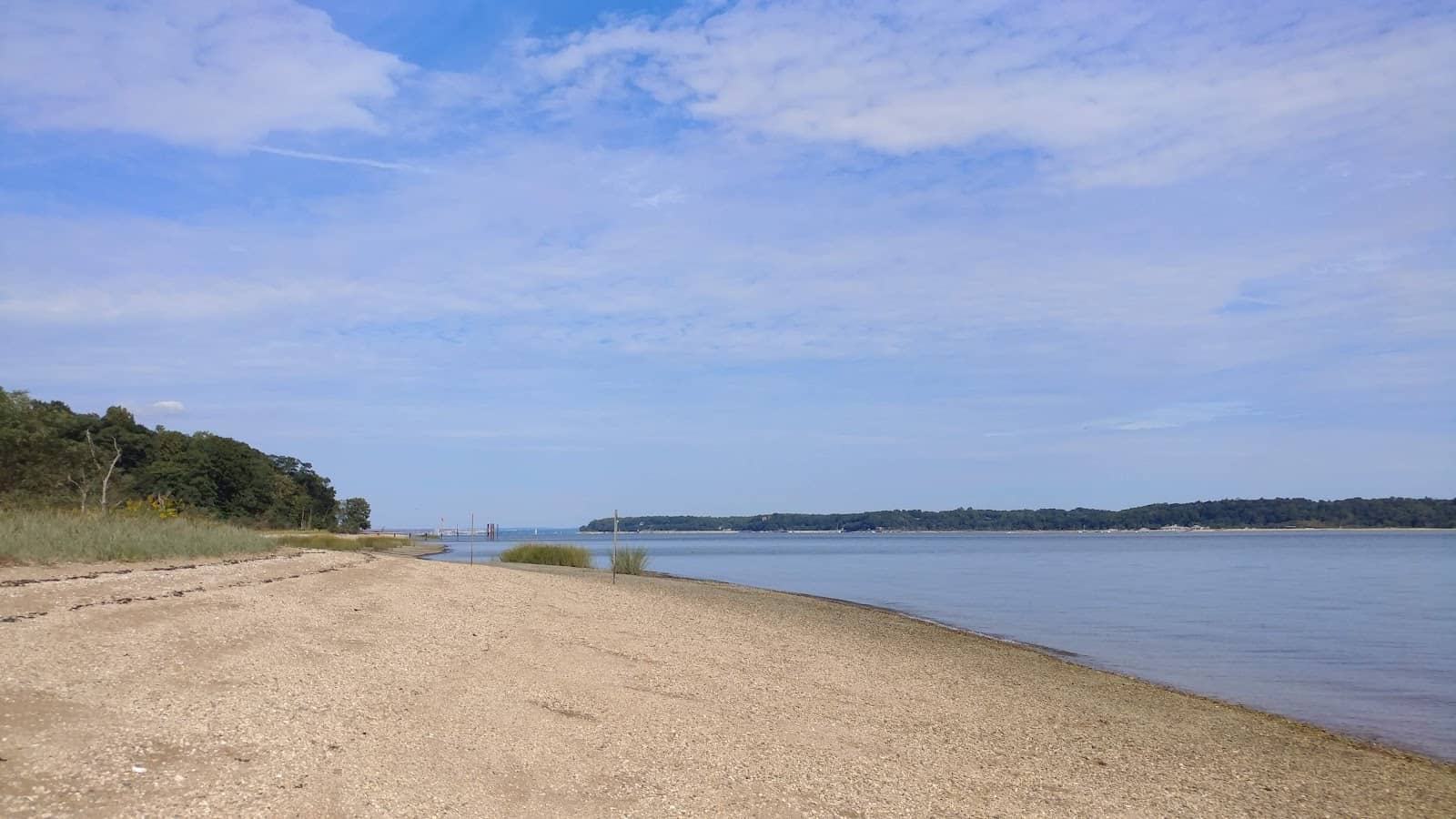
A vital coastal sanctuary with salt marshes and ponds, perfect for wildlife viewing and birdwatching.
Check Tide Charts First
Plan your visit around low tide for best access to mudflats and shorelines. :world_map:
Wear Sturdy Footwear
Expect muddy and uneven terrain; waterproof boots are ideal. :athletic_shoe:

Quick Facts
Highlights
Discover the most iconic attractions and experiences
Salt Marsh Exploration
Discover diverse coastal habitats teeming with birdlife and marine creatures. A true natural gem.
Birdwatching Paradise
Spot a variety of migratory and resident bird species in their natural coastal environment.

Pond and Estuary Views
Enjoy serene waterscapes and observe the unique ecosystem where freshwater meets saltwater.
Plans like a pro.
Thinks like you
Planning Your Visit
Plan Your Visit to Oyster Bay NWR
Best Practices for Wildlife Viewing
Best Times
Insider Tips
from TikTok, Instagram & Reddit
Check Tide Charts First
Plan your visit around low tide for best access to mudflats and shorelines. :world_map:
Wear Sturdy Footwear
Expect muddy and uneven terrain; waterproof boots are ideal. :athletic_shoe:
Bring Binoculars
Essential for spotting distant birds and wildlife. :binoculars:
Insect Repellent is Key
Mosquitoes and biting flies can be prevalent, especially in warmer months. :bug:
Tips
from all over the internet
Check Tide Charts First
Plan your visit around low tide for best access to mudflats and shorelines. :world_map:
Wear Sturdy Footwear
Expect muddy and uneven terrain; waterproof boots are ideal. :athletic_shoe:
Bring Binoculars
Essential for spotting distant birds and wildlife. :binoculars:
Insect Repellent is Key
Mosquitoes and biting flies can be prevalent, especially in warmer months. :bug:
Leave No Trace
Pack out everything you pack in to preserve this delicate ecosystem. ♻️
What Travellers Say
Reviews Summary
Visitors praise Oyster Bay National Wildlife Refuge for its pristine natural beauty and abundant wildlife, particularly its bird populations. It's a serene escape for nature lovers and photographers. However, some find the terrain challenging and note the limited amenities, advising visitors to come prepared.
What People Like
What People Dislike
Frequently Asked Questions
🚇 🗺️ Getting There
Oyster Bay National Wildlife Refuge is accessible by car. The nearest major roads are typically found by navigating to the general vicinity of Oyster Bay, New York. Parking is available at designated access points, but specific directions can vary depending on the entrance you plan to use. It's advisable to use a GPS or mapping app for precise navigation to your chosen entry point.
Public transportation options to Oyster Bay National Wildlife Refuge are limited. While there are train and bus services to the town of Oyster Bay, reaching the refuge itself from these transit hubs may require a taxi or ride-sharing service. It's best to check local transit schedules and availability in advance.
The best entry points for Oyster Bay National Wildlife Refuge depend on your intended activity. Some areas are better suited for birdwatching, while others offer access to fishing spots. Researching the specific trails and access points on the refuge's official website or conservation maps can help you choose the most convenient and suitable entrance for your visit.
Generally, there are no entrance fees for most National Wildlife Refuges, including Oyster Bay NWR. However, it's always a good idea to check the official U.S. Fish and Wildlife Service website for any specific regulations or potential fees that might apply to certain activities or areas within the refuge.
Parking at Oyster Bay National Wildlife Refuge is typically available at designated lots near access points. These lots can fill up quickly, especially during peak seasons or weekends. Arriving early in the day is recommended to secure a parking spot. Be sure to park only in marked areas to avoid obstructing trails or sensitive habitats.
🎫 🎫 Tickets & Entry
No, you do not need to purchase tickets to enter Oyster Bay National Wildlife Refuge. Access to the refuge for general wildlife observation and enjoyment is typically free of charge. However, specific permits may be required for certain activities like hunting or fishing, so always check the refuge regulations.
Oyster Bay National Wildlife Refuge is generally open from sunrise to sunset daily. However, specific access points or facilities might have different hours. It's recommended to consult the official U.S. Fish and Wildlife Service website for the most up-to-date information on operating hours for the refuge and any associated visitor centers.
Regulations regarding pets at National Wildlife Refuges can vary. Typically, pets are allowed on leashes in certain areas, but they may be restricted from sensitive habitats or during specific seasons to protect wildlife. Always check the specific pet policy for Oyster Bay NWR on the U.S. Fish and Wildlife Service website before your visit.
Accessibility at Oyster Bay National Wildlife Refuge can vary. Some trails may be paved or boardwalked, offering better accessibility, while others are natural and uneven. It's best to check the refuge's official website or contact them directly to inquire about accessible trails, parking, and facilities.
Fishing in designated areas of Oyster Bay National Wildlife Refuge typically requires a valid New York State fishing license. Additionally, there may be specific refuge regulations or permits needed for certain types of fishing or for accessing particular areas. Always verify the latest fishing regulations with the refuge and New York State Department of Environmental Conservation.
🎫 🧭 Onsite Experience
Oyster Bay National Wildlife Refuge is a haven for diverse wildlife, particularly birds. You can expect to see various shorebirds, waterfowl, wading birds, and raptors. The salt marshes and ponds also support marine life, including fish and invertebrates, and you might spot small mammals. The species present can vary seasonally.
Yes, Oyster Bay National Wildlife Refuge offers trails for exploration. These trails often wind through salt marshes and along the coast, providing excellent opportunities for wildlife viewing. The terrain can be natural and sometimes muddy, so appropriate footwear is essential. Check refuge maps for trail lengths and difficulty.
Primary activities at Oyster Bay National Wildlife Refuge include wildlife observation, birdwatching, photography, and fishing in designated areas. Hiking and nature walks are also popular. Activities that could disturb wildlife or damage habitats, such as off-trail exploration or loud noise, are generally prohibited.
Kayaking and canoeing may be permitted in certain waterways within Oyster Bay National Wildlife Refuge, particularly in the bay areas. However, access points and regulations can vary. It's crucial to check the refuge's specific rules regarding boating and to be aware of tidal conditions and potential hazards before launching.
Information on whether Oyster Bay National Wildlife Refuge has a dedicated visitor center can vary. Some refuges have small interpretive centers or information kiosks. It's best to check the official U.S. Fish and Wildlife Service website for Oyster Bay NWR to confirm the availability of visitor services and any operating hours.
🍽️ 🍽️ Food & Dining
Oyster Bay National Wildlife Refuge is a natural area and does not typically have on-site restaurants or food services. Visitors are encouraged to bring their own food and drinks for a picnic, ensuring they pack out all trash. The nearby town of Oyster Bay offers various dining options.
The town of Oyster Bay, located near the refuge, offers a range of dining establishments. You can find everything from casual cafes and seafood restaurants to more formal dining experiences. Exploring the main streets of Oyster Bay will provide numerous options to suit different tastes and budgets.
Picnicking is generally allowed in designated areas at Oyster Bay National Wildlife Refuge, provided you follow Leave No Trace principles. It's important to use established picnic spots if available and to ensure all food waste is properly disposed of to protect the wildlife and environment. Always check specific refuge rules regarding picnicking.
📸 📸 Photography
The salt marshes, tidal flats, and diverse birdlife offer excellent photography opportunities at Oyster Bay National Wildlife Refuge. Early morning and late afternoon light can create stunning scenes. Focus on areas where wildlife is abundant, such as shorelines and bird nesting sites (from a distance).
For wildlife photography at Oyster Bay National Wildlife Refuge, a telephoto lens is highly recommended to capture distant birds and animals. A wide-angle lens can be useful for landscape shots of the marshes and coastline. A sturdy tripod can help with stability, especially in low light conditions.
Generally, photography for personal use is permitted at Oyster Bay National Wildlife Refuge. However, commercial photography or drone usage may require special permits. Always be mindful of wildlife and avoid disturbing them for a photo. Stick to designated trails and respect all refuge regulations.
The 'golden hours' – shortly after sunrise and before sunset – offer the most beautiful and dramatic lighting for photography at Oyster Bay National Wildlife Refuge. These times also coincide with increased wildlife activity, providing more opportunities to capture compelling shots.
Photographers at Oyster Bay National Wildlife Refuge often focus on its abundant birdlife, including shorebirds, waterfowl, and raptors. The unique salt marsh landscapes, tidal patterns, and coastal flora also make for compelling subjects. Capturing the interplay between water, land, and sky is a common theme.




Social
from TikTok, Instagram & Reddit