
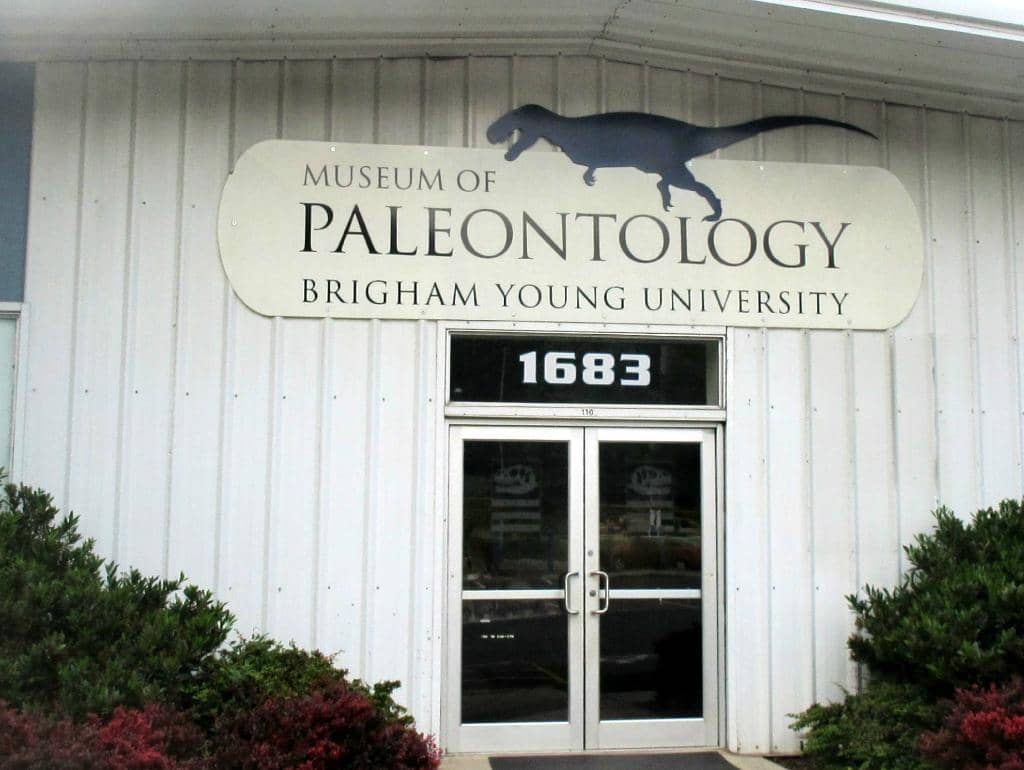
BYU Museum of Paleontology
Discover ancient life at BYU's free museum, featuring North American fossils and a glimpse into active paleontological research.
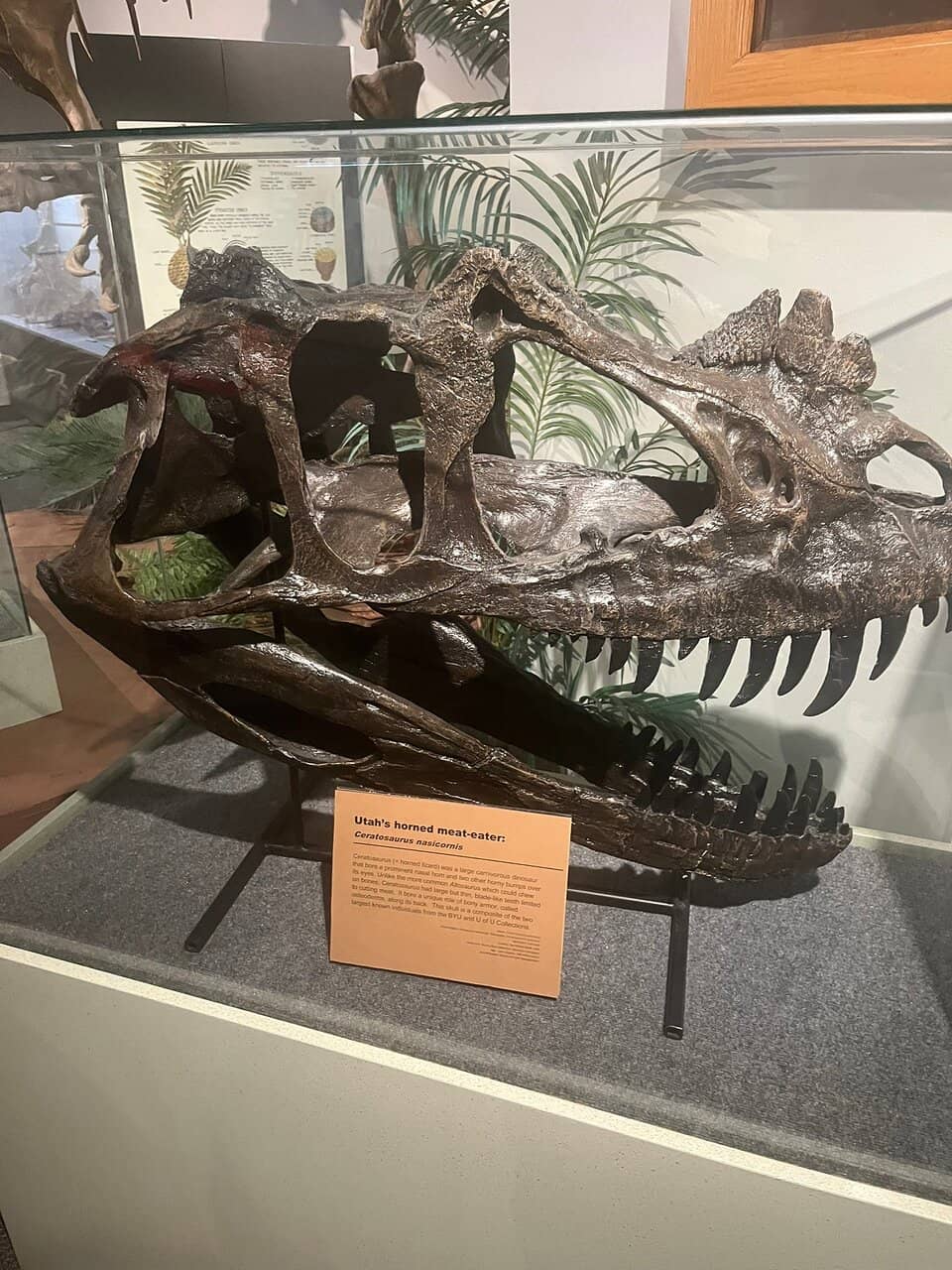
Highlights
Must-see attractions

Social
From TikTok & Reddit
Best Time
Fewer crowds, more space to explore
BYU Museum of Paleontology
Best Time
Fewer crowds, more space to explore
Highlights
Must-see attractions
Discover ancient life at BYU's free museum, featuring North American fossils and a glimpse into active paleontological research.
"A well-curated, free museum with a unique focus on North American fossils and active research."
🎯 Free Admission Fun
Enjoy this gem without spending a dime! Donations are welcome and appreciated.
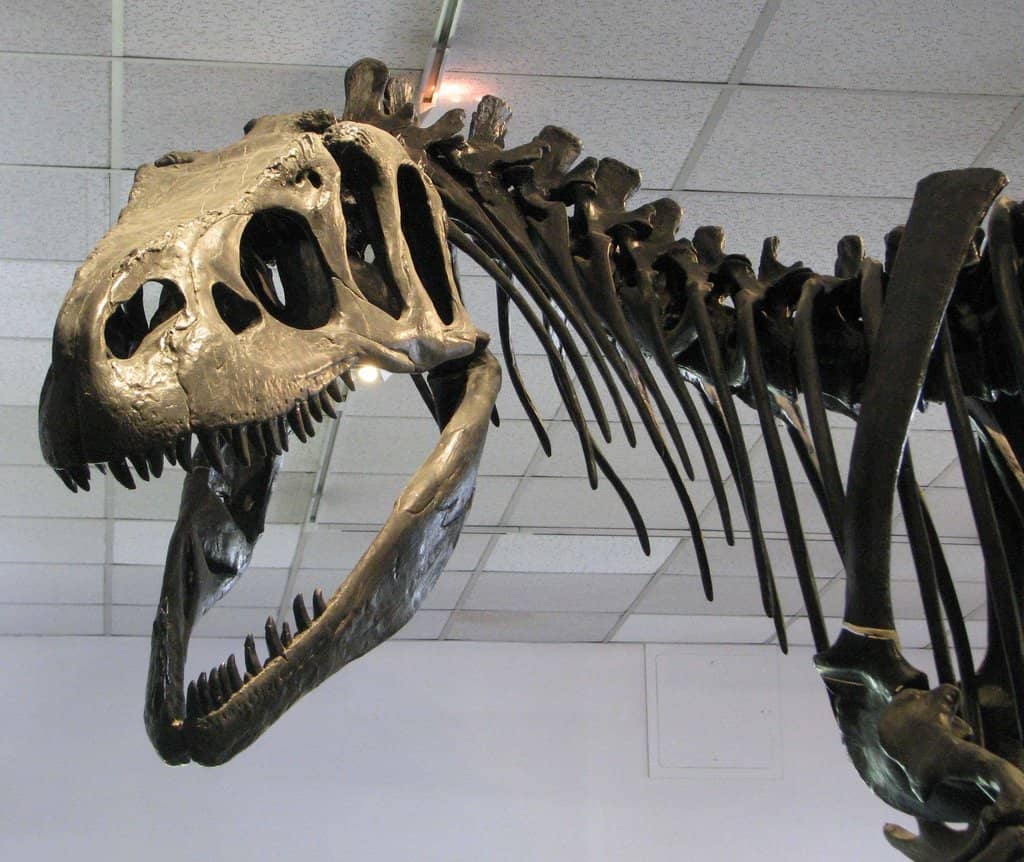
🤗 Say Hello to Utahraptor
Don't miss the impressive Utahraptor mount; it's a visitor favorite for photos!
Quick Facts
Hours
Rating
4.6 · 507 reviews
Type
Museum
Highlights
Discover the most iconic attractions and experiences
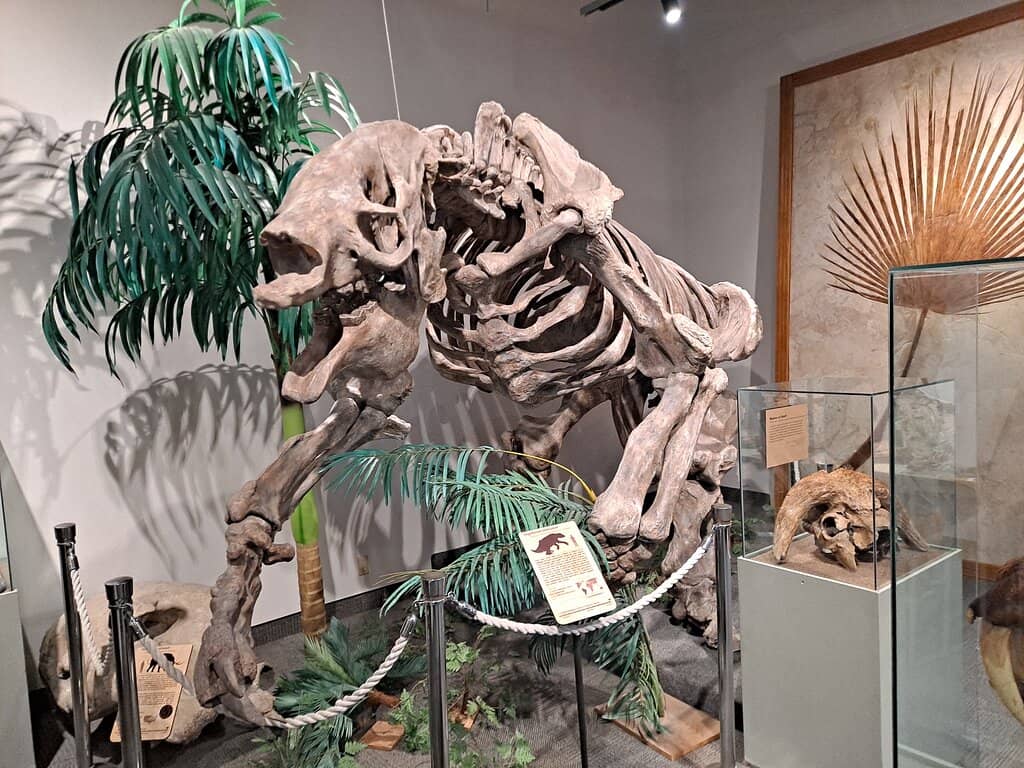
Utahraptor Hug
Main Hall
Get up close and personal with a towering Utahraptor skeleton that feels like it's ready for a hug!
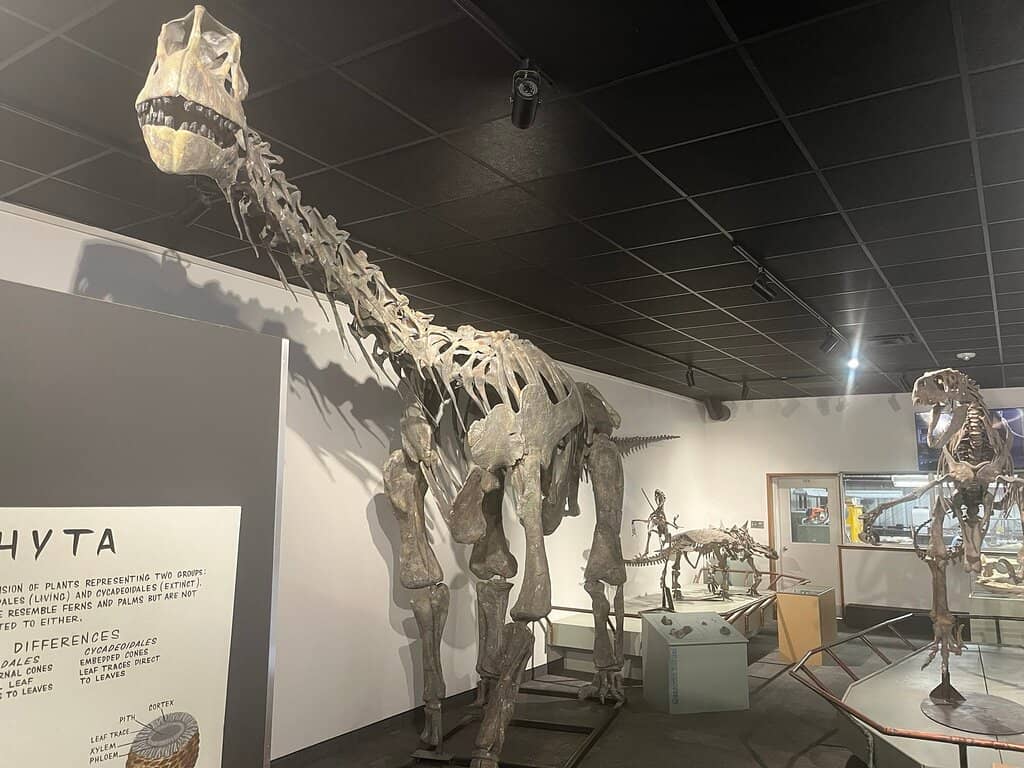
North American Focus
Exhibition Halls
Discover fossils primarily found in North America, many from right here in Utah, making ancient life feel more relatable.
Behind-the-Scenes Glimpse
Viewing Window
Watch paleontologists in action through a special window, offering a rare look at ongoing scientific research.
Plans like a pro.
Thinks like you
Planning Your Visit
Free Admission & Hours
Research in Action
Best Times
Insider Tips
from TikTok, Instagram & Reddit
🎯 Free Admission Fun
Enjoy this gem without spending a dime! Donations are welcome and appreciated.
🤗 Say Hello to Utahraptor
Don't miss the impressive Utahraptor mount; it's a visitor favorite for photos!

🔬 Peek at Paleontologists
Look for the viewing window to see researchers at work – a truly unique experience.
🗺️ Focus on Local Finds
Appreciate the collection's emphasis on fossils from North America, especially Utah.
Tips
from all over the internet
🎯 Free Admission Fun
Enjoy this gem without spending a dime! Donations are welcome and appreciated.
🤗 Say Hello to Utahraptor
Don't miss the impressive Utahraptor mount; it's a visitor favorite for photos!
🔬 Peek at Paleontologists
Look for the viewing window to see researchers at work – a truly unique experience.
🗺️ Focus on Local Finds
Appreciate the collection's emphasis on fossils from North America, especially Utah.
💡 Interactive Displays
Seek out the clearly marked 'touchable' items for a hands-on experience.
What Travellers Say
Reviews Summary
Visitors praise the BYU Museum of Paleontology for its free admission and well-curated exhibits, particularly the North American fossil focus. The chance to see paleontologists at work is a unique highlight. Some note it's on the smaller side and might have fewer hands-on activities for very young children, but overall, it's considered a worthwhile and educational stop.
"Free admission is a great perk, but my kids definitely had lots of fun putting coins in the donation glass box and watching them fall too. It was lovely on a Tuesday afternoon! Barely anyone else there and toddlers and young children had such a good time learning about dinosaurs!
At the end of our visit, around 3:30 a group of paleontologists came in and there’s a glass window with a step so you can watch them work! Very very cool."
Olivia Burd
"The Museum of Paleontology at Brigham Young University is a very well curated museum. Great lighting, display angles, groupings and decor all create an enjoyable experience for patrons. The staff here should be proud of this show-piece, as well as the ongoing commitment to research here at BYU. Well done, KUDOS!!!"
Jim Hopton
"This museum is curated very well and is well worth the visit. It is unique in the fact that it focuses on fossils and ancient life found specifically in North America, and many are from Utah. I only saw two or three fossils that weren't found in North America, so I felt it made it more real for me knowing what dinosaurs actually lived where I "roam."
I gave it 4 stars because it was rather small, which I wasn't expecting because the building itself is quite large. Having said that, it is a research laboratory, as well, which I assume is what the extra space is used for.
Also, be forewarned that there are not a lot of hands-on things for little children, to be fair their are things for them to touch it is just not as easy to find those things as you would hope. So although my 4-5 year old really enjoyed looking, it wasn't as easy to not touch it. 😉"
Anna Lyman Dalpias
What People Like
What People Dislike
Frequently Asked Questions
🚇 🗺️ Getting There
The museum is located on the Brigham Young University campus in Provo, Utah. It's easily accessible by car, with parking available nearby. Public transportation options also serve the campus area.
Parking availability can vary on campus. It's best to check BYU's parking regulations for the most up-to-date information regarding visitor parking near the museum.
While not always a formal stop, the museum is a significant attraction on campus. Many campus tours will pass by or mention its location.
The museum is part of the larger BYU campus. Look for signs directing you to the various museums, or use a campus map.
Yes, BYU has several other museums, including the Museum of Art and the Bean Life Science Museum, all offering free admission and located on campus.
🎫 🎫 Tickets & Entry
No, admission to the BYU Museum of Paleontology is completely free! This makes it a fantastic option for budget-conscious travelers and families.
The museum is typically open Monday through Saturday. Hours can vary, but generally, it's open from 9 AM to 5 PM. It's always a good idea to check the official BYU Museum of Paleontology website for the most current hours.
Since admission is free, no advance booking is required. You can typically walk in during operating hours.
The museum occasionally hosts special programs and events. Following their social media or website can keep you updated on these opportunities.
As a university facility, the museum is generally designed to be accessible. It's recommended to contact the museum directly for specific accessibility needs.
🎫 🧭 Onsite Experience
Visitors often rave about the impressive Utahraptor skeleton, the focus on North American fossils (especially from Utah), and the unique opportunity to see paleontologists at work through a viewing window.
Yes, children often enjoy the dinosaur exhibits. While there are some 'touchable' items, it's not heavily focused on hands-on activities for very young children, but they can still have a great time looking.
Photography is generally allowed for personal use, but it's always good practice to check for any specific signage regarding photography restrictions, especially for flash photography.
A visit can range from an hour to a couple of hours, depending on your interest level and how much time you spend observing the exhibits and the research area.
While not a primary focus, there are some clearly marked 'touchable' items, and the viewing window into the research lab offers an interactive element of observation.
🍽️ 🍽️ Food & Dining
The museum itself does not typically have a cafe or restaurant. However, there are dining facilities available elsewhere on the BYU campus or in the surrounding Provo area.
It's generally recommended to consume food and drinks outside of exhibit areas to protect the fossils and displays. Check for designated eating areas if available.
Provo offers a wide variety of restaurants, from casual cafes to sit-down dining, located just a short drive or walk from the BYU campus.
The BYU campus has green spaces that may be suitable for picnics. It's a good idea to check campus maps for designated picnic spots.
While there isn't a dedicated cafe, sometimes there are vending machines available for quick snacks or drinks.
📸 📸 Photography
Yes, personal photography is generally permitted inside the museum. However, always be mindful of any posted signs regarding flash photography or specific exhibit restrictions.
The towering Utahraptor skeleton is a popular subject for photos. The well-lit displays of various fossils also make for great photographic opportunities.
Similar to photos, personal video recording is usually allowed. Be considerate of other visitors and avoid obstructing pathways.
Drone usage is typically prohibited inside university buildings and on campus grounds for safety and privacy reasons.
Weekday afternoons often have fewer visitors, allowing for more unobstructed shots. The museum's lighting is generally good throughout the day.

Social
from TikTok, Instagram & Reddit