Chain of Craters Road
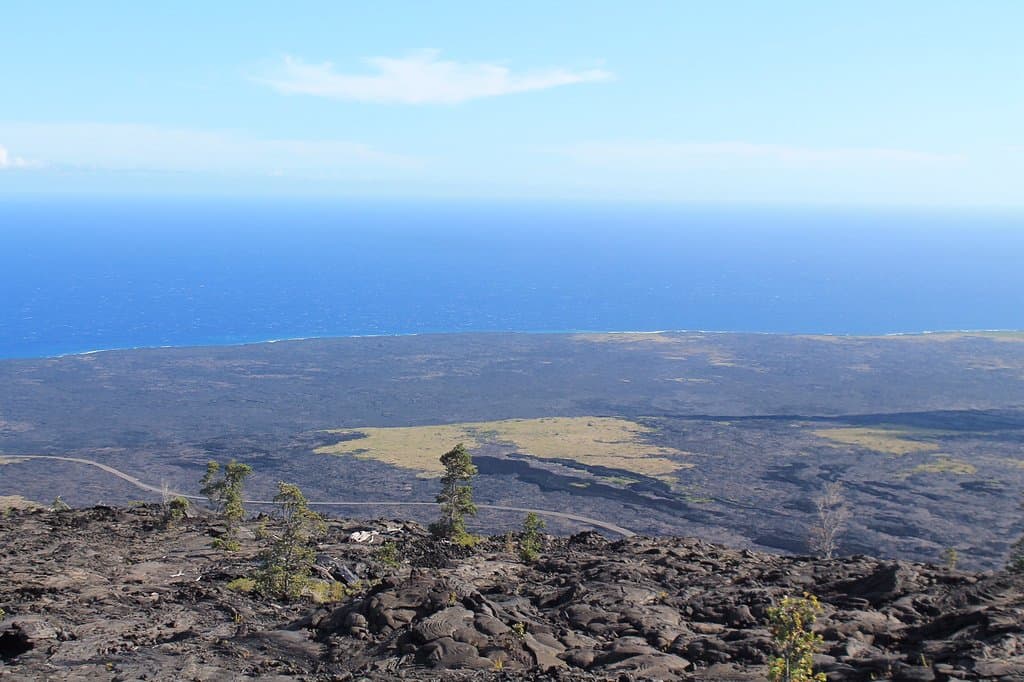
A 19-mile scenic drive through Hawaii Volcanoes National Park, showcasing dramatic lava fields, craters, and a stunning sea arch.

Highlights
Must-see attractions

Social
From TikTok & Reddit
Best Time
Fewer crowds, cooler temps
Chain of Craters Road
Best Time
Fewer crowds, cooler temps
Highlights
Must-see attractions
A 19-mile scenic drive through Hawaii Volcanoes National Park, showcasing dramatic lava fields, craters, and a stunning sea arch.
"A truly epic drive through a landscape shaped by fire and water, ending at a breathtaking sea arch."
🚗 Drive to the End
Don't miss the turnaround at the end of the road for the sea arch and lava field walks .
💧 Bring Water & Snacks
It's much hotter and sunnier at sea level; no services are available .
Quick Facts
Rating
4.7 · 61 reviews
Type
Tourist Attraction
Highlights
Discover the most iconic attractions and experiences
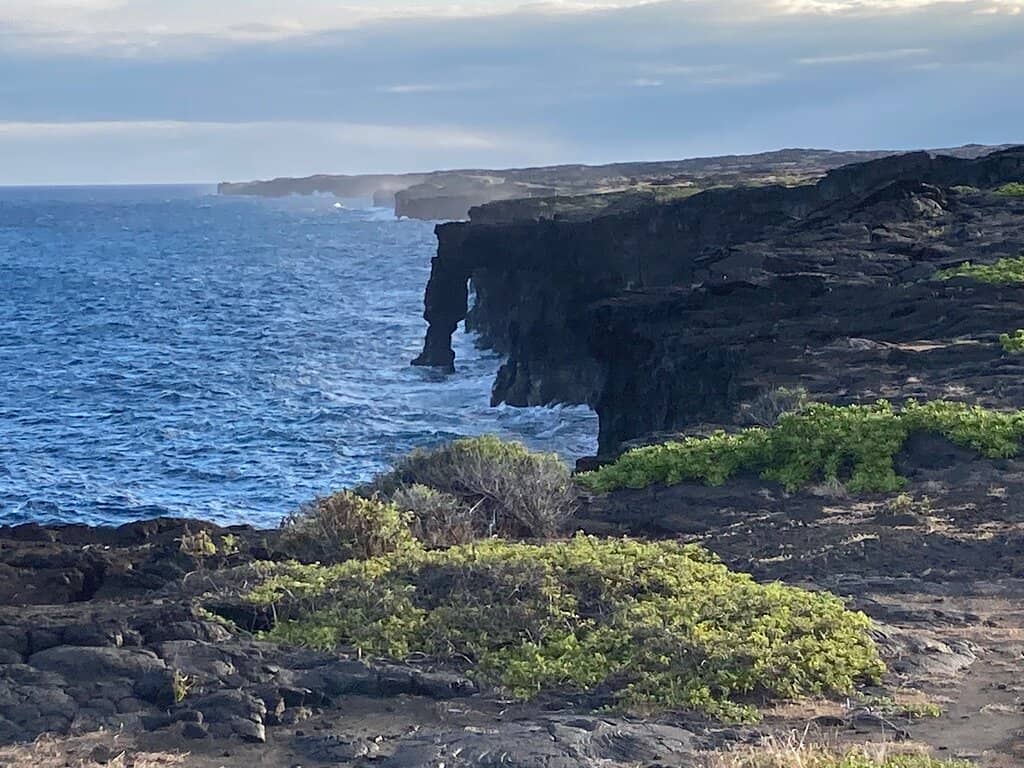
Hōlei Sea Arch
End of Chain of Craters Road
A stunning natural arch carved by the ocean, showcasing the dramatic coastline where lava meets the sea.
Petroglyph Trail
Near the end of Chain of Craters Road
Walk among ancient Hawaiian rock carvings, offering a glimpse into the island's rich cultural history.
Devastated Landscape
Various points along the road
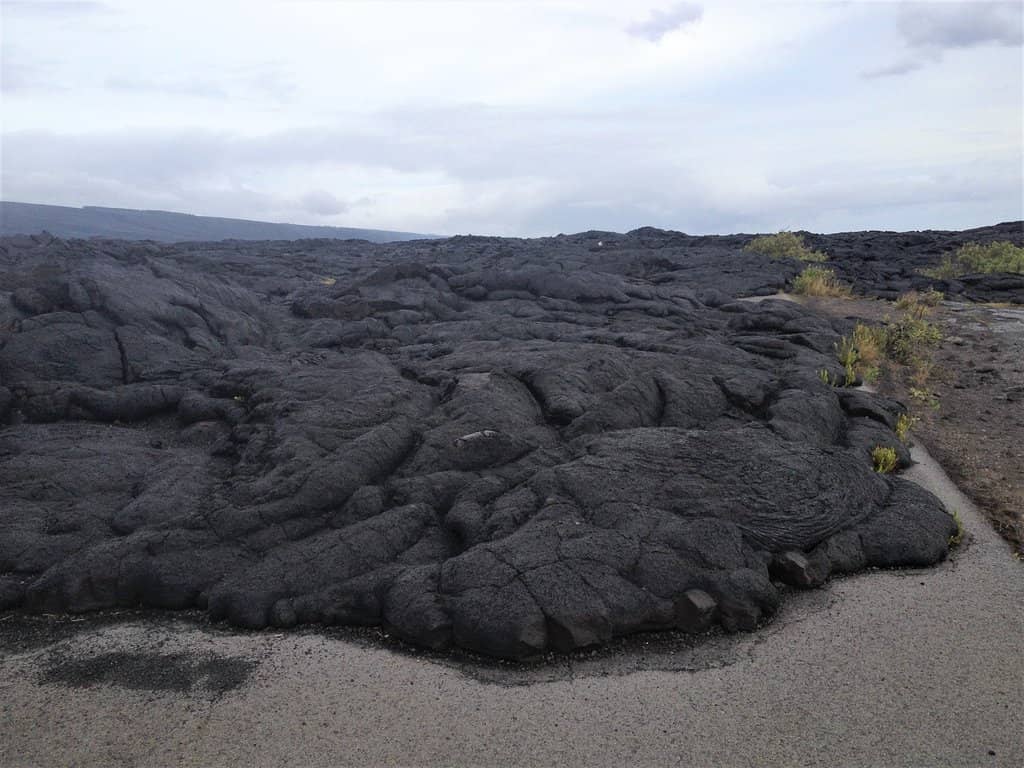
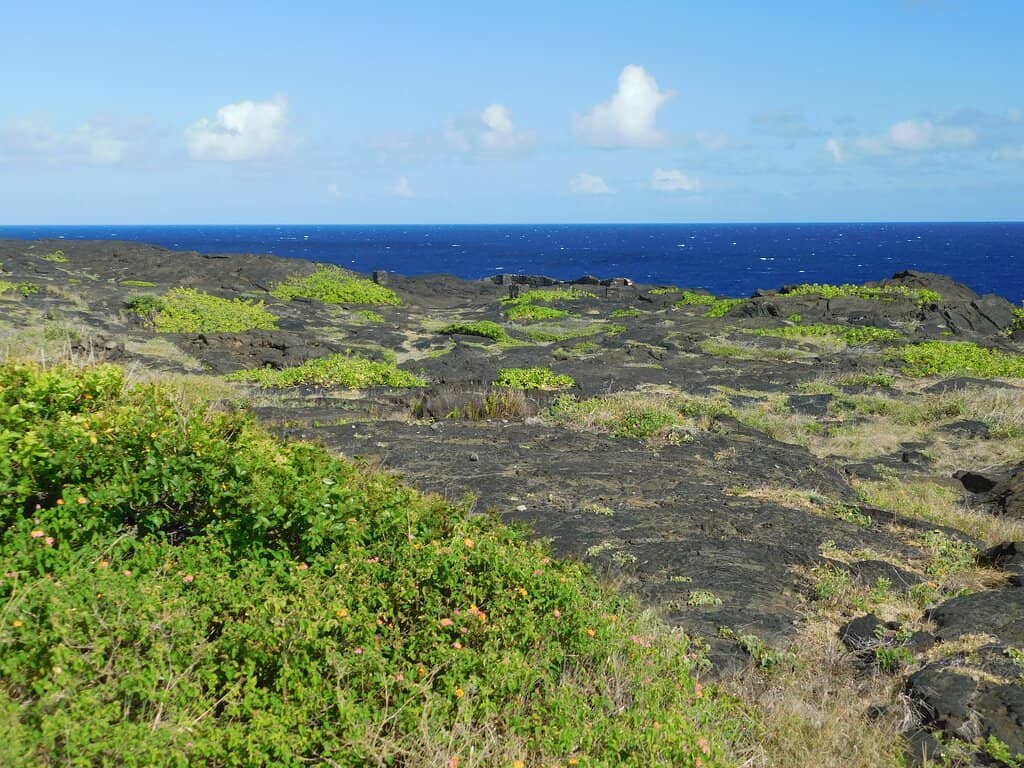
Witness the dramatic impact of the 2018 eruption, with vast lava fields and a road reclaimed by nature.
Plans like a pro.
Thinks like you
Planning Your Visit
Plan for the Drive
2018 Eruption's Impact
 While active lava flows are not always visible, the drive showcases the dramatic geological changes and the raw power of Kīlauea. Some sections of the road were destroyed and are now walking trails to the lava fields.
Best Times
Insider Tips
from TikTok, Instagram & Reddit
🚗 Drive to the End
Don't miss the turnaround at the end of the road for the sea arch and lava field walks.
💧 Bring Water & Snacks
It's much hotter and sunnier at sea level; no services are available.
🥾 Wear Comfortable Shoes
Essential for exploring petroglyphs and walking on lava fields.
📸 Capture the Views
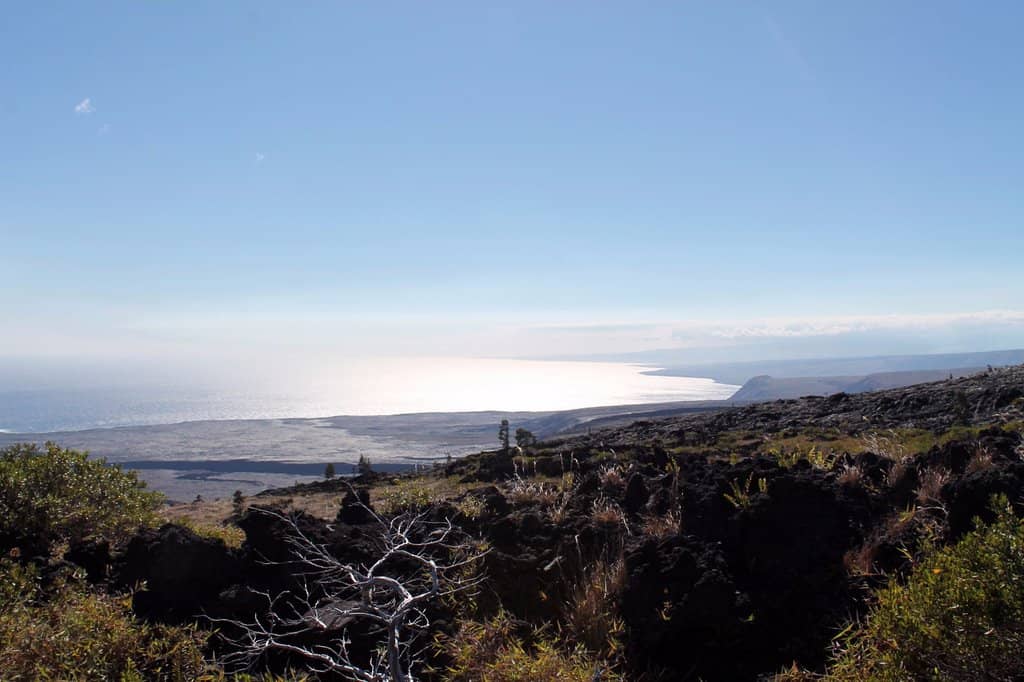
The scenery changes dramatically from crater rim to coast.
Tips
from all over the internet
🚗 Drive to the End
Don't miss the turnaround at the end of the road for the sea arch and lava field walks.
💧 Bring Water & Snacks
It's much hotter and sunnier at sea level; no services are available.
🥾 Wear Comfortable Shoes
Essential for exploring petroglyphs and walking on lava fields.
📸 Capture the Views
The scenery changes dramatically from crater rim to coast.
⏳ Allow Ample Time
Plan for 2-3 hours minimum to enjoy the stops and scenery.
What Travellers Say
Reviews Summary
Visitors rave about the stunning, otherworldly landscapes along Chain of Craters Road, highlighting the dramatic drive from the volcano's rim to the sea. The Hōlei Sea Arch and petroglyphs are frequently mentioned as must-see stops. Some note the intense heat and sun at the coast, emphasizing the need for preparation.
"After a very scenic drive you get to this turnaround point. We parked the car and took a rest. Don't miss the arch you can see in the distance."
Walter R
"There is plenty of parallel parking along the end of the road with restrooms. The road keeps going for a walking trail to the lava fields where it took out the road previously. The holei sea arch is also a quick walk on the right from here. Bring plenty of water as there's no fountains here and it was 29 degrees hotter and sunner here than up at the crater rim."
brandon dengler
"Beautiful drive down. Stopped and walked to petroglyphs and then visited the sea arch overlook. Recommend taking the drive to the turnaround with these two stops!"
Sandra Lindsey
What People Like
What People Dislike
Frequently Asked Questions
🚇 🗺️ Getting There
Chain of Craters Road is located within Hawaii Volcanoes National Park on the Big Island of Hawaii. Access is via the park's main entrance. The road itself begins near the Kīlauea caldera and extends 19 miles to the coast.
The majority of Chain of Craters Road is paved and suitable for regular vehicles. However, some sections near the end, where lava flows previously covered the road, are now walking trails.
Yes, you can drive the entire 19-mile paved section of Chain of Craters Road. The road ends at a turnaround point with parking, restrooms, and access to walking trails to the Hōlei Sea Arch and former lava fields.
The road descends significantly, starting at an elevation of about 4,000 feet near the Kīlauea caldera and ending at sea level.
Chain of Craters Road is generally open year-round, but it's always best to check the official Hawaii Volcanoes National Park website for any temporary closures due to volcanic activity, weather, or maintenance.
🎫 🎫 Tickets & Entry
No, Chain of Craters Road is within Hawaii Volcanoes National Park. You only need to pay the standard entrance fee for the park, which is valid for several days.
Chain of Craters Road is open 24 hours a day, but it is most enjoyable and safest to visit during daylight hours. Visitor centers and facilities within the park have specific operating hours.
There is no additional fee to drive Chain of Craters Road beyond the standard entrance fee for Hawaii Volcanoes National Park.
Yes, cycling is permitted on Chain of Craters Road. Some cyclists enjoy the challenge of descending and then climbing back up the 19-mile road.
While generally accessible, always be aware of park advisories regarding volcanic activity. Stay on marked trails and do not enter closed areas.
📸 📸 Photography
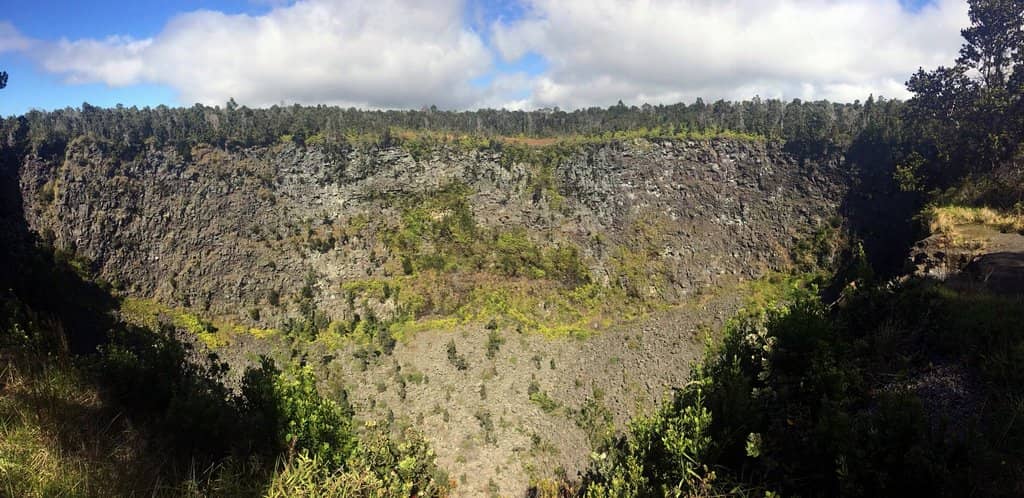
Key photo opportunities include the Hōlei Sea Arch at the end of the road, the various craters and lava flows along the drive, and the dramatic coastal views where lava meets the ocean.
Mornings offer softer light and fewer crowds, while late afternoons provide beautiful golden hour lighting for dramatic coastal shots.
While active lava flows are not always visible from the road, you can photograph the solidified lava fields and the unique textures they create. The landscape itself is a testament to volcanic power.
Drone usage is strictly regulated in national parks. Check the official Hawaii Volcanoes National Park website for current drone policies before your visit.
A wide-angle lens is great for capturing the expansive landscapes and coastal views. A telephoto lens can be useful for distant geological features. Don't forget a sturdy tripod for low-light conditions or long exposures of the coast.
🎫 🚶 Onsite Experience
At the end, you can visit the Hōlei Sea Arch, walk on trails through old lava fields, and enjoy the rugged coastline where lava once flowed into the sea.
Yes, there are several short walks and trails, including the Petroglyph Trail and paths leading to the sea arch and across former lava flows.
The drive itself is about 45 minutes each way without stops. However, to truly appreciate the sights, plan for at least 2-3 hours to allow for stops at viewpoints and short walks.
Restrooms are available at the beginning of the road near the Kīlauea caldera and at the turnaround point at the end of the road.
The paved road itself is accessible. Some of the viewpoints and short trails may have uneven terrain, so check with park rangers for specific accessibility information.
🍽️ 🍽️ Food & Dining
No, there are no food services or restaurants directly along Chain of Craters Road. It's essential to bring your own food and drinks, especially water, as it gets very hot at the coast.
The nearest dining options are in the nearby town of Volcano Village, just outside the park entrance. There are also limited concessions within the park at the Kīlauea Visitor Center area.
Picnicking is permitted in designated areas within Hawaii Volcanoes National Park. The turnaround at the end of Chain of Craters Road offers scenic spots, but remember to pack out all trash.



Social
from TikTok, Instagram & Reddit