
Bayou Sara Historic District
Discover Bayou Sara, a historic river port founded in 1790, once a vital cotton shipping hub between Natchez and New Orleans.
Highlights
Must-see attractions

Social
From TikTok & Reddit
Best Time
Peaceful exploration
Bayou Sara Historic District
Best Time
Peaceful exploration
Highlights
Must-see attractions
Discover Bayou Sara, a historic river port founded in 1790, once a vital cotton shipping hub between Natchez and New Orleans.
"A charming glimpse into Louisiana's past as a significant cotton port."

🚶♀️ Stroll and Discover
Take your time to wander through the district and absorb the historical atmosphere. Look for subtle clues of its past.
📚 Research Before You Go
Understanding Bayou Sara's history as a major cotton port enriches the visit. Learn about John Mills and its significance.

Quick Facts
Highlights
Discover the most iconic attractions and experiences
Historic Railroad Caboose
Near the main road
A charming, well-preserved caboose stands as a nostalgic nod to the area's transportation past.
Founding Signage
Roadside marker
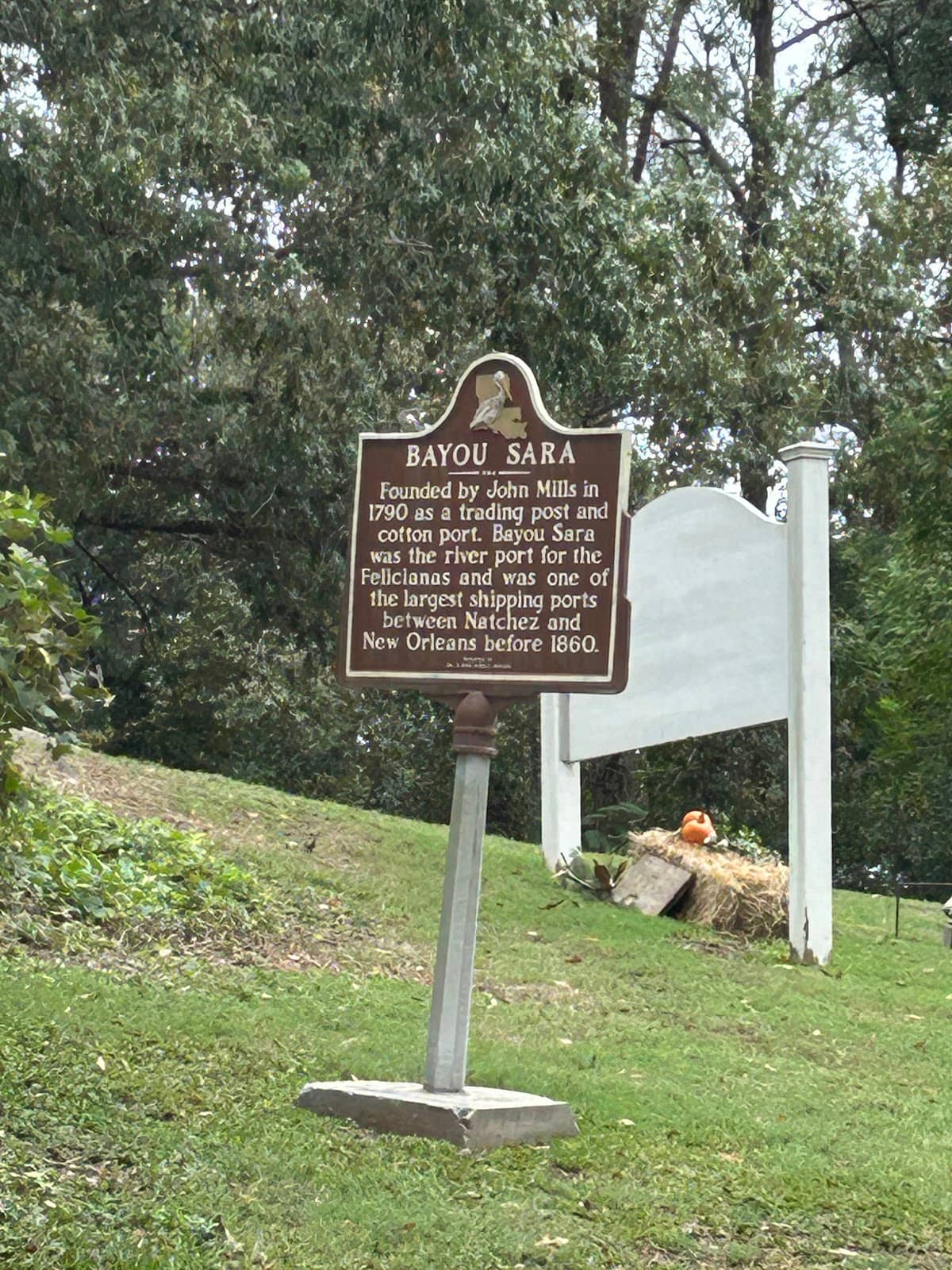
An informative sign details the founding of Bayou Sara by John Mills in 1790 as a crucial trading post.
Riverfront Remnants
Along the Mississippi River
Explore the subtle traces of Bayou Sara's past as a major cotton shipping port before the Civil War.
Plans like a pro.
Thinks like you
Planning Your Visit
Timing Your Visit
Understanding Bayou Sara's Past
Best Times
Insider Tips
from TikTok, Instagram & Reddit
🚶♀️ Stroll and Discover
Take your time to wander through the district and absorb the historical atmosphere. Look for subtle clues of its past.
📚 Research Before You Go
Understanding Bayou Sara's history as a major cotton port enriches the visit. Learn about John Mills and its significance.
📸 Capture the Charm
The historic caboose and roadside signs offer great photo opportunities. Capture the essence of this unique spot.
Tips
from all over the internet
🚶♀️ Stroll and Discover
Take your time to wander through the district and absorb the historical atmosphere. Look for subtle clues of its past.
📚 Research Before You Go
Understanding Bayou Sara's history as a major cotton port enriches the visit. Learn about John Mills and its significance.
📸 Capture the Charm
The historic caboose and roadside signs offer great photo opportunities. Capture the essence of this unique spot.
What Travellers Say
Reviews Summary
Visitors appreciate Bayou Sara Historic District for its historical significance as a former cotton port and its charming roadside attractions like the railroad caboose. It's seen as a worthwhile stop for those interested in local history and a peaceful glimpse into the past.
"Interesting sign on side of the road not far from the railroad caboose. Bayou Sara was founded by John Mills in 1790 as a trading post and cotton port. Bayou Sara was the river port for the local parishes and was one of the largest shipping ports between Natchez and New Orleans before 1860."
Jeff Schmidt
What People Like
What People Dislike
Frequently Asked Questions
🚇 🗺️ Getting There
Bayou Sara Historic District is typically accessed by car. It's located near the Mississippi River, often found by following signs for historic markers or points of interest in the area. Check local maps for the most direct route from your starting point.
Public transportation options to Bayou Sara Historic District are generally limited. It's best to plan your visit with a personal vehicle or a ride-sharing service if available in the region.
Parking is usually available along the roadsides within the historic district. Be mindful of any posted parking restrictions and ensure you are not blocking any access points.
🎫 🎫 Tickets & Entry
No, there are no admission fees or tickets required to visit Bayou Sara Historic District. It is an open historical area that can be explored freely.
Bayou Sara Historic District is an outdoor historical site and is accessible at any time. However, for the best experience and visibility of historical markers, visiting during daylight hours is recommended.
Bayou Sara Historic District preserves remnants of its past, including historical markers and a notable railroad caboose. While not a fully restored town, it offers a glimpse into its history as a significant river port.
🎫 🧭 Onsite Experience
Visitors can see historical markers detailing its founding and importance as a cotton port, as well as a preserved railroad caboose. It's a place for a leisurely stroll and reflection on its past.
Yes, Bayou Sara is ideal for walking tours. The district is relatively compact, allowing visitors to easily explore the historical markers and the general area on foot.
Bayou Sara was founded in 1790 by John Mills and served as a major river port for cotton shipping between Natchez and New Orleans before 1860, making it a historically significant commercial hub.
📸 📸 Photography
The historic railroad caboose and the roadside sign detailing the district's founding are prime spots for photography. The general atmosphere of the historic area also lends itself to evocative shots.
Absolutely. Bayou Sara offers a tangible connection to the past, with its remnants and markers providing excellent subjects for historical photography enthusiasts.



Social
from TikTok, Instagram & Reddit