GLBT Historical Society Museum San Francisco
Explore over 100 years of Bay Area GLBT history through impactful exhibits and artifacts in San Francisco's vibrant Castro District.
Highlights
Must-see attractions

Social
From TikTok & Reddit
Best Time
Fewer crowds, more intimate experience
GLBT Historical Society Museum San Francisco
Best Time
Fewer crowds, more intimate experience
Highlights
Must-see attractions
Explore over 100 years of Bay Area GLBT history through impactful exhibits and artifacts in San Francisco's vibrant Castro District.
"A small museum packed with powerful stories, offering a profound connection to LGBTQ+ heritage."
🎯 Check Hours Before You Go
The museum is closed on Mondays! Plan your visit for Tuesday-Sunday to catch the exhibits.
🎟️ Support a Worthy Cause
Admission is $10 and directly supports the preservation of LGBTQ+ history.
Quick Facts
Hours
Rating
4.6 · 492 reviews
Type
Museum
Highlights
Discover the most iconic attractions and experiences
Timeline of GLBT History
First Room
A comprehensive overview of LGBTQ+ milestones, offering crucial context for the exhibits.
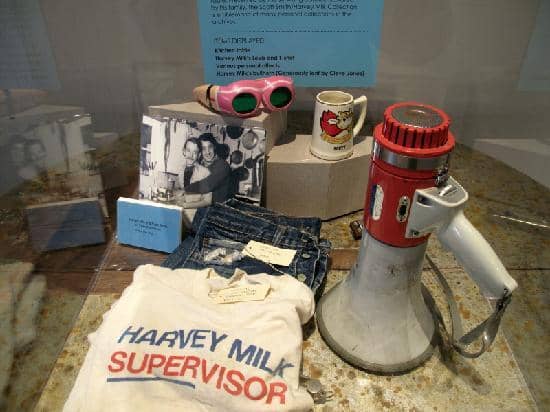
Harvey Milk Collection
Second Room
See artifacts and learn about the life of this pioneering gay rights activist and politician.
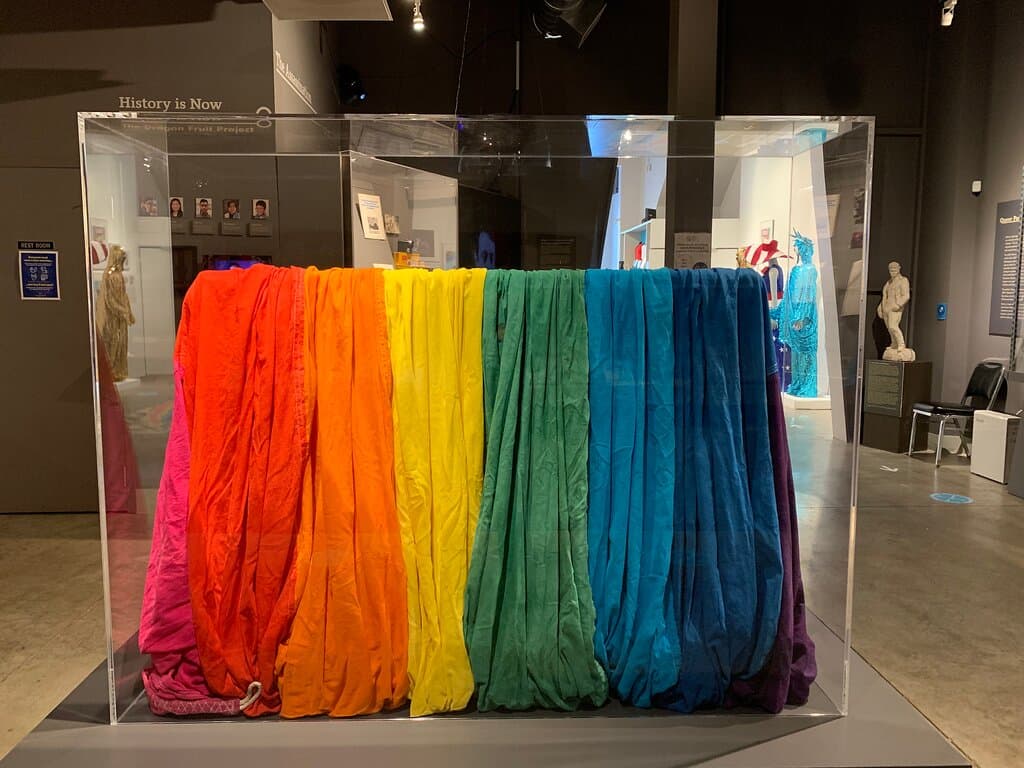
Original Gay Pride Flag Fragment
Second Room
A deeply moving piece of history, representing the fight for equality and visibility.

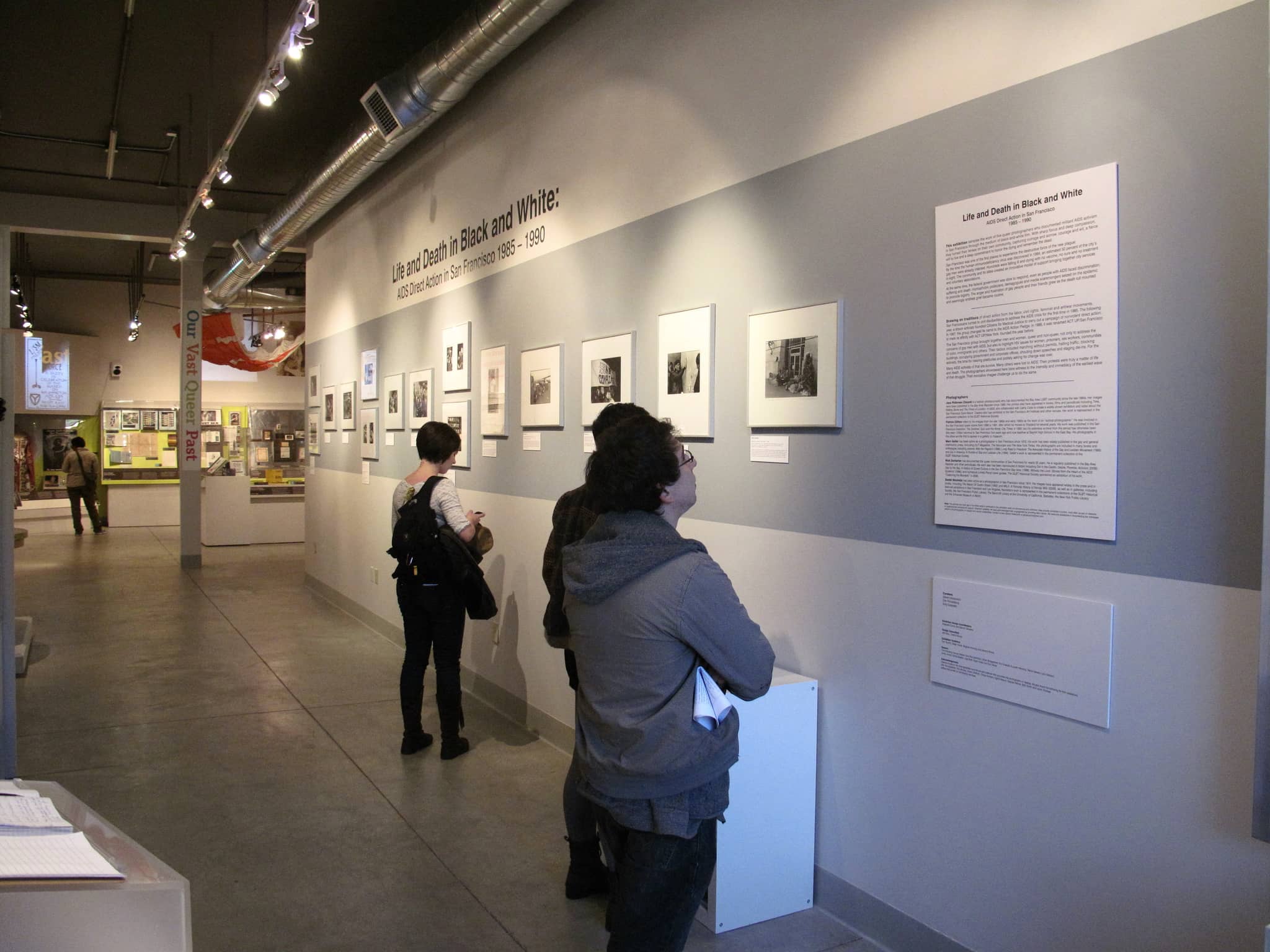
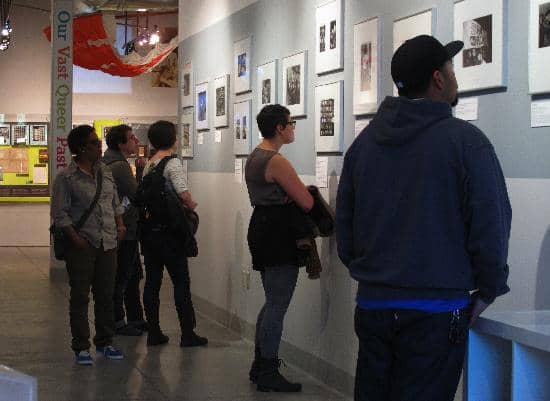
Erotic Resistance Exhibit
First Room
Explore powerful photography showcasing performance, art, and activism in San Francisco's strip clubs.
Plans like a pro.
Thinks like you
Planning Your Visit
Timing is Key
Location & Vibe
Best Times
Insider Tips
from TikTok, Instagram & Reddit
🎯 Check Hours Before You Go
The museum is closed on Mondays! Plan your visit for Tuesday-Sunday to catch the exhibits.
🎟️ Support a Worthy Cause
Admission is $10 and directly supports the preservation of LGBTQ+ history.
🚶 Explore the Castro
Combine your museum visit with a walk through the iconic Castro District.
📚 Dive Deeper Online
The GLBT Historical Society website offers extensive archives and information.
Tips
from all over the internet
🎯 Check Hours Before You Go
The museum is closed on Mondays! Plan your visit for Tuesday-Sunday to catch the exhibits.
🎟️ Support a Worthy Cause
Admission is $10 and directly supports the preservation of LGBTQ+ history.
🚶 Explore the Castro
Combine your museum visit with a walk through the iconic Castro District.
📚 Dive Deeper Online
The GLBT Historical Society website offers extensive archives and information.
📸 Respectful Photography
Check museum policy on photography; some exhibits may have restrictions.
What Travellers Say
Reviews Summary
Visitors find the GLBT Historical Society Museum to be a small but deeply meaningful place, offering powerful insights into LGBTQ+ history and activism, particularly within the context of San Francisco. While some note its size, the impact of exhibits like the Harvey Milk collection and the original pride flag fragment makes it a worthwhile visit for many, especially those interested in queer heritage.
"Great little museum. Super welcoming reception from Micky--thanks for the reminder about masking. Good exhibits about the historical presence of LGBT+ individuals and couples in the region. The Harvey Milk exhibit was powerful as well."
Alison M C
"Definitely worth visiting at least once, especially if you like history or are a member of the LGBTQ+ community. It is a small museum, but what they have on display is very insightful. Staff is friendly, and there are many good quality goodies you can buy on the way in or out of the museum. You are guaranteed to leave having learned or seen something new. 4/5."
Hana Estalilla
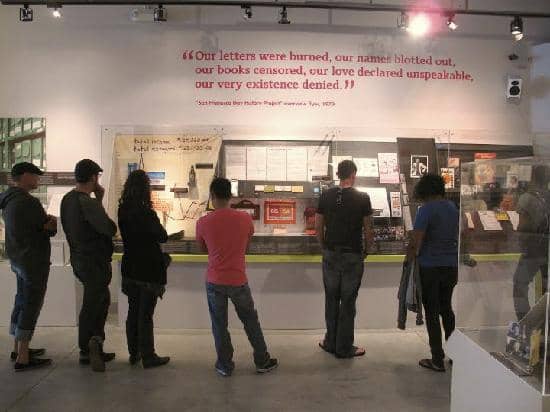
"The GLBT Historical Society Museum is a small museum located in the Castro focusing on national GLBT movements with a particular interest in San Francisco gay history. The entry fee was $10, which I was happy to pay to support a very worthwhile cause.
The museum is much, much smaller than I was expecting and is just two rooms. The indoor entrance walkway makes up about a fourth of the space but is basically dead, unused space.
The first room is informational with a timeline of GLBT history and then an exhibit that opened on June 7, 2024 called “Erotic Resistance: Performance, Art, and Activism in San Francisco Strip Clubs 1960s-1990s”, which is a photo collection.
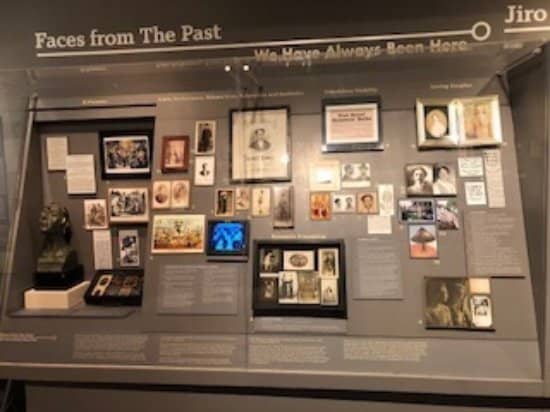
The other room is a standing collection that includes a leather culture display, miscellany, a Harvey Milk collection, and a José Julio Sarria collection. The prize in the collection is part of the original gay pride flag, which was very powerful and meaningful for me to see in person. That made the visit worth it, but outside of that there wasn’t a big draw for me considering the museum and associated collection is so small.
If you’re already in the Castro, it could be a fun quick stop, but it’s not something I’d travel far to see."
Konrad Juengling
What People Like
What People Dislike
Frequently Asked Questions
🚇 🗺️ Getting There
The museum is located in the Castro District. You can reach it via public transportation, including Muni buses and streetcars. The Castro Street BART station is also a short walk away. Parking in the Castro can be challenging, so public transit is often recommended.
Yes, the museum is well-served by San Francisco's Muni system. Several bus lines stop near the Castro District, and it's within walking distance of the Castro BART station.
The Castro is easily accessible by BART and numerous Muni bus lines. Many visitors find it convenient to take BART to the Castro station and then walk to the museum.
Street parking in the Castro can be very limited and metered. There are a few parking garages in the area, but they can be expensive. Using public transportation is generally the most stress-free option.
Depending on your starting point, walking might be an option, but San Francisco is hilly! It's more common to use public transport to reach the Castro.
🎫 🎫 Tickets & Entry
Admission is typically $10 per person. This fee helps support the museum's vital work in preserving LGBTQ+ history.
While not always strictly required, booking tickets in advance is a good idea, especially for special events or during peak tourist seasons, to ensure entry. Check their official website for the most up-to-date information.
The museum is generally open Tuesday through Sunday. It is closed on Mondays. It's always best to check their official website for the most current hours of operation before your visit.
Information on specific discounts for students or seniors is not always readily available online. It's recommended to contact the museum directly or check their website for any available concessions.
The museum is a non-profit organization. While they may not have a traditional membership program for free entry, supporting them through admission fees or donations is highly encouraged.
🎫 🧭 Onsite Experience
The museum is relatively small, often described as having two main rooms. Most visitors spend about 1 to 2 hours exploring the exhibits, depending on their interest level.
Exhibits cover a wide range of LGBTQ+ history, including timelines, activism, cultural artifacts, and personal stories. Past exhibits have focused on topics like Harvey Milk, leather culture, and HIV/AIDS.
The museum's content is historical and can be sensitive. While it's educational, parents should consider the maturity level of their children when deciding if it's appropriate.
While not always formally scheduled, volunteers or staff may offer insights. Some visitors have reported receiving excellent guided tours from knowledgeable individuals. 
Photography policies can vary by exhibit. It's best to check with museum staff or look for signage regarding photography restrictions.
📸 📸 Photography
Photography policies can vary. It's always a good idea to check with museum staff or look for signage indicating whether photos are permitted, especially for personal use.
While the exhibits themselves are the main focus, the museum's location in the Castro District offers many photo opportunities, including rainbow sidewalks and historic buildings.
Generally, personal photography for social media is often allowed, but commercial photography or flash photography might be restricted. Always confirm with the museum staff.
A smartphone camera is usually sufficient for capturing memories. If you're interested in more detailed shots of artifacts, a mirrorless or DSLR camera might be preferred, but be mindful of any restrictions.
This depends on the specific exhibit and museum policy. Some delicate artifacts may not be allowed to be photographed to preserve them. Always ask first.
You may also like
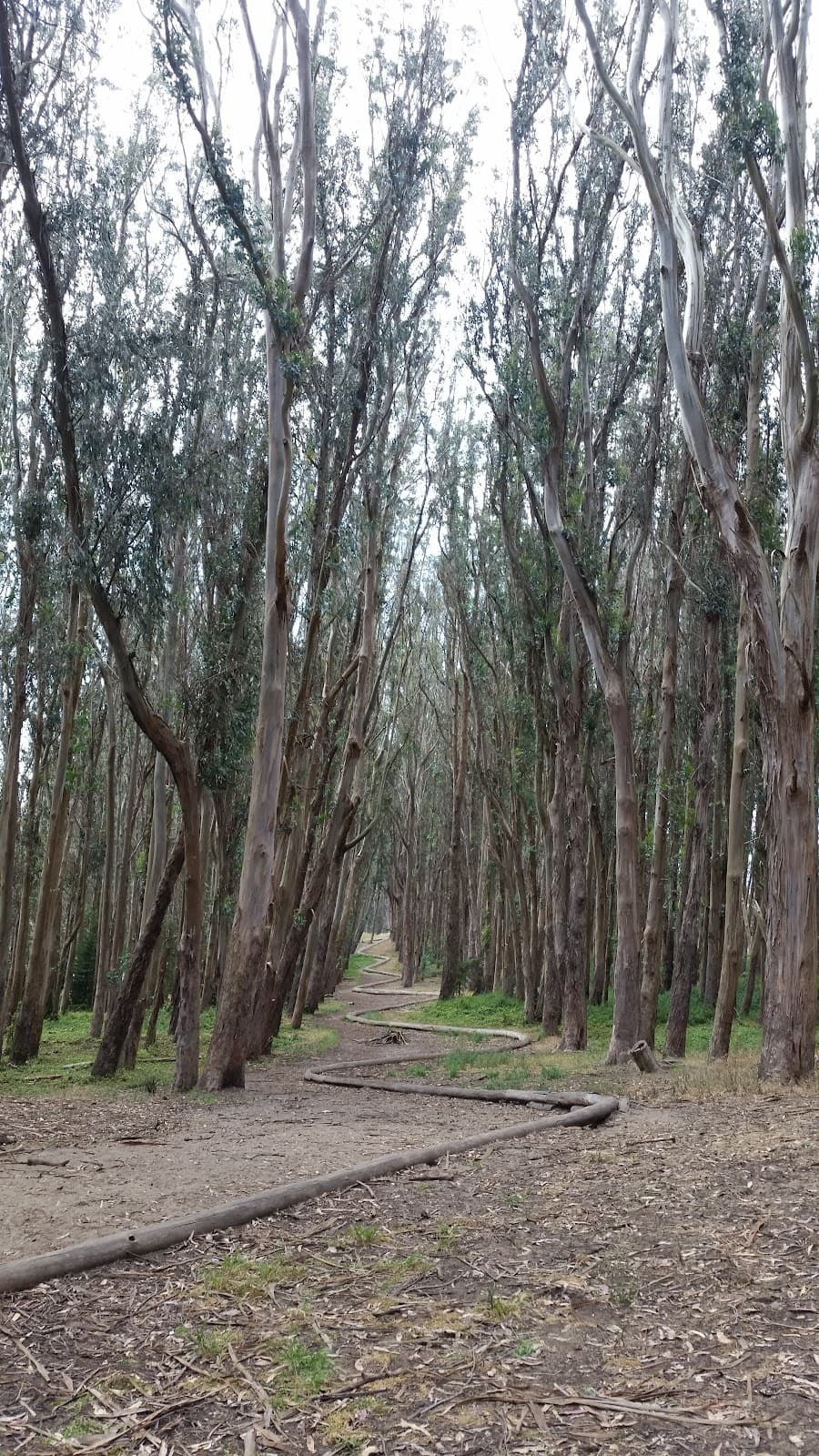
Lovers’ Lane Presidio

War Memorial Opera House San Francisco

Hayes Valley San Francisco

Mission District San Francisco

Union Square San Francisco

Telegraph Hill San Francisco
Lovers’ Lane Presidio
War Memorial Opera House San Francisco
Hayes Valley San Francisco
Mission District San Francisco
Union Square San Francisco
Telegraph Hill San Francisco

Castro Theatre San Francisco

Mount Davidson San Francisco

The Castro San Francisco

Dolores Park San Francisco

Jack Kerouac Alley San Francisco

Social
from TikTok, Instagram & Reddit