Carnegie Town Hall
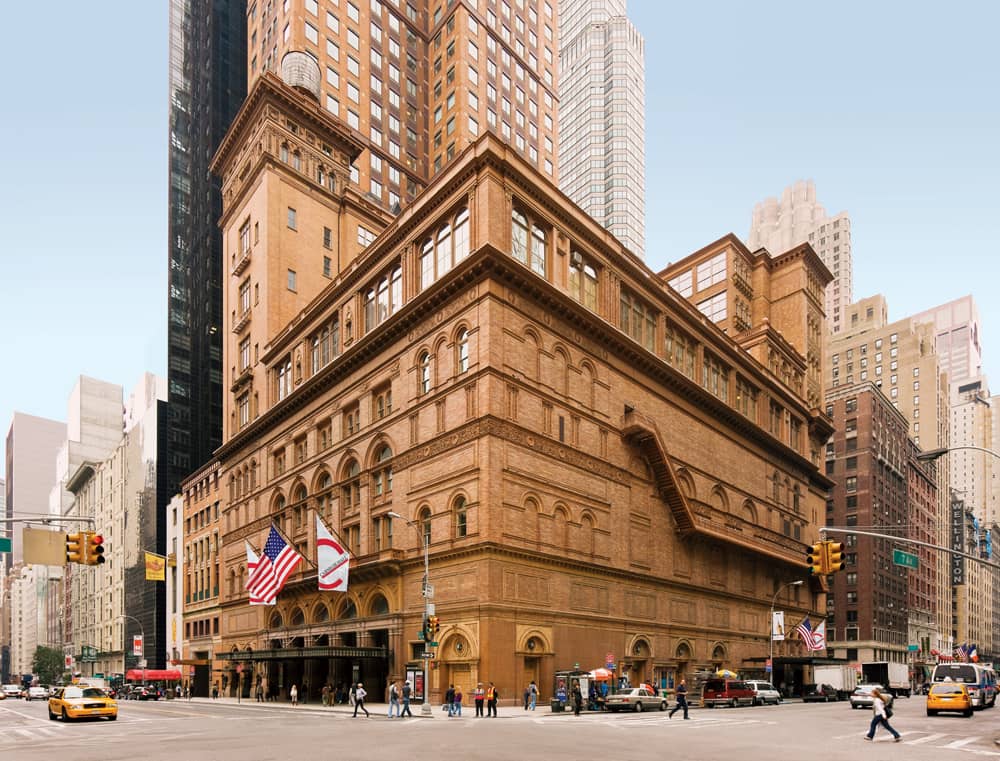
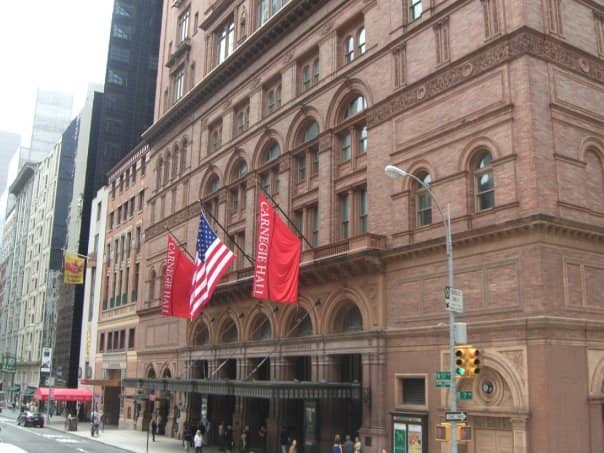
A legendary concert hall in NYC, famed for its unparalleled acoustics, rich history, and iconic performances across genres.
Highlights
Must-see attractions

Social
From TikTok & Reddit
Best Time
Fewer crowds for tours
Carnegie Town Hall
Best Time
Fewer crowds for tours
Highlights
Must-see attractions
A legendary concert hall in NYC, famed for its unparalleled acoustics, rich history, and iconic performances across genres.
"Carnegie Hall's acoustics are simply divine; every note resonates perfectly, creating an unforgettable auditory experience."
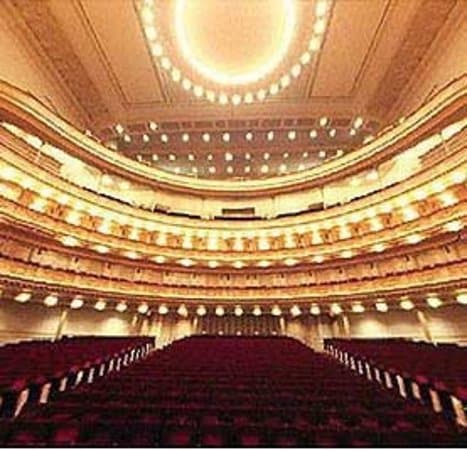
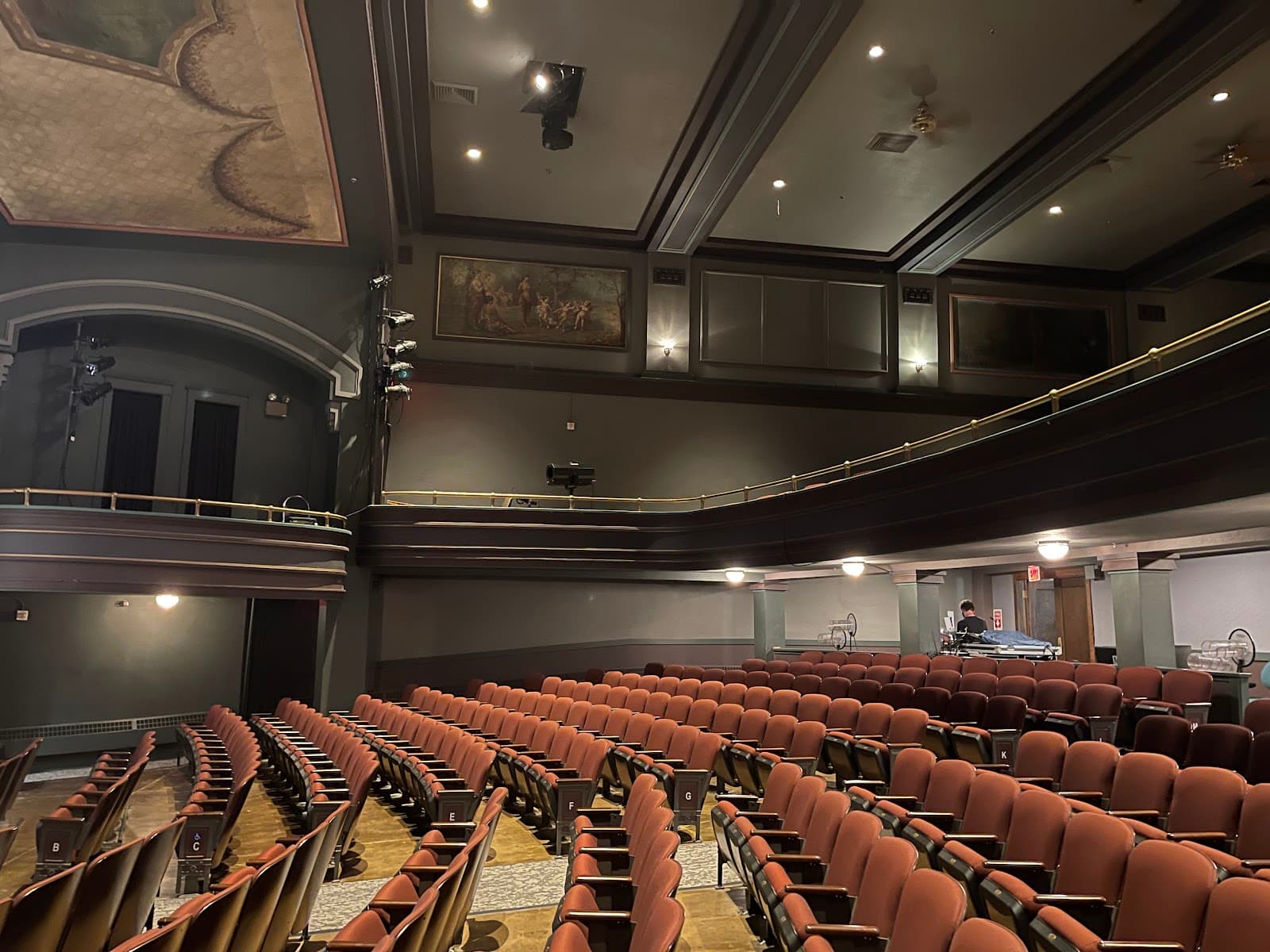
📸 Capture the Ceiling Details
The intricate ceiling designs are stunning! Get an up-close view from the first row or dress circle.
👻 Ghost Light Tradition
Learn about the 'ghost light' tradition that's kept on stage every night for safety and superstition.
Highlights
Discover the most iconic attractions and experiences
Stern Auditorium / Perelman Stage
Main Auditorium
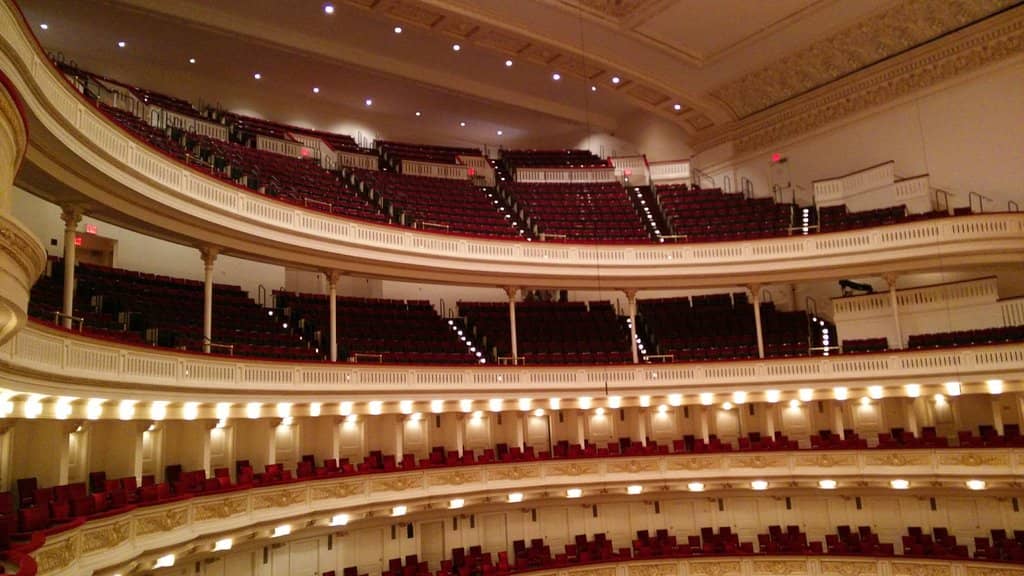
The iconic main hall, renowned for its unparalleled acoustics and opulent design. A must-see for any music lover.
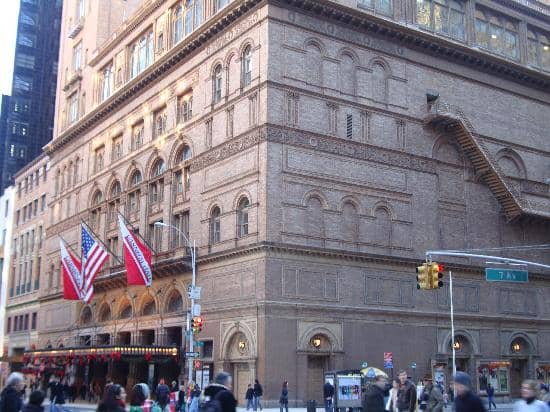
Carnegie Hall Tours
Various locations within the building
Explore the history and grandeur of this legendary venue with an insightful guided tour. Discover its secrets.
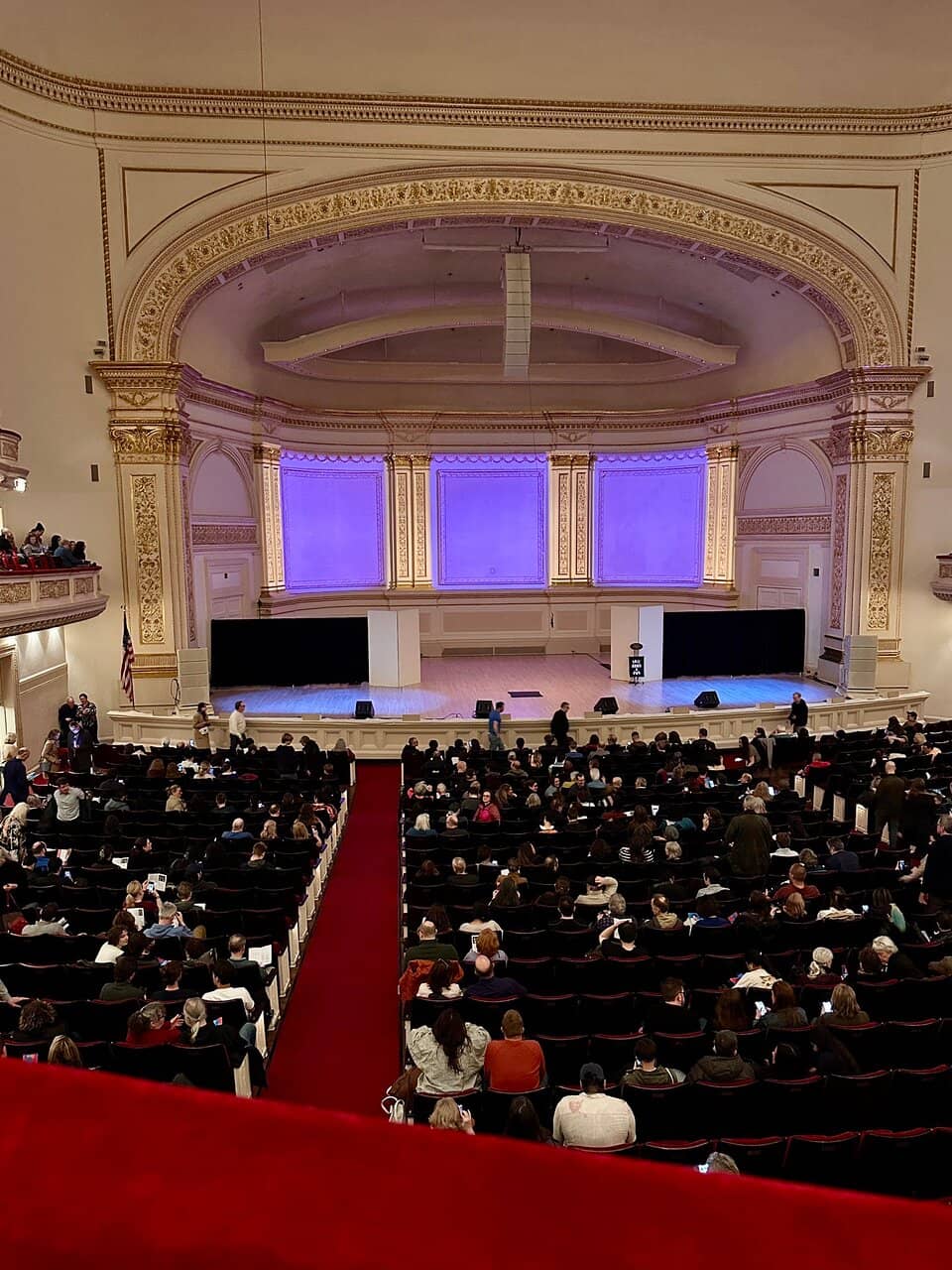
Zankel Hall
Underground auditorium
A more intimate and modern performance space, offering a different acoustic experience and diverse programming.
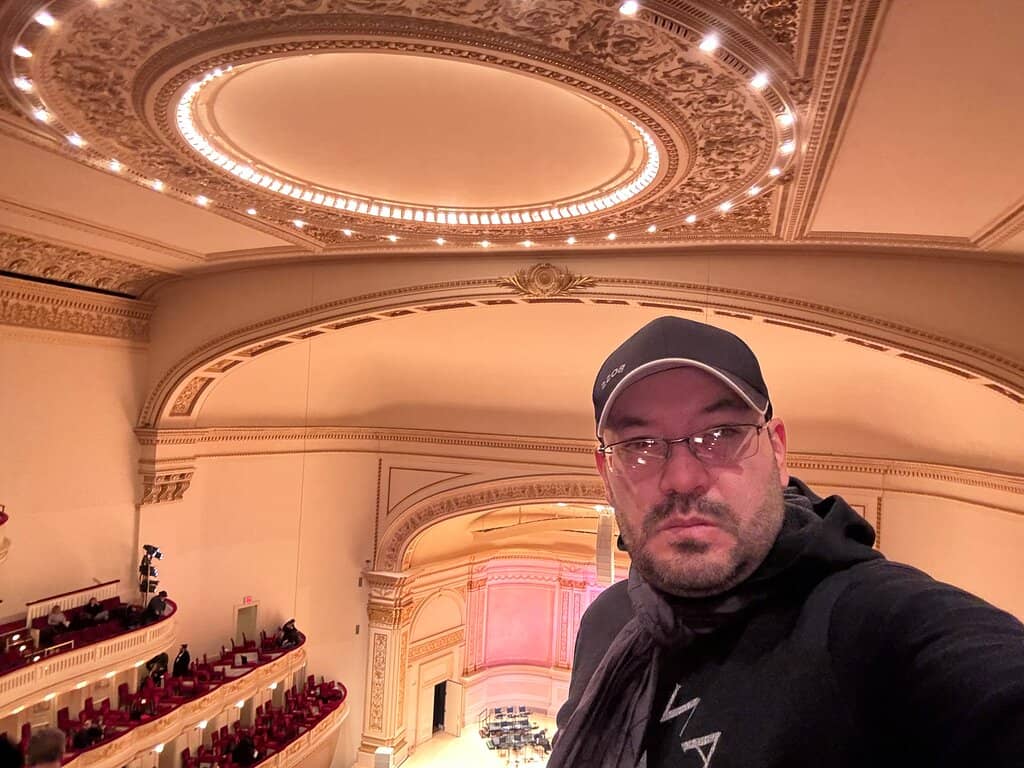
Weill Recital Hall
Smaller auditorium
The most intimate of the three halls, perfect for chamber music and solo performances with exceptional clarity.
Plans like a pro.
Thinks like you
Planning Your Visit
Book Tickets in Advance
Consider a Guided Tour
Best Times
Insider Tips
from TikTok, Instagram & Reddit
📸 Capture the Ceiling Details
The intricate ceiling designs are stunning! Get an up-close view from the first row or dress circle.
👻 Ghost Light Tradition
Learn about the 'ghost light' tradition that's kept on stage every night for safety and superstition.
🐶 Meet Seal, the Greeter
You might meet Seal, a friendly assistant who greets concertgoers and ensures a great experience!
🎶 Family Concerts Available
Check out 'Musical Explorers' for interactive concerts designed for families with young children.
Tips
from all over the internet
📸 Capture the Ceiling Details
The intricate ceiling designs are stunning! Get an up-close view from the first row or dress circle.
👻 Ghost Light Tradition
Learn about the 'ghost light' tradition that's kept on stage every night for safety and superstition.
🐶 Meet Seal, the Greeter
You might meet Seal, a friendly assistant who greets concertgoers and ensures a great experience!
🎶 Family Concerts Available
Check out 'Musical Explorers' for interactive concerts designed for families with young children.
💰 Tour Ticket Price
Guided tours typically cost around $25 per person. Book ahead!
What Travellers Say
Reviews Summary
Visitors consistently praise Carnegie Hall for its legendary acoustics and breathtaking architecture, calling it a must-visit for music lovers. The historical significance and the quality of performances are frequently highlighted as major draws. Some find the seating in the main hall a bit cramped, and ticket prices can be high for popular events.
What People Like
What People Dislike
Frequently Asked Questions
🚇 🗺️ Getting There
Carnegie Hall is located at 57th Street and Seventh Avenue in New York City. It's easily accessible by subway, with several lines stopping nearby, including the N, Q, R, W, B, D, F, and M trains at the 57th Street-7th Avenue station. Many bus routes also serve the area.
While there are parking garages in the vicinity, parking in Midtown Manhattan can be expensive and challenging. It's generally recommended to use public transportation to reach Carnegie Hall.
If you are staying in Midtown Manhattan, walking to Carnegie Hall is a pleasant option and allows you to experience the city. The venue is centrally located and a landmark.
The most convenient subway lines are the N, Q, R, W, B, D, F, and M, all stopping at the 57th Street-7th Avenue station, which is just a short walk from Carnegie Hall.
Carnegie Hall is committed to accessibility. Public transportation options like the subway have varying levels of accessibility, so it's advisable to check the MTA website for specific station information. The venue itself is accessible.
🎫 🎫 Tickets & Entry
Ticket prices vary widely depending on the performer, seating location, and type of event. It's best to check the official Carnegie Hall website for specific event pricing.
Tickets can be purchased directly from the official Carnegie Hall website, at the Box Office located at 881 Seventh Avenue, or through authorized third-party sellers. Booking in advance is highly recommended.
Discounts may be available for students, seniors, or groups, depending on the performance. Check the Carnegie Hall website or contact the Box Office for details.
The Box Office hours can vary, but they are typically open on weekdays and Saturdays. It's advisable to check the official Carnegie Hall website for the most up-to-date hours before visiting in person.
While some tickets might be available on the day of the performance, popular shows often sell out in advance. It's always best to purchase tickets as early as possible to guarantee your spot.
🎫 🎶 Onsite Experience
Carnegie Hall comprises three distinct performance spaces: the main Stern Auditorium/Perelman Stage, Zankel Hall, and Weill Recital Hall, each offering unique acoustic qualities and intimate settings.
Photography policies can vary by performance. Generally, non-flash photography may be permitted during certain times, but it's best to check with ushers or venue staff. During tours, photography is usually allowed.
Yes, Carnegie Hall offers guided tours that provide a fascinating look into its history, architecture, and legendary performers. These tours are a great way to experience the venue beyond a performance. 
The Stern Auditorium/Perelman Stage offers a variety of seating options. Some visitors note that legroom can be a bit tighter in the first row, and the steps are somewhat steep, but these seats offer an up-close view of the ceiling details.
Yes, Carnegie Hall offers programs like 'Musical Explorers' specifically designed for families with children ages 4-8, featuring interactive concerts and engaging musical experiences.
🍽️ 🍽️ Food & Dining
Carnegie Hall typically has concessions and bars available for refreshments during performances. For a full dining experience, numerous restaurants are located in the surrounding Midtown Manhattan area.
Outside food and beverages are generally not permitted inside Carnegie Hall. Concessions are available for purchase within the venue. Please check the venue's specific policies.
Concessions usually offer a selection of snacks, light bites, and beverages. The offerings may vary depending on the event.
Yes, the area around Carnegie Hall is bustling with a wide array of restaurants, from casual eateries to fine dining establishments, catering to diverse culinary preferences.
Absolutely! Many restaurants in the vicinity offer pre-theater or pre-concert menus, making it convenient to enjoy a meal before attending a performance at Carnegie Hall.
📸 📸 Photography
The main auditorium, with its stunning architecture and ornate details, is a prime spot. The grand staircase and lobby areas also offer beautiful backdrops. During tours, you can capture unique perspectives.
Generally, flash photography is not permitted inside the performance halls to avoid disturbing performers and other audience members. Always check with venue staff for specific guidelines.
It is typically prohibited to take photos or videos during a performance to ensure an uninterrupted experience for everyone. Please refrain from using your camera during concerts.
Yes, guided tours offer excellent opportunities to photograph the historic interiors, including the auditoriums, lobbies, and architectural details that are not always visible during a performance.
A camera with good low-light capabilities is beneficial, especially for capturing the ambiance of the performance halls. A wide-angle lens can be useful for interior shots.
For Different Travelers
Tailored advice for your travel style
👨👩👧 Families with Kids
When visiting, consider attending one of these family-focused events. The venue is generally welcoming to children, and the tours can also be adapted to be engaging for younger visitors, highlighting interesting stories and visual elements.
🎶 Music Enthusiasts
+1Beyond attending a concert, taking a guided tour is highly recommended to delve into the venue's rich history and architectural marvels. Understanding the legacy of the artists who have graced its stages adds another layer to the experience.
🏛️ History & Architecture Buffs
A guided tour is essential for appreciating the historical context and architectural details. Learn about Andrew Carnegie's vision and the evolution of this iconic building. The venue itself is a testament to late 19th-century architectural style and acoustic engineering.
Deep Dives
In-depth insights and expert knowledge
The Legendary Acoustics of Carnegie Hall
The design principles employed by Carnegie Hall's original architect, William Burnet Tuthill, working with acoustician Henry J. Morrison, focused on creating a reverberant space that would carry sound naturally to every seat. Even without modern amplification, the sound fills the hall beautifully, making performances incredibly immersive. This attention to detail ensures that every performance, from classical symphonies to intimate recitals, sounds its absolute best.
Visitors often remark on how clear and full the sound is, even from the back rows. This acoustic excellence is a significant part of the Carnegie Hall experience, contributing to its status as a premier destination for classical music and other genres. It’s a testament to the enduring power of thoughtful architectural and acoustic design.
A Glimpse into Carnegie Hall's History
Over the decades, Carnegie Hall has undergone renovations and expansions to maintain its status as a world-class venue. The addition of Zankel Hall and Weill Recital Hall in the late 20th century expanded its programming capabilities and offered more intimate performance spaces. Despite these modernizations, the hall has carefully preserved its historic charm and architectural integrity.
The venue's storied past is filled with iconic moments and performances that have shaped musical history. From the debut of Tchaikovsky conducting his own works to legendary jazz performances by Duke Ellington and Benny Goodman, Carnegie Hall has been a witness to countless unforgettable musical events.
Exploring the Different Halls
Zankel Hall, located below street level, provides a more contemporary and intimate setting. It's designed for a wide range of performances, from chamber music to world music and contemporary artists, offering a versatile space for diverse programming.
Finally, Weill Recital Hall is the smallest and most intimate of the three. It's ideal for solo recitals, chamber music, and spoken-word events, where the focus is on the clarity and nuance of the performance. The acoustics here are exceptionally pure, allowing for a deeply personal listening experience.


Social
from TikTok, Instagram & Reddit