Trans-Catalina Trail
A 38-mile island backpacking adventure with dramatic coastal views, challenging climbs, and unique wildlife.
Highlights
Must-see attractions

Social
From TikTok & Reddit
Best Time
Cooler temps, fewer crowds
Trans-Catalina Trail
Best Time
Cooler temps, fewer crowds
Highlights
Must-see attractions
A 38-mile island backpacking adventure with dramatic coastal views, challenging climbs, and unique wildlife.
"Worth it for the solitude and escape from the hustle and bustle of Southern California."
🎒 Pack for Exposure
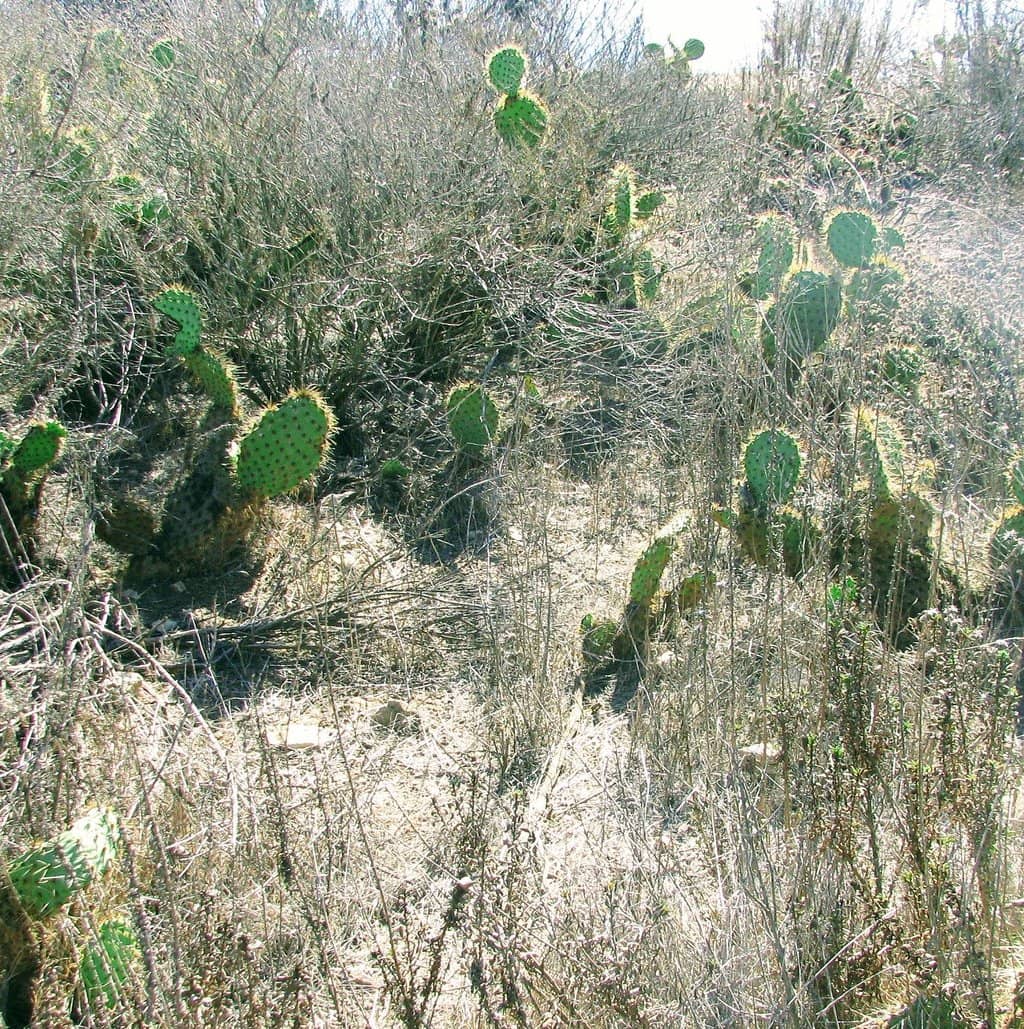
The trail is largely exposed; bring ample sun protection, including a hat, sunscreen, and sunglasses.
👟 Footwear Matters
Invest in good hiking boots with ankle support, as the trail can be rocky and involve significant elevation changes.
Quick Facts
Rating
4 · 5 reviews
Highlights
Discover the most iconic attractions and experiences
Coastal Vistas & Ocean Breezes
Throughout the trail
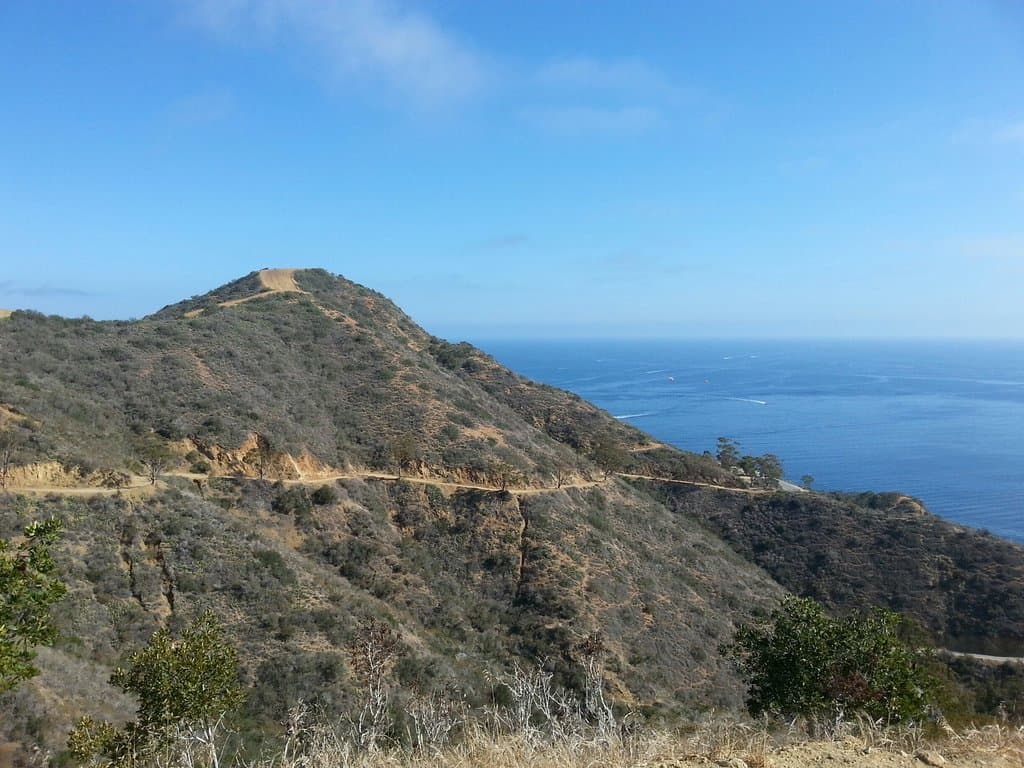
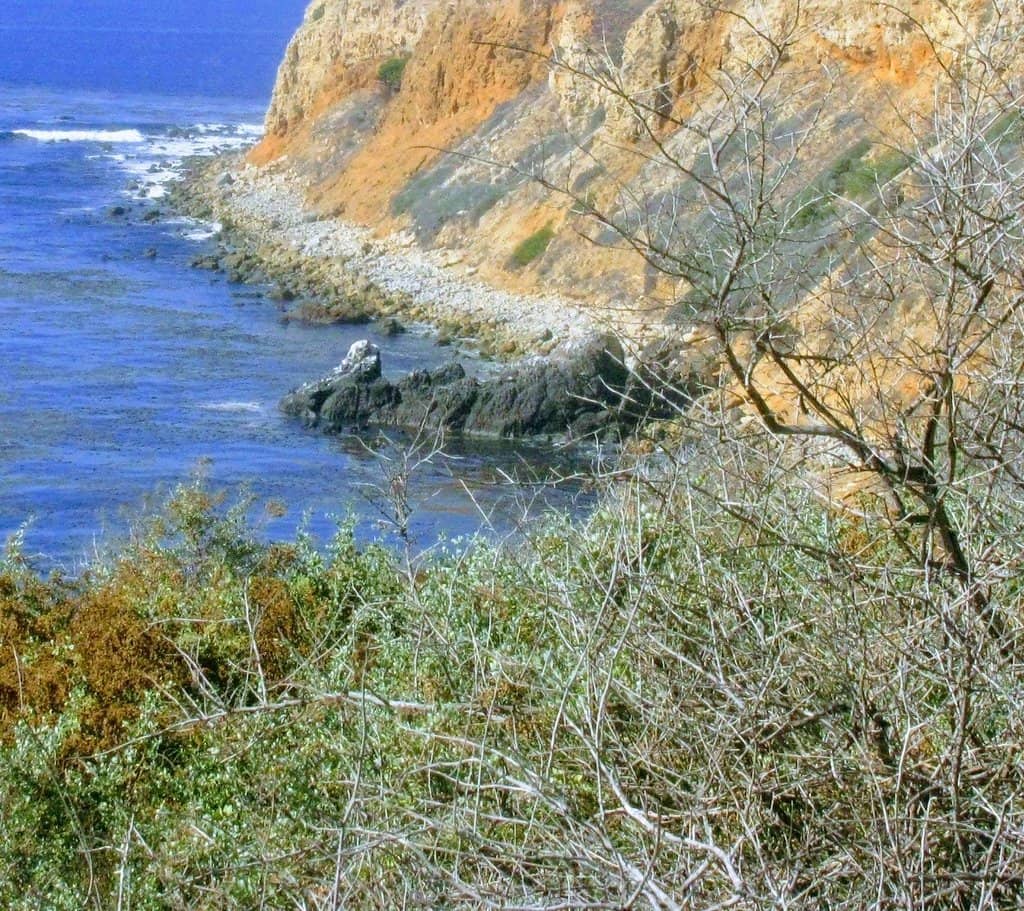
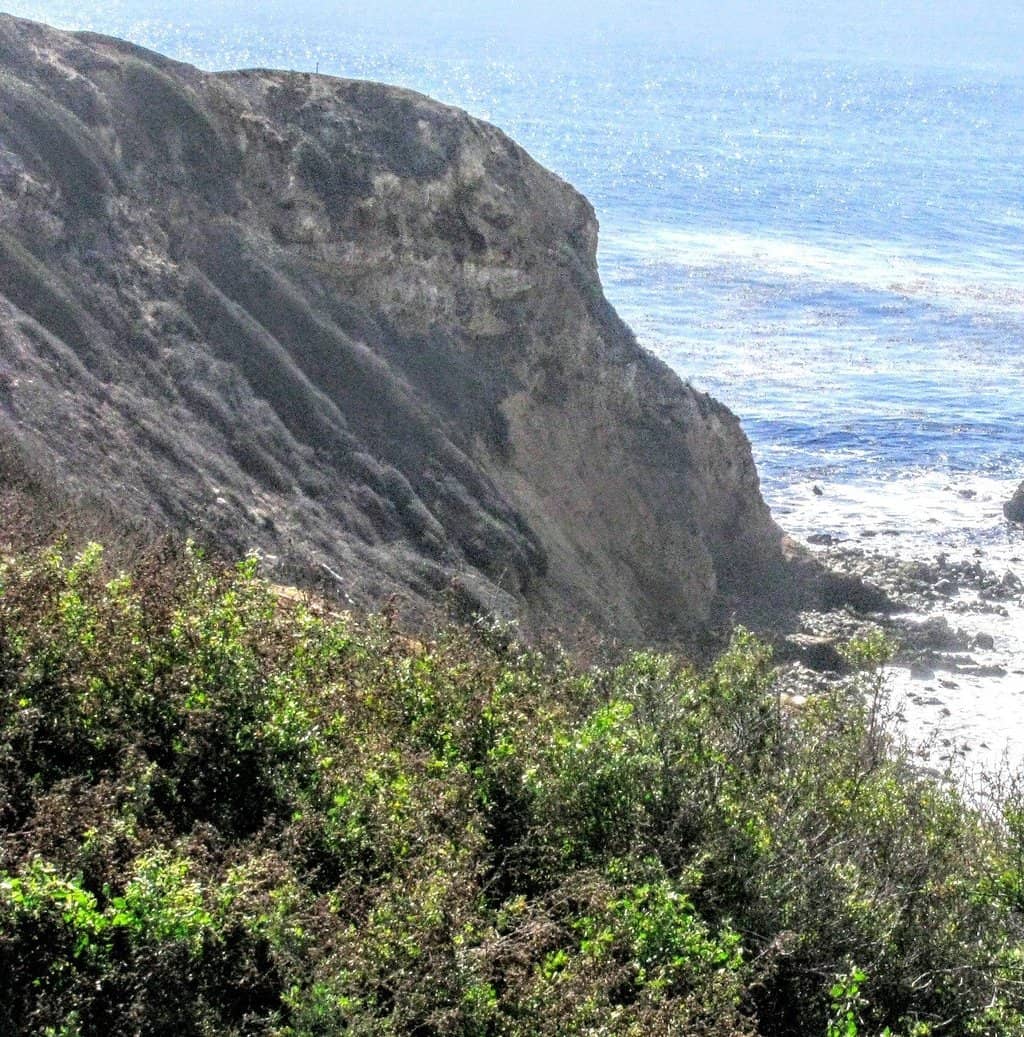
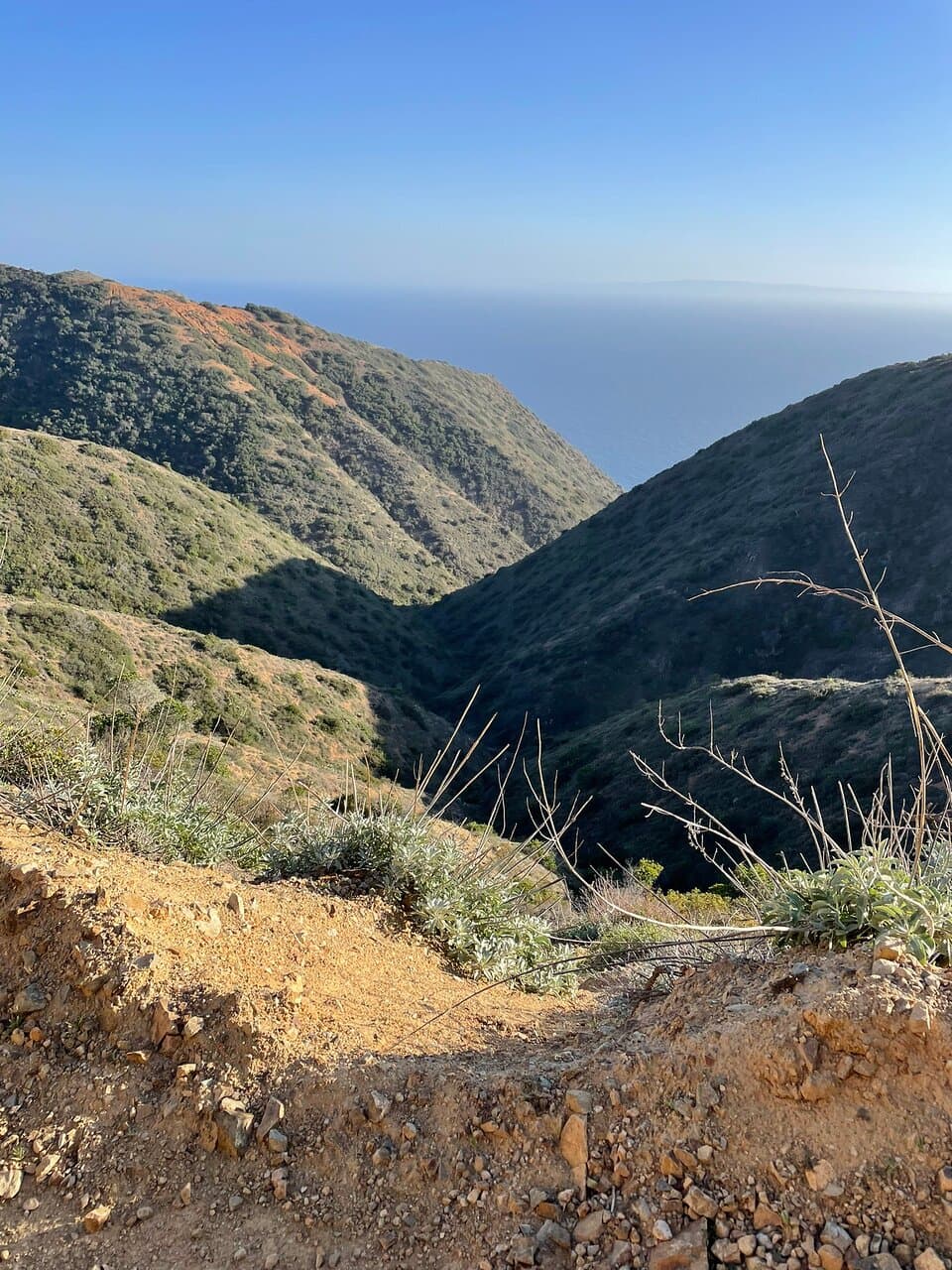
Experience breathtaking ocean panoramas and dramatic cliffs along this island traverse.
 +1
+1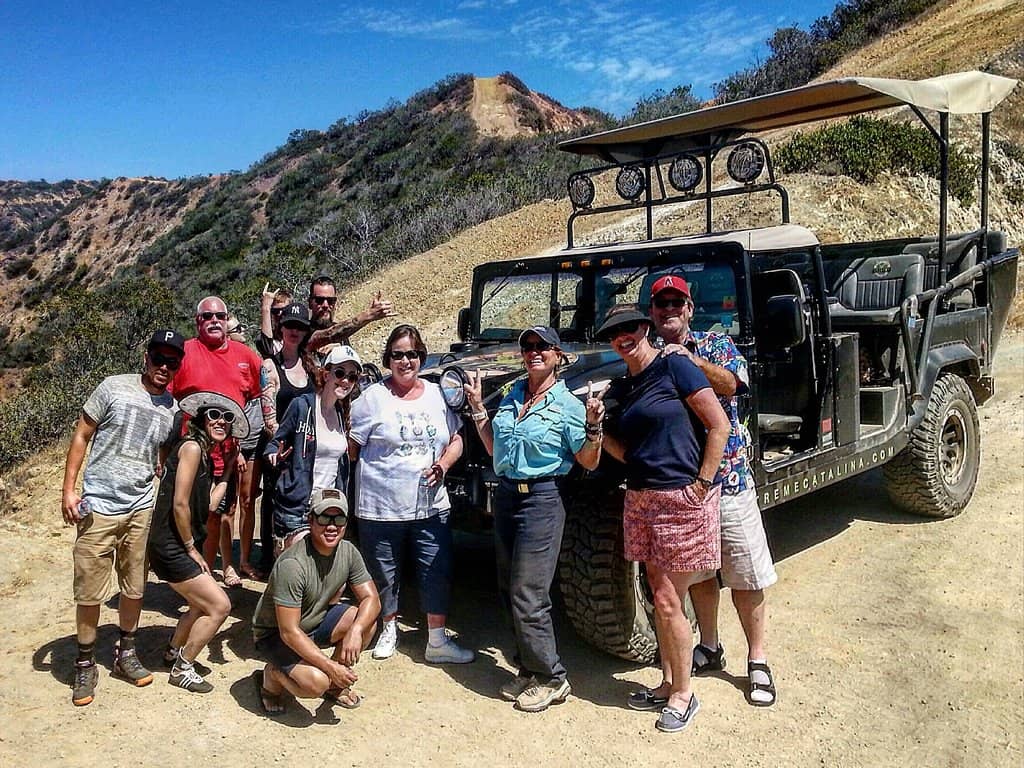
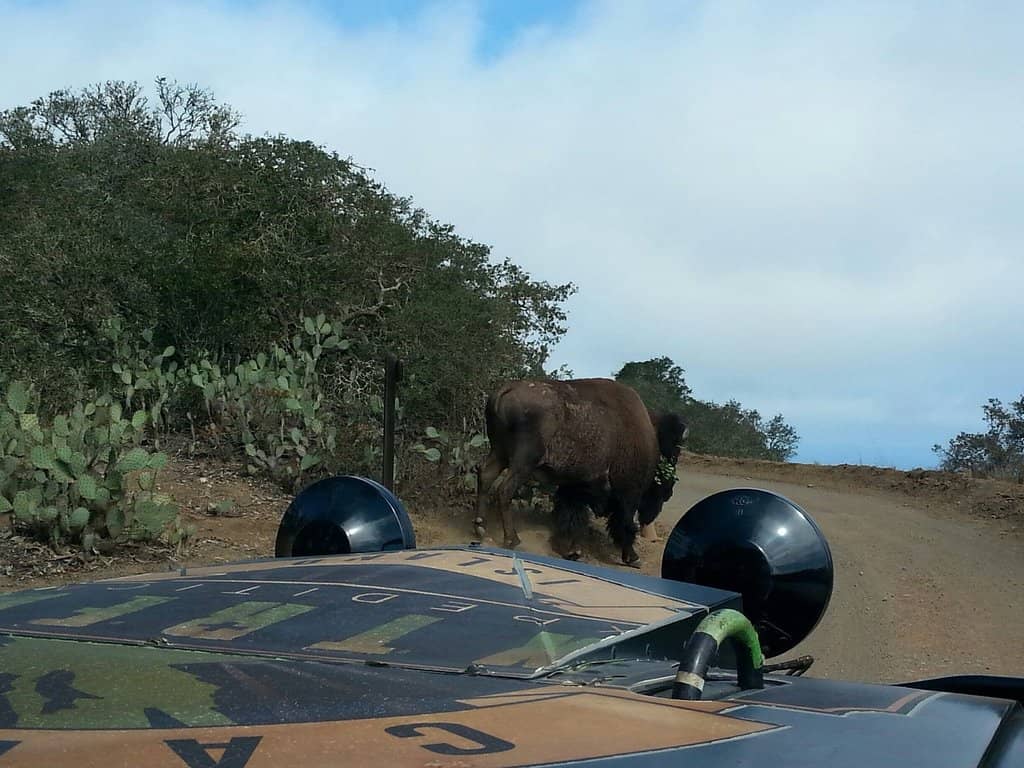
Catalina Bison Encounters
Island interior
Keep an eye out for the island's famous bison herd, a unique sight against the rugged landscape.
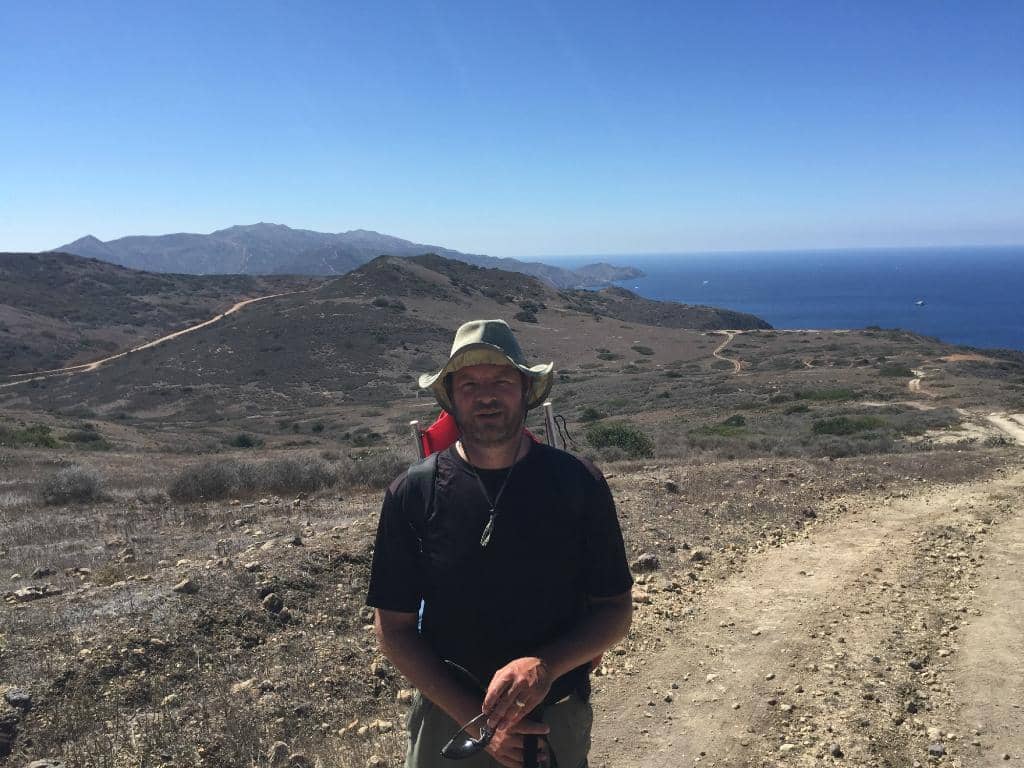
Challenging Elevation Gains
Various sections
Test your endurance with significant inclines that reward you with stunning, expansive views.
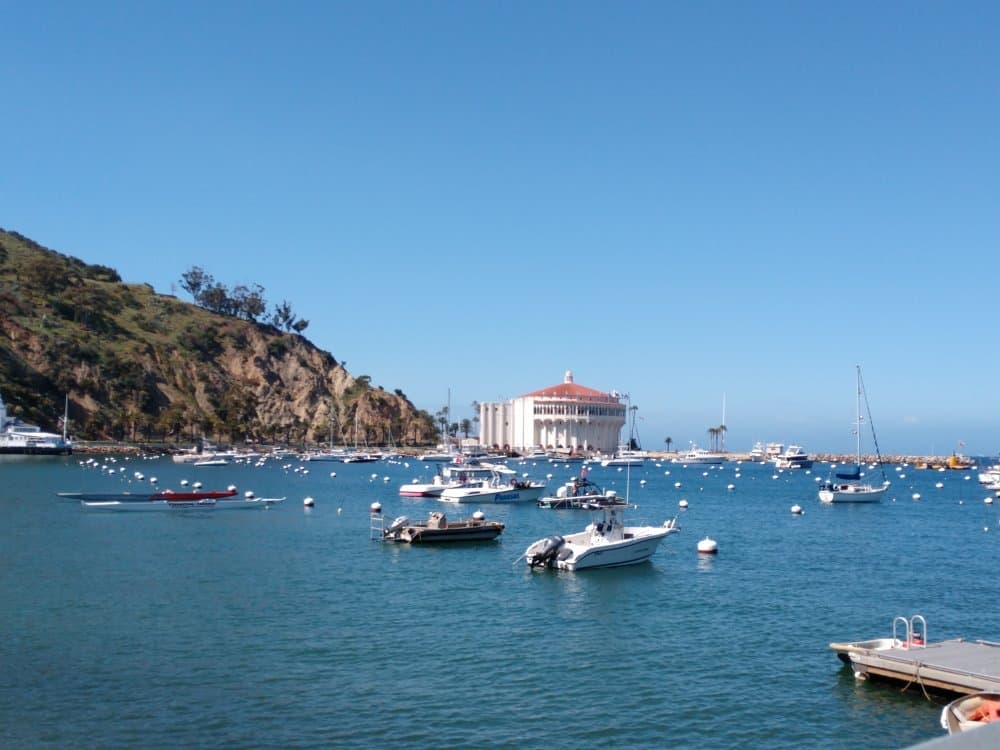
Historic Avalon Casino
Avalon
Admire the iconic Art Deco architecture of this historic landmark, a symbol of Catalina's charm.
Plans like a pro.
Thinks like you
Planning Your Visit
Permits & Reservations are Key
Timing is Everything for Comfort
Best Times
Insider Tips
from TikTok, Instagram & Reddit
🎒 Pack for Exposure
The trail is largely exposed; bring ample sun protection, including a hat, sunscreen, and sunglasses.
👟 Footwear Matters
Invest in good hiking boots with ankle support, as the trail can be rocky and involve significant elevation changes.
💧 Water Sources are Limited
Plan your water refills carefully. Some campsites, like Parsons Landing, have no water source.
🗺️ Research Your Route
Understand that much of the TCT is a dirt road, not a traditional single-track trail.
Tips
from all over the internet
🎒 Pack for Exposure
The trail is largely exposed; bring ample sun protection, including a hat, sunscreen, and sunglasses.
👟 Footwear Matters
Invest in good hiking boots with ankle support, as the trail can be rocky and involve significant elevation changes.
💧 Water Sources are Limited
Plan your water refills carefully. Some campsites, like Parsons Landing, have no water source.
🗺️ Research Your Route
Understand that much of the TCT is a dirt road, not a traditional single-track trail.
🍳 Breakfast at Airport
Enjoy a hearty breakfast at the Airport in the Sky after camping at Black Jack Campground.
What Travellers Say
Reviews Summary
The Trans-Catalina Trail offers a challenging yet rewarding backpacking experience with stunning coastal views and a sense of island solitude. While some find it more of a dirt road than a traditional trail, the elevation gains and spectacular scenery are consistently praised. Planning and preparation, especially regarding permits and water, are essential for a successful trip.
"Not an easy hike. Lots of incline. Do your research. Worth it for the solitude and escape from the hustle and bustle of Southern California."
Leandro Sinco
"While it's true that this is often more of a dirt road than a hiking trail, it does offer a lot of challenging elevation gain and spectacular ocean views. Most of the trail is exposed so it's best to do this in the late fall. Plan ahead and obtain camping permits for all the campsites you plan to use.
Little Harbor and Parsons Landing campsites were the best.
Try to plan on stopping by the Airport in the Sky in the morning after leaving Black Jack Campground. They serve up an amazing breakfast.
This is a good multiday backpacking adventure that has a few doses of civilization along the way. Good for those who don't want the isolation of the deep wilderness."
Paul Kennedy
"Rode the ECO-tour vehicle to many beautiful backcountry sites. Plan to do the trail next visit"
James Cezo
What People Like
What People Dislike
Frequently Asked Questions
🚇 🗺️ Getting There
You'll need to take a ferry to Catalina Island. Popular departure points include San Pedro, Long Beach, Newport Beach, and Dana Point. The Catalina Express is a common and reliable option, with tickets often selling out in advance. +2
While there's a satirical TikTok suggesting you can drive to Catalina, the primary way to reach the island is by ferry. Cars are not generally permitted for visitors.
The best port depends on your starting location in Southern California. San Pedro, Long Beach, Newport Beach, and Dana Point all offer ferry services to Avalon or Two Harbors, both of which are access points for the TCT.
Ferry rides typically range from 45 minutes to 1.5 hours, depending on the departure port and the specific ferry service. +1
While some private tours might offer access, the standard way to reach the TCT is via ferry to Avalon or Two Harbors, and then begin your hike. Some tours focus on specific areas of the island.
🎫 🎫 Tickets & Entry
Yes, you absolutely need camping permits for all campsites along the Trans-Catalina Trail. These are essential and must be booked in advance, often opening on January 1st for the entire season. +1
Permit costs can vary, but it's essential to check the official Catalina Island Conservancy website for the most up-to-date pricing and booking procedures.
Permits are typically booked through the Catalina Island Conservancy. It's recommended to book as early as possible, especially for popular campgrounds like Little Harbor and Parsons Landing.
The trail itself is generally accessible year-round, but camping requires reservations. Ferry operating hours vary by season and port.
While there isn't a specific 'entrance fee' for the trail itself, you will need to pay for ferry tickets to reach the island and secure camping permits for overnight stays.
🎫 🥾 Onsite Experience
The Trans-Catalina Trail (TCT) is approximately 38 miles long, traversing the entire island from end to end.
Yes, the TCT is considered a challenging hike due to significant elevation gains and a trail surface that is often more like a dirt road than a traditional trail. It's best suited for experienced hikers or beginners looking for a challenge.
Late fall (October-November) and spring (March-May) are generally considered the best times to hike the TCT due to milder temperatures and less sun exposure. Summer can be extremely hot.
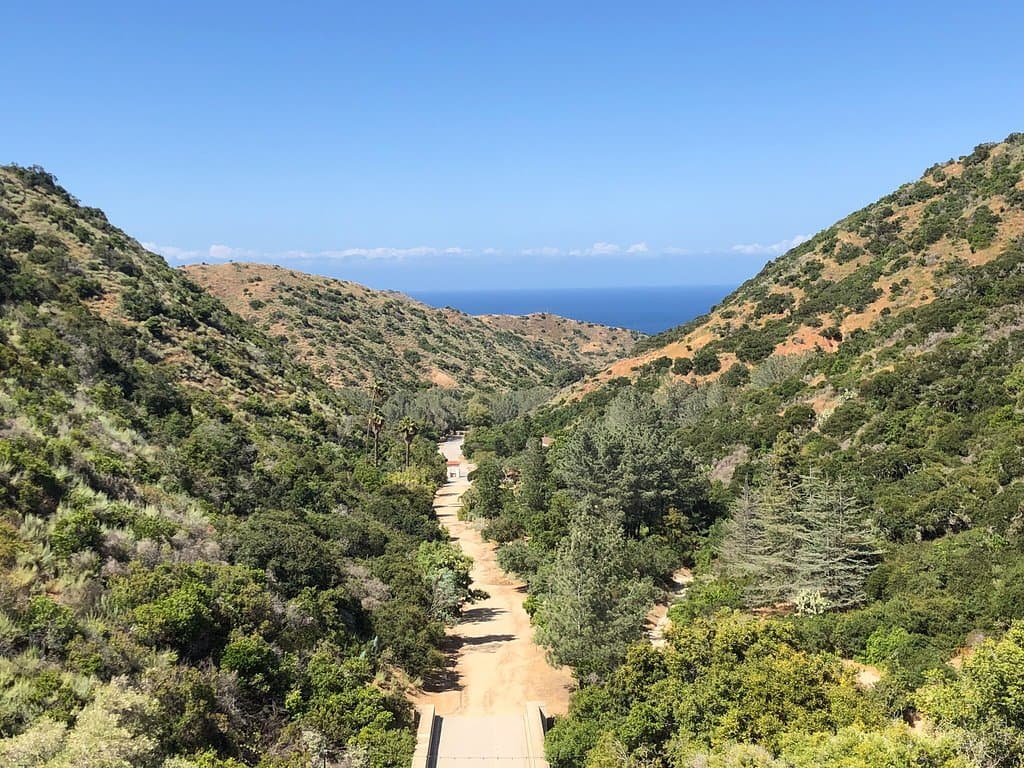
Expect a mix of rugged dirt roads, rocky paths, and some paved sections. The trail features significant inclines and descents, with dramatic coastal views and interior island landscapes.
Services are limited. You'll find some small towns like Avalon and Two Harbors with amenities. Campgrounds have basic facilities, but water sources can be scarce, so carry plenty.
🍽️ 🍽️ Food & Dining
Dining options are primarily in Avalon and Two Harbors. For a unique experience, consider breakfast at the Airport in the Sky after camping at Black Jack Campground.
Food availability is limited to the towns of Avalon and Two Harbors. It's highly recommended to carry all your food for the duration of your hike, especially if camping in more remote areas.
No, most campsites are in remote areas and do not have nearby restaurants. You'll need to be self-sufficient with your food and cooking gear.
Pack lightweight, non-perishable, and high-energy foods. Dehydrated meals, trail mix, energy bars, and jerky are good options. Remember to pack out all your trash.
Potable water is not available at all campsites. Parsons Landing and Little Harbor, for example, do not have a water source. You must carry all the water you need or have a reliable filtration/purification method.
📸 📸 Photography
The TCT offers stunning photo ops, from dramatic coastal cliffs and sweeping ocean vistas to the island's unique flora and fauna, including bison. Don't miss the historic Avalon Casino.
Golden hour, shortly after sunrise and before sunset, provides the most dramatic and beautiful lighting for landscape photography. Midday can be harsh due to direct sun.
One fun challenge is to try and take a picture with or of each mile marker along the 38.5-mile trail.
A good camera or smartphone with a reliable battery is essential. Consider a wide-angle lens for landscapes and a telephoto lens for wildlife. A portable charger is also recommended.
Yes, but maintain a safe distance. Bison are wild animals. Use a zoom lens to capture clear shots without disturbing them.





Social
from TikTok, Instagram & Reddit